Banksy

100 Inspiring Quotes About All Types of Art

Art has a way of saying the things we can’t quite put into words.

Whether you’re sketching in the margins of a notebook, layering paint on canvas, editing photos at midnight, or wandering through a museum just to feel something shift inside you, art meets us where language falls short. Sometimes, all it takes is a single sentence to unlock a new way of seeing—or to remind us why we started creating in the first place.

That’s where quotes about art and painting come in. They capture the shared experience of artists across time: the doubt, the obsession, the joy, the quiet persistence. These quotes aren’t just decorative words—they’re creative compatriots. They sit beside you in the studio, whisper encouragement when a piece isn’t working, and remind you that uncertainty is part of the process.

This collection of quotes about art and painting is designed to inspire artists of every kind—painters, illustrators, photographers, designers, sculptors, journalers, and creatives who don’t fit neatly into one box. You’ll find well-known voices alongside lesser-known artists whose words feel deeply lived-in and honest. Whether you’re here to spark an idea, find motivation, or simply feel less alone in your creative practice, this page is meant to be returned to again and again.

“Photographers capture the truth of light.”

B. Eisman 2026
peru amazon jungle photography by brianna eisman
Camping in the Amazon jungle in Northern Peru by Brianna Eisman

Quotes About Art & Drawing

“Drawing is the honesty of the art. There is no possibility of cheating.” — Salvador Dalí

“A line is a dot that went for a walk.” — Paul Klee

“Drawing is not what one sees, but what one can make others see.” — Edgar Degas

“Drawing is thinking on paper.” — Saul Steinberg

“Every artist was first an amateur.” — Ralph Waldo Emerson
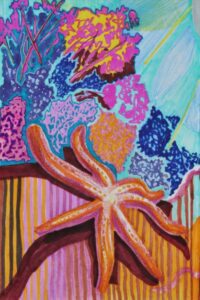
“Sketching is a way of asking questions without needing immediate answers.” — Jessica Hische, lettering artist

“Drawing teaches you how to really look.” — Dana Schutz

“Your sketchbook is a place to be wrong safely.” — Austin Kleon

“Drawing connects the hand to the mind in a way nothing else does.” — Peter Han, concept artist

“Sometimes the sketch holds more truth than the finished piece.” — Cathy Johnson, artist and art educator

Quotes About Art & Painting

“I dream my painting, and then I paint my dream.” — Vincent van Gogh

“Painting is poetry that is seen rather than felt.” — Leonardo da Vinci

“A painting is never finished—it simply stops in interesting places.” — Paul Gardner

“I shut my eyes in order to see.” — Paul Gauguin

“Color is my day-long obsession, joy, and torment.” — Claude Monet
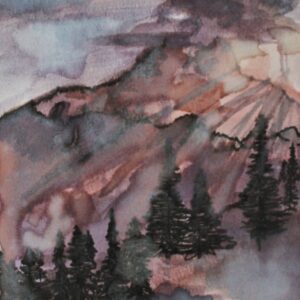
“I shut my eyes in order to see.” — Paul Gauguin

“Painting is about trusting yourself enough to begin.” — Lisa Congdon

“Every canvas is an opportunity to forgive the last one.” — Chuck Close

“Paint what you feel, not what you think you should.” — Cecily Brow

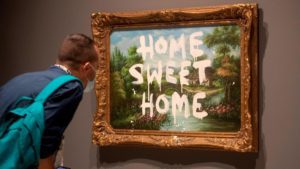
“Art should comfort the disturbed and disturb the comfortable.” — Banksy (Check out my photos of Banksy’s work)

“Painting is an act of faith.” — Gerhard Richter

Quotes About Art & Sculpture

“I saw the angel in the marble and carved until I set him free.” — Michelangelo

“Sculpture is the art of the intelligence.” — Pablo Picasso

“Sculpture is made by taking away.” — Antoine-Louis Barye

“Materials have their own opinions.” — Eva Hesse

“Clay remembers every touch.” — Peter Voulkos, ceramic artist
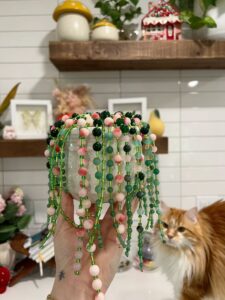
“Sculpture exists in the space we share with it.” — Antony Gormley

“Form is emotion slowed down.” — Barbara Hepworth

“Sculpture teaches patience through resistance.” — Andy Goldsworthy

“You learn by listening to the material.” — Isamu Noguchi

“Space is as important as solid form.” — Henry Moore

Quotes About Art & Photography

“A photograph is a secret about a secret.” — Diane Arbus

“The camera is an instrument that teaches people how to see.” — Dorothea Lange

“Photography is the story I fail to put into words.” — Destin Sparks

“You don’t take a photograph, you make it.” — Ansel Adams

“Light makes the photograph.” — George Eastman

“Photography is about paying attention.” — Alex Webb

“Sometimes the blur tells the truth.” — Jonathan Topping, film photographer

“A camera is a diary with no eraser.” — Henri Cartier-Bresson

“Blur can be more honest than sharpness.” — Daido Moriyama

“Photographs feel like memories we didn’t live.” — Gregory Crewdson

Quotes About Art & Graphic Design

“Design is intelligence made visible.” — Alina Wheeler

“Good design is obvious. Great design is transparent.” — Joe Sparano

“Design is thinking made visual.” — Saul Bass

“White space is breathing room.” — Khoi Vinh

“Design is how it works, not just how it looks.” — Steve Jobs
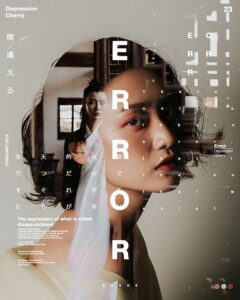
“Clarity beats cleverness.” — Ellen Lupton

“Design is problem solving with empathy.” — Mike Monteiro

“A logo is not a brand—it’s a doorway.” — Debbie Millman (Check out her podcast, Design Matters! It’s one of the first, longest running and most respected podcasts in the world)

“Consistency is a form of respect.” — Pentagram Design Group

“Design should feel effortless, even when it isn’t.” — Paula Scher

Quotes About Art & Game Design

“Games are the most elevated form of investigation.” — Albert Einstein

“A game is a series of interesting choices.” — Sid Meier

“Play is the highest form of research.” — Stuart Brown

“Players remember feelings, not mechanics.” — Jenova Chen

“Game design is empathy expressed through systems.” — Eric Zimmerman
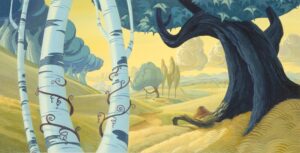
“Failure should be fun.” — Raph Koster

“Games teach through experience, not instruction.” — Jane McGonigal

“A good game respects the player’s intelligence.” — Shigeru Miyamoto

“Design for curiosity first.” — Brenda Romero

“Rules create meaning.” — Jesper Juul

Quotes About Art & Art History

“Art is a lie that makes us realize truth.” — Pablo Picasso

Every artist is shaped by their time.” — Ernst Gombrich

“Art history is a conversation, not a timeline.” — Linda Nochlin

“The past is never silent.” — John Berger

“To study art is to study humanity.” — E.H. Gombrich
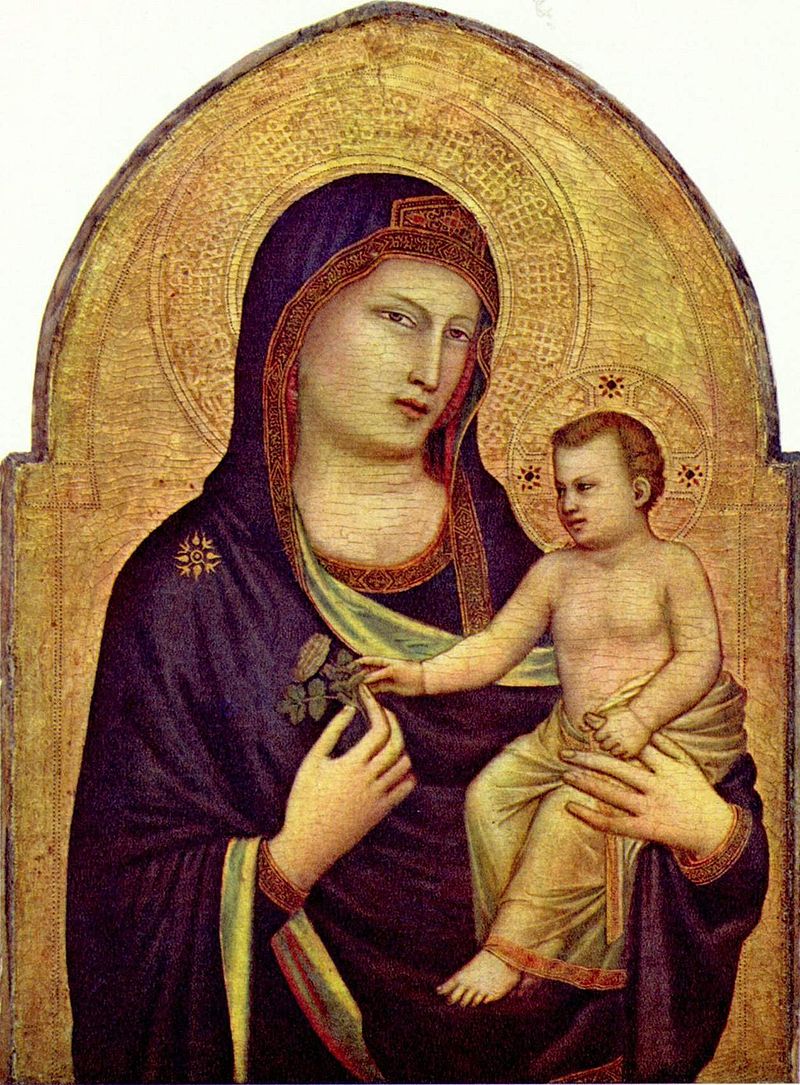
“Movements are born from resistance.” — T.J. Clark

“Style is a response to culture.” — Rosalind Krauss

“Art history is full of rule breakers.” — Griselda Pollock

“Context changes everything.” — Hal Foster

“Nothing radical exists in isolation.” — Aby Warburg

Quotes About Art & Museums

“Museums are time machines.” — Orhan Pamuk

“Art belongs to everyone.” — Ai Weiwei

“You don’t have to understand art to feel it.” — Agnes Martin

“Museums teach us how to look slowly.” — Teju Cole

“Galleries are spaces for listening.” — Hans Ulrich Obrist

“Museums remind us we are not alone in time.” — Rebecca Solnit
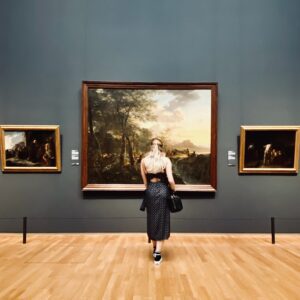
“Every wall has a voice.” — Thelma Golden

“Museums hold questions, not answers.” — Glenn Lowry

“Art needs space to breathe.” — Ellsworth Kelly

“A gallery visit is a conversation across centuries.” — Jerry Saltz

Quotes About Art, Journaling, & Creative Reflection

“Your journal is a judgment-free zone.” — Lynda Barry

“Creativity grows in private first.” — Julia Cameron

“Write what you notice.” — Natalie Goldberg

“A journal is where art begins quietly.” — Keri Smith

“Messy pages are honest pages.” — Austin Kleon

“Reflection is part of the practice.” — Sark
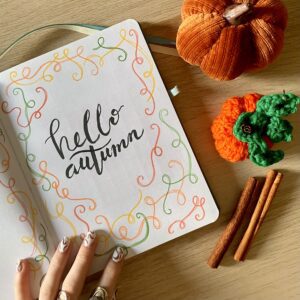
“Your sketchbook is allowed to be imperfect.” — Danny Gregory

“Pages are patient.” — Anne Lamott

“Journaling is drawing with words.” — Shauna Niequist

“Your thoughts deserve space.” — Brené Brown

How to Create Your Own Inspirational Paintings

If reading quotes about art and painting sparks the urge to create, lean into it. You don’t need expensive tools, just a few reliable supplies and permission to experiment.

Here are my suggestions for art supplies to create a painting in acrylic paint:

Try painting one quote as a visual concept—use color, shapes, or mood instead of literal words. Let the quote guide the feeling, not the outcome. This is about expression, not perfection.

Final Thoughts on Quotes About Art

Quotes don’t replace practice, but they can reignite it. The right words can pull you out of a creative rut, soften your inner critic, or remind you that every artist you admire once stood exactly where you are now. These quotes about art and painting are proof that uncertainty, experimentation, and growth are universal parts of making art.

Creativity isn’t a straight line, and it was never meant to be. Some days you’ll feel inspired and confident; other days, you’ll question everything. Let these quotes serve as gentle reminders that showing up matters more than perfection—and that your work doesn’t need to look like anyone else’s to be meaningful.

Bookmark this page. Highlight your favorites. Paint from them. Journal about them. Let them sit quietly in the background of your studio or creative space. Art is made in moments both loud and subtle, and sometimes inspiration arrives simply by reading the words of someone who understands the process.

Most of all, remember this: your perspective is already enough. Keep creating, keep experimenting, and keep trusting that your voice—like the artists quoted here—deserves to exist in the world.

Like this article? Get Updated when I write the next one:

Subscription Form

AI AI art art art advice art drawings art history Artificial intelligence artsy artsy drawings artsydrawings art tips artwork Banksy brianna eisman bujo bullet journal color wheel Contemporary art craft crafting crafts Creativity Cubism design diy drawing drawings drawing tips drawing tips for beginners eisman Impressionism Inspiration journal landscapes painting paintings painting tips pencil scrapbooking sketchbook social media Surrealism Traditional art visual art words to describe art

100 Inspiring Quotes About All Types of Art Read More »

The Destruction of Art.

Somewhere around 200,000 works of art went missing during the last world war.

In fact, there’s a database of lost and stolen art, like quiet fragmented records of society and history. Some blame dictators for hoarding galleries and others call it “systematic assault on modernism.” In reality, by the end of the war, over 20% of Europe’s art had been looted and hidden.

I think about lost art every so often, but especially when I read an article like Art News’s: Israeli Attacks on Palestinian Heritage Sites Constitute War Crimes: UN Report.

Art is being destroyed: from the third oldest church in the world to Gaza’s first archaeological museum and the “near-total destruction” of a 13th-century building turned museum. The accused “war crimes” they’re talking about include “intentionally directing attacks against buildings dedicated to religion and historic monuments.”

I know that what’s happening is wrong and from an artist’s standpoint, the destruction of art, history, and society feels like a step backwards for humans. But, what can I do? I’m a 25-year-old U.S. painter with internet access and a sink full of dishes. I should stop worrying about things outside my control, so I buy eggs when they drop below $4 and dye them funky colors in the summertime, because I couldn’t afford eggs during Easter.

I’m just an artist, what could I ever do to make things better? I know how to hold a paintbrush better than a gun. My hands were made for color, not combat.

introduction

***Disclaimer

If you haven’t noticed already, this article is a little different than what I typically write on this website. But, it’s my website and ArtsyDrawings.com has become more than just a blog and a portfolio. It’s its own art form of digital marketing, SEO, and online content. Don’t worry, I will continue to write about fun summer crafts and bullet journaling and photography tips. But, this particular article will have more somber overtones and comment on the destruction of art in terms of the artist’s role and responsibility, the contradicting preservation of art, and the decline of real art.

the artist’s role

As an artist, I pride myself on my years of experience and lessons from artists who came before me. I found my painterly style from French impressionists and appreciation for mountain photography from the Conservation Movement and Ansel Adams. I will forever be grateful to the artists who came before me; the ones who suffered and stood up for their art and their values, even when it wasn’t approved by the right people.

It’s thanks to these courageous artists that I’ve realized true art is rebellion. Picasso challenged what it means to paint a portrait, Basquiat challenged tagging and street art norms, Stuart Semple and Anish Kapoor challenged color itself. Art is progress because artists consciously ask “why” and “how.”

Maria Brito is an art advisor, curator, and author based in New York City. She believes art has always been political “because art, at its core, is about choices. Who gets to make it? Who gets to show it? Who gets to own it? These are all political questions.”

So, an artist’s role is more than slinging paint and getting messy: it’s about reflecting society and casting a glow of change. Artists get the choice to create a message and determine how it could be understood and interpreted. I know engineers who consider themselves artists because they design or code in a way that helps translate the data in a different way. This choice to not only communicate, but to do so in a new or different way, is what really pushes a true artist. They rebel against the norms or challenge ways of communicating, and in turn, this turmoil is reflected positively in society as experimentation and eventually, progress.

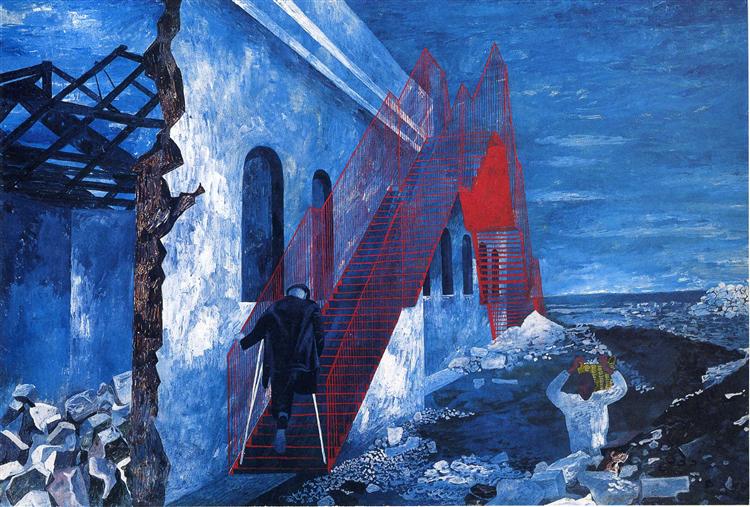
The Red Stairway by Ben Shahn, 1944

I recently finished a book that discusses this idea of an artist’s role to push boundaries. It’s called the Shape of Content by Ben Shahn. It’s a book of essays based on lectures by the artist at Harvard in 1957. However old, the ideas are not outdated, and I actually found them to be more relevant than ever in 2025. Shahn makes a case that all artists have an unavoidable responsibility to society, and I agree with many online reviews that anyone studying art should make an effort to read this book.

I have always believed that the character of a society is largely shaped and unified by its great creative works, that a society is molded upon its epics, and that it imagines in terms of its created things—its cathedrals, its works of art, its musical treasures, its literary and philosophical works.

Ben Shahn, The Shape of Content

It’s a reminder that art is not just an aesthetic exercise—it’s how we make meaning, shape memory, and build a shared imagination. It’s how we record what mattered to us, even when words fall short. When the world feels overwhelmed by noise, art quietly insists on depth. It challenges, comforts, questions, and preserves.

Shahn’s essays argue that artists don’t just reflect the world—they help shape its future. And in reading his words, I felt reminded that creativity isn’t a luxury or a hobby, it’s a responsibility. It’s how we leave something behind that speaks for us when we’re no longer here.

the preservation of art

Preserving art is not just keeping old paintings from falling apart, it’s about protecting human history.

Major institutions like the Metropolitan Museum of Art in New York and the Louvre in Paris invest heavily in conservation departments that use science and technology to stabilize, repair, and store artworks. These museums monitor everything from light exposure to humidity and temperature, because even slight changes can cause materials like canvas, wood, and oil paint to crack, fade, or rot.

The Getty Conservation Institute in Los Angeles is one of the leaders in the field, working globally to restore everything from Renaissance frescoes to ancient temples. Artifacts are often digitally scanned, chemically analyzed, and preserved using non-invasive methods that didn’t even exist a decade ago.

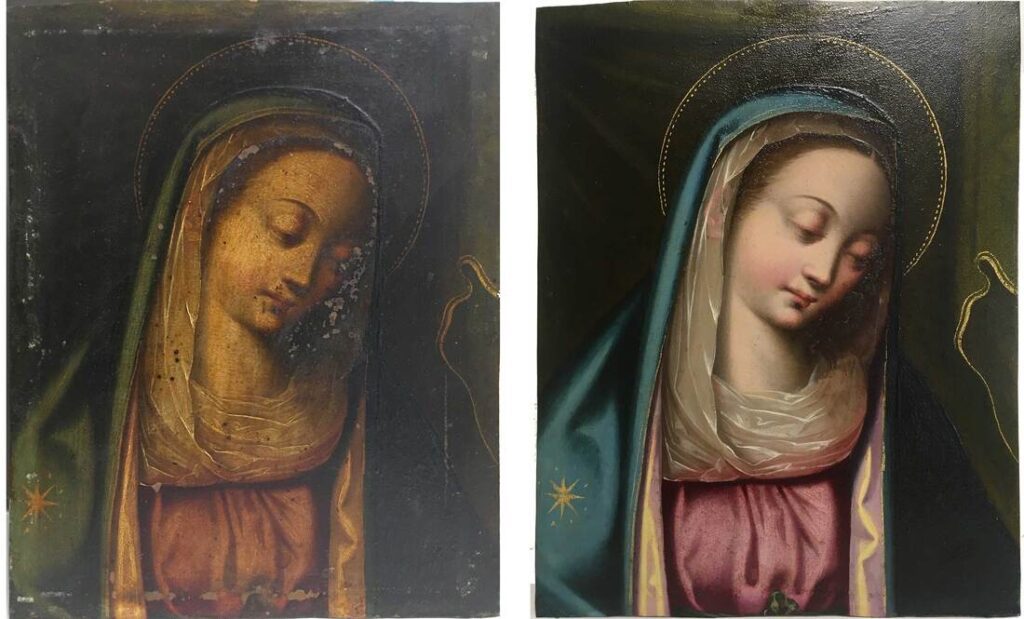
A lovely 18th-century oil on copper was revived by removing old varnish and age spots, retouching losses, and sealing it with a durable synthetic varnish for centuries to come.

Museums also maintain detailed records on the history of the work, the artist’s background, and the painting’s restoration history, ensuring that artworks are not just seen but understood. Without these practices, cultural treasures could be lost to time, war, or even mishandling.

Conservation efforts, whether through careful restoration, climate regulation, or digital archiving, allow art to keep speaking, generation after generation. Without preservation, we risk losing not just the work itself, but the voice, struggle, and spirit behind it.

the decline of real art

Art isn’t dying because people stopped creating—it’s dying because people stopped noticing. We live in a time where creativity is everywhere, but meaning feels harder to find. I think about this a lot when I watch an artist paint the Mona Lisa in 30-seconds, but it’s buried under trends, or dismissed as “just content.” Somewhere along the way, we stopped giving art the space it deserves.

During the Renaissance, fine art was meant to challenge people. It questioned power, religion, and beauty in ways that made people uncomfortable. It meant something. But now, fine art feels like it’s everywhere and nowhere at the same time. It’s not that people don’t care about art, it’s just that so much of it is made to be content, not to be felt.

A lot of new art doesn’t hit as hard because it’s made for an audience that’s used to quick swipes and fast likes. We’ve been trained to scroll past things in seconds, even when they’re beautiful or meaningful. It’s not really our fault—we’re just overwhelmed. But that’s the problem: art is getting lost in the noise. People don’t take time to sit with it, to think about what it’s saying or what went into it. It’s like eating a steak in two bites and wondering why it didn’t taste like anything. When everything is content, art starts to lose its weight. It becomes something to consume, not something to connect with.

Why do we hold the painting in a museum to a higher standard than the one recorded on social media? If the artist’s role is to create a message to communicate, then why is the most accessible message not considered “real art?” My guess is that art is actively transforming into content, and it’s losing quality and messaging, despite being more accessible.

And when we stop seeing the work, time, and thought behind art, we stop valuing it.

finally, the destruction of art

When art starts to feel disposable, it’s easier to destroy. Not just by ignoring it, but by literally erasing it—through war, censorship, or indifference. If people can’t recognize the value of a painting or sculpture in peace, what happens to that art in times of conflict? The less we appreciate it, the less we fight to protect it.

Of course, I don’t want art to be destroyed, but sometimes I wonder if that destruction is, in a twisted way, what wakes people up. It’s like Ryan Gosling’s character in La La Land—watching his jazz music be reshaped, dismissed, and commercialized until it no longer resembles what it once was. But by the end, he understands that change was always going to happen. That doesn’t mean we stop caring—it means we fight harder to hold on to what matters.

How to make your Graffiti Art Drawings more Captivating - the destruction of art
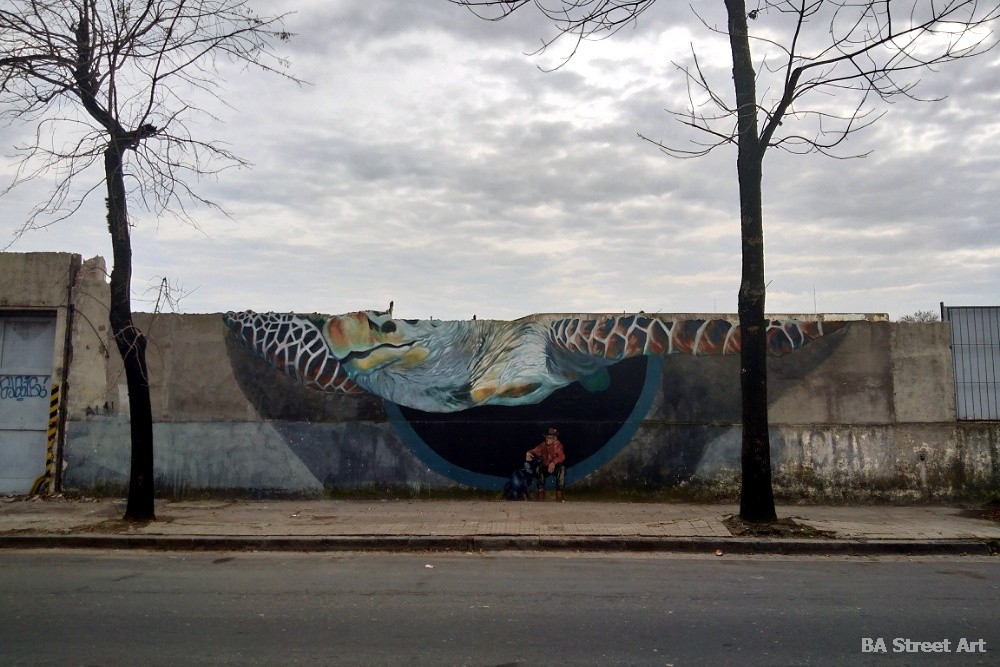
Pedro Luján and his Dog by Martín Ron

I’m inspired by street art because it embraces impermanence. Its raw exposure to weather, politics, and public life give it weight. Pedro Luján and his Dog by Martín Ron was one of those pieces—massive, emotional, and rooted in its Buenos Aires neighborhood. But in 2017, the wall it lived on was destroyed. Just like that, it was gone. And yet, that fleeting existence is part of what gave it power. Graffiti confined to a gallery wall feels almost dead—it loses the chaos, the commentary, the context. Banksy‘s work isn’t meant to be lit with spotlights; it’s meant to disrupt.

That’s why the targeted bombings of museums in the Middle East hit so deeply. These aren’t just buildings. They’re memory. They’re beauty. They’re protest. And someone decided they didn’t deserve to exist.

“It’s really heartbreaking to see all this, and to think about the city that I cherish, that I’m from, that I love, in complete ruins,”

Laila El-Haddad, Palestinian-American author

The destruction of art isn’t just collateral damage—it’s a warning. It’s a message that says: you don’t deserve to remember, to dream, to imagine.

So, does war make you hate art? Or is it that art, in all its stubborn beauty, dares to exist in defiance of power? Do painted walls disturb you more than the crumbling ones because they remind you of life before destruction—of color, of laughter, of stories still unfolding?

Maybe that’s why art becomes a target. Because it refuses to fall silent. Because it threatens the myth that only violence can make history.

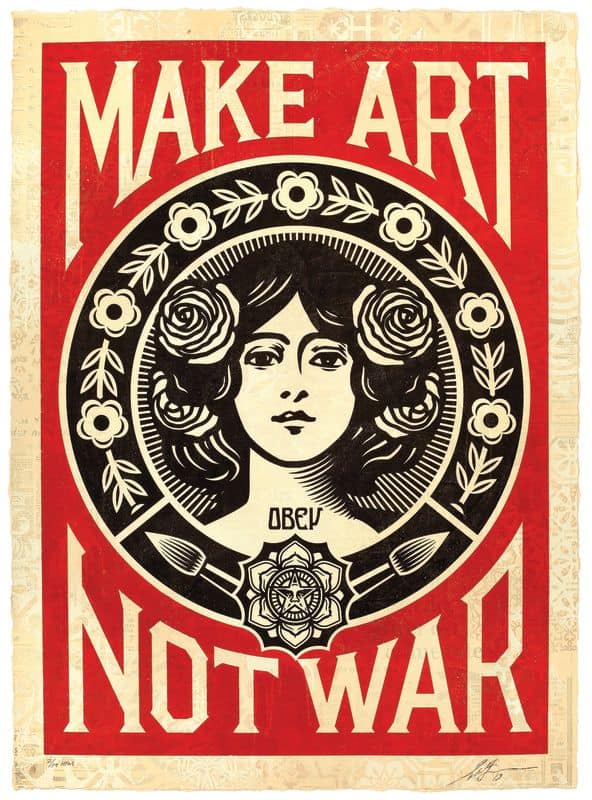
Make Art Not War by Shepard Fairey

Maybe art reminds us of a time when flowers bloomed and it made us happy. And now, the blooms feel cruel—too soft for the world we’ve made. We feel guilty for picking them, guilty for finding beauty while others suffer, guilty for daring to look up when so many are forced to look away.

But still, I choose to look. I choose to paint.

My battlefield is a blank canvas. I was taught to paint, not to pull a trigger. And maybe that’s my rebellion—to keep creating in a world that keeps trying to erase memory, meaning, and anything that dares to be beautiful.

The Destruction of Art. Read More »

Why Art Is Essential to Humanity and How It Makes the World Better

When someone asks why art is essential or important, you might struggle to explain it. It’s not just about pretty pictures or sculptures; art is a powerful need that improves our lives and makes the world better.

Some people see art as a drain on resources that could be used for more important things. They say: “What’s the point of art?”, “Why spend time and money on art?” and “art isn’t a real job.” They may say “it’s not like air or food where it hurts or kills you to go without it.”

How do you handle the dismissal of art? How can we stand up to naysayers and feel that what we do is meaningful?

Why Art is Essential: Art Is Our Shared History

Art has been with us since the dawn of human existence. From the earliest cave paintings to the masterpieces hanging in museums today, art is how we’ve documented our lives, expressed our beliefs, and passed down stories through generations.

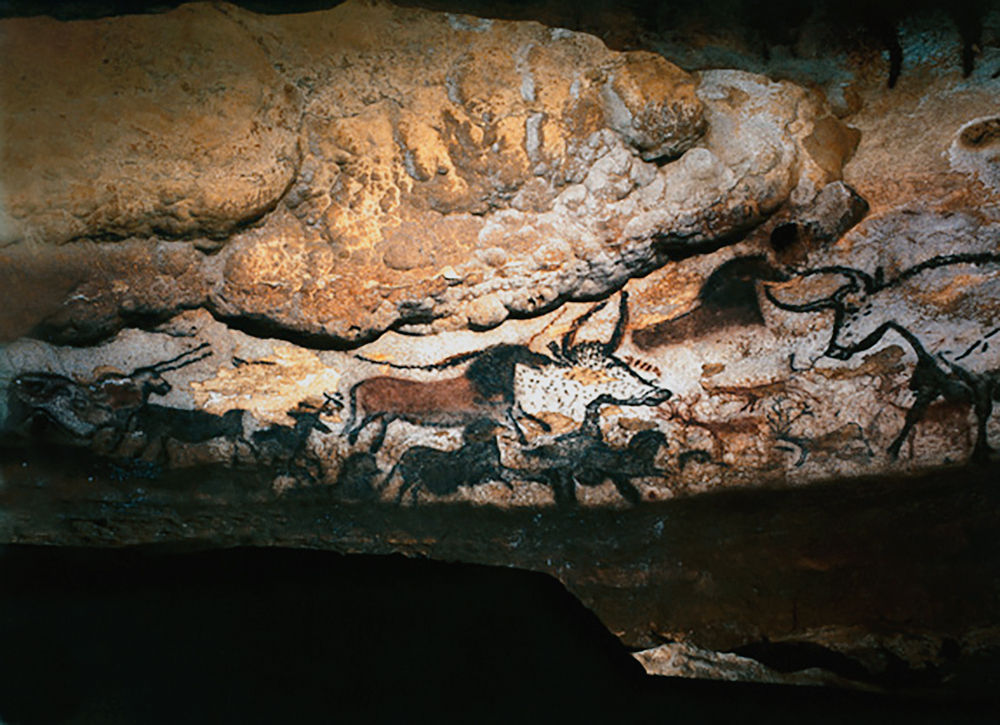
Lascaux is famous for its Palaeolithic cave paintings and drawings, found in a complex of caves in the Dordogne region of southwestern France, because of their exceptional quality, size, sophistication and antiquity. Estimated to be up to 20,000 years old, the paintings consist primarily of large animals, once native to the region. This is why art is essential to humanity.
Hall of the Bulls in Lascaux, France

The ancient Lascaux cave paintings in France, created over 17,000 years ago, are more than just depictions of animals. They provide a window into the lives, thoughts, and experiences of early humans. These images are not just art—they are records of a culture, telling us what was important to our ancestors, how they viewed the world, and what they valued. This art is essential to understanding our ancestors. Without these artistic expressions, our understanding of prehistoric life would be far more limited.

As civilizations evolved, so did their art. The Renaissance period, for example, was a time when art flourished as a means of exploring humanity, religion, and the natural world. Leonardo da Vinci’s Mona Lisa and Michelangelo’s Sistine Chapel ceiling are not only remarkable for their technical skill but also for the way they encapsulate the intellectual and spiritual currents of their time.

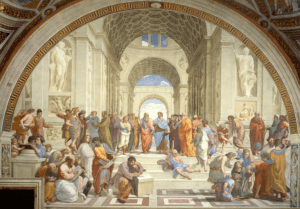
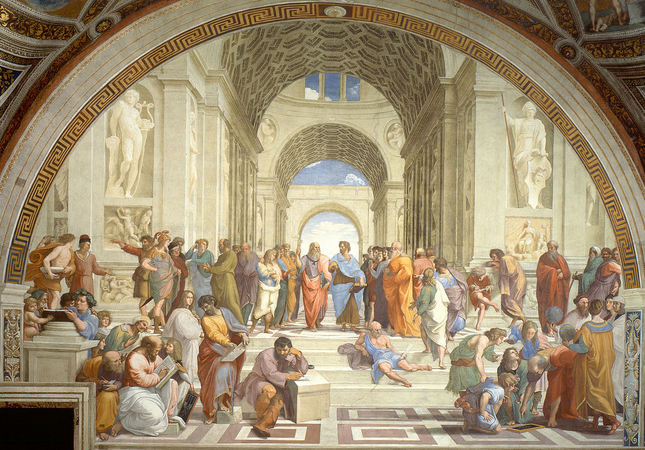
The School of Athens represents all the greatest mathematicians, philosophers and scientists from classical antiquity gathered together sharing their ideas and learning from each other. These figures all lived at different times, but here they are gathered together under one roof. Art style is classicism
School of Athens by Raphael

These works reflect a society that was rediscovering classical ideas, questioning the nature of humanity, and celebrating the beauty of the human form. They are more than just paintings—they are symbols of an era that continues to influence us today.

Throughout history, art has served as a mirror, reflecting the values, struggles, and triumphs of the people who created it. Whether it’s the monumental sculptures of Ancient Greece, the religious icons of the Byzantine Empire, or the protest art of the 20th century, each piece tells a story.

When we study art history, we are not just learning about art; we are learning about ourselves, our collective past, and the forces that have shaped our world. Art keeps our history alive, reminding us of where we’ve come from and helping us to understand who we are today. Without art, the richness of human history would be lost, and our connection to our ancestors would be much weaker.

Personally, I think this feeling of lost humanity has influenced a fear of computer generated art and AI art. AI’s influence on the art community is controversial, but fascinating regardless.

Why Art is Essential: Art Connects People

One of the most powerful aspects of art is its ability to connect people, regardless of language, culture, or time period. Art speaks a universal language that everyone can understand on some level, even if they don’t share the same background or experiences. Art is essential as a universal communicator.

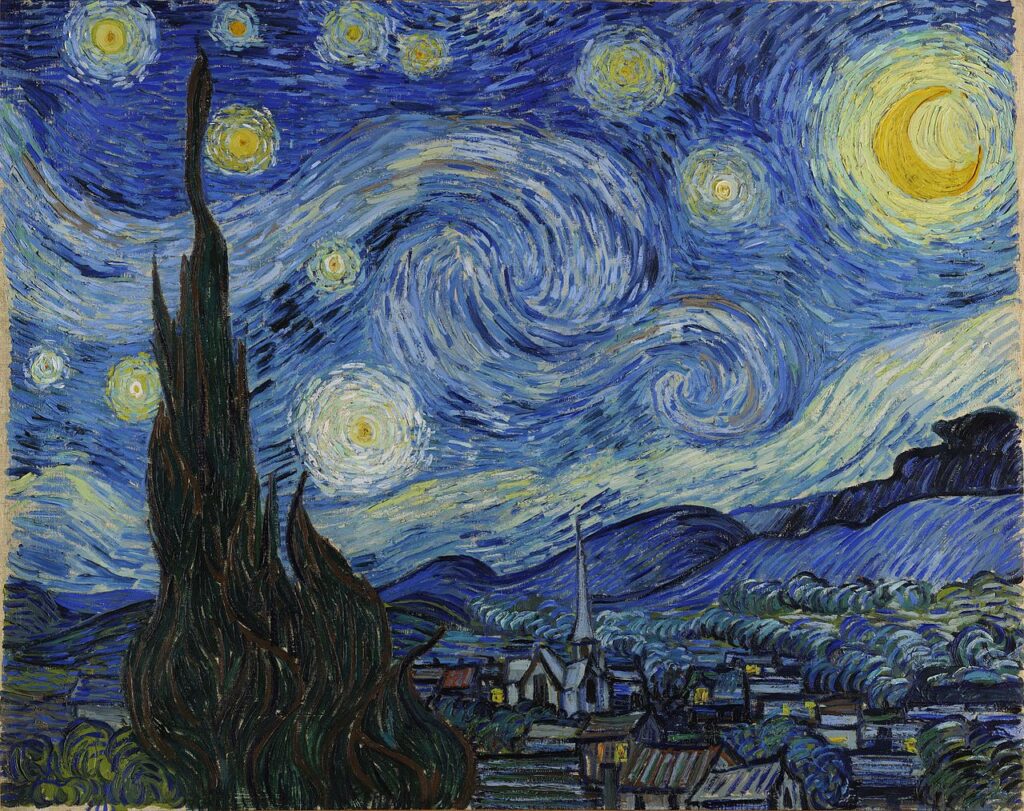
For instance, consider how people from all over the world are drawn to the works of Vincent van Gogh. His vibrant colors and emotional brushstrokes communicate feelings of loneliness, joy, and wonder that are universally relatable. You don’t need to know anything about his life to feel something when you look at Starry Night or Sunflowers.

Vincent Van Gogh's Starry Night painting is a good representation of why art is essential to understanding human connection and emotion.
Vincent Van Gogh’s Starry Night painting is a good representation of why art is essential to understanding human connection and emotion.

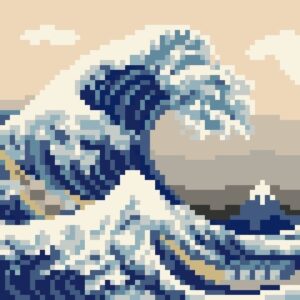
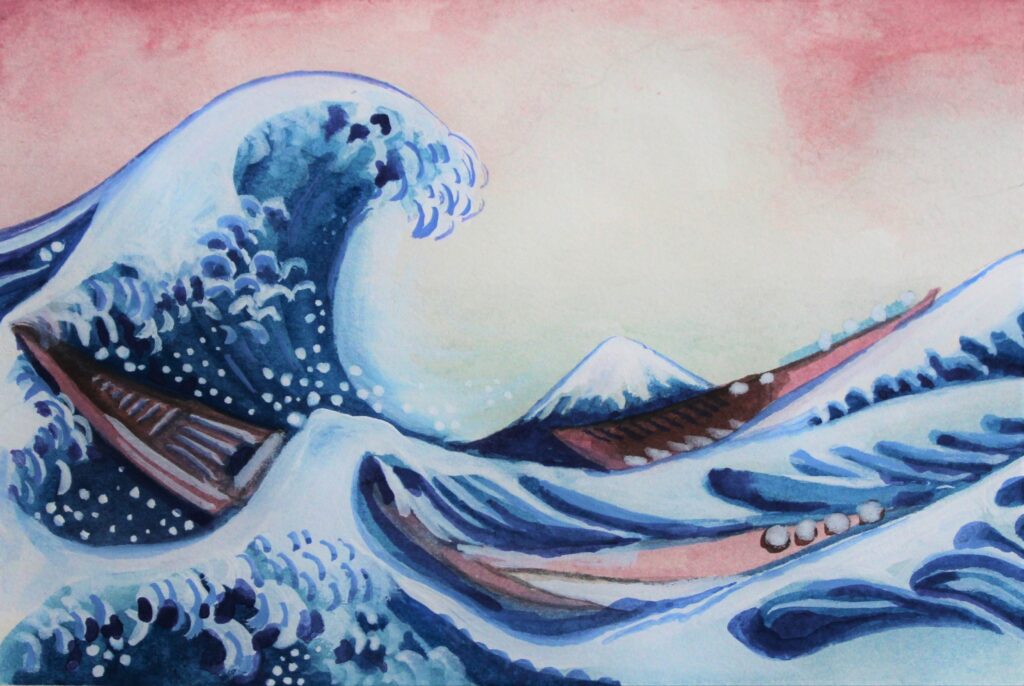
Similarly, Katsushika Hokusai’s The Great Wave off Kanagawa has become an iconic image recognized around the globe. Even though it was created in Japan during the early 19th century, its bold lines and dynamic composition capture the powerful force of nature in a way that speaks to people everywhere.

The Great Wave, by Brianna Eisman inspired by The Great Wave off Kanagawa
Print by Hokusai. Both works of art show the immense feeling of man vs. nature which connects all humans. This is why art is essential.
The Great Wave, by Brianna Eisman inspired by The Great Wave off Kanagawa
Print by Hokusai. Both works of art show the immense feeling of man vs. nature which connects all humans.

The wave, poised to crash down with unstoppable energy, evokes both awe and respect, reminding us of the universal human experience of facing forces beyond our control.

I made this painting using gouache paint on paper. Check out more of my art by looking at my Portfolio.

Why Art is Essential: Art Is Good for Your Mind and Soul

Art plays a crucial role in our mental and emotional well-being. It’s not just something to look at or listen to—it has a deep impact on how we think, feel, and live our lives.

Engaging with art can reduce stress, boost creativity, and improve our overall mood. When you draw, paint, or write, you’re not just creating something new; you’re also processing your thoughts and emotions in a healthy way. This is why art therapy is often used to help people deal with trauma, anxiety, and depression.

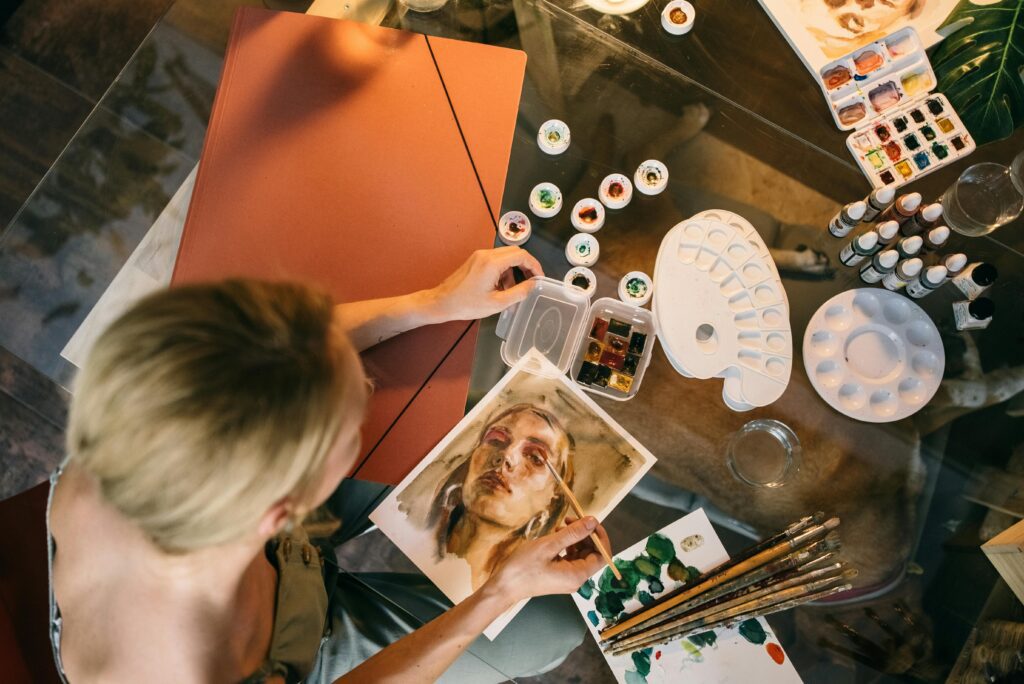
how to paint a flower painting - artist set up showing why art is essential
High Angle Shot of a Woman Painting by Leeloo The First

Even if you’re not creating art, simply surrounding yourself with it can have a profound effect on your well-being. Think about how you feel when you listen to your favorite song or watch a movie that really moves you. Art has the power to transport us to another world, offering a temporary escape from everyday worries.

Art has the power to inspire us, giving us new ideas and perspectives that we might not have ever considered. This is why so many people find comfort and joy in visiting art galleries, reading books, or watching films. Art is essential because it enriches our lives by making us more mindful, empathetic, and imaginative.

If you are new to art, I suggest you take a look at these articles:  5 Easy Drawings Tips,  How to Create an Artist Statement, and Easy Color Theory for Beginners.

Why Art is Essential: Art Enhances Our Surroundings

Art isn’t just something to be admired in a museum—it’s all around us, enhancing our surroundings and making our environments more enjoyable. Public art, architecture, and design can transform ordinary spaces into places of beauty and inspiration.

Take the Eiffel Tower, for example. It’s not just a structure; it’s a symbol of Paris, a work of art that has inspired countless artists, photographers, and dreamers. Or think about the colorful murals you might see in your city. These pieces of street art don’t just brighten up a wall; they add character to a neighborhood, tell a story, or make a statement. Street art decorating your community shows that art is essential to beautifying spaces.

form follows function showing how design is a reflection of reality. Art is essential in design and functionality.
“Form Follows Function” explains how design is a reflection of reality and how art is essential in merging design with functionality.

Good design in everyday objects—whether it’s a well-crafted chair, a beautifully illustrated book, or an innovative smartphone—also reflects the importance of art in our lives.

When art and design are integrated into the things we use and see every day, it elevates our experiences, making life not just functional, but also beautiful. It reminds us that art isn’t something separate from life; it’s a part of it, enriching our daily routines and surroundings in ways we might not always notice, but would surely miss if it were gone.

Why Art is Essential: Art Drives Social Change

Throughout history, art has been a powerful force for social change, challenging the status quo and inspiring people to think differently about the world.

Artists have always been at the forefront of movements for justice, equality, and freedom, using their work to highlight societal issues and provoke action. The Harlem Renaissance of the 1920s is a perfect example of this. This cultural movement was not just about creating beautiful works of art; it was about redefining African American identity, celebrating Black culture, and challenging the racist stereotypes that had dominated American society for centuries.

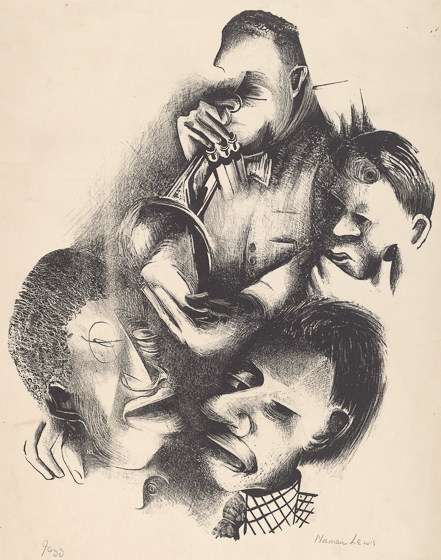
Norman Lewis was attuned to the importance of jazz and blues music, especially growing up in Harlem during the heyday of the Harlem Renaissance. It shows how art is essential to enacting social change.
Jazz by Norman Lewis c. 1938

Through the poetry of Langston Hughes, the novels of Zora Neale Hurston, the paintings of Aaron Douglas, and the prints of Norman Lewis, the Harlem Renaissance gave voice to a community that had been marginalized and oppressed. These artists used their creativity to assert their humanity and demand recognition, laying the groundwork for the Civil Rights Movement that would follow.

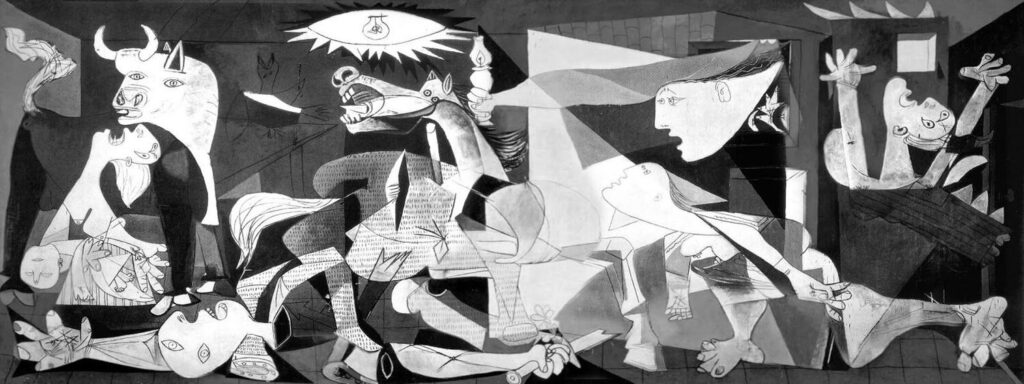
Art is essential to reaching people on an emotional level, making it a powerful tool for advocacy and activism. Picasso’s Guernica, for example, is one of the most famous anti-war paintings in history. Created in response to the bombing of the Spanish town of Guernica during the Spanish Civil War, the painting’s chaotic composition and haunting imagery convey the horror and suffering caused by war.

“Guernica” by Pablo Picasso shows how art is essential to enacting social change
Guernica by Pablo Picasso

Guernica is more than just a depiction of a historical event—it’s a universal condemnation of the violence and destruction that war brings. The painting has been displayed around the world, serving as a powerful reminder of the human cost of conflict and the need for peace.

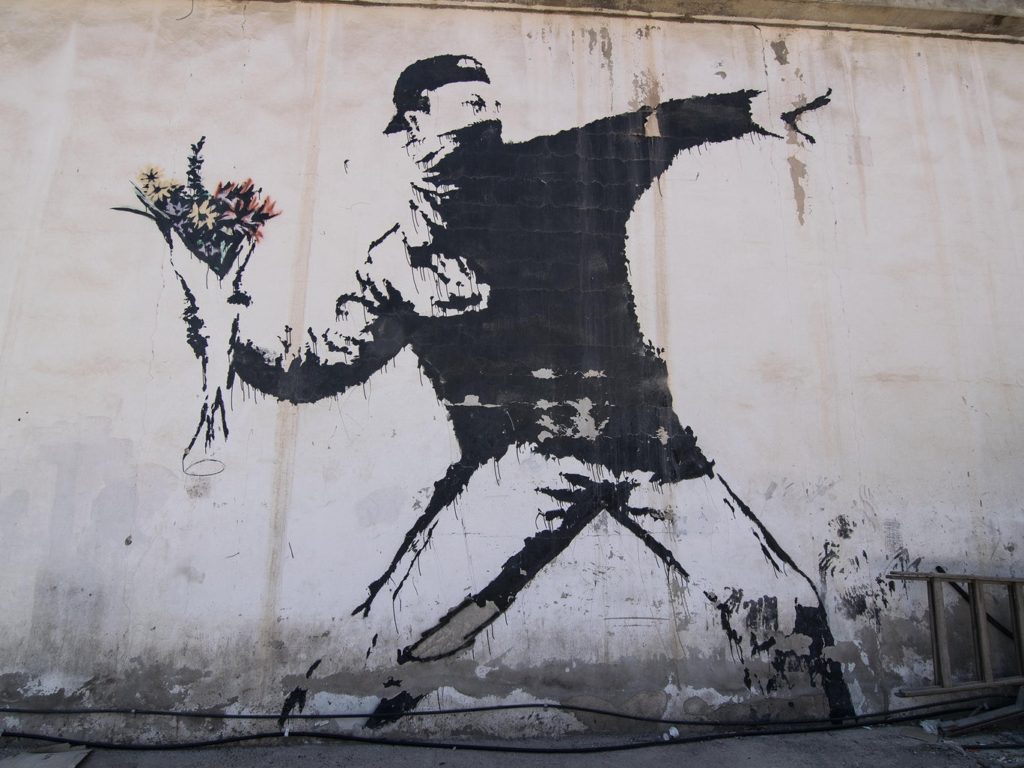
In more recent times, artists like Banksy have used street art to critique contemporary issues such as consumerism, government surveillance, and environmental destruction. Banksy’s work is often provocative, using humor and irony to make serious points about the state of the world.

Banksy graffiti art drawings show that art is essential
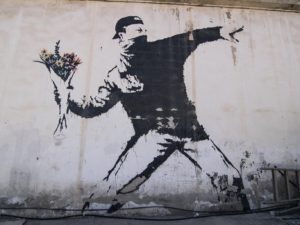
Banksy creates some of the most well known graffiti art drawings like The Flower Thrower in which “the protester is a pacifist.”

By placing his art in public spaces, Banksy ensures that it reaches a wide audience, sparking conversations and encouraging people to think critically about the issues he addresses.

This kind of art isn’t just about aesthetics—it’s about challenging people to question their assumptions and consider new perspectives. Whether it’s through paintings, music, literature, or performance, art inspires change, making it an essential tool for building a better, more just society.

How to Bring Art into your Daily Life

You don’t have to be an artist or visit a museum to experience the benefits of art. There are many simple ways to bring more art into your daily life, helping you stay inspired and connected.

Start by surrounding yourself with art that speaks to you. This could be anything from posters of your favorite paintings, to playlists filled with music that makes you feel something, to books that transport you to another world. The key is to choose art that resonates with you personally.

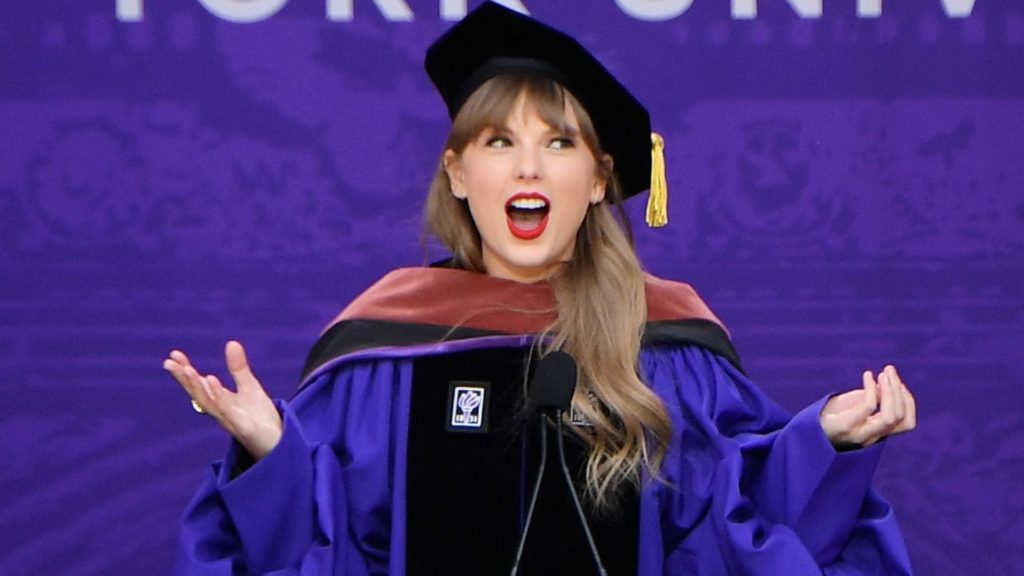
Taylor Swift in regalia purple attire speaking at NYU graduation. Art is essential, even if it's Taylor Swift!

You can also make a habit of engaging with art in more active ways. Try visiting local galleries, attending live performances, or exploring public art in your community. You might discover something new that sparks your interest.

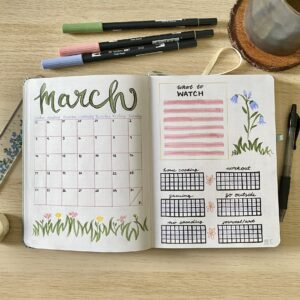
I try my best to incorporate art into my every day lifestyle, from bullet journaling to thrifting art supplies to data visualization. Follow me on social media to enjoy galleries, painting and photography tips, and behind the scenes of some of my favorite creations.

Also, don’t be afraid to create your own art, even if you don’t consider yourself particularly talented. The act of creating—whether it’s drawing, writing, dancing, or playing an instrument—can be incredibly fulfilling. It’s not about being perfect; it’s about expressing yourself, recording a feeling or a thought, and finding joy in the process.

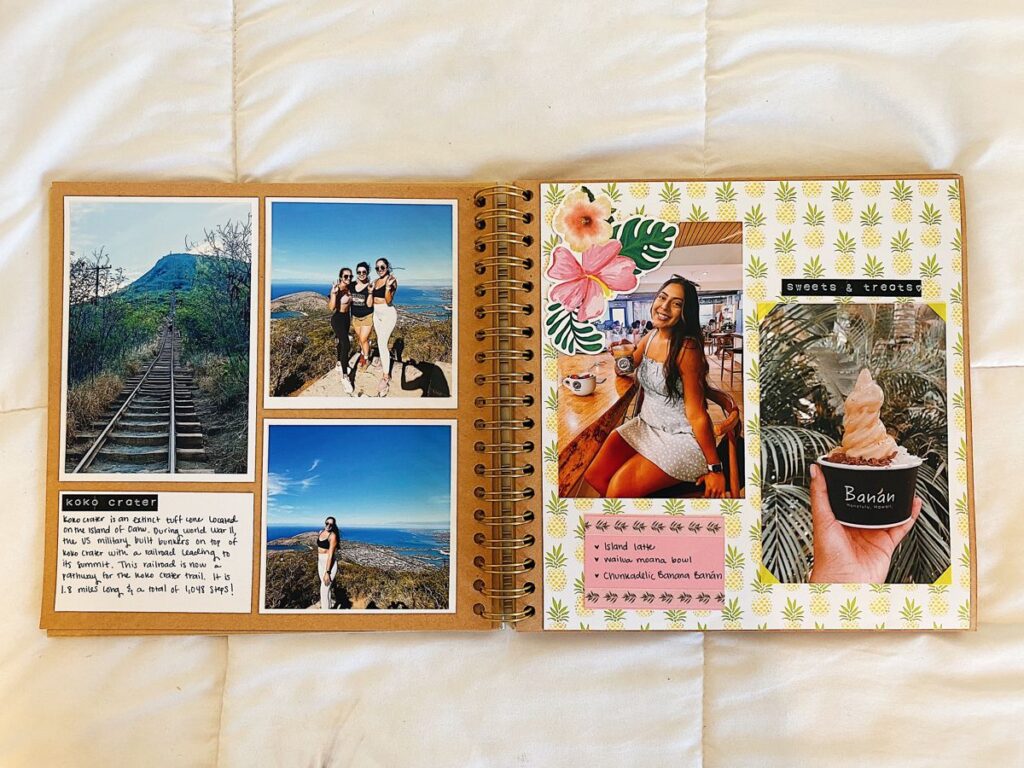
summer bucket list bujo bullet journal ideas page for summer can show how art is essential even in every day scenarios for regular non-artistic people
Collecting photos and memorabilia for scrapbooking or bullet journalling is a fun and easy way to incorporate art in your everyday life.

Conclusion: Art Is Not a Luxury, but a Necessity

Art is much more than just a luxury—art is essential to being human. It connects us to our history, brings people together, nourishes our minds and souls, enhances our surroundings, and drives social change.

By recognizing the importance of art and making it a part of our daily lives, we can enrich ourselves and contribute to a world that values creativity, empathy, and beauty. Whether through painting, music, literature, or performance, art helps us understand the world and imagine new possibilities. And in a world that often feels divided and uncertain, that’s something we all need.

Subscribe

Sign up for my monthly newsletter and stay up to date on newest articles, galleries, and paintings

*

Why Art Is Essential to Humanity and How It Makes the World Better Read More »

Scroll to Top
Cart
0
Add Coupon Code
Subtotal