Art Is Never Neutral
Art is never neutral.
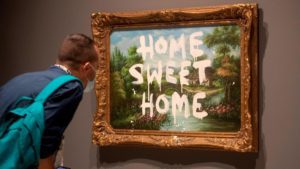
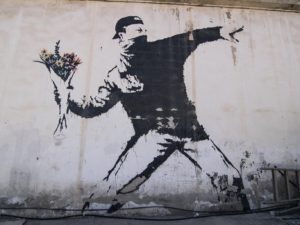
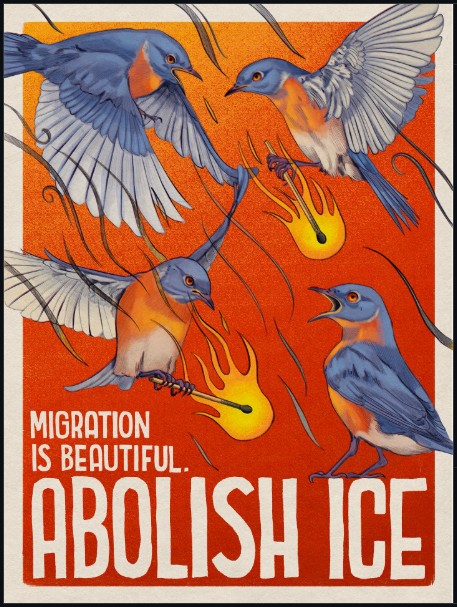
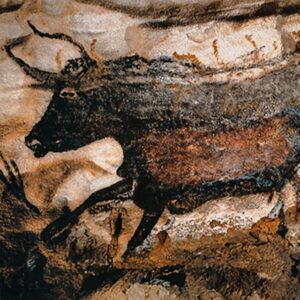
From ancient murals to protest posters. Or Banksy’s contemporary graffiti. Art is expressive and has always told a story of power, resistance, value, and rebellion. In the tense political climate in the United States, artists are once again confronted with a choice: remain silent or create bravely.
To make art is to reveal what you believe — and history shows that when society shifts, art becomes both a witness and a weapon.
Intro: Just a quick art history lesson…
Picasso questioned what a portrait was supposed to look like. Banksy’s work “influence[s] the viewer…or simply opens someone’s eyes to contemporary problems,” expertly put by Sara M. White in her analysis of concrete rebellion.
Artists have always been at the forefront of movements for justice, equality, and freedom, using their work to highlight societal issues and provoke action. The Harlem Renaissance of the 1920s is a perfect example of this. This cultural movement was not just about creating beautiful works of art; it was about redefining African American identity, celebrating Black culture, and challenging the racist stereotypes that had dominated American society for centuries.
This kind of art isn’t just about aesthetics—it’s about challenging people to question their assumptions and consider new perspectives. Whether it’s through paintings, music, literature, or performance, art inspires change, making it an essential tool for building a better, more just society.
Art is Pink vs. Black
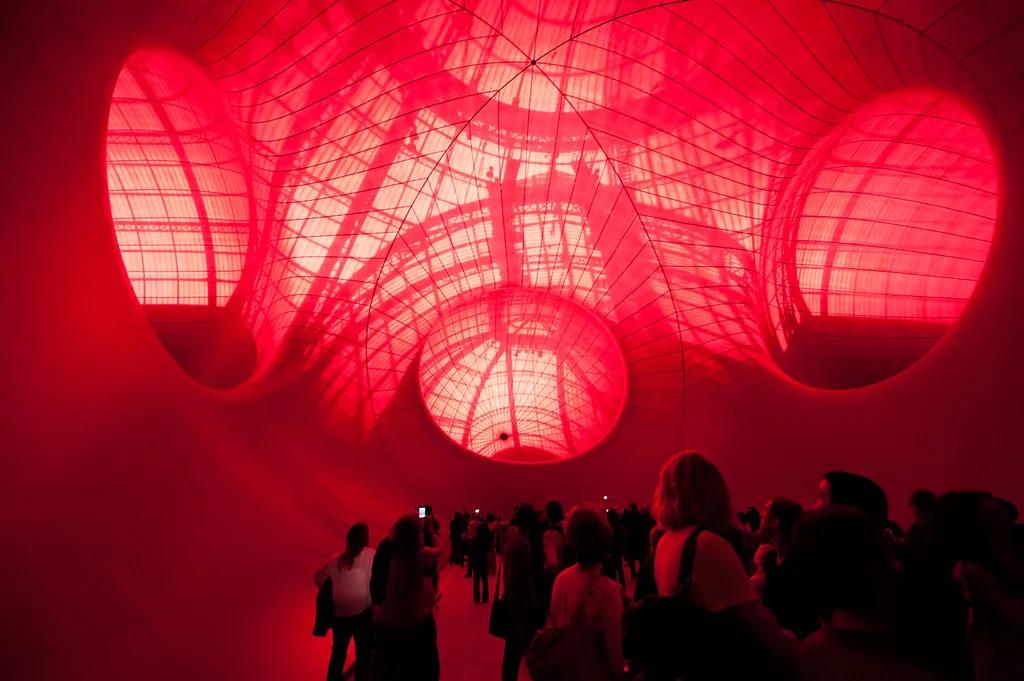
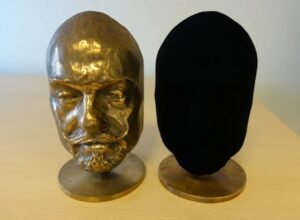
Stuart Semple and Anish Kapoor even turned color into a debate about ownership and access.
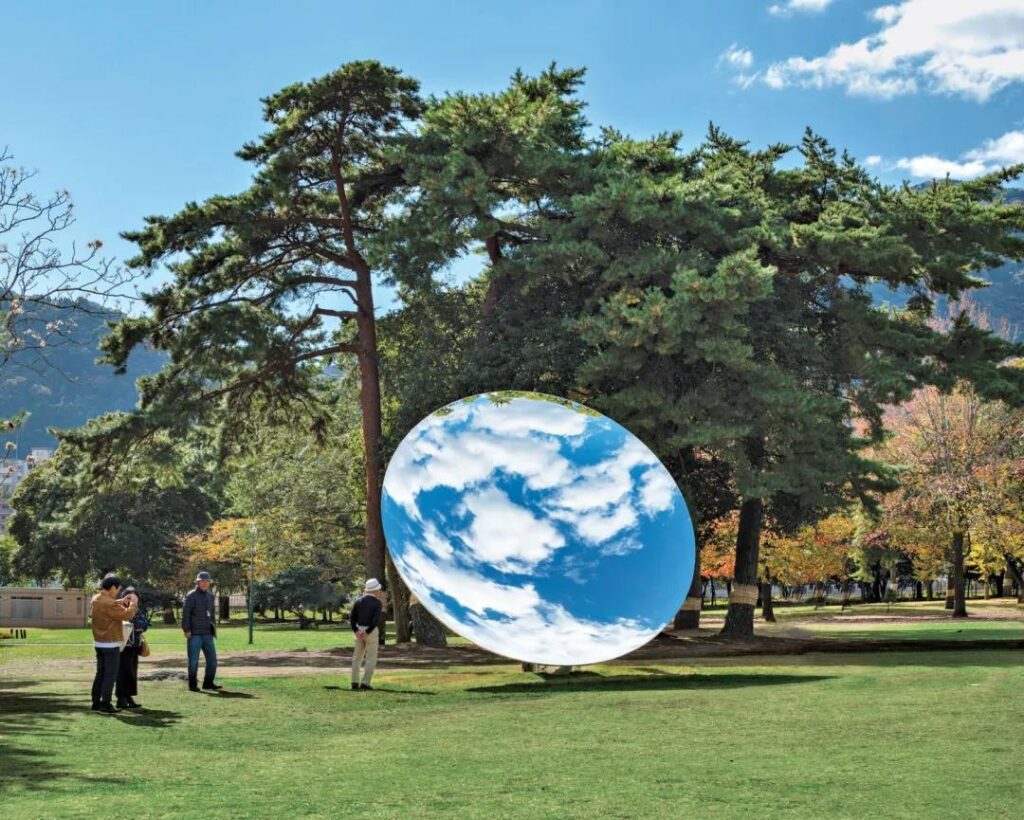
Kapoor is maybe most well known for the Chicago Bean sculpture, known by less as Cloud Gate in Millennium Park Plaza, Chicago. Kapoor decided he wanted to own a color, so he acquired exclusive artistic rights to a super-black paint material called Vantablack.
In natural petty artist fashion, Semple rebelled the idea that a single artist could own a color. Semple made it his “mission to democratize art materials and make vibrant colors available to everyone,” according Hustle Culture paints. So in late 2016, Semple released a paint and called it “PINK – the world’s pinkest pink paint” and then subsequently banned Kapoor from ever purchasing the paint.
My favorite part of the story: In June 2024, Semple legally changed his name to Anish Kapoor.
Real artists don’t just decorate. They question systems. They challenge expectations.
Art is trying new methods even when it makes people uncomfortable.
Art is tension pushing culture forward.
Table of Contents
Art is Challenging Power
Art is inherently political because it either supports existing systems or resists them.
There really isn’t a neutral middle. Even when art claims to be “just beautiful,” it still reflects who funded it, who it was made for, and whose story it tells.
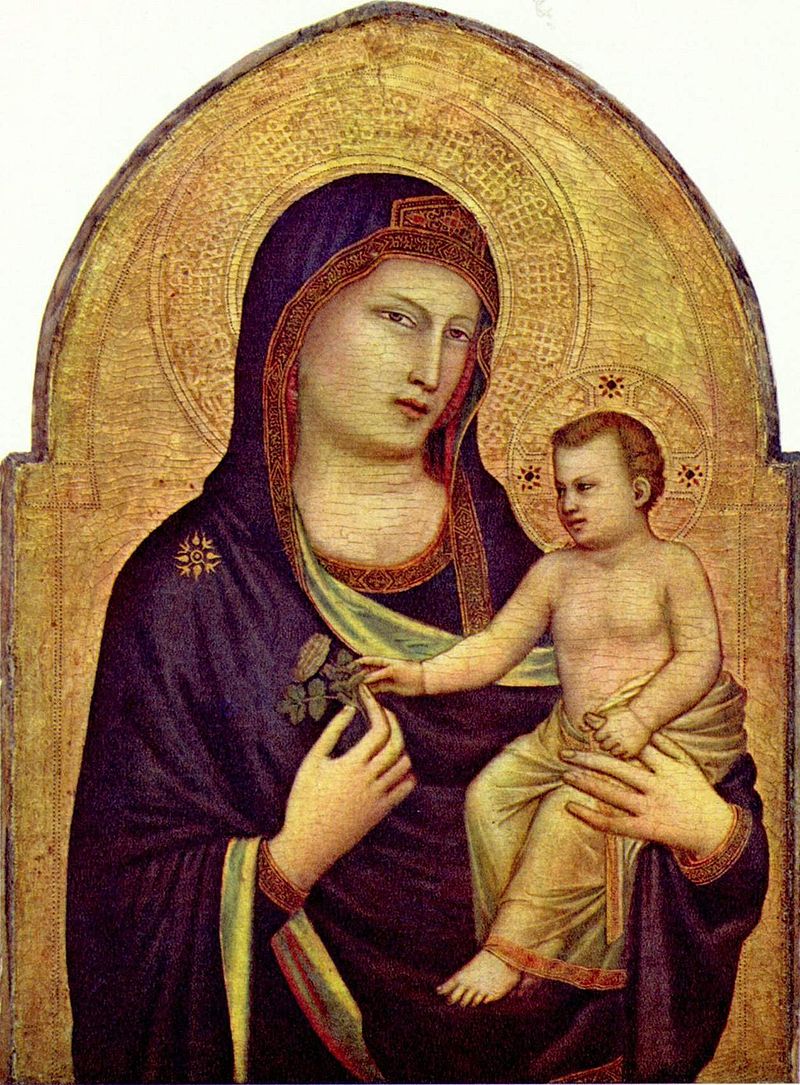
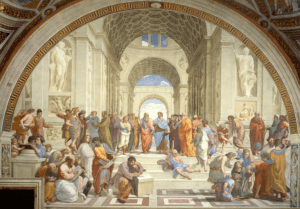
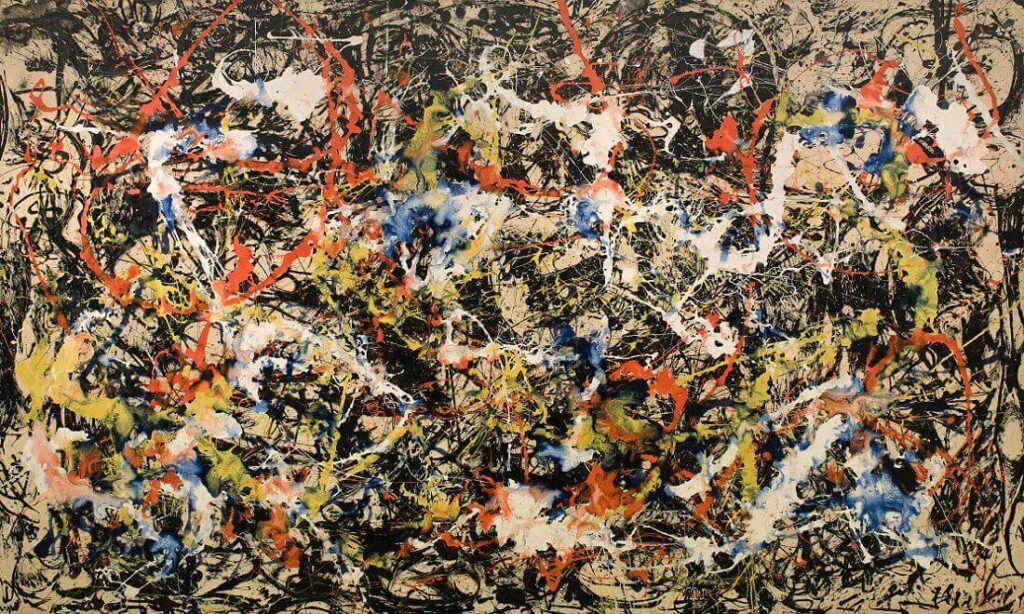
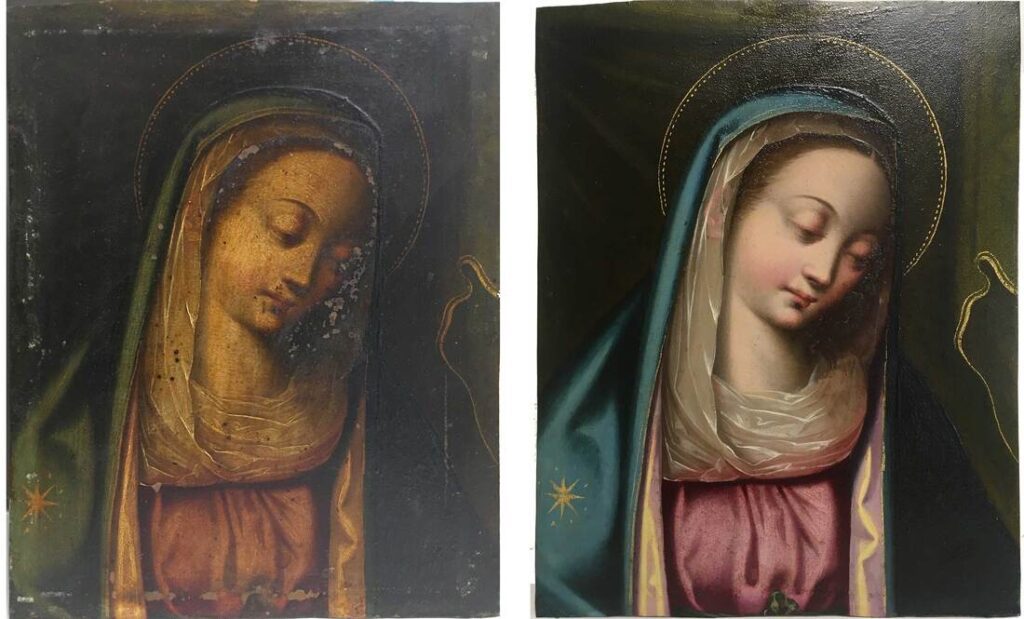
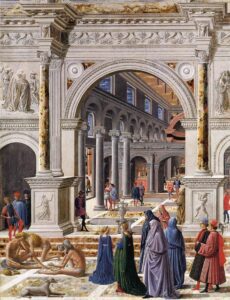
During the Renaissance, much of the most celebrated work was funded by the Church and European monarchies. Those paintings weren’t random acts of creativity — they reinforced religious authority, divine right, and hierarchy. They shaped how people understood God, power, and obedience. We call them masterpieces now, but at the time they functioned as messaging tools. Propaganda existed long before the word did (check out my other article on Brainrot Art & Jackson Pollock).
Art is progress
Art moves forward because artists ask hard questions.
- Why does this have to be done this way?
- Who decided that?
- Who benefits?
Maria Brito, a New York–based art advisor and curator, has said that art has always been political because it comes down to choice: Who gets to make it? Who gets to show it? Who gets to own it? Those aren’t neutral questions. They’re about power.
Being an artist isn’t just about making something that looks interesting. It’s about deciding what to say and how to say it. Every creative choice reflects something about the world around us. I know engineers who call themselves artists because they design or code in ways that translate information differently. That shift in communication — choosing to present something in a new way — is creative work.
Real artists don’t just decorate. They question systems. They challenge expectations. They try new methods even when it makes people uncomfortable. That tension is what pushes culture forward. What starts as disruption often becomes growth. And that’s how progress happens.
Art is a form of rebellion
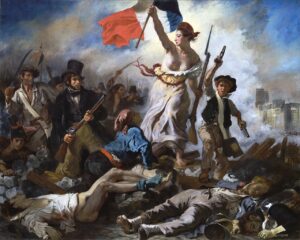
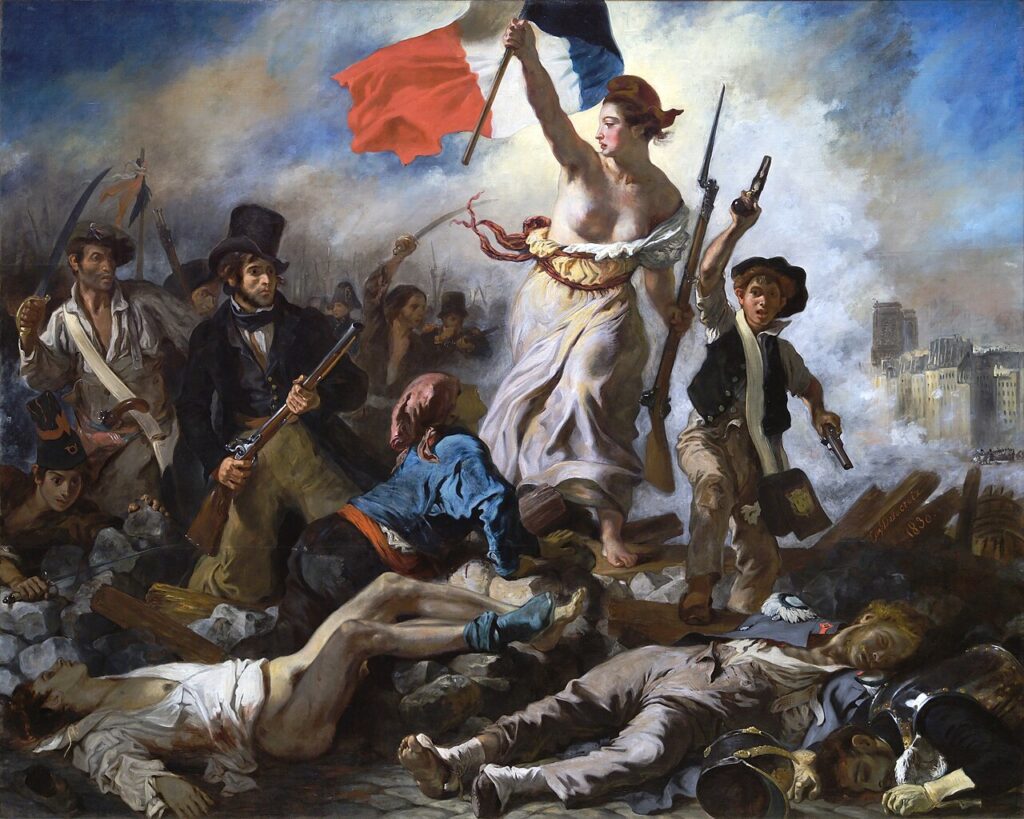
When revolutions began reshaping the Western world, art shifted with them. During the American and French Revolutions, engravings, paintings, and prints circulated images of liberty, martyrdom, and resistance. They were documenting change and giving it fire. Liberty is designed to unify people around an idea.
- Francisco Goya’s The Third of May 1808 did something different. Instead of glorifying war, it exposed its brutality. The faceless firing squad, the terrified civilian with raised hands — it documented state violence in a way that refused to romanticize it. It forced viewers to confront what power looks like when it turns violent.
- Diego Rivera’s murals carried politics onto public walls. He painted workers, factories, farmers — elevating laborers to heroic scale. His work centered class struggle and economic injustice at a time when those conversations were volatile. Because they were public murals, they were accessible. They belonged to the people, not just collectors.
- During World War II, posters became direct tools of persuasion. Governments used bold graphics and slogans to build national identity, encourage enlistment, ration supplies, and shape public morale. Art became strategy. It wasn’t subtle.
- In the Civil Rights Movement, photography shifted public opinion in ways speeches alone could not. Images of peaceful protesters facing violence, children confronting segregation, marchers crossing bridges — those photographs made injustice undeniable. They moved people who might otherwise have looked away.
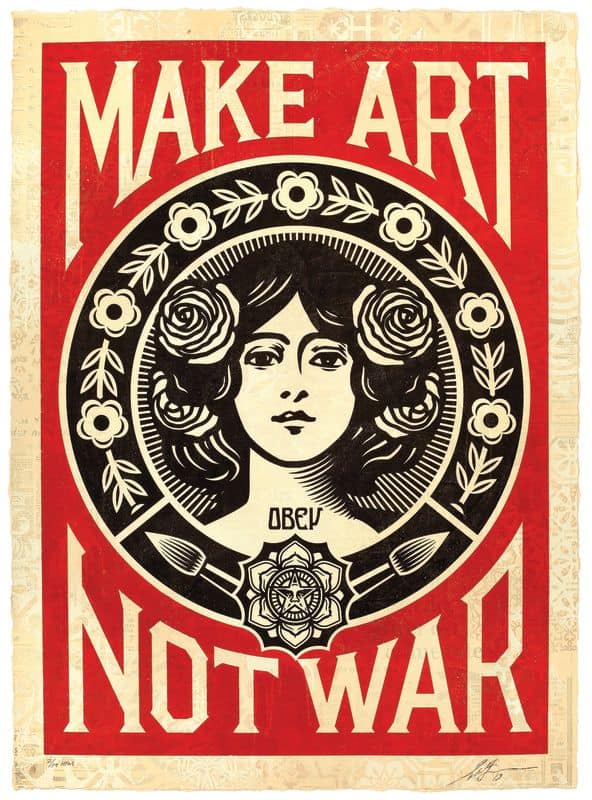
Across centuries, the pattern is clear: Art is either strengthening those in power or challenging them.
Art shapes belief and documents truth. It persuades. It resists.
Whether hanging in a cathedral, printed on a poster, painted on a wall, or captured through a camera lens, art has always been part of the political conversation. Art has always reflected who holds power — and who is fighting it. It tells us who matters and who doesn’t. It decides what stories get preserved.
So if art has always been tied to power, what does that say about today?
The Modern U.S. Political Climate & Fears around Speaking out
Today’s political climate in the United States is tense.
Opinions waver. Headlines escalate. Families disagree. Communities split along ideological lines.
In this kind of environment, making art can feel complicated. The pressure isn’t always loud, but it’s there — in what we choose to say, what we avoid saying, and how much of ourselves we’re willing to reveal.
And social media has done nothing but amplify that pressure.
Artists can reach thousands instantly, but they can also face backlash just as quickly. The fear of being misunderstood, misquoted, or “canceled” is real. One post can shift an audience. One image can spark outrage. When your work lives online, it doesn’t just hang quietly in a gallery — it circulates, it’s screenshotted, it’s debated. That reality makes silence feel safer.
Neutrality feels strategic.
At the same time, corporate branding and monetization shape creative decisions in subtler ways.
Many artists rely on partnerships, sponsorships, or algorithms to sustain their work. That dependence can influence what feels “safe” to create. Artwork that is aesthetic, pleasing, and broadly palatable is rewarded. Artwork that is more vocal or politically specific can feel risky.
Art is Protest in visual form
And yet, outside curated feeds and brand guidelines, protest continues to take visual form.
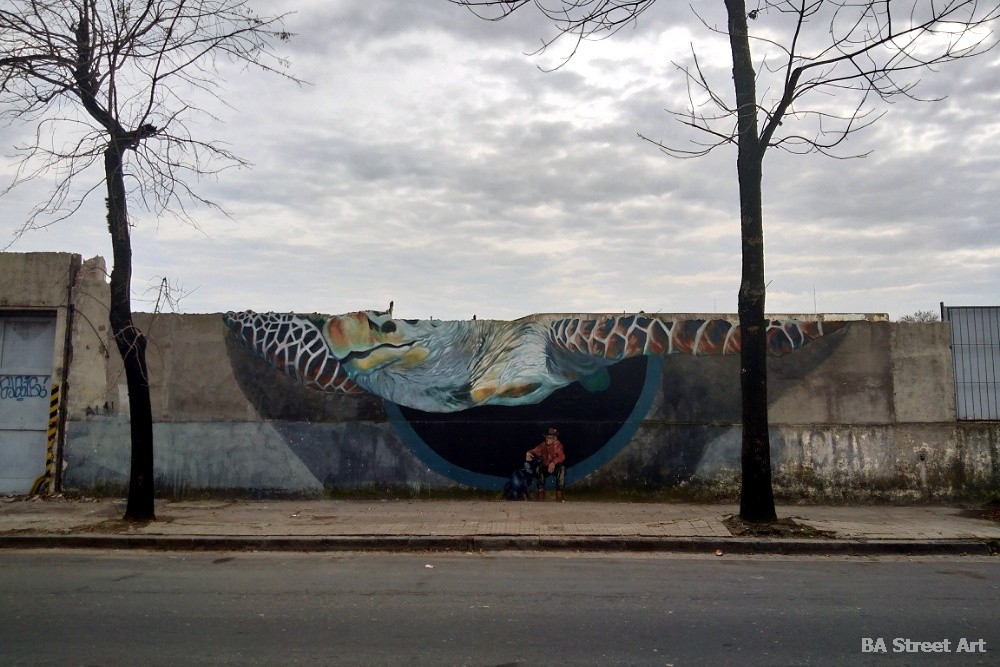
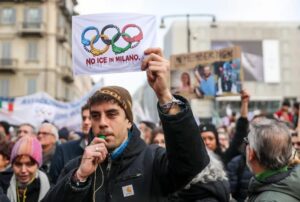
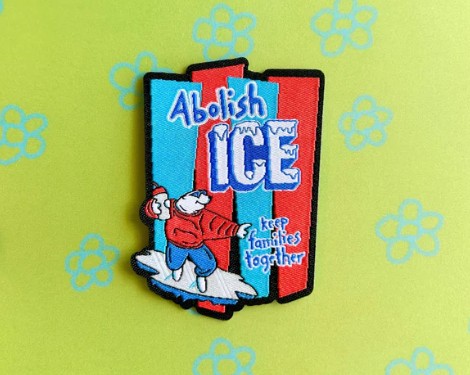
Women’s marches fill streets with handmade signs. Racial justice movements transformed plywood-covered storefronts into murals. LGBTQ+ rights demonstrations flood timelines with bold graphics and reclaimed symbols. Reproductive rights protests carry typography that spreads across cities in hours.
Protest art today is immediate — cardboard, spray paint, digital illustration, viral design.
It travels fast. It speaks before policy changes.
Artists express culture, even when it is divided and reactive. Photographers capture history that reminds us that art can emerge from instability. War, revolution, civil unrest — these periods have repeatedly produced work that was urgent, uncomfortable, and necessary. The art that endures is rarely the art that tried hardest to offend no one.
Silence can feel protective in a polarized moment. It can preserve followers, partnerships, reputation. But art that avoids discomfort often risks becoming decorative instead of meaningful. To create honestly now requires courage and clarity. But remember, risk has always been played a part in the artist’s role.
To publish, post, exhibit, or even quietly share work that reflects conviction means accepting that not everyone will approve.
B. Eisman, world renowned photographer
How Our Culture Has Changed in How We Value Art
Somewhere along the way, art went from “let’s disrupt the government” to “will this match my living room?”
Paintings are now investment assets and creativity is filtered through Instagram algorithms. ChatGPT gently whispers in your ear, “Have you considered making this more millennial grey?” and you say back “I need acrylic paint markers to be a real artist.”
Art is now optimized, branded, ai generated, and a/b market tested. Essentially, neutralized. Creativity is monetized and “if you don’t make money then you aren’t a real artist.”
Good thing I make money as an artist.
The Shape of Content, by Ben Shahn
I recently finished a book that discusses this idea of an artist’s role to push boundaries. It’s called The Shape of Content by Ben Shahn.
It’s a book of essays based on lectures by the artist at Harvard in 1957. However old, the ideas are not outdated, and I actually found them to be more relevant than ever in 2026. Shahn makes a case that all artists have an unavoidable responsibility to society, and I agree with many online reviews that anyone studying art should make an effort to read this book.
“I have always believed that the character of a society is largely shaped and unified by its great creative works, that a society is molded upon its epics, and that it imagines in terms of its created things—its cathedrals, its works of art, its musical treasures, its literary and philosophical works.“
It’s a reminder that art is not just an aesthetic exercise—it’s how we make meaning, shape memory, and build a shared imagination. It’s how we record what mattered to us, even when words fall short. When the world feels overwhelmed by noise, art quietly insists on depth. It challenges, comforts, questions, and preserves.
Shahn’s essays argue that artists don’t just reflect the world—they help shape its future. And in reading his words, I felt reminded that creativity isn’t a luxury or a hobby, it’s a responsibility. It’s how we leave something behind that speaks for us when we’re no longer here. It’s how we process the destruction of art and the value we assign it.
So paint on big canvases that don’t match couches. Make drawings that aren’t aesthetically pleasing. Force art to elbow its way through sponsorship emails and dashboards to stay alive and keep on kicking.
Conclusion: Art is never neutral
Art remembers what we try to forget. It remembers the injustice. It remembers the courage. It remembers who spoke and who stayed silent.
When we look back at history, we do not remember the neutral. We remember the brave.
There is something quietly tragic about realizing that every era believes it is too complicated, too divided, too fragile for bold expression.
And yet, history moves forward because someone painted anyway.
Someone wrote anyway.
Someone marched anyway.
Maybe the real question is not whether art is political.
Maybe the question is whether we are willing to let our art be our voice.
And years from now, when someone looks back at this moment in the U.S., what will they see? Silence? Or a voice?
Art Is Never Neutral Read More »