AI art

Art Is Never Neutral

Art is never neutral.

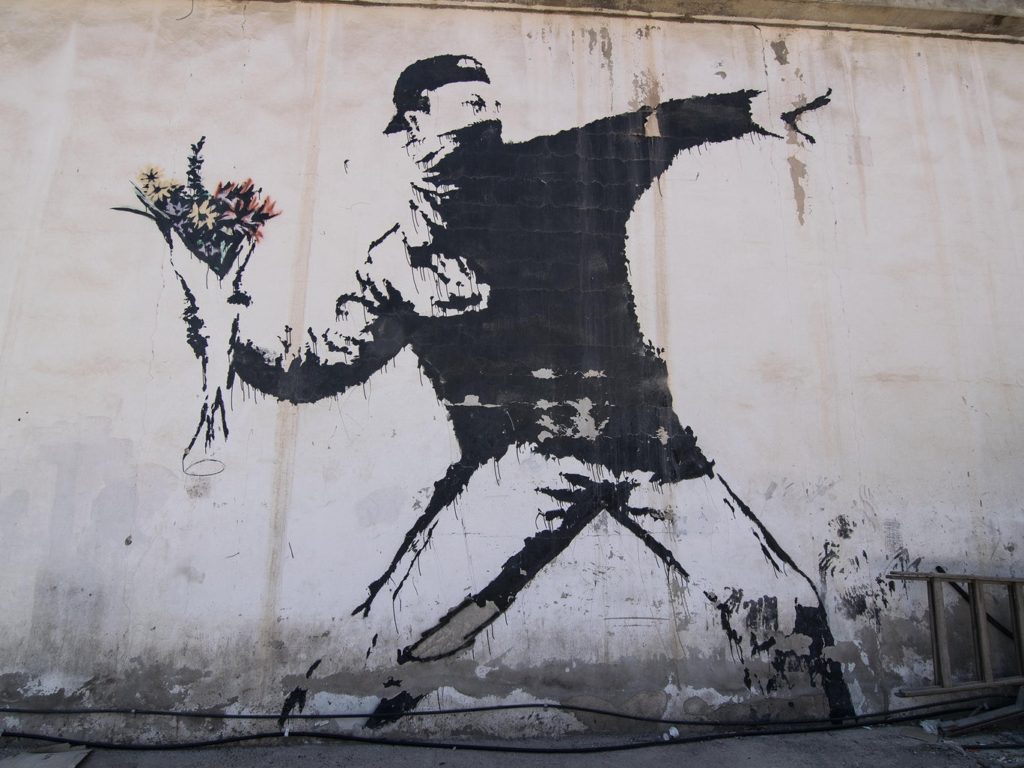
From ancient murals to protest posters. Or Banksy’s contemporary graffiti. Art is expressive and has always told a story of power, resistance, value, and rebellion. In the tense political climate in the United States, artists are once again confronted with a choice: remain silent or create bravely.

“Somewhere along the way, art went from ‘let’s disrupt the government’ to ‘will this match my living room?’”
B. Eisman, February 2026
Tweet

To make art is to reveal what you believe — and history shows that when society shifts, art becomes both a witness and a weapon.
Intro: Just a quick art history lesson…

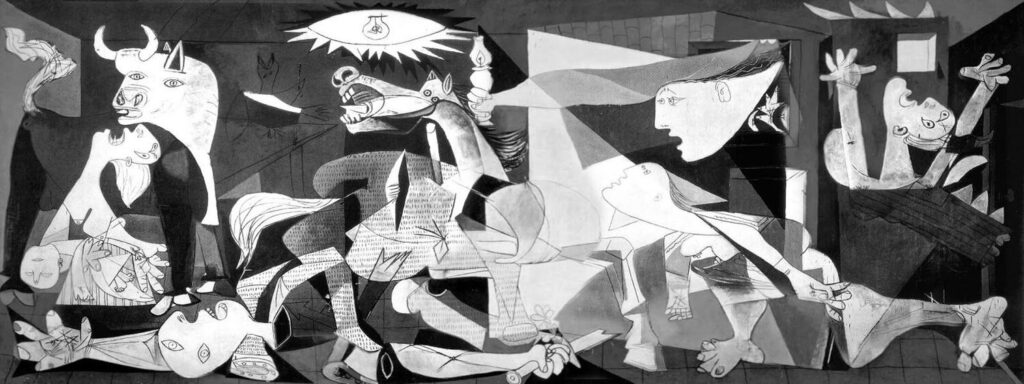
Picasso questioned what a portrait was supposed to look like. Banksy’s work “influence[s] the viewer…or simply opens someone’s eyes to contemporary problems,” expertly put by Sara M. White in her analysis of concrete rebellion.

Artists have always been at the forefront of movements for justice, equality, and freedom, using their work to highlight societal issues and provoke action. The Harlem Renaissance of the 1920s is a perfect example of this. This cultural movement was not just about creating beautiful works of art; it was about redefining African American identity, celebrating Black culture, and challenging the racist stereotypes that had dominated American society for centuries.

This kind of art isn’t just about aesthetics—it’s about challenging people to question their assumptions and consider new perspectives. Whether it’s through paintings, music, literature, or performance, art inspires change, making it an essential tool for building a better, more just society.

Art is Pink vs. Black

Stuart Semple and Anish Kapoor even turned color into a debate about ownership and access.

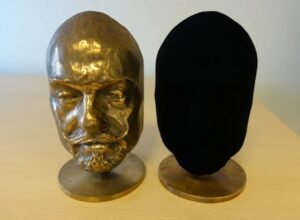
Kapoor is maybe most well known for the Chicago Bean sculpture, known by less as Cloud Gate in Millennium Park Plaza, Chicago. Kapoor decided he wanted to own a color, so he acquired exclusive artistic rights to a super-black paint material called Vantablack

In natural petty artist fashion, Semple rebelled the idea that a single artist could own a color. Semple made it his “mission to democratize art materials and make vibrant colors available to everyone,” according Hustle Culture paints. So in late 2016, Semple released a paint and called it “PINK – the world’s pinkest pink paint” and then subsequently banned Kapoor from ever purchasing the paint.

My favorite part of the story: In June 2024, Semple legally changed his name to Anish Kapoor.
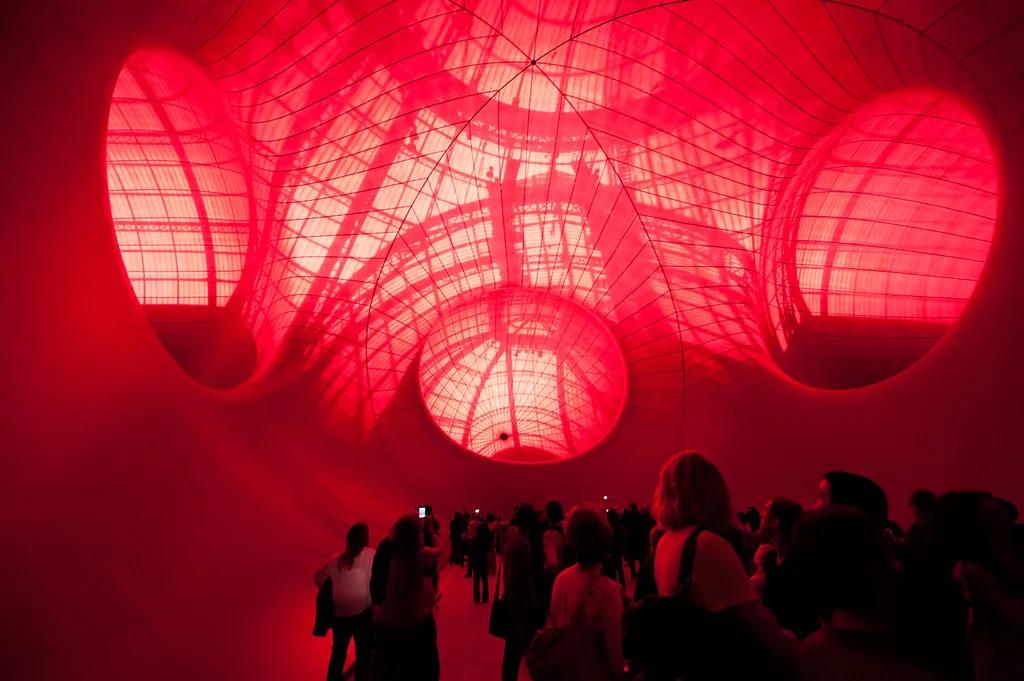
Pinkest Pink by Anish Kapoor aka Stuart Semple

Real artists don’t just decorate. They question systems. They challenge expectations.

Art is trying new methods even when it makes people uncomfortable.

Art is tension pushing culture forward.

Art is Challenging Power

Art is inherently political because it either supports existing systems or resists them.

There really isn’t a neutral middle. Even when art claims to be “just beautiful,” it still reflects who funded it, who it was made for, and whose story it tells.

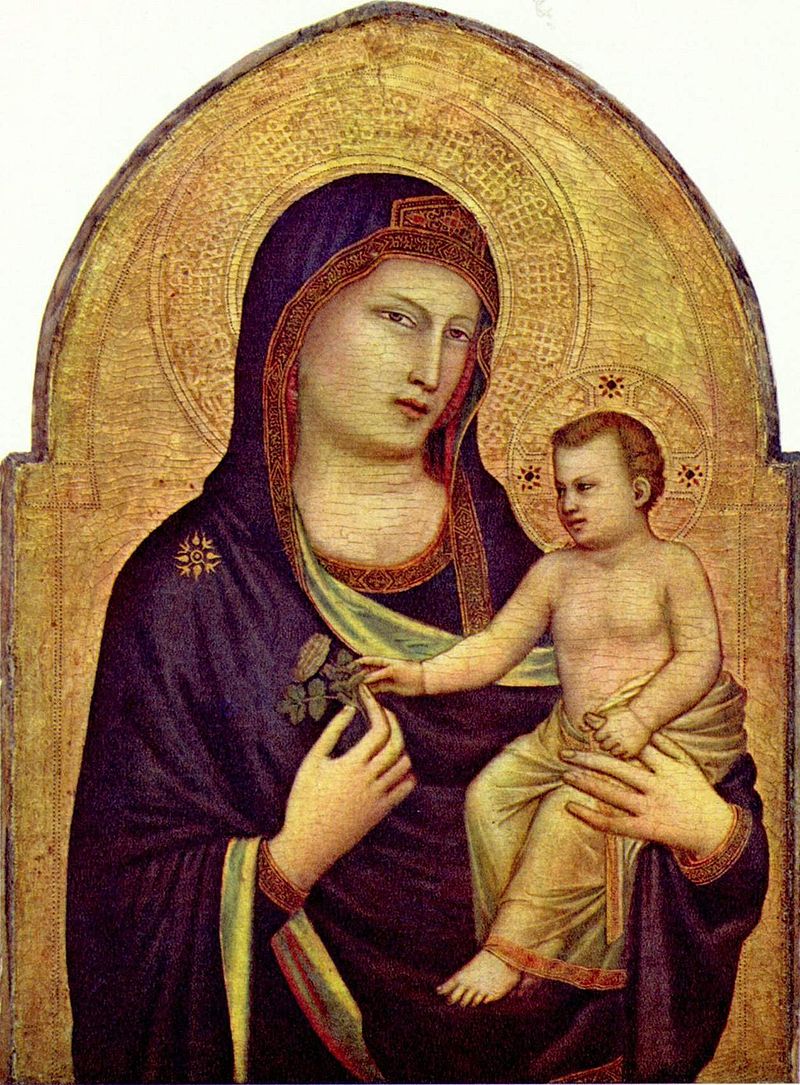
During the Renaissance, much of the most celebrated work was funded by the Church and European monarchies. Those paintings weren’t random acts of creativity — they reinforced religious authority, divine right, and hierarchy. They shaped how people understood God, power, and obedience. We call them masterpieces now, but at the time they functioned as messaging tools. Propaganda existed long before the word did (check out my other article on Brainrot Art & Jackson Pollock).
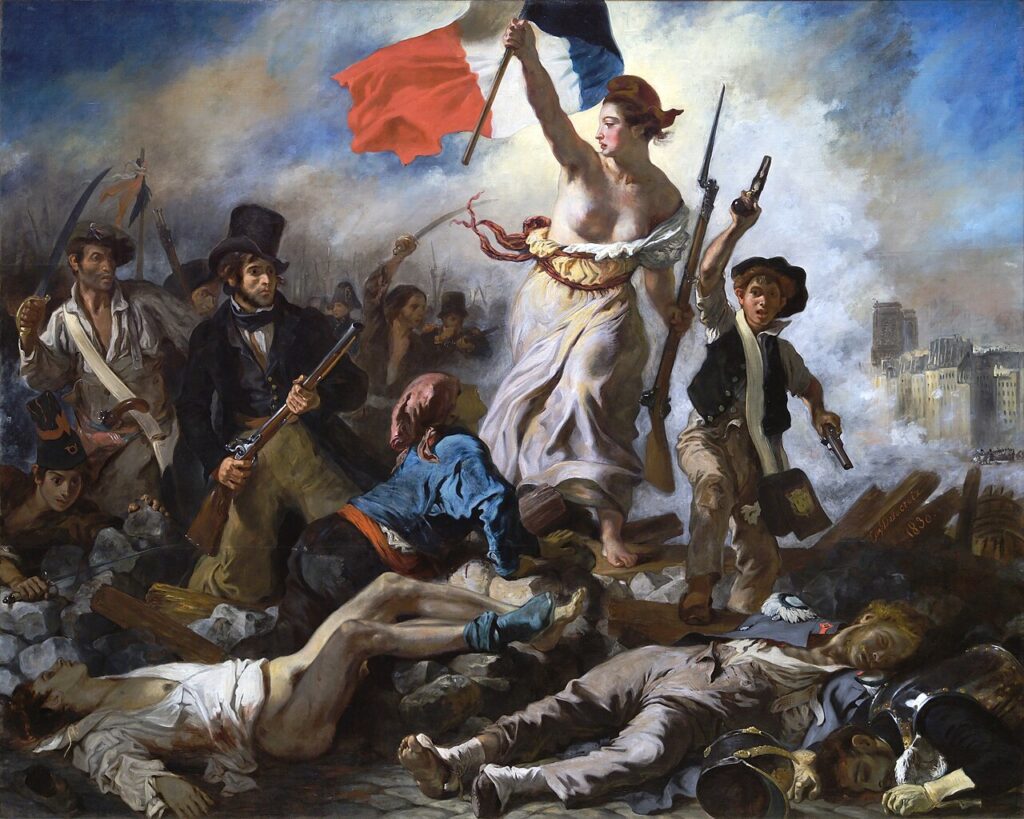
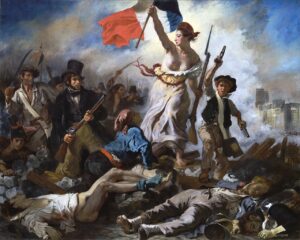
Lady Liberty Leading the People - Delacroix political art
Liberty Leading the People by Delacroix

Art is progress

Art moves forward because artists ask hard questions.

  • Why does this have to be done this way?
  • Who decided that?
  • Who benefits?

Maria Brito, a New York–based art advisor and curator, has said that art has always been political because it comes down to choice: Who gets to make it? Who gets to show it? Who gets to own it? Those aren’t neutral questions. They’re about power.
Being an artist isn’t just about making something that looks interesting. It’s about deciding what to say and how to say it. Every creative choice reflects something about the world around us. I know engineers who call themselves artists because they design or code in ways that translate information differently. That shift in communication — choosing to present something in a new way — is creative work.

Real artists don’t just decorate. They question systems. They challenge expectations. They try new methods even when it makes people uncomfortable. That tension is what pushes culture forward. What starts as disruption often becomes growth. And that’s how progress happens.

Art is a form of rebellion

When revolutions began reshaping the Western world, art shifted with them. During the American and French Revolutions, engravings, paintings, and prints circulated images of liberty, martyrdom, and resistance. They were documenting change and giving it fire. Liberty is designed to unify people around an idea.

  • Francisco Goya’s The Third of May 1808 did something different. Instead of glorifying war, it exposed its brutality. The faceless firing squad, the terrified civilian with raised hands — it documented state violence in a way that refused to romanticize it. It forced viewers to confront what power looks like when it turns violent.
  • Diego Rivera’s murals carried politics onto public walls. He painted workers, factories, farmers — elevating laborers to heroic scale. His work centered class struggle and economic injustice at a time when those conversations were volatile. Because they were public murals, they were accessible. They belonged to the people, not just collectors.
  • During World War II, posters became direct tools of persuasion. Governments used bold graphics and slogans to build national identity, encourage enlistment, ration supplies, and shape public morale. Art became strategy. It wasn’t subtle.
  • In the Civil Rights Movement, photography shifted public opinion in ways speeches alone could not. Images of peaceful protesters facing violence, children confronting segregation, marchers crossing bridges — those photographs made injustice undeniable. They moved people who might otherwise have looked away.
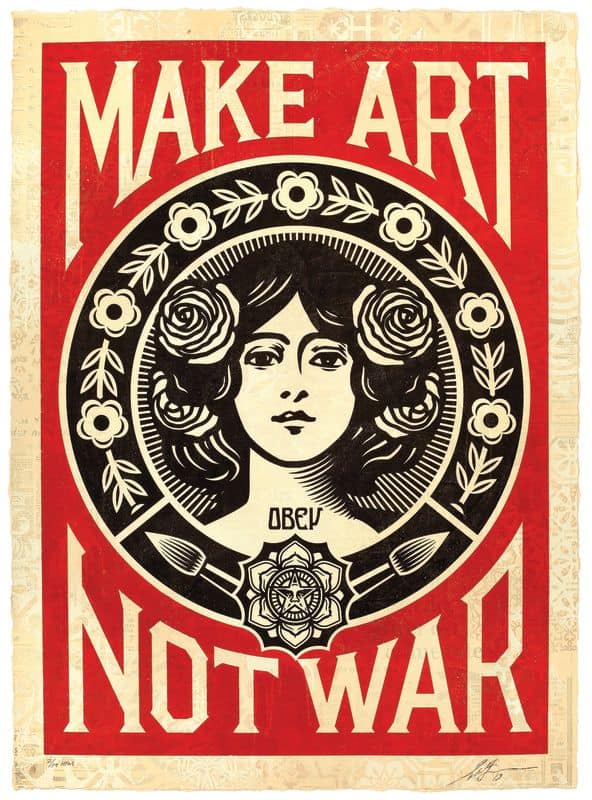
make art not war shepard fairey political poster
Make Art Not War by Shepard Fairey

Across centuries, the pattern is clear: Art is either strengthening those in power or challenging them.

Art shapes belief and documents truth. It persuades. It resists.

Whether hanging in a cathedral, printed on a poster, painted on a wall, or captured through a camera lens, art has always been part of the political conversation. Art has always reflected who holds power — and who is fighting it. It tells us who matters and who doesn’t. It decides what stories get preserved.

So if art has always been tied to power, what does that say about today?

The Modern U.S. Political Climate & Fears around Speaking out

@odesso

made out of the redacted parts. 113 layers, made in photoshop. #dubaichocolate #digitalcollage #collage

♬ Dancing and Blood – Low

Today’s political climate in the United States is tense.

Opinions waver. Headlines escalate. Families disagree. Communities split along ideological lines.

In this kind of environment, making art can feel complicated. The pressure isn’t always loud, but it’s there — in what we choose to say, what we avoid saying, and how much of ourselves we’re willing to reveal.

And social media has done nothing but amplify that pressure.

Artists can reach thousands instantly, but they can also face backlash just as quickly. The fear of being misunderstood, misquoted, or “canceled” is real. One post can shift an audience. One image can spark outrage. When your work lives online, it doesn’t just hang quietly in a gallery — it circulates, it’s screenshotted, it’s debated. That reality makes silence feel safer.

Neutrality feels strategic.

At the same time, corporate branding and monetization shape creative decisions in subtler ways.

Many artists rely on partnerships, sponsorships, or algorithms to sustain their work. That dependence can influence what feels “safe” to create. Artwork that is aesthetic, pleasing, and broadly palatable is rewarded. Artwork that is more vocal or politically specific can feel risky.
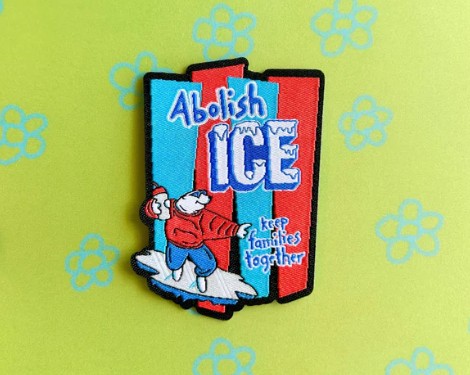
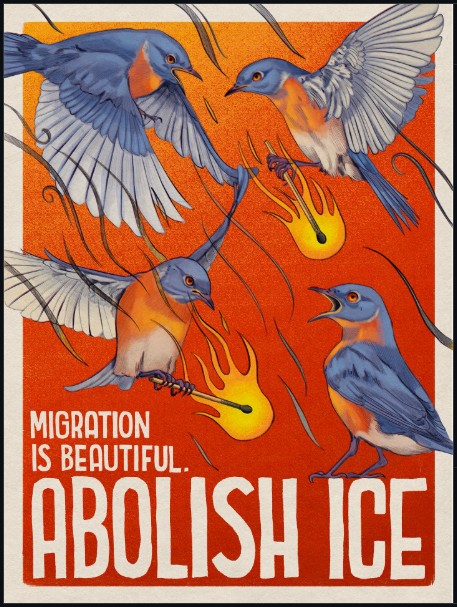
Abolish ICE Iron-On Patch
Cool Patch for purchase at Humboldt House

Art is Protest in visual form

And yet, outside curated feeds and brand guidelines, protest continues to take visual form.

Women’s marches fill streets with handmade signs. Racial justice movements transformed plywood-covered storefronts into murals. LGBTQ+ rights demonstrations flood timelines with bold graphics and reclaimed symbols. Reproductive rights protests carry typography that spreads across cities in hours.

Protest art today is immediate — cardboard, spray paint, digital illustration, viral design.

It travels fast. It speaks before policy changes.

Artists express culture, even when it is divided and reactive. Photographers capture history that reminds us that art can emerge from instability. War, revolution, civil unrest — these periods have repeatedly produced work that was urgent, uncomfortable, and necessary. The art that endures is rarely the art that tried hardest to offend no one.

Silence can feel protective in a polarized moment. It can preserve followers, partnerships, reputation. But art that avoids discomfort often risks becoming decorative instead of meaningful. To create honestly now requires courage and clarity. But remember, risk has always been played a part in the artist’s role.

To publish, post, exhibit, or even quietly share work that reflects conviction means accepting that not everyone will approve.

B. Eisman, world renowned photographer

@editsbyelsa

Alysa Liu, you’re a genius 🖼️✨ · Promise – Laufey 🕰️ —— #alysaliuedit #alysaliu #laufey #laufeyedit #mixedmedia —— @laufeyland @frigouscigous @laufeyfan

♬ son original – elsa

How Our Culture Has Changed in How We Value Art

Somewhere along the way, art went from “let’s disrupt the government” to “will this match my living room?”

Paintings are now investment assets and creativity is filtered through Instagram algorithms. ChatGPT gently whispers in your ear, “Have you considered making this more millennial grey?” and you say back “I need acrylic paint markers to be a real artist.”

Art is now optimized, branded, ai generated, and a/b market tested. Essentially, neutralized. Creativity is monetized and “if you don’t make money then you aren’t a real artist.”

Good thing I make money as an artist.
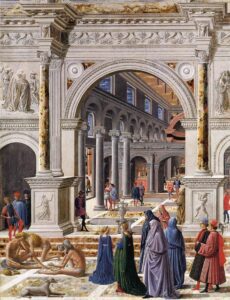
The Shape of Content, by Ben Shahn

I recently finished a book that discusses this idea of an artist’s role to push boundaries. It’s called The Shape of Content by Ben Shahn.

It’s a book of essays based on lectures by the artist at Harvard in 1957. However old, the ideas are not outdated, and I actually found them to be more relevant than ever in 2026. Shahn makes a case that all artists have an unavoidable responsibility to society, and I agree with many online reviews that anyone studying art should make an effort to read this book.

I have always believed that the character of a society is largely shaped and unified by its great creative works, that a society is molded upon its epics, and that it imagines in terms of its created things—its cathedrals, its works of art, its musical treasures, its literary and philosophical works.

Ben Shahn, The Shape of Content

It’s a reminder that art is not just an aesthetic exercise—it’s how we make meaning, shape memory, and build a shared imagination. It’s how we record what mattered to us, even when words fall short. When the world feels overwhelmed by noise, art quietly insists on depth. It challenges, comforts, questions, and preserves.

Shahn’s essays argue that artists don’t just reflect the world—they help shape its future. And in reading his words, I felt reminded that creativity isn’t a luxury or a hobby, it’s a responsibility. It’s how we leave something behind that speaks for us when we’re no longer here. It’s how we process the destruction of art and the value we assign it.

So paint on big canvases that don’t match couches. Make drawings that aren’t aesthetically pleasing. Force art to elbow its way through sponsorship emails and dashboards to stay alive and keep on kicking.
Conclusion: Art is never neutral

Art remembers what we try to forget. It remembers the injustice. It remembers the courage. It remembers who spoke and who stayed silent.

When we look back at history, we do not remember the neutral. We remember the brave.

There is something quietly tragic about realizing that every era believes it is too complicated, too divided, too fragile for bold expression.

And yet, history moves forward because someone painted anyway.

Someone wrote anyway.

Someone marched anyway.
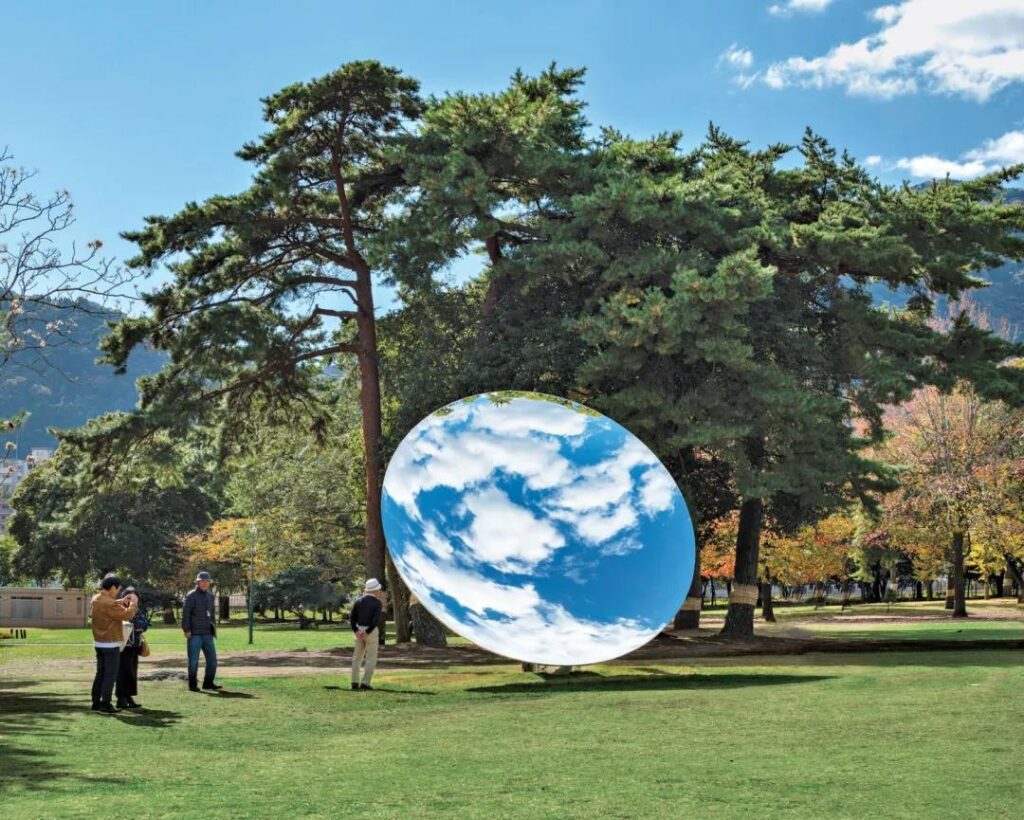
annish kapoor
Sky Mirror by Anish Kapoor

Maybe the real question is not whether art is political.

Maybe the question is whether we are willing to let our art be our voice.

And years from now, when someone looks back at this moment in the U.S., what will they see? Silence? Or a voice?

Art Is Never Neutral Read More »

100 Inspiring Quotes About All Types of Art

Art has a way of saying the things we can’t quite put into words.

Whether you’re sketching in the margins of a notebook, layering paint on canvas, editing photos at midnight, or wandering through a museum just to feel something shift inside you, art meets us where language falls short. Sometimes, all it takes is a single sentence to unlock a new way of seeing—or to remind us why we started creating in the first place.

That’s where quotes about art and painting come in. They capture the shared experience of artists across time: the doubt, the obsession, the joy, the quiet persistence. These quotes aren’t just decorative words—they’re creative compatriots. They sit beside you in the studio, whisper encouragement when a piece isn’t working, and remind you that uncertainty is part of the process.

This collection of quotes about art and painting is designed to inspire artists of every kind—painters, illustrators, photographers, designers, sculptors, journalers, and creatives who don’t fit neatly into one box. You’ll find well-known voices alongside lesser-known artists whose words feel deeply lived-in and honest. Whether you’re here to spark an idea, find motivation, or simply feel less alone in your creative practice, this page is meant to be returned to again and again.

“Photographers capture the truth of light.”

B. Eisman 2026
peru amazon jungle photography by brianna eisman
Camping in the Amazon jungle in Northern Peru by Brianna Eisman

Quotes About Art & Drawing

“Drawing is the honesty of the art. There is no possibility of cheating.” — Salvador Dalí

“A line is a dot that went for a walk.” — Paul Klee

“Drawing is not what one sees, but what one can make others see.” — Edgar Degas

“Drawing is thinking on paper.” — Saul Steinberg

“Every artist was first an amateur.” — Ralph Waldo Emerson

“Sketching is a way of asking questions without needing immediate answers.” — Jessica Hische, lettering artist

“Drawing teaches you how to really look.” — Dana Schutz

“Your sketchbook is a place to be wrong safely.” — Austin Kleon

“Drawing connects the hand to the mind in a way nothing else does.” — Peter Han, concept artist

“Sometimes the sketch holds more truth than the finished piece.” — Cathy Johnson, artist and art educator

Quotes About Art & Painting

“I dream my painting, and then I paint my dream.” — Vincent van Gogh

“Painting is poetry that is seen rather than felt.” — Leonardo da Vinci

“A painting is never finished—it simply stops in interesting places.” — Paul Gardner

“I shut my eyes in order to see.” — Paul Gauguin

“Color is my day-long obsession, joy, and torment.” — Claude Monet

“I shut my eyes in order to see.” — Paul Gauguin

“Painting is about trusting yourself enough to begin.” — Lisa Congdon

“Every canvas is an opportunity to forgive the last one.” — Chuck Close

“Paint what you feel, not what you think you should.” — Cecily Brow

“Art should comfort the disturbed and disturb the comfortable.” — Banksy (Check out my photos of Banksy’s work)

“Painting is an act of faith.” — Gerhard Richter

Quotes About Art & Sculpture

“I saw the angel in the marble and carved until I set him free.” — Michelangelo

“Sculpture is the art of the intelligence.” — Pablo Picasso

“Sculpture is made by taking away.” — Antoine-Louis Barye

“Materials have their own opinions.” — Eva Hesse

“Clay remembers every touch.” — Peter Voulkos, ceramic artist

“Sculpture exists in the space we share with it.” — Antony Gormley

“Form is emotion slowed down.” — Barbara Hepworth

“Sculpture teaches patience through resistance.” — Andy Goldsworthy

“You learn by listening to the material.” — Isamu Noguchi

“Space is as important as solid form.” — Henry Moore

Quotes About Art & Photography

“A photograph is a secret about a secret.” — Diane Arbus

“The camera is an instrument that teaches people how to see.” — Dorothea Lange

“Photography is the story I fail to put into words.” — Destin Sparks

“You don’t take a photograph, you make it.” — Ansel Adams

“Light makes the photograph.” — George Eastman

“Photography is about paying attention.” — Alex Webb

“Sometimes the blur tells the truth.” — Jonathan Topping, film photographer

“A camera is a diary with no eraser.” — Henri Cartier-Bresson

“Blur can be more honest than sharpness.” — Daido Moriyama

“Photographs feel like memories we didn’t live.” — Gregory Crewdson

Quotes About Art & Graphic Design

“Design is intelligence made visible.” — Alina Wheeler

“Good design is obvious. Great design is transparent.” — Joe Sparano

“Design is thinking made visual.” — Saul Bass

“White space is breathing room.” — Khoi Vinh

“Design is how it works, not just how it looks.” — Steve Jobs

“Clarity beats cleverness.” — Ellen Lupton

“Design is problem solving with empathy.” — Mike Monteiro

“A logo is not a brand—it’s a doorway.” — Debbie Millman (Check out her podcast, Design Matters! It’s one of the first, longest running and most respected podcasts in the world)

“Consistency is a form of respect.” — Pentagram Design Group

“Design should feel effortless, even when it isn’t.” — Paula Scher

Quotes About Art & Game Design

“Games are the most elevated form of investigation.” — Albert Einstein

“A game is a series of interesting choices.” — Sid Meier

“Play is the highest form of research.” — Stuart Brown

“Players remember feelings, not mechanics.” — Jenova Chen

“Game design is empathy expressed through systems.” — Eric Zimmerman

“Failure should be fun.” — Raph Koster

“Games teach through experience, not instruction.” — Jane McGonigal

“A good game respects the player’s intelligence.” — Shigeru Miyamoto

“Design for curiosity first.” — Brenda Romero

“Rules create meaning.” — Jesper Juul

Quotes About Art & Art History

“Art is a lie that makes us realize truth.” — Pablo Picasso

Every artist is shaped by their time.” — Ernst Gombrich

“Art history is a conversation, not a timeline.” — Linda Nochlin

“The past is never silent.” — John Berger

“To study art is to study humanity.” — E.H. Gombrich

“Movements are born from resistance.” — T.J. Clark

“Style is a response to culture.” — Rosalind Krauss

“Art history is full of rule breakers.” — Griselda Pollock

“Context changes everything.” — Hal Foster

“Nothing radical exists in isolation.” — Aby Warburg

Quotes About Art & Museums

“Museums are time machines.” — Orhan Pamuk

“Art belongs to everyone.” — Ai Weiwei

“You don’t have to understand art to feel it.” — Agnes Martin

“Museums teach us how to look slowly.” — Teju Cole

“Galleries are spaces for listening.” — Hans Ulrich Obrist

“Museums remind us we are not alone in time.” — Rebecca Solnit

“Every wall has a voice.” — Thelma Golden

“Museums hold questions, not answers.” — Glenn Lowry

“Art needs space to breathe.” — Ellsworth Kelly

“A gallery visit is a conversation across centuries.” — Jerry Saltz

Quotes About Art, Journaling, & Creative Reflection

“Your journal is a judgment-free zone.” — Lynda Barry

“Creativity grows in private first.” — Julia Cameron

“Write what you notice.” — Natalie Goldberg

“A journal is where art begins quietly.” — Keri Smith

“Messy pages are honest pages.” — Austin Kleon

“Reflection is part of the practice.” — Sark

“Your sketchbook is allowed to be imperfect.” — Danny Gregory

“Pages are patient.” — Anne Lamott

“Journaling is drawing with words.” — Shauna Niequist

“Your thoughts deserve space.” — Brené Brown

How to Create Your Own Inspirational Paintings

If reading quotes about art and painting sparks the urge to create, lean into it. You don’t need expensive tools, just a few reliable supplies and permission to experiment.

Here are my suggestions for art supplies to create a painting in acrylic paint:

Try painting one quote as a visual concept—use color, shapes, or mood instead of literal words. Let the quote guide the feeling, not the outcome. This is about expression, not perfection.

Final Thoughts on Quotes About Art

Quotes don’t replace practice, but they can reignite it. The right words can pull you out of a creative rut, soften your inner critic, or remind you that every artist you admire once stood exactly where you are now. These quotes about art and painting are proof that uncertainty, experimentation, and growth are universal parts of making art.

Creativity isn’t a straight line, and it was never meant to be. Some days you’ll feel inspired and confident; other days, you’ll question everything. Let these quotes serve as gentle reminders that showing up matters more than perfection—and that your work doesn’t need to look like anyone else’s to be meaningful.

Bookmark this page. Highlight your favorites. Paint from them. Journal about them. Let them sit quietly in the background of your studio or creative space. Art is made in moments both loud and subtle, and sometimes inspiration arrives simply by reading the words of someone who understands the process.

Most of all, remember this: your perspective is already enough. Keep creating, keep experimenting, and keep trusting that your voice—like the artists quoted here—deserves to exist in the world.

Like this article? Get Updated when I write the next one:

Subscription Form

AI AI art art art advice art drawings art history Artificial intelligence artsy artsy drawings artsydrawings art tips artwork Banksy brianna eisman bujo bullet journal color wheel Contemporary art craft crafting crafts Creativity Cubism design diy drawing drawings drawing tips drawing tips for beginners eisman Impressionism Inspiration journal landscapes painting paintings painting tips pencil scrapbooking sketchbook social media Surrealism Traditional art visual art words to describe art

100 Inspiring Quotes About All Types of Art Read More »
The Ins & Outs of 2026: Artsy Trends Forecast

Every January, the internet hits refresh and somehow finds a new “right” way to make art. A right aesthetic. A right color palette. A right overpriced art supplies. Sure, it’s fun to check out Pinterest’s artsy trends and laugh at the irony of Pantone’s 2026 Color of the Year. But if the internet brought you here, I think you’re looking for something a little more than just artsy trends.

At Artsy Drawings, we’re starting 2026 with intention to create art that moves and communicates. Please still make fun silly crafts, but please do it in a way that saves you time, energy, and money. I’m not going to give advice or say the artsy trends are to buy the next new art kit, because let’s face it — your craft drawer/room is already bursting with supplies.

This is the year you reuse what you already have, make art that feels good to you, and stop side-eyeing yourself (or others) for not keeping up. You don’t have to participate in every trend to be a “real” artist, just like you don’t have to consistently make good art every single time.

Consider this your official Artsy Drawings permission slip as we ring in the new year (cue confetti made of scrap paper!) These are the 2026 Artsy Drawings Ins & Outs—not as commandments, but more like artsy trends guidelines. Take what resonates. Leave what doesn’t. Carry the good energy into the next chapter and have a Happy New Year!

winter solstice ins and outs of 2026 artsy trends

Artsy Trends OF 2026

IN #1: Craft Just for Fun

Not everything needs a deep backstory about your trauma. Sometimes it’s really fun to make art that is pretty, and that’s it. Crafts are meant to spark joy and comfort. From making homemade cards to making silly paintings of your summer slushie, crafts are expressively fun and lighthearted and sometimes that’s all you need. This year, we’re officially done pretending fun needs justification. If it makes you smile while you’re making it, it’s doing its job.

IN #2: Create Imperfect sketchbooks

Your sketchbook or journal is not a performance. It’s not supposed to look like it was printed in a factory or photographed for a brand deal. Smudges, ink spills, coffee marks, and tears mean you used it. Crooked lines mean you are human. Misspelled headers mean you were thinking faster than your pen could keep up. The more “imperfect” your sketchbook is, the more honest it probably is, and for 2026’s artsy trends, honesty beats aesthetic pressure every single time.

IN #3: Reuse Supplies for Multiple Projects

One paint set does not have a single destiny, and I think I still have acrylic paint from high school hiding away because I despise using Cadmium Red.

The new year artsy trends include reusing your art supplies! Using the same supplies across multiple projects isn’t lazy, it’s resourceful, creative, and makes you iconic and sustainable. It forces you to problem-solve and experiment instead of constantly buying something new. Supplies that look worn, ink-stained, and a little chaotic are proof they’re being loved.

IN #4: Be an Artist who Supports Artists

Art thrives in community, not competition. Sharing another artist’s work, tagging designers, crediting inspiration, and buying from small arts markets and shops keeps the creative ecosystem alive. No one loses when artists support each other, everyone grows. This year, we’re choosing collaboration over comparison and cheering louder for people doing cool things.

Speaking of, go check out some of my favorite artists I found this year:

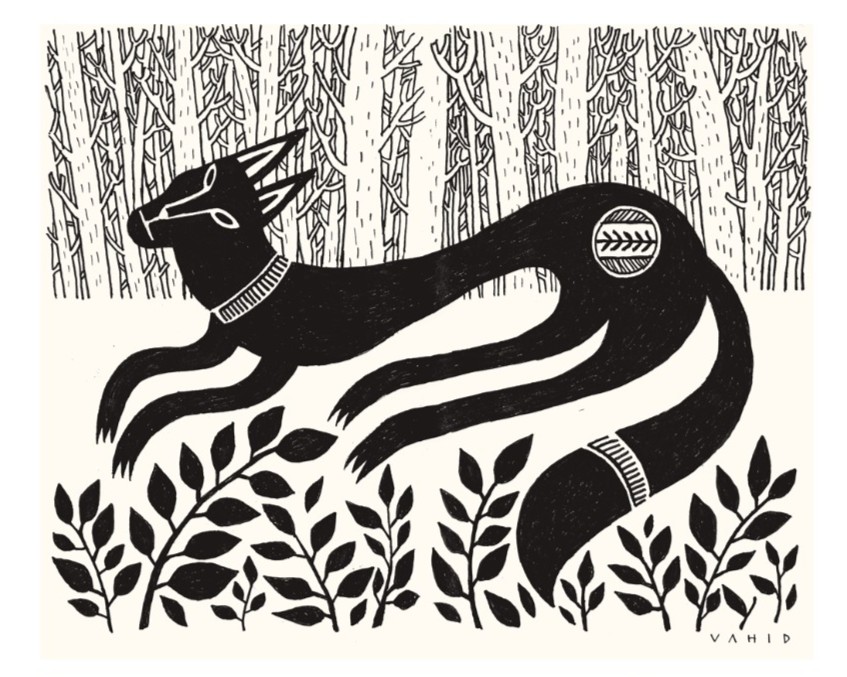
Vahid Fazel – Vahid is an Iranian-Canadian visual artist, filmmaker, and illustrator based in Toronto. According to his website, his artwork “bridges cultural narratives and universal themes through animations, compelling illustrations, and prints.”

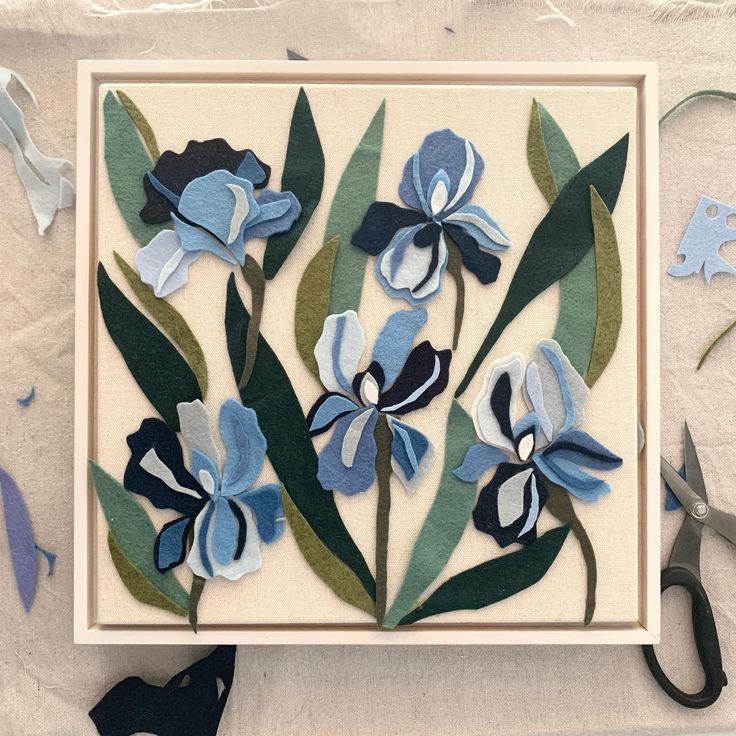
Annie Raymond – Annie is a wildly talented Georgia-based artist who works mainly with felt, making colorful, layered pieces that feel playful and a little nostalgic. With a background in teaching elementary art, she draws on that playful spirit and curiosity in everything she makes.

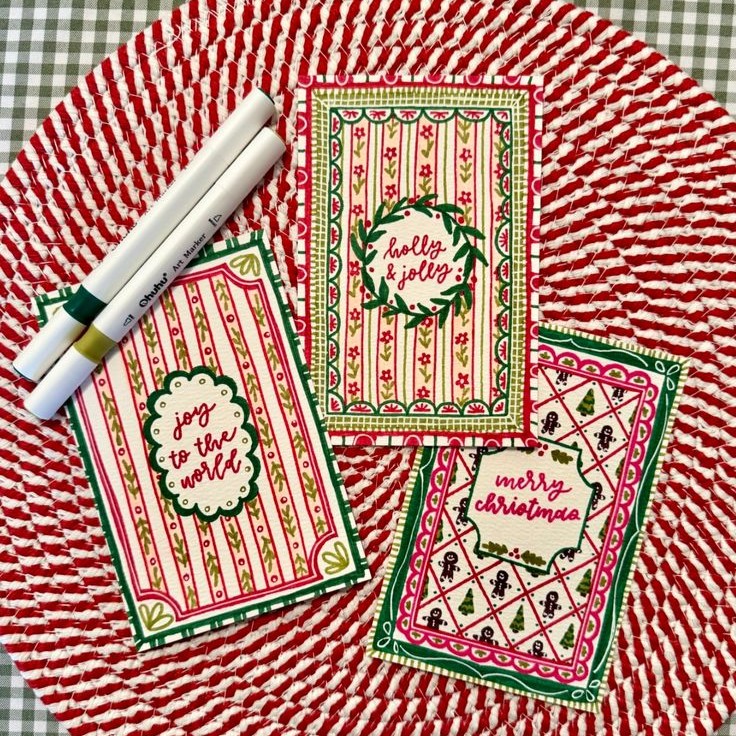
Lauren Gross – Lauren is the incredible artist behind Send Love Studio who makes warm, heartfelt pieces full of color, texture, and everyday beauty. Her work feels playful and personal with little calligraphy reminders of joy, connection, and faith.

IN #5: Know the Basics of art

Know the basics. Learning color theory, the principles and elements of design, and the rule of thirds gives your art a solid foundation to build on. These tools help you make intentional choices about balance, contrast, and composition, so your work communicates the way you want it to. Mastering the basics doesn’t limit creativity, it frees it, letting your ideas shine while still feeling cohesive and visually satisfying. Even small shifts, like adjusting where a focal point sits or experimenting with complementary colors, can make your pieces feel more polished and intentional without losing their spark.

If you’re interested in learning more about color theory, I recommend you take a look at Easy Color Theory for Beginners and Color Knowledge Tips that will Make you a Better Artist. Likewise, the article How to Create an Artist Statement discusses words you can use to make you sound more like an artist, including the elements and principles of design. You can also learn about perspective in the article titled Making Mountains Small and Worms Feel Tall.

OUT #1: Using a Whole Sheet of Paper for a Tiny Cut-Out

If the final shape is the size of a coin, the paper sacrificed should not be the size of a notebook page. This year’s artsy trends are about thinking ahead, trimming scraps first, and respecting materials. Your future self (and your scrap bin) will thank you.

OUT #2: Buying Art Supplies Just Because They’re Trending

Artsy trends move fast. Your preferences don’t, and trust me, that’s a good thing. If you didn’t like gouache last year, a viral video isn’t going to magically change that. The same goes for acrylic paint pens, chunky oil pastels, gel printing plates, alcohol markers, or the latest “must-have” sketchbook everyone is suddenly obsessed with.

Buying supplies you don’t enjoy using doesn’t make you more creative; it just makes your art supply drawers more crowded and your wallet lighter. That expensive set of markers won’t fix the fact that you actually prefer pencil. The ceramic palette won’t help if you hate cleaning it. Spend money on tools that fit your process, your habits, and your style—not someone else’s aesthetic, not a TikTok cart haul, and definitely not guilt.

For the thrifty artist, check out these artsy articles on How to Thrift Art Supplies and No-Buy DIY Crafts Using Stuff You Already Own.

OUT #3: Copying other artists’ work

It should be obvious at this point, but don’t copy other artists’ work. You can gather inspiration, but if it feels wrong in the pit of your heartless soul, it most likely is wrong.

Another topic has come up more frequently lately and I want to reiterate an important note: AI art does not steal artist’s work. I know this is a controversial take, but as an artist myself, I believe AI art is not inherently art. An AI model doesn’t understand the nuances behind creating art, it just predicts what it thinks the audience wants. Artists don’t just reproduce — we choose, edit, and improvise. Artists can problem solve and come up with creative solutions and intentions behind creating a painting or an image or whatever. Artificial intelligence lacks this very human internal pursuit to express.

OUT #4: Gatekeeping Techniques & Styles

Art is not a secret club with hidden rules. People are allowed to ask questions, try things the wrong way and learn in public. Gatekeeping doesn’t protect art, it limits it. The more people feel welcome to create, the richer the art world becomes.

OUT #5: Hustle Culture Disguised as “Motivation”

You do not need to turn every sketch into a product or every hobby into a brand. Not all artsy trends need to be photographed and posted. Rest is productive. Play is productive. Burnout is not proof of dedication, it’s a warning sign. In 2026, we’re letting creativity breathe instead of abusing it for some hustler output.

If you are a burnt-out artist, I recommend you taking a peak at my artsy article: How to Avoid Burnout: 13 Tips from A Tired Artist.

IN #6: Visit Museums & Galleries

In 2026, we are visiting art houses like museums, galleries, arts markets, and small shops!

Experiencing art in person, whether timeless classics or contemporary pieces that look like splatter paint brain rot, connects you to the history and evolution of creativity. Learning and experiencing art history in person helps you understand how artists use color, composition, and storytelling to communicate ideas. Seeing how others solve visual problems gives you tools to make smarter, more confident choices in your own work. Even one painting or sculpture can inspire new approaches, spark fresh ideas, and deepen your creative perspective.

IN #7: Warm up Your Artsy Muscles & Practice

Warm up your artsy muscles, not the ones you flex in the mirror when no one is looking, but the ones that actually builds your art skills. Quick sketches, doodles, or small studies get your hand and eye in sync, loosen your style, and make it easier to dive into bigger projects with confidence.

Every sketch, every brushstroke, every “failed” piece is a step forward, teaching you something your brain can’t learn any other way. Progress doesn’t happen in big leaps. it happens in the small, repeated motions, in showing up day after day. Embrace the messy, the awkward, and the imperfect, that’s where real growth and skill live.

IN #8: Draw/Paint from Life

Draw and paint from life whenever you can, it will seriously help your hand-eye coordination. Observing real people, objects, or landscapes trains your eye to see shapes, light, and color in ways photos can’t. Start with simple still lifes like a bowl of fruit or a vase of flowers. You can also sketch people in a cafe to learn posture, gesture, and proportion.

Artists like John Singer Sargent mastered this approach, capturing movement and life in every brushstroke. Working from life teaches you to notice subtle details that make your art feel alive and immediate and real.

IN #9: Be a Professional

In the words of Paige Mills and Simone Christen with the Artwork Archive, “in order to be successful in the art world, the demands on an artist are high. Therefore, it’s crucial to run the administrative side as efficiently and professionally as possible.”

Calling yourself a professional artist means taking ownership of your marketing, sales, and online presence, and treating them with the same care you give your work. Developing your style and listening to your inner voice is vital, but so is building professionalism through social media, a website, an online portfolio, and consistent branding. Being a professional artist also means cultivating resilience: setbacks and frustrations are part of the process, and maintaining a positive, curious, and experimental mindset will keep your creativity, and your career, moving forward.

IN #10: Remembering the Artist’s Role

An artist’s role is more than slinging paint and getting messy: it’s about reflecting society and casting a glow of change.

Artists get the choice to create a message and determine how it could be understood and interpreted. I know engineers who consider themselves artists because they design or code in a way that helps translate the data in a different way. This choice, to not only communicate, but to do so in a new or different way, is what really pushes a true artist. They rebel against the norms or challenge ways of communicating, and in turn, this turmoil is reflected positively in society as experimentation and eventually, progress.

perspective in art artsy drawings brianna eisman worms eye view ins and outs of 2026
Not everything has to be seen from eye level. Looking up, literally and creatively, changes everything. Worm’s-eye view perspectives invite curiosity, drama, and storytelling. They remind us that art doesn’t have to be safe or expected to be interesting.

OUT #6: Consuming more than you Create

A lot of new art doesn’t hit as hard because it’s made for an audience that’s used to quick swipes and fast likes. We’ve been trained to scroll past things in seconds, even when they’re beautiful or meaningful. It’s not really our fault—we’re just overwhelmed. But that’s the problem: art is getting lost in the noise. People don’t take time to sit with it, to think about what it’s saying or what went into it. It’s like eating a steak in two bites and wondering why it didn’t taste like anything. When everything is content, art starts to lose its weight. It becomes something to consume, not something to connect with.

OUT #7: Art Hauls

You don’t need 47 versions of the same brush. You need time, practice, and permission to slow down.

Art hauls are out. Watching someone unbox dozens of supplies might feel satisfying, but owning a pile of stuff doesn’t make you a better artist. Inspiration doesn’t come from quantity, it comes from using what you have, experimenting, and figuring out what actually works for you.

OUT #8: Pretending You’re “Too Late” to Start

There’s no deadline for creativity. That feeling of being “behind” is just fear sneaking in. Your ideas, sketches, and experiments are unfolding exactly when they should—there’s always time to start, and you’re right on schedule.

OUT #9: Destroying Art

Art is being destroyed. The accused “war crimes” include “intentionally directing attacks against buildings dedicated to religion and historic monuments.”

When art starts to feel disposable, it’s easier to destroy. Not just by ignoring it, but by literally erasing it—through war, censorship, or indifference. If people can’t recognize the value of a painting or sculpture in peace, what happens to that art in times of conflict? The less we appreciate it, the less we fight to protect it.

I know that what’s happening is wrong and from an artist’s standpoint, the destruction of art, history, and society feels like a step backwards for humans. But, what can I do? I’m a 25-year-old U.S. painter with internet access and a sink full of dishes. I should stop worrying about things outside my control, so I buy eggs when they drop below $4 and dye them silly colors in the summertime, because I couldn’t afford eggs during Easter.

I know how to hold a paintbrush better than a gun. My hands were made for color, not combat.

OUT #10: Fear of “Ruining” a Page

Pages exist to be used. Sketchbooks are tools, not heirlooms. The only truly wasted page is the one you’re too afraid to touch. Messy pages mean momentum.

One of my favorite artsy tips to avoid burnout is learning to overcome perfectionism. As an artist, I see perfectionism at both the beginning and end of my projects. To start, I fear failing or messing up or marking the wrong mark on the page. I procrastinate or over-plan to the point that sometimes I have to tell myself “oh my goodness, just paint!!!” I see the same emotions pop up at the end of a project when I struggle with deciding when the piece is truly finished. I even debate varnishing paintings just in case I want to go back in and edit something. I’m stressing myself out when I should be simply enjoying making art.

Art is not valuable because it’s polished or impressive. It’s valuable because it meant something to the person who made it. Expression will always matter more than perfection.

artsy trends bujo 2026 ins and outs bullet journal december art journal sketchbook

Final Thoughts on 2026 Artsy Trends

As we move into 2026, the most important thing to remember about artsy trends is that you get to choose how (and if) you participate in them. Artsy trends can be inspiring, playful, and even motivating—but they’re not rules, and they’re definitely not requirements. The goal isn’t to do more art or buy more supplies. The goal is to make art more thoughtfully.

Being intentional with what you’re crafting means slowing down long enough to ask: Do I actually enjoy this? Will I use this? Does this align with how I want to create? Intentional design is about purpose over pressure. Choose materials that last, reuse what you already have, and design projects that feel meaningful instead of performative.

Sustainability isn’t just about the environment (though that absolutely matters). It’s also about sustaining your creativity. When you reuse supplies, avoid overconsumption, and let go of hustle culture, you create space for ideas to grow naturally. When you take inspiration without copying, give credit generously, and support other artists openly, you help build a creative community that actually lasts.

So take inspiration from artsy trends, but don’t let them dictate your process. Let them spark ideas, not your anxiety. Create with curiosity, design with intention, and treat kindness as a non-negotiable part of your practice. That’s the kind of trend worth sticking with, this year and every year after.


Join my Monthly Newsletter for more Artsy Trends

Subscription Form

The Ins & Outs of 2026: Artsy Trends Forecast Read More »
Why Did the CIA Fund Brainrot Art? The Messy Truth of Jackson Pollock

If you scroll through the online artsy backrooms in 2025, you’ll run into two of my favorite art conspiracies:

  1. Jackson Pollock was secretly bankrolled by the CIA to serve as a weapon in the Cold War.
  2. Brainrot art is being idolized by wealthy cultural gatekeepers/money launderers.

Which one is true? Both? Neither? In this artsy article, I wanna take a winding, tortuous pathway through splatter paint’s journey from admired social activism to the embarrassing reality of being compared to children’s scribbles. Let’s critically judge some art, not to decide if it’s good or bad, but to attempt to find the truth behind brainrot art.

However thoughtful, I know some of you are only here to find brainrot art. And for you silly little brainrot artists, I have found you coloring pages with the worst memes on the internet. Enjoy: https://coloriagevip.com/en/coloriage-steal-a-brainrot/?img=37

The uncomfortable Story of the CIA, Abstract Expressionism, & A Chilly War

In the late 1940s and 1950s, Abstract Expressionism became the flagship avant-garde artistic style in the United States. Artists like Jackson Pollock, Willem de Kooning, Mark Rothko shaped the era. It was chaotic, expressive, often nonfigurative, the complete opposite of realism. Meanwhile, on the other side of the Iron Curtain, Socialist Realism reigned and art was required to depict workers, heroic scenes, factories, revolution, etc.

So you had an ideological clash: expression, freedom, individualism (in the West) versus collectivism, order, narrative (in the Russian Soviet bloc). Pollock was called a “rotten rebel from Russia” and according to co-curator of the Royal Academy exhibition, “Rothko said he was an anarchist.”

The U.S. government wasn’t immediately obsessed with splatter paint, but they quietly liked the idea that art could embody “freedom”— even if that meant non-representational squiggles.

Did the Government actually fund Brainrot Art?

Yes, there is credible evidence that U.S. intelligence and cultural agencies secretly funded or channeled money into promoting abstract art exhibitions as a form of “soft power.” They wanted to show that Americans could afford and enjoy “meaningless art,” implying they live in a freer, more prosperous society.

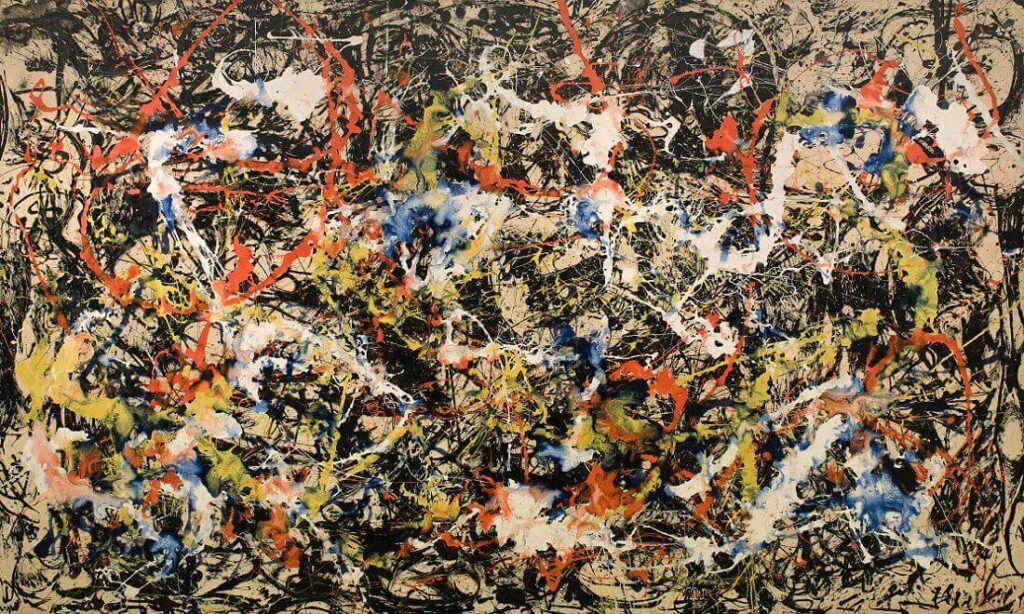
brainrot art on artsydrawings.com about jackson pollock

However, it may be a stretch to say Jackson Pollock personally cashed CIA checks. The funding was often indirect, via foundations, sponsors, international cultural exchanges. But the broader narrative is supported by many art historians: the U.S. used Pollock’s style as propaganda.

In 1973, Max Kozloff argued Abstract Expressionism was “a form of benevolent propaganda,” (Artforum.com) hinting at the impact of the art movement on changes in American culture. He wasn’t the only one to notice this change and eventually the true story started to leak out.

How did they do it?

So, how did the government get away with funding Pollock’s work? If they weren’t handing out splatter paint checks, how did these artists make any money? Here’s a quick history lesson:

The Cold War started in 1944 and in 1947, the U.S. created the CIA. Within the CIA was a special dedicated group called the Propaganda Assets Inventory. This group was responsible for managing a network of over 800 publications, organizations, and other entities to spread pro-American messages globally. They used psychological warfare in the form of modern art.

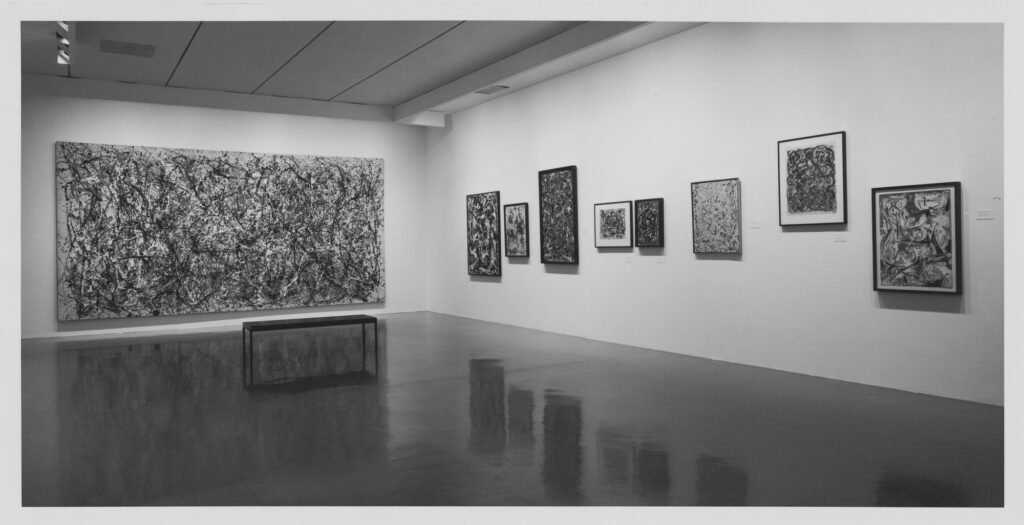
One such group was called the Congress for Cultural Freedom (CCF) and was known as “an anti-Communist advocacy group active in 35 countries.” The important part is that the CIA “helped to establish and fund” the CCF. According to Alastair Sooke’s BBC article, this group went on to bankroll a number of artistic platforms including a liberal anti-Communist magazine, the Boston Orchestra to perform in Paris, and “several high-profile exhibitions…including The New American Painting [tour]. This European art exhibit toured eight countries between 1958 and 1959, and our favorite brainrot artist was one of the stars! Below, you can see a clear image of Jackson Pollock’s work on display in The New American Painting exhibit.

The New American Painting ” Exhibition by Soichi Sunami. Photographed May 28, 1959–September 8, 1959, sourced from The Museum of
Modern Art Archives, New York.

Why did they choose Abstract (brainrot art)?

So, the CCF funded these galleries across the world. This still doesn’t explain why they chose the subject of abstract art.

From the Soviet side, abstract art was ideologically dangerous: it looked like chaos, it didn’t commit to narratives or legible messages, and it spoke of the individual’s inner life more than of the collective cause. A state that demands uniformity can’t fully comprehend ambiguity in art. So this Western “freedom art” was a cultural arrow pointed at the very heart of socialist doctrine.

Art critics and Soviet officials often ridiculed abstract expressionism as “decadent,” “bourgeois nonsense.” The tension was political, not just aesthetic.

If you’ve actually read a few of my more poignant articles, you know I enjoy art created for political reasons. Picasso challenged what it means to paint a portrait, Basquiat challenged tagging and street art norms, Stuart Semple and Anish Kapoor challenged color itself. Art is progress because artists consciously ask “why” and “how.”

If you are interested in reading more of my artsy articles with this level of cynicism and brattiness, I recommend you check out Why do people hate minimalist architecture?, The Destruction of Art., and Is AI art to be a valuable future or a scary end of originality?.

Maria Brito is an art advisor, curator, and author based in New York City. She believes art has always been political “because art, at its core, is about choices. Who gets to make it? Who gets to show it? Who gets to own it? These are all political questions.”

The story I believe is that art has always been political, whether it was financed by the church, the Medici, or the US government. Art sends a message and typically the rich decide what that message says. So, even though the art may look like splatter paint from a toddler, “brainrot art” was political for the time and context of which it was created. This is the truth behind art and many people struggle with this idea that art is not always pretty or aesthetic to what you want it to be in the present day.

Brainrot art in 2025: How to Judge Art for what it is

Now let’s jump a few decades forward to brainrot art in today’s world. The same Jackson Pollock that was once used as a moral and ideological emblem is widely dismissed as “paint splatter” and compared to that of a child’s drawings. Why would you pay over $100 million for something a toddler can make?

Here’s where things get tricky. I am a 25 year old artist with a little bit of an attitude. I want you, my dearest reader, to not only feel my angst around brainrot art, but to understand that it’s okay to judge art and to not like everything you see in a gallery.

1. Art is born in a context

You can’t just judge Pollock by your 2025 meme filters. You need to ask: what was happening in 1950, socially, politically, culturally? Who funded it? What audiences saw it?
To reject context is lazy criticism.

2. Intent, funding, and “authorship” matter

If a painting is partly propped up by propaganda, that doesn’t erase the artist’s vision — but it does shift how you interpret it. Every painting lives in a web: patronage, politics, fashion, personality. Disentangle where you can, acknowledge what you can’t.

3. Meaning is not fixed

In 1952, someone might see cosmic energy, Jungian spontaneity, or existential angst in Pollock. In 2025, someone might see chaos catered to white institutions. While both judgements are technically accurate, they speak to different viewers. Be humble in your judgment and remember that meanings change over time.

4. Humor and cynicism help

Let’s be real: lots of art gets overblown hype. Hype doesn’t disprove value — but healthy skepticism keeps us honest. It guards against the “emperor’s new clothes” effect.

brainrot art on artsydrawings.com about jackson pollock

Conclusion: Pollock as a Mirror, Not a Masterpiece or Meme

jackson pollock brainrot art

So, was Jackson Pollock really funded by the CIA? Absolutely, and art historians have traced enough circumstantial paths to take that question very seriously. But, does that automatically make his work a propaganda tool? No…?

In 2025, seeing Pollock’s splatter paintings as “brainrot art” is partly backlash: pushback against art-world gatekeeping, elitism, and all that fancy art jargon. But that rejection can also reduce the complexity of what abstract art was trying to do in a fraught political era.

My hope is that future artists and critics keep both their ambition and skepticism. Honor the context without worshipping the myth. Please judge art harshly and directly, but don’t forget about the context in which it was made. Laugh at Renaissance drawings of cats and then try to draw a cat from memory without a reference photo.

Remember that brainrot art used to be just art and trends will ebb and flow, but the joy of a good meme will never die.


Why Did the CIA Fund Brainrot Art? The Messy Truth of Jackson Pollock Read More »
Yellowing of AI: The Golden Hour Before Sunset

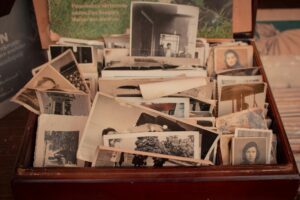
When I visit home, I love flipping through old photo albums. From ski trips to vacations to Disney and every birthday in between, my mom has collected dozens of filled photo books. Recently, she realized the photos are taking on a yellow varnish, simply from being 20+ years old. To preserve these memories, she started a detailed and extensive project to digitally scan the collection.

Of course, paper yellows, photographs fade, varnish cracks. Time fades memories as much as we try to hold onto them.

But, I noticed a funny similarity between the photos Mom scanned and the AI images created online. And, if you’re here, I think you noticed it too: AI is yellowing.

Artificial intelligence seems to be skipping ahead in the aging process. The yellowing of AI was first noticed over the past few months where images generated by models like DALL-E, Midjourney, and ChatGPT appear glowing with a yellow haze. It’s always golden hour, and my theory is that AI is close to sunsetting.

Yellowing of AI: Yellowing in History

The irony is that visual art and photography have wrestled with yellowing for centuries. Early photographs often took on a sepia look as chemicals oxidized. Paintings varnished in the Renaissance turned amber with age, muting stunning blue skies into a mustard yellow.

Many museums spend years restoring blues swallowed by time. Over time, many paintings start to yellow, which hides bright colors like blue. Museums use careful restoration to clean away the discoloration and bring those original colors back. Restoring the blue isn’t just about looks—it helps people today see the artwork as the artist meant it to be seen.

Conservation efforts, whether through careful restoration, climate regulation, or digital archiving, allow art to keep speaking, generation after generation. Without preservation, we risk losing not just the work itself, but the voice, struggle, and spirit behind it.

If you are interested in the restoration and preservation of art, you may like this other article I wrote on The Destruction of Art.

The “why” behind all this is even more mysterious.

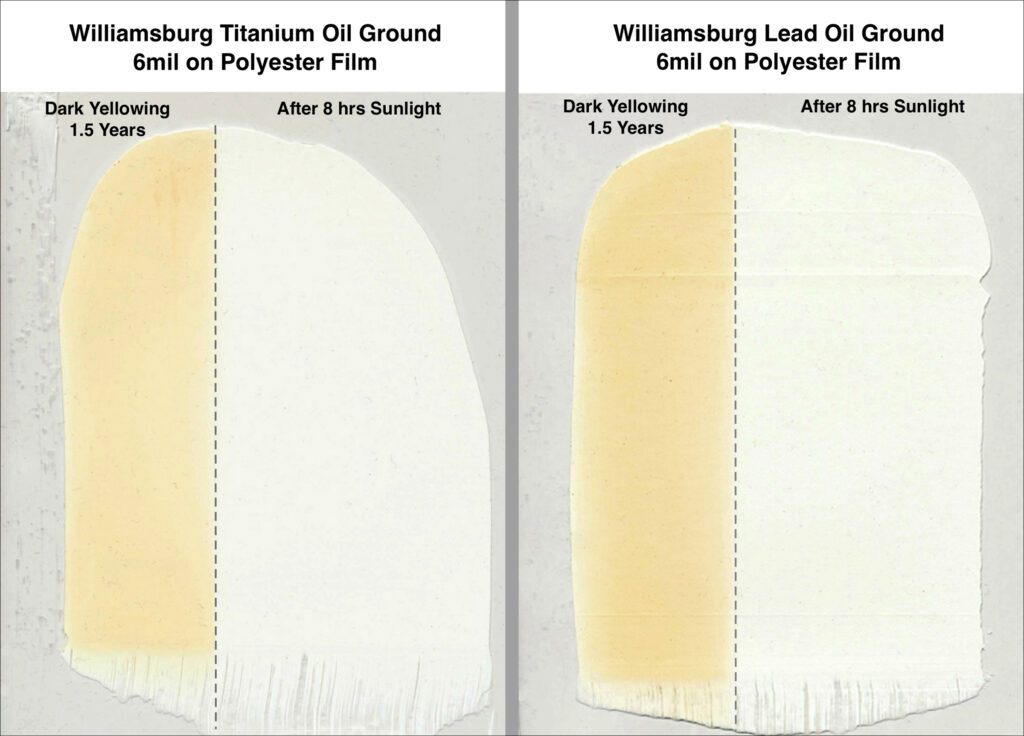
One theory for this yellowing is the use of linseed oil in oil painting. According to George O’Hanlon and Painting Best Practices, “this phenomenon occurs due to the oxidation and polymerization of the oil.” But, it seems this yellowing is reversible by sun-bleaching your oil painting, as seen in the experiment visualized below.

Unfortunately, the mystery of why paints yellow has yet to be solved. Numerous environmental factors play into testing materials, contributing to complicated chemistry behind the mustard-ization of artwork over time. Sarah Sands with JustPaint.org lists these environmental factors including the following:

  • “Humidity,
  • temperature,
  • the amount and type of light,
  • periods of darkness,
  • exposure to chemicals,
  • the pigments used,
  • the type of oil and the method of processing it,
  • presence of impurities,
  • the thickness of the paint,
  • use or lack of driers,
  • added mediums,
  • differences in formulations,
  • and a host of other variables…”

Yellowing of AI: The Color Theory Problem

If you ask a color theorist, yellow can be tricky. As the lightest primary color, yellow can sometimes dominate a piece when it’s unbalanced, just like bananas in smoothies.

An artist knows the general basics of the color wheel and easy color theory: you mix blue and yellow to get green. A more developed artist like a watercolor painter knows to mix 90% yellow with 10% blue to create a green smoothie that doesn’t taste solely like bananas.

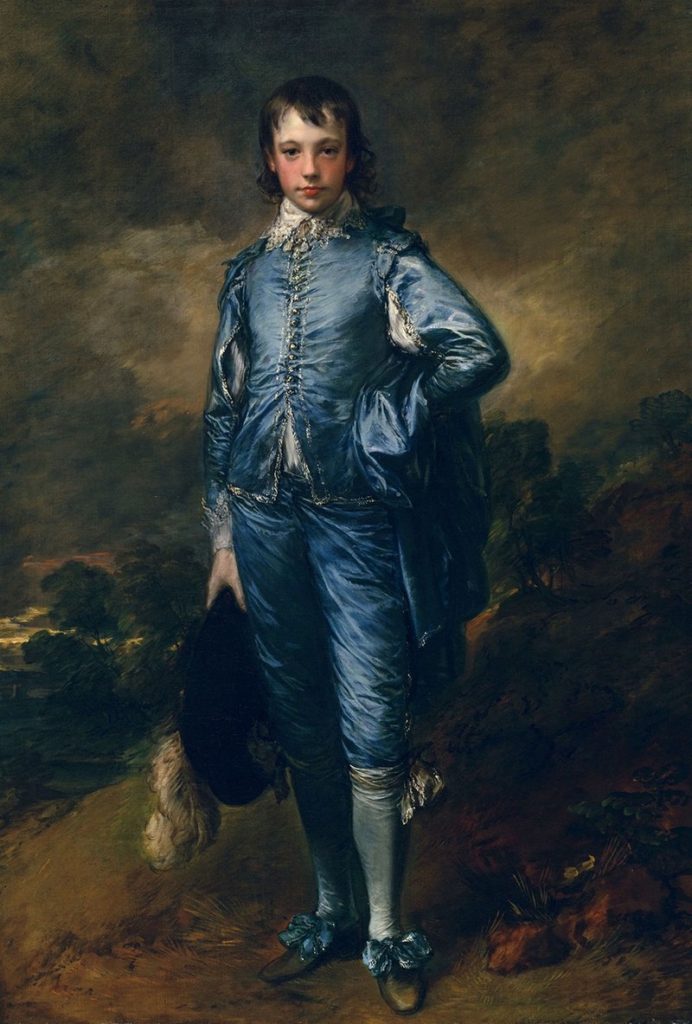
They also know that warmer colors are pushed forward while cooler colors are pushed back. It’s why Gainsborough was such a baddie.

blue boy by Gainesborough The painting is notable for its use of the color blue, which was unusual for the time
The Blue Boy by Thomas Gainsborough
A great mastery of color theory and artistic ego and spunk

All this to say, an artist understands the principles, elements, theories, and nuances of art. A human understands the need for art and how it makes humanity better. AI does not.

In AI’s case, it isn’t a painter reaching for cadmium—it’s a statistical hiccup. Are we really surprised that the robot favors warmth?

Yellowing of AI: Ouroboros

In late March and early April 2025, the AI art world noticed this new quirk and called it “the yellowing of AI.” Images created from DALL-E, Midjourney, and especially ChatGPT kept showing up with a yellow tint, as if every canvas had been washed in yellow ochre. Subreddits like /r/ChatGPT and /r/ChatGPTPro first noticed the trend, and it’s grown more popular since.

While the possibilities for this golden hiccup are unknown, I have my theories.

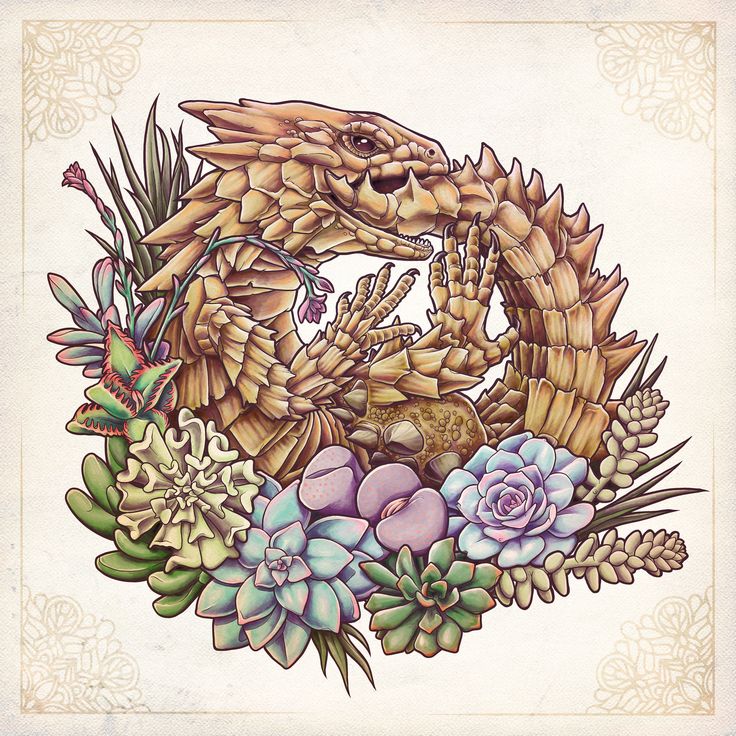
Matt Verges dragon eating its own tail to show the yellowing of AI
Ouroboros by Matt Verges

The first theory is that AI models are trained on yellow images. If you put in old, sepia photos and filtered Instagram posts, you may see them circulate back to you. The models are fed information from all over, most notably the free and public internet. If the AI can’t differentiate an old image from a heavily filtered image, then it may believe that both photos come from the same time period and are actively relevant.

Another theory is that AI is chewing on its own leftovers. As more generated images feed back into training sets, the flaws are exponentially exaggerated. If half those images lean yellow, the model doubles down, convinced it has discovered the truth of beauty. The ouroboros metaphor is almost too perfect: the AI swallows its tail, burps out more golden sludge, and calls it progress.

In project management terms, AI’s golden hour isn’t shining. It’s sunsetting.

Yellowing of AI: Do Artists Still Matter? P.S. They Do!

A painter knows when to glaze a yellow to add warmth and that sunset glow to a landscape painting. A photographer knows to run outside to capture the golden hour at the perfect moment. An AI model doesn’t know the nuances of creating art, it just predicts what it thinks the audience wants.

When every image comes out mustard, it reminds us why actual artists are irreplaceable. We don’t just reproduce—we choose, edit, and improvise. The yellowing glitch is proof that craft and judgment can’t be automated away.

The Yellowing of AI Art by Brianna Eisman

The real question we need to be asking is whether AI models will learn and evolve to comprehend and create true art. Personally, I think this process will take time, but it may be inevitable. And its not because the AI will get smarter, though that is true. AI will learn to comprehend and create art because we as a species and as a society are failing human artists.

A beautiful painting is created, but if no one sees it, is it art?

I can write article after article about this, but if no one reads them, do they matter?

We live in a time where creativity is everywhere, but meaning feels harder to find. I think about this a lot when I watch a video of an artist paint the Mona Lisa in 30-seconds, but it’s buried under trends, or dismissed as “just content.” Somewhere along the way, we stopped giving art the space it deserves.

During the Renaissance, fine art was meant to challenge people. It questioned power, religion, and beauty in ways that made people feel uncomfortable. It meant something. But now, fine art feels like it’s everywhere and nowhere at the same time. It’s not that people don’t care about art, it’s just that so much of it is made to be content, not to be felt.

Yellowing of AI: Why Actually Nothing Matters

When art starts to lose its value, it tends to start to disappear. We scroll past talent, overlook technique, and straight up ignore beauty. And what happens if people can’t recognize the value of a painting or sculpture in peace, what happens to that art in times of conflict? The less we appreciate it, the less we fight to protect it.

When artists are threatened and AI can develop a complex emotion visually better than you can create it on paper, do you choose the path of least resistence? Or do you fight for the art you love? Do you give in to technology and progress because AI said it was “progressive?”

Obviously I can’t answer these questions without sounding like a hypocrite, so I will leave it here for your own judgement. The truth is that AI is yellowing. Images created by AI models are turning mustard and you can choose to see it as a pretty sunset or a sick and twisted death.

Are we watching a golden revolution in art—or just the longest sunset in history?

Yellowing of AI: The Golden Hour Before Sunset Read More »
Why is pixel art so popular?

I’ve been going back and forth on writing on this topic. I’ve taken painting and drawing classes, I’m a photographer, I’ve dabbled in sculpture and printmaking and even some digital art in Procreate on my iPad. So, this is your disclaimer — I have never attempted pixel art nor am I a pixel artist. I know very little about the subject, except that it is absolutely mesmerizing.

That being said, much of this article is research, opinion, and hearsay. But I don’t think that devalues the article. If anything, it makes it more human. I used websites and forums, talked to friends and strangers, people who had never heard of pixel art and others who were studying game development. So, here’s my compilation of thoughts about the art form.

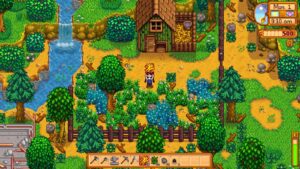
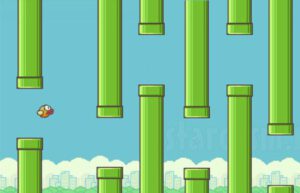
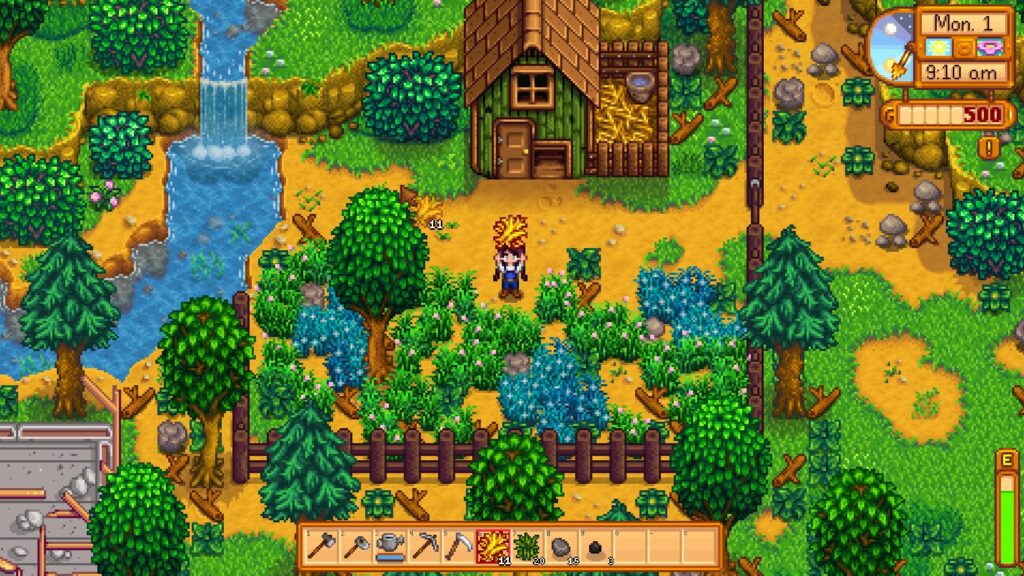
I bought a Nintendo Switch last year and fell in love with a game called Stardew Valley. For those who don’t know, Stardew Valley is a cute pixelated farming game where you can grow crops, take care of animals, and fight monsters in the caves. There was something nostalgic about the game, I felt it with Pokémon Violet too; something that reminded me of Minecraft and Flappy Bird.

This pixelated style brought me back to a simpler time, and maybe that’s just how nostalgia works. But, growing up in the early 2000s, where your generation saw Nokia phones turn into iPhones, tends to make you nostalgic for low quality video games and well, pixels.

Introduction: What is pixel art?

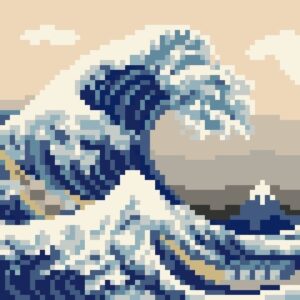
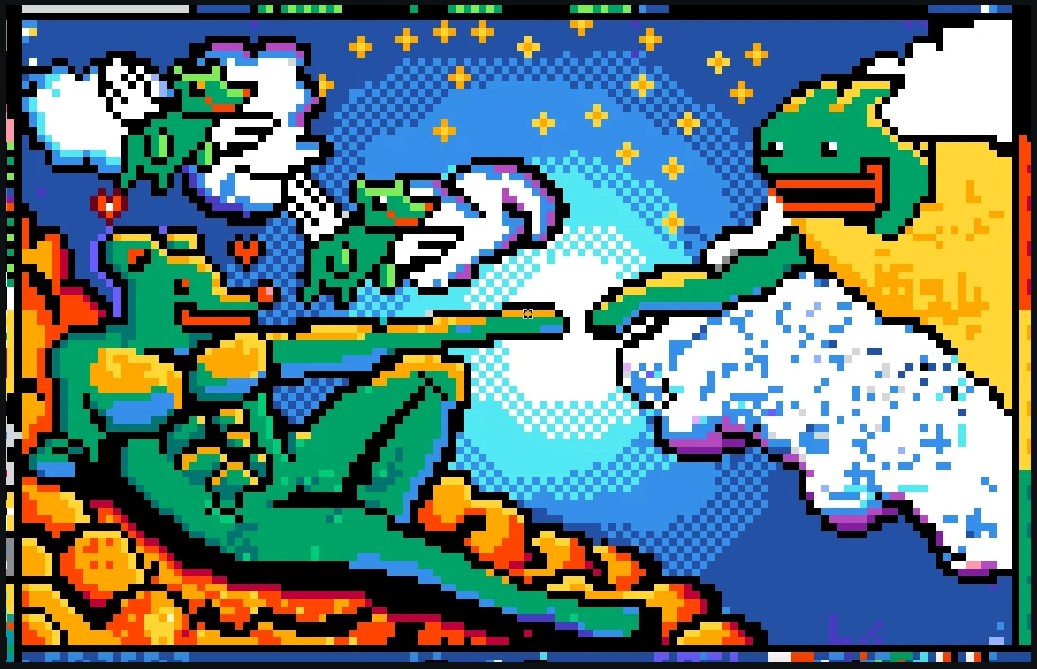
Pixel art is defined by Max Trewhitt as “an art form that uses singular pixels to build a digital 2D image block by block.” Skeddles on Lospec defined it as “a digital art where pieces are created through a unique process of manipulating the individual pixels of an image document using minimal size and number of colors.”

From a traditional artist’s standpoint, I think it’s more challenging than painting or drawing, but others see differently. Many find pixel art is a more accessible and feasible art style for games and game developers. It requires minimal tools, has a forgiving learning curve, and is efficient for digital and game-related applications.

Where did pixel art come from?

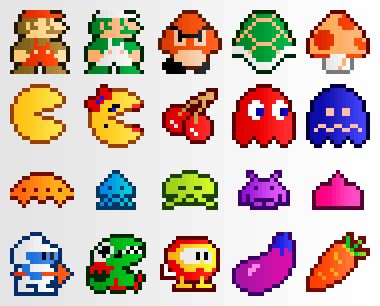
Some say that mosaics and embroidery could be considered “non-digital counterparts or predecessors,” but where did pixel art really come from? Digital pixel art first emerged in the late 1970s in video games like “Space Invaders (1978) and Pac-Man (1980).” It was a practical solution for early computer graphics and video games, with low-resolution screens and limited color palettes.

Games like Super Mario Bros helped defined the aesthetic of pixel art. It’s said that “artists had to rely on their creativity and ingenuity to create recognizable images using the limited resources available.” From “strategic choices in color usage” to “meticulous attention to detail,” I completely think early video game designers were artists.

As technology advanced in the 1990s, 16-bit consoles like the Super Nintendo and Sega Genesis introduced more detailed and colorful pixel-based graphics, pushing the medium’s artistic potential. However, the rise of 3D graphics in the 2000s led to a decline in mainstream pixel art. It wasn’t until the 2010s when we saw the indie game boom (and a fear of an “indiepocalypse”) which brought back pixel art as a deliberate style choice.

Today, pixel art continues to thrive in gaming, digital art, and animation, celebrated for its nostalgic charm, efficiency, and unique artistic appeal.

How ConcernedApe changed the pixel art game: The Indie Game Boom

ConcernedApe, aka Eric Barone, is the genius behind Stardew Valley, one of the most beloved indie games of the decade. Released in 2016, the game quickly became a hit thanks to its relaxing gameplay, engaging story, and—let’s not forget—the stunning pixel art.

Barone’s success with Stardew Valley has had a lasting impact on the indie game world. It showed that pixel art isn’t just a relic of the past—it’s still a powerful storytelling tool.
“Barone’s success with Stardew Valley has had a lasting impact on the indie game world. It showed that pixel art isn’t just a relic of the past—it’s still a powerful storytelling tool.”

What makes Barone’s work so impressive is that he did it all himself: the programming, art, music, and writing. His pixel art, in particular, stood out. Barone’s approach to pixel art has become a game-changer, proving that you don’t need a huge team or budget to create something visually stunning.

Barone’s pixel art revolutionized the boundaries of what the medium could do. The way the game transitions through different times of day and seasons, the way characters move, and even the subtle animations in the background all show pixel art can be more than just static images. Barone made the mundane tasks of farming, like planting crops or fishing, visually engaging, making each moment feel rewarding. His animations, though simple, have a fluidity that was rarely seen in pixel art before Stardew Valley, and that’s what helped make the game feel so immersive.

Barone’s success with Stardew Valley has had a lasting impact on the indie game world. It showed that pixel art isn’t just a relic of the past—it’s still a powerful storytelling tool. Since the game’s release, countless indie developers have embraced this style, inspired by how Barone used it to create such a memorable and emotionally resonant experience. His work on Stardew Valley has proven that pixel art can not only be beautiful and nostalgic, but also dynamic and deeply expressive.

The trend of pixel art’s popularity sparked an indie game boom and a flourish of experimental design, diversity and innovation.

R/Place and the pixel art community

In my search for a more comprehensive perspective of pixel art, I was introduced to an internet phenomenon many call a “great experiment.” r/Place is a subreddit on the platform Reddit where individuals are invited to participate in a community canvas.

Everyone has one block to place on a blank page of 4 million pixel squares, and together a great work is created.

r/place is a subreddit on the platform Reddit where individuals are invited to participate in a community canvas of pixel art

According to Medium.com, “the experiment lasted around 3 days with over 1 million Redditors placing around over 16 million pixels in 2017 and over 10 million Redditors placing over 160 million pixels in 2022.” It broke records and created community and advertised, inspired, and protested. r/Place eventually ended in 2023 due to targeted hate speech towards the Reddit CEO for controversial decisions.

Many wonder if r/Place will ever return, though I found another rendition on the internet called CryptoCanvas.

I also found a topographical visualization of the 2022 version, created in Minecraft and recorded in the video below. Each tower represents the literal stacking of colors on top of others.

Regardless of its continuance, r/Place was a massive work of art. It embodied community and conversation and served as a place of free speech, which is kinda the whole point of art. I’d be curious to explore this concept further in a follow up article to see if there are other “places” that can compare to r/Place.

Pixel art in Minecraft

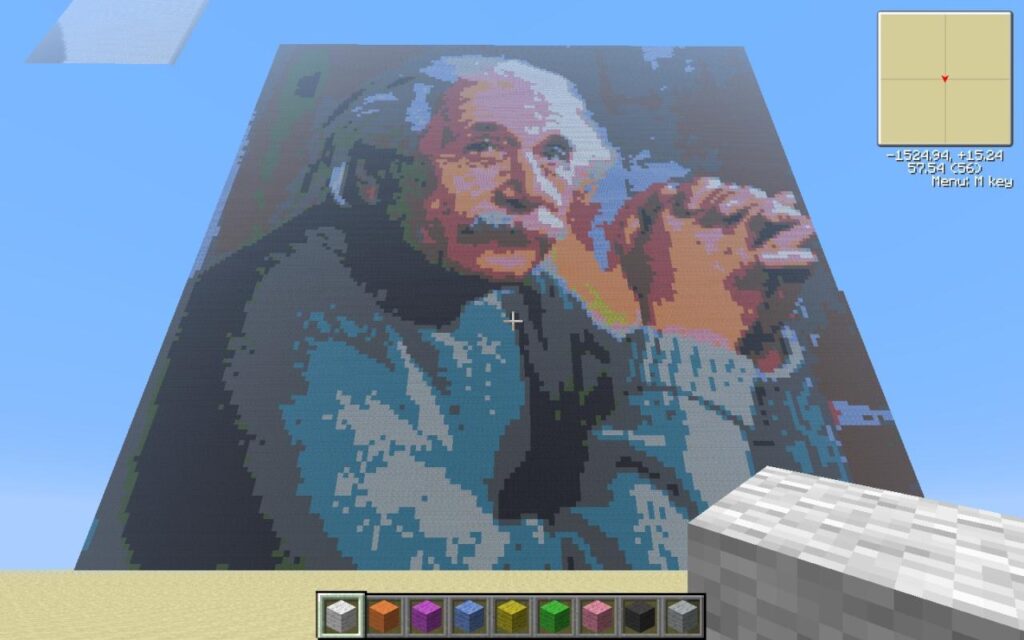
Speaking of Minecraft, pixel art has become a significant form of creative expression, leveraging the game’s block-based structure to mimic pixel-by-pixel digital art. Since each block in Minecraft acts as a “pixel,” players can create massive, detailed artworks by carefully selecting and placing colored blocks like wool, terracotta, and concrete. This approach allows artists to recreate classic pixel art designs, original characters, and even dynamic shading effects within the game’s three-dimensional world.

One notable artist in the Minecraft pixel art community is BismuthEif, aka the “Gradient Guy.” He specializes in hyper-detailed, high-resolution artwork that often resemble traditional digital pixel art, showing an advanced understanding of shading and color theory using Minecraft’s limited block palette. His creations stand as a testament to how Minecraft is not just a sandbox game but can be viewed as an artistic medium, allowing players to transform simple blocks into intricate masterpieces.

@bismuthief

Here’s what a day’s worth of progress of my Survival Hostile Minecraft build looks like- it’s next to nothing! I barely make any visible progress but that’s just because of how many blocks I need to place for each block. It’s a lot of work but I’m having a great time with it! #minecraft #minecraftbuilding #hermitcraft #minecraftbuilds #minecraftbuildingideas #minecraftbuild #minecraftbuildings #minecraftupdate #minecrafttutorial #pixelart #art #colortheory #gradient

♬ original sound – Keith_kate – DID YOU KNOW

For those who want to get into pixel creations on Minecraft, I found the Minecraft Image Converter tool. It allows players to create Minecraft block-based designs from images. It works by analyzing an image and mapping each pixel to the closest matching Minecraft block based on color. This automation significantly reduces the time and effort required to create large-scale pixel art within the game, making it a popular tool among builders and artists.

Players can upload an image, adjust parameters such as resolution and block types, and then generate a schematic or blueprint to recreate the image in Minecraft. Some advanced converters like WorldEdit or Litematica enable instant in-game construction. While manually placing blocks offers more artistic control, the Minecraft Image Converter makes high-quality pixel art accessible to those who may not have the time or patience for block-by-block placement.

This tool has been widely used for recreating famous artworks, logos, and even photorealistic portraits in Minecraft, further proving how the game serves as a canvas for digital creativity.

einstein pixel art in minecraft

Physical types of pixel art

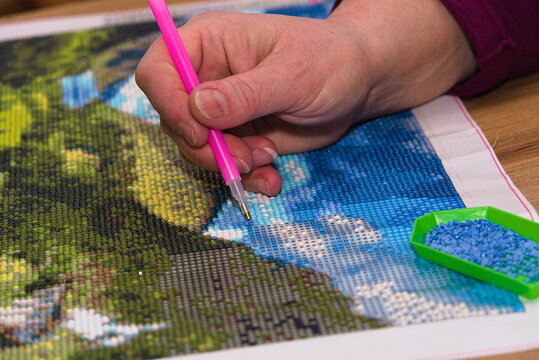
Pixel art extends beyond digital screens, finding a place in various hands-on crafts. I mentioned a couple of these crafts in the introduction as precursors to the modern digital idea of pixel art. However, you can make all of these at home. I linked crafting kits to each title, so go get creative!

  • Diamond Painting – small resin “diamonds” are placed onto a pre-printed adhesive canvas, much like placing pixels in digital art.
  • Embroidery – follows a similar grid system, where each stitch acts as a pixel, allowing for detailed designs using thread instead of pixels.
  • Mosaics – made from tiles, beads, or other small materials, also follow a pixelated format, using placement and color variation to build larger images.

Crafts like diamond painting, embroidery, and mosaics are a great way to introduce your kids to pixel art, without the digital aspect. For more crafting ideas, check out my list of DIY girls night craft ideas!

The trend of pixel art

So, why is pixel art popular? Throughout all the research and conversations, I think I’ve narrowed it down to a few key possibilities:

  1. It’s nostalgic and reminds us of a simpler time
  2. The medium is widely accessible and relatively inexpensive
  3. Simple graphics allow for more detailed gameplay
  4. Constraints like colors and shape promote creativity and innovation

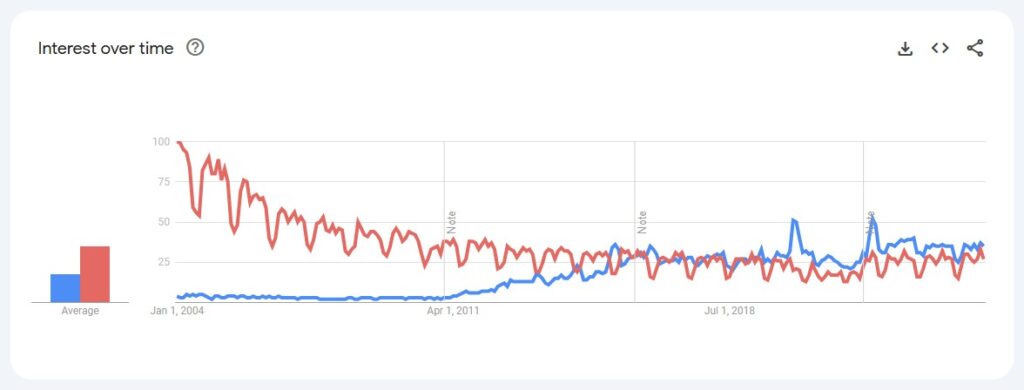
Ironically, “pixel art” is currently trending higher than “art history” on Google Trends. As someone who enjoys traditional art and art history, I find this really funny and strangely progressive. I mentioned briefly the indie game boom in the 2010s, and I think now in 2025 we see more of a general acceptance of pixel art as an actual art style.

I also think it’s notable that on this graph of searches for “pixel art” since 2004, there are spikes in March of 2020 and March of 2022, possibly correlating with popularity of r/Place.

Google Trends of “Pixel Art” in blue and “Art History” in red from 2004-2025

So, is it art?

From graffiti to bullet journals, if you know my website ArtsyDrawings.com, you know I like to discuss different forms of art, and their credibility to the age old question: is it art?

When I started this article, I chose the SEO keyword “pixel art” in order to rank well, but now I think I chose it because I subconsciously believe pixel art is art. Many of the works I’ve found follow the elements and principles of design, they follow techniques of traditional fine art, and are aesthetically pleasing to the eye.

Pixel art promotes deep contemplation and emotional responses. It inspires.

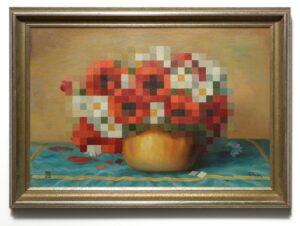
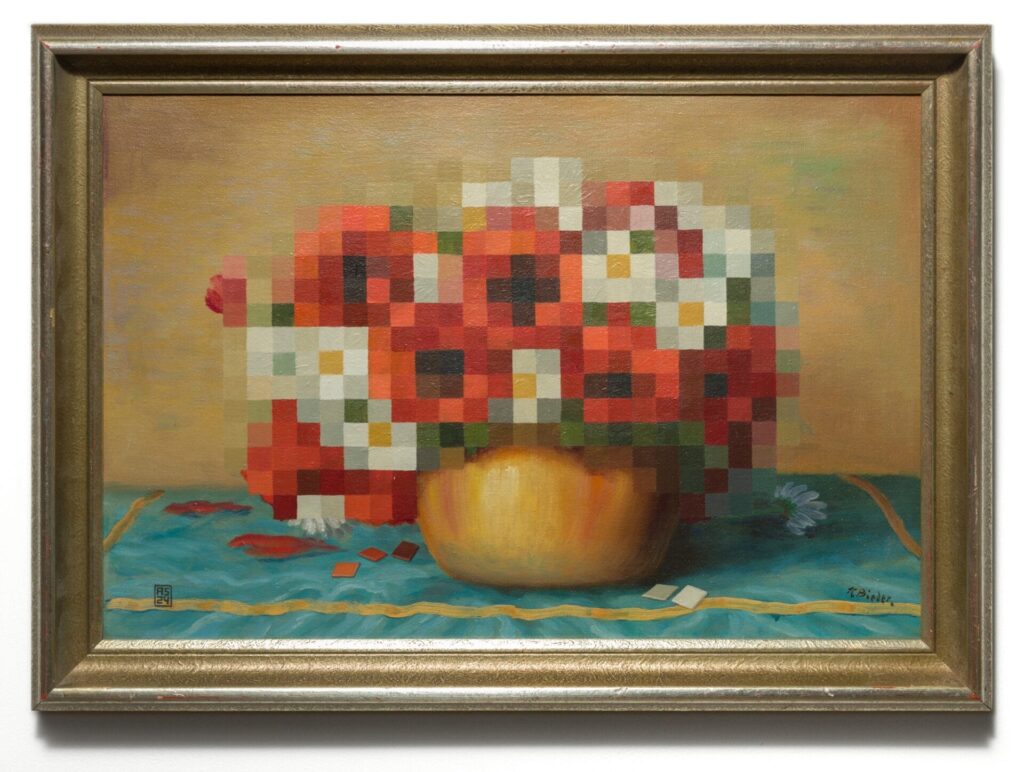
Bouquet No. 14 by André Shulze

André Schulze is an artist who merges pixel design with still life oil paintings. He started out as a painting conservator, restoring old artworks, but eventually began adding his own creative spin—taking vintage thrift store paintings and overlaying them with pixelated elements, almost like a glitch in time. His work creates a cool contrast between the old and the digital, making classic landscapes and still lifes feel fresh and unexpected.

His work reflects the style of pixel art in a traditional medium, seamlessly merging the digitization of our modern world with the photorealistic style of the past.

I personally think he is successful at evolving the definition of art.

Pixel art in the age of AI

When you define art, it’s important to mention artificial intelligence (AI) and the evolution of the definition of art.

I’ve written a couple articles now about the rise of AI in the art community and some controversial opinions surrounding it. Many artists despise AI and fear it will steal jobs and threaten creativity, while others believe it promotes creativity. As I discussed in my previous AI article, it’s not going away, so artists have a choice to either accept it and adapt, or get left behind.

Both AI art and pixel art have this futuristic aura that applies pressure to change the game and redefine the meaning of art. They’re in the same boat, rocking against the waves of defined art styles like impressionism or classicism. I think they’re onto something, and the popularity I see on the internet confirms my suspicions.

Throughout art history, great artists strive for change and challenge the norm. Caravaggio defined Baroque painting with sharp lighting and startling compositions. Turner shocked audiences with stormy weather landscapes, when everyone else was painting sunny days. Kilmt challenged authority. Khalo showed pain and suffering. Close strapped a paint brush to his wrist after paralyzing his hand.

Artists willingly accept criticism and defeat; they triumph through pain and challenge those who try to put them down. Those who create pixel art are just in their trauma era. Mediums are changing, art is actively being redefined, and movements are formed in suffering.

The world may not see it yet, maybe because we aren’t ready or we’re scared of a robot apocalypse, but I beg you, please keep going. Keep making art.

Conclusion

In conclusion, pixel art’s popularity comes down to its mix of nostalgia, creativity, and accessibility. It’s a style that indie game developers can use to create stunning games without massive budgets, while still feeling fresh and engaging. The simple, clean visuals make games easy to enjoy.

In the art world, pixel art is becoming more renowned and admired. It’s no longer just a gaming medium, pixel art has established itself as a creative style allowing room for more artists to grow.

Whether it’s the vintage appeal or the unique creativity it inspires, pixel art has earned its place in the art world and shows no signs of fading away.


Subscribe to my monthly newsletter!

Did you enjoy this article? Get notifications about new articles, artsy tips and tricks, and art by me in my monthly newsletter. Sign up for free today!

*

Why is pixel art so popular? Read More »
Canva AI: How to Actually Breakthrough Creative Challenges

Artificial intelligence (AI) has become the ultimate game-changer, sneaking into nearly every corner of our lives—from saving lives in healthcare to making binge-worthy shows even better. One area where AI really gets to shine is in the the world of art and design. Now, I know allowing artists to use artificial intelligence is controversial, but I’ve already shared my opinions on artists using AI. This article ascertains that AI is not going away anytime soon and it’s up to artists to either adapt or be left behind.

That being said, this article will talk about one of my favorite creative platforms: Canva! The beloved design platform has taken AI’s magic and turned it into tools that make creativity feel like second nature, especially when you’ve hit the “creative wall.” Canva AI is an incredible tool for inspiration, creativity, and what I consider a positive step in artists working with AI.

Living The High Life b y @Life_Of_Flower

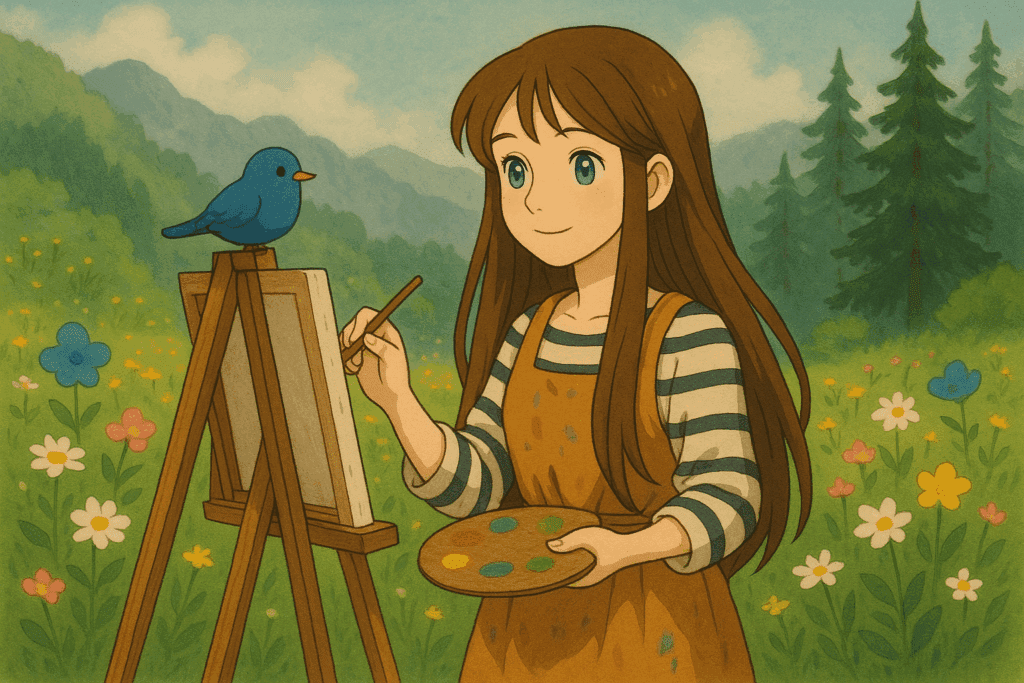
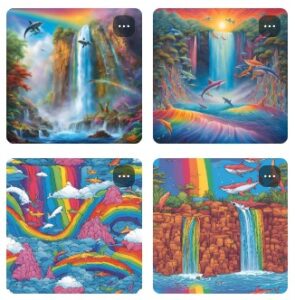
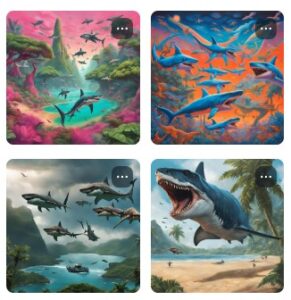
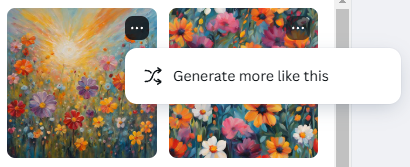
This article will discuss where to find Canva AI, how to use it, what it can be used for, and the broader implications of AI on society. It is also important to note that every image in this article was created using some kind of artificial intelligence technology.

Where to Find Canva AI

Canva AI is embedded directly into the Canva platform, which can be accessed through any web browser or via the Canva mobile app. Whether you’re using Canva’s free version or its premium subscription, Canva Pro, the AI tools are available to explore. Simply navigate to www.canva.com and sign in or create an account. Once inside, you’ll find many of Canva’s AI features integrated seamlessly into the design interface.

For users seeking more in-depth step-by-step guidance, Canva’s help center offers tutorials and FAQs to help you get started.

How to Use Canva AI

Canva AI is designed with simplicity and accessibility in mind, ensuring that users of all experience levels can dive right in. Here’s a quick guide on how to get started with five Canva AI tools.

  1. Magic Resize: With this tool, you can instantly resize your designs to fit different platforms, such as Instagram, Facebook, or YouTube. Simply create your design, click “Resize” in the top menu, and select your desired dimensions.
  2. AI-Powered Text Suggestions: Canva AI assists with crafting headlines, captions, and even full paragraphs for your projects. Just click on the “Text” tool, and Canva will offer smart suggestions to save time and spark creativity.
  3. Background Remover: For those looking to refine photos, the AI-powered background remover eliminates unwanted elements with a single click. This feature is particularly useful for product photography, portraits, or creating clean design elements.
  4. Video Editing with AI: Canva’s video tools utilize AI to streamline editing processes. Features such as auto-alignment, smart transitions, and even script-to-video creation make video production approachable for everyone.
  5. Text-to-Image AI: One of Canva AI’s standout features is its ability to generate unique images from text prompts. To use this tool, open a blank design canvas, click on “Apps” in the left-hand menu, and select “Text to Image.” Type a description of the image you want, such as “a serene beach at sunset,” and Canva will generate options for you to use in your design.

AI Flower Art by Brianna Eisman

The Canva ai Image Generator

As an artist with an expansive imagination, I enjoy and use the Text-to-Image (or Image Generator) Canva AI tool the most. It’s created with DALL·E from OpenAI and converts your text into digitally created images which you can download as JPG, PNG, PDF, or GIF.

To find the Canva AI Image Generator, open up a new project and look under the “Elements” tab. There, you should see something like this image below:

Next, click the box that says “Generate your own” and let your imagination run free! From purple dinosaurs to a rainbow waterfall with flying sharks, your imagination (and Canva’s AI Product Terms⁠ and Acceptable Use Policy) are the only limits to your creativity.

Plus, if only one image is close to what you’re looking for, but not exactly, you can click on the three dots at the top of the image and “generate more like this.” This function offers 4 more images similar in style or content to the chosen image, and can help narrow your search for something that aligns closer to your intended creation.

What You Can Use Canva AI For

Canva AI opens up a world of possibilities for users across industries and interests. The tools are extremely versatile and can be used in many really cool ways.

Social Media Content: From Instagram posts to TikTok videos, Canva AI helps create eye-catching content that aligns with your brand.

Marketing Materials: Design professional brochures, flyers, and email templates that stand out from the crowd.

Educational Resources: Teachers and students can use Canva AI to craft presentations, worksheets, and infographics that make learning engaging.

Event Invitations: Whether it’s a wedding, birthday, or corporate event, Canva AI simplifies the process of creating beautiful invitations.

Branding: Small businesses and entrepreneurs can design logos, business cards, and merchandise with ease.

Custom Projects: From vision boards to art projects, you can turn your Canva AI creations into reality that reflect your own style. This Amazon store produces custom canvas prints of any image you want, even an AI one.

Artist and blogger, Tristina Dietz Elmes, created the following reference image using Canva AI, then drew it using her own artistry and mediums. I think this is a great way to use Canva AI to create art and expand your drawing and painting skills.

The Effects of AI on the World

So far you’re thinking, “Wow! This is such a cool and unique tool, why would anyone NOT want to use it?!” And to an extent, I agree with you. AI technology removes artistic barriers, improves productivity, and makes some really wacky looking images.

But, like almost everything nowadays, it has negative impacts worth noting. Using AI to create or imitate art imposes ethical concerns, can lessen opportunities for artists, and actually uses a lot of energy to produce. Personally, I think the pros outweigh the cons, but I try my best to use AI intentionally and with clear and concise purpose.

The good: Democratization of Creativity

Traditionally, professional design tools require specialized skills and training. Canva AI removes these barriers, enabling anyone with an idea to bring it to life. This democratization empowers individuals and small businesses to compete in spaces previously dominated by larger organizations with bigger budgets.

Graphic designer Navneet C. from the Art Insider explains this concept well in their statement on AI art:

“I think AI is a liberation of creativity for designers/artists. Creativity is no longer in service of economic activity but becomes a pure form of self-entertainment and self-expression. This represents two levels of purity: using AI to replace the utilitarian attributes of designers, allowing creativity to return to its essence, and using AI to rediscover the joy of experimentation and play in visual effects.”

The Good: Enhanced Productivity

AI tools save time by automating repetitive tasks. For instance, features like Magic Resize and AI-powered text generation allow users to focus on the creative aspects of their projects rather than tedious formatting. I personally have no quarrel with this argument; more efficient tools means more time to be creative. Period.

The Bad: stealing creativity

As AI tools become more advanced, they bring both exciting possibilities and important ethical considerations. While they enhance creativity and streamline workflows, they also introduce challenges such as copyright concerns and the potential for misuse.

One major issue is intellectual property rights. AI-generated content, including images and text, can sometimes be too similar to existing works, raising questions about originality and ownership. Without clear guidelines, artists and content creators may find their work unintentionally replicated or appropriated. Artists may also find themselves unknowingly competing with art produced using AI. In this article about AI art competitions, Jason Allen won first prize for his work titled Théâtre D’opéra Spatial under the category of digital art/digitally manipulated photography.

The Bad: Misinformation and Fake News

Misinformation is a growing concern, especially with the accuracy progression of AI images. AI can generate realistic yet misleading content, blurring the line between fact and fiction. This is especially problematic in media, marketing, and education, where accuracy is crucial.

This image received over 10,000 likes on Instagram with a caption describing a town filled with cabbage kids.

It is important to know the signs that something may be created using AI technology.

  1. Inconsistent or Unnatural Details – AI-generated images and videos often have strange distortions, like extra fingers, warped backgrounds, or mismatched lighting. Similarly, AI-written text may sound overly polished, vague, or repetitive.
  2. Lack of Credible Sources – Misinformation posts often make bold claims without linking to reputable sources. If a post presents shocking or controversial information, double-check by searching for confirmation from trusted news outlets.
  3. Emotionally Manipulative Language – AI-generated misinformation is often designed to provoke strong emotions like fear, anger, or excitement. If a post seems exaggerated or sensationalized, it may be crafted to mislead or go viral.
  4. Reverse Image or Fact Checks Don’t Match – Use tools like Google Reverse Image Search or fact-checking websites (Snopes, FactCheck.org) to verify suspicious images and claims. If an image appears elsewhere with a different context, it may be AI-generated or misleading.
  5. Unusual Engagement Patterns – Misinformation posts often have tons of engagement from bots—look for accounts with no profile pictures, generic usernames, or comments that seem repetitive. If a post suddenly gains massive traction with little credible discussion, it’s worth questioning its authenticity.

I will admit to using AI for content creation purposes here at ArtsyDrawings.com. However, I try my best to produce and communicate the most accurate information. I’ve experienced times where AI will write out the wrong steps for painting or when it will explain an arbitrary concept using a questionable artist reference. It’s important to use technology like this, but not to trust it 100%.

To address these challenges, platforms like Canva must establish strong ethical frameworks. This includes implementing safeguards such as content verification tools, clear usage policies, and educational resources to promote responsible AI use. By doing so, they can ensure that innovation remains ethical and beneficial for all users.

Workforce Transformation

As AI becomes more integrated into creative industries, traditional roles may evolve. While some fear job displacement, others argue that AI tools can serve as collaborators, augmenting human creativity rather than replacing it. The democratization of creativity imposes certain threats to artists, especially those artwork can be replicated or imitated using AI resources. Graphic designers, digital artists, and branding directors may need to adjust their strategy to reflect these changes in technology and keep up with the curve.

As an artist myself who supports the livelihood of other artists, I feel conflicted by the underlying surplus of those who can produce art. When you can make a logo and brand for your company in a free app, why would you ever hire an artist? What benefits does an artist bring to the table? Can an artist be replaced with technology?

Environmental Impact

Lastly, AI technologies require significant computational power, which contributes to energy consumption. Companies like Canva are increasingly exploring sustainable practices to minimize their carbon footprint. It’s ironic we can create stunning landscapes using technology that destroys the real ones.

Remember, it’s not up to you alone to save the planet. Until those in power support more sustainable technology, we have to work with what we have to create, learn, and find solutions.

Tropical Beach House by @Hi2uandwelcome

Conclusion

Canva AI represents a leap forward in making design accessible, efficient, and fun. Its tools empower individuals and businesses alike to create professional-grade content without requiring extensive training or resources. As AI continues to shape the way we work and create, it’s essential to balance innovation with responsibility, ensuring that these technologies benefit society as a whole. Whether you’re a seasoned designer or a complete novice, Canva AI invites you to explore, experiment, and redefine what’s possible in the realm of creativity.

As previously discussed at the beginning of this article, and in my other article about AI art, this topic about artificial intelligence and art is controversial.

Should artists be allowed to use AI?

Can AI truly create art?

How will AI impact the role of artists?

What ethical concerns are there regarding AI-generated art?

How can artists utilize AI as a tool to enhance their creativity?

What are the potential legal issues surrounding copyright and ownership of AI-generated art?

Well, I’m here to tell you that I do not know the answer to any of these questions. As someone who practices and has a passion for art, artists, and the art community, I of course have sympathy for artists who have lost opportunities due to the rise of AI technology. However, change in inevitable in any industry. Just in the past few years we have seen technology eliminate old jobs and create new jobs. Artificial intelligence is absolutely daunting, but it’s here to stay.

The truth of the matter is that if you are “afraid” of AI, then you maybe haven’t leveraged it to its fullest potential.

Canva AI: How to Actually Breakthrough Creative Challenges Read More »
Why Art Is Essential to Humanity and How It Makes the World Better

When someone asks why art is essential or important, you might struggle to explain it. It’s not just about pretty pictures or sculptures; art is a powerful need that improves our lives and makes the world better.

Some people see art as a drain on resources that could be used for more important things. They say: “What’s the point of art?”, “Why spend time and money on art?” and “art isn’t a real job.” They may say “it’s not like air or food where it hurts or kills you to go without it.”

How do you handle the dismissal of art? How can we stand up to naysayers and feel that what we do is meaningful?

Why Art is Essential: Art Is Our Shared History

Art has been with us since the dawn of human existence. From the earliest cave paintings to the masterpieces hanging in museums today, art is how we’ve documented our lives, expressed our beliefs, and passed down stories through generations.

Lascaux is famous for its Palaeolithic cave paintings and drawings, found in a complex of caves in the Dordogne region of southwestern France, because of their exceptional quality, size, sophistication and antiquity. Estimated to be up to 20,000 years old, the paintings consist primarily of large animals, once native to the region. This is why art is essential to humanity.
Hall of the Bulls in Lascaux, France

The ancient Lascaux cave paintings in France, created over 17,000 years ago, are more than just depictions of animals. They provide a window into the lives, thoughts, and experiences of early humans. These images are not just art—they are records of a culture, telling us what was important to our ancestors, how they viewed the world, and what they valued. This art is essential to understanding our ancestors. Without these artistic expressions, our understanding of prehistoric life would be far more limited.

As civilizations evolved, so did their art. The Renaissance period, for example, was a time when art flourished as a means of exploring humanity, religion, and the natural world. Leonardo da Vinci’s Mona Lisa and Michelangelo’s Sistine Chapel ceiling are not only remarkable for their technical skill but also for the way they encapsulate the intellectual and spiritual currents of their time.

The School of Athens represents all the greatest mathematicians, philosophers and scientists from classical antiquity gathered together sharing their ideas and learning from each other. These figures all lived at different times, but here they are gathered together under one roof. Art style is classicism
School of Athens by Raphael

These works reflect a society that was rediscovering classical ideas, questioning the nature of humanity, and celebrating the beauty of the human form. They are more than just paintings—they are symbols of an era that continues to influence us today.

Throughout history, art has served as a mirror, reflecting the values, struggles, and triumphs of the people who created it. Whether it’s the monumental sculptures of Ancient Greece, the religious icons of the Byzantine Empire, or the protest art of the 20th century, each piece tells a story.

When we study art history, we are not just learning about art; we are learning about ourselves, our collective past, and the forces that have shaped our world. Art keeps our history alive, reminding us of where we’ve come from and helping us to understand who we are today. Without art, the richness of human history would be lost, and our connection to our ancestors would be much weaker.

Personally, I think this feeling of lost humanity has influenced a fear of computer generated art and AI art. AI’s influence on the art community is controversial, but fascinating regardless.

Why Art is Essential: Art Connects People

One of the most powerful aspects of art is its ability to connect people, regardless of language, culture, or time period. Art speaks a universal language that everyone can understand on some level, even if they don’t share the same background or experiences. Art is essential as a universal communicator.

For instance, consider how people from all over the world are drawn to the works of Vincent van Gogh. His vibrant colors and emotional brushstrokes communicate feelings of loneliness, joy, and wonder that are universally relatable. You don’t need to know anything about his life to feel something when you look at Starry Night or Sunflowers.

Vincent Van Gogh's Starry Night painting is a good representation of why art is essential to understanding human connection and emotion.
Vincent Van Gogh’s Starry Night painting is a good representation of why art is essential to understanding human connection and emotion.

Similarly, Katsushika Hokusai’s The Great Wave off Kanagawa has become an iconic image recognized around the globe. Even though it was created in Japan during the early 19th century, its bold lines and dynamic composition capture the powerful force of nature in a way that speaks to people everywhere.

The Great Wave, by Brianna Eisman inspired by The Great Wave off Kanagawa
Print by Hokusai. Both works of art show the immense feeling of man vs. nature which connects all humans. This is why art is essential.
The Great Wave, by Brianna Eisman inspired by The Great Wave off Kanagawa
Print by Hokusai. Both works of art show the immense feeling of man vs. nature which connects all humans.

The wave, poised to crash down with unstoppable energy, evokes both awe and respect, reminding us of the universal human experience of facing forces beyond our control.

I made this painting using gouache paint on paper. Check out more of my art by looking at my Portfolio.

Why Art is Essential: Art Is Good for Your Mind and Soul

Art plays a crucial role in our mental and emotional well-being. It’s not just something to look at or listen to—it has a deep impact on how we think, feel, and live our lives.

Engaging with art can reduce stress, boost creativity, and improve our overall mood. When you draw, paint, or write, you’re not just creating something new; you’re also processing your thoughts and emotions in a healthy way. This is why art therapy is often used to help people deal with trauma, anxiety, and depression.

how to paint a flower painting - artist set up showing why art is essential
High Angle Shot of a Woman Painting by Leeloo The First

Even if you’re not creating art, simply surrounding yourself with it can have a profound effect on your well-being. Think about how you feel when you listen to your favorite song or watch a movie that really moves you. Art has the power to transport us to another world, offering a temporary escape from everyday worries.

Art has the power to inspire us, giving us new ideas and perspectives that we might not have ever considered. This is why so many people find comfort and joy in visiting art galleries, reading books, or watching films. Art is essential because it enriches our lives by making us more mindful, empathetic, and imaginative.

If you are new to art, I suggest you take a look at these articles:  5 Easy Drawings Tips,  How to Create an Artist Statement, and Easy Color Theory for Beginners.

Why Art is Essential: Art Enhances Our Surroundings

Art isn’t just something to be admired in a museum—it’s all around us, enhancing our surroundings and making our environments more enjoyable. Public art, architecture, and design can transform ordinary spaces into places of beauty and inspiration.

Take the Eiffel Tower, for example. It’s not just a structure; it’s a symbol of Paris, a work of art that has inspired countless artists, photographers, and dreamers. Or think about the colorful murals you might see in your city. These pieces of street art don’t just brighten up a wall; they add character to a neighborhood, tell a story, or make a statement. Street art decorating your community shows that art is essential to beautifying spaces.

form follows function showing how design is a reflection of reality. Art is essential in design and functionality.
“Form Follows Function” explains how design is a reflection of reality and how art is essential in merging design with functionality.

Good design in everyday objects—whether it’s a well-crafted chair, a beautifully illustrated book, or an innovative smartphone—also reflects the importance of art in our lives.

When art and design are integrated into the things we use and see every day, it elevates our experiences, making life not just functional, but also beautiful. It reminds us that art isn’t something separate from life; it’s a part of it, enriching our daily routines and surroundings in ways we might not always notice, but would surely miss if it were gone.

Why Art is Essential: Art Drives Social Change

Throughout history, art has been a powerful force for social change, challenging the status quo and inspiring people to think differently about the world.

Artists have always been at the forefront of movements for justice, equality, and freedom, using their work to highlight societal issues and provoke action. The Harlem Renaissance of the 1920s is a perfect example of this. This cultural movement was not just about creating beautiful works of art; it was about redefining African American identity, celebrating Black culture, and challenging the racist stereotypes that had dominated American society for centuries.

Norman Lewis was attuned to the importance of jazz and blues music, especially growing up in Harlem during the heyday of the Harlem Renaissance. It shows how art is essential to enacting social change.
Jazz by Norman Lewis c. 1938

Through the poetry of Langston Hughes, the novels of Zora Neale Hurston, the paintings of Aaron Douglas, and the prints of Norman Lewis, the Harlem Renaissance gave voice to a community that had been marginalized and oppressed. These artists used their creativity to assert their humanity and demand recognition, laying the groundwork for the Civil Rights Movement that would follow.

Art is essential to reaching people on an emotional level, making it a powerful tool for advocacy and activism. Picasso’s Guernica, for example, is one of the most famous anti-war paintings in history. Created in response to the bombing of the Spanish town of Guernica during the Spanish Civil War, the painting’s chaotic composition and haunting imagery convey the horror and suffering caused by war.

“Guernica” by Pablo Picasso shows how art is essential to enacting social change
Guernica by Pablo Picasso

Guernica is more than just a depiction of a historical event—it’s a universal condemnation of the violence and destruction that war brings. The painting has been displayed around the world, serving as a powerful reminder of the human cost of conflict and the need for peace.

In more recent times, artists like Banksy have used street art to critique contemporary issues such as consumerism, government surveillance, and environmental destruction. Banksy’s work is often provocative, using humor and irony to make serious points about the state of the world.

Banksy graffiti art drawings show that art is essential
Banksy creates some of the most well known graffiti art drawings like The Flower Thrower in which “the protester is a pacifist.”

By placing his art in public spaces, Banksy ensures that it reaches a wide audience, sparking conversations and encouraging people to think critically about the issues he addresses.

This kind of art isn’t just about aesthetics—it’s about challenging people to question their assumptions and consider new perspectives. Whether it’s through paintings, music, literature, or performance, art inspires change, making it an essential tool for building a better, more just society.

How to Bring Art into your Daily Life

You don’t have to be an artist or visit a museum to experience the benefits of art. There are many simple ways to bring more art into your daily life, helping you stay inspired and connected.

Start by surrounding yourself with art that speaks to you. This could be anything from posters of your favorite paintings, to playlists filled with music that makes you feel something, to books that transport you to another world. The key is to choose art that resonates with you personally.

Taylor Swift in regalia purple attire speaking at NYU graduation. Art is essential, even if it's Taylor Swift!

You can also make a habit of engaging with art in more active ways. Try visiting local galleries, attending live performances, or exploring public art in your community. You might discover something new that sparks your interest.

I try my best to incorporate art into my every day lifestyle, from bullet journaling to thrifting art supplies to data visualization. Follow me on social media to enjoy galleries, painting and photography tips, and behind the scenes of some of my favorite creations.

Also, don’t be afraid to create your own art, even if you don’t consider yourself particularly talented. The act of creating—whether it’s drawing, writing, dancing, or playing an instrument—can be incredibly fulfilling. It’s not about being perfect; it’s about expressing yourself, recording a feeling or a thought, and finding joy in the process.

summer bucket list bujo bullet journal ideas page for summer can show how art is essential even in every day scenarios for regular non-artistic people
Collecting photos and memorabilia for scrapbooking or bullet journalling is a fun and easy way to incorporate art in your everyday life.

Conclusion: Art Is Not a Luxury, but a Necessity

Art is much more than just a luxury—art is essential to being human. It connects us to our history, brings people together, nourishes our minds and souls, enhances our surroundings, and drives social change.

By recognizing the importance of art and making it a part of our daily lives, we can enrich ourselves and contribute to a world that values creativity, empathy, and beauty. Whether through painting, music, literature, or performance, art helps us understand the world and imagine new possibilities. And in a world that often feels divided and uncertain, that’s something we all need.

Subscribe

Sign up for my monthly newsletter and stay up to date on newest articles, galleries, and paintings

*

Why Art Is Essential to Humanity and How It Makes the World Better Read More »
How to wish someone Happy Birthday, 7 Artsy Tips!

Why you should make your own artistic ‘happy birthday’ cards

Maybe you’re a bad friend and haven’t realized, but ‘happy birthday’ cards have gotten really expensive. If you’re in a rush, sure, buy the card, but if you have an ounce of artistic merit and some cardstock paper, I can teach you to create a much more personalized card for a lot less money.

This happy birthday card from Target is currently $4.99.

At $5 per ‘happy birthday’ card, plus the cost of a gift, I decided early on to make my own cards for my friends, and they love them. In fact, I’ve been told my friends choose to keep my handmade cards over most others.

Unfortunately, none of my own cards will be in this article. I choose not to photograph my homemade cards to preserve their integrity as intimate gifts for my friends and family only. I am willing to share my Pinterest board where I source inspiration for my handmade cards.

The cards you make can be just text, feel free to add drawings as you wish.

Art also has a unique way of expressing emotions, and what better occasion to put your creative skills to work than a friend’s birthday? In this fast-paced world, where digital communication often takes precedence, a handcrafted birthday card can truly stand out as a heartfelt gesture.

This blog post will not only guide you through the process of making beautiful birthday cards but also explore the idea of planning them in advance based on analytics to ensure you never miss an opportunity to celebrate your friends’ special days.

Tip 1: The Power of Personalized Happy Birthday Cards

This is such a cute and easy to make card, sourced from my Pinterest board.

In a world filled with text messages and emails, a handmade happy birthday card can make a profound impact. It shows that you’ve invested time and thought into celebrating your friend’s special day.

The act of giving is itself rewarding, and when it’s a personalized birthday card, it can bring immense joy to both the giver and the receiver. A well-crafted card reflects your love and care for your friend.

Tip 2: Gathering Supplies to decorate the best ‘happy birthday’ card

Before you begin crafting, gather essential art supplies such as colored paper, scissors, glue, markers, stickers, and embellishments. These will be your tools for creating a unique card to say “happy birthday” or “congratulations” or “i love you.”

Check out my list of favorite art supplies on Amazon. For personalized cards, I recommend materials including this heavy multi-media paper, these dual tip brush markers, and this Pilot G-2 gel pen.

Choosing the right materials is crucial. Consider your friend’s personality and preferences when selecting colors, patterns, and themes for the card. Personalization makes the card even more special. For example, I know my mom’s favorite colors are pink and green so I try to include that color scheme in her cards.

Your card can be for any occasion, from a happy birthday to a happy father’s day.

Keep color theory in mind when choosing your colors for these heartfelt cards. Red and green may come across as Christmas themed, purple and orange may feel too much like Halloween, and hot pink may not be the best choice for your hyper-masculine guy friend (but hey, if you know he likes the color, go for it).

For tips specific to color schemes, check out my color knowledge article!

Tip 3: Designing Your Happy Birthday Card

I typically start the design process by gathering inspiration. Check out my Pinterest Board titled ‘Cards‘ to see my inspiration for handmade cards.

When designing a ‘happy birthday’ card, think about items representing birthdays like candles, cake, balloons, confetti and party hats.

Start by sketching out your card’s design using pencil on a spare sheet of paper. For more sketching and drawing tips for beginners check out this article. This rough sketch will help you visualize the final product and make necessary adjustments.

There are countless card layouts to choose from, such as pop-up cards, layered cards, and simple folded cards. Pick one that suits your design and skills.

Though, if inspiration is just not striking, AI may help spark some creativity. Use Chat GPT to find just the right words to say. For more about using AI in art, read this article.

As a last resort, ask Chat GPT to create text for your card if artists block is blocking the emotions.

You can also include personal elements like photographs, handwritten messages, or inside jokes that are meaningful to your friendship. These touches will make your card truly unique.

Tip 4: Planning the ‘happy birthday’ Ahead with Analytics

In today’s digital age, it’s easier than ever to track birthdays. Consider using calendar apps or social media platforms to remind yourself of your friends birthdays.

You can also optimize your card making processes by using simple analytics.

According to this visualization heat map created by Bo McCready, September is the most popular month to be born.

In the United States, September is found to be the most popular month to be born. This data was sourced from the public Social Security Administration and the Centers for Disease Control and Prevention’s National Center for Health Statistics.

This visualization heat map shows the popularity of birthdays in the US between 1973 – 1999.

An analyst at Gramener Inc evaluated a similar result as Bo McCready’s results showing more births in September than other months of the year.

Gramener Inc also found the following results:

  • “Most people are born in August & September (and therefore were conceived around November & December, during the holidays, perhaps?)
  • However, very few people are actually born during holidays – New year, Independence day, Halloween, Thanksgiving and Christmas. (People don’t like to spoil their holidays?)
  • Few people are born on the 1st of April. (You don’t want your kid born on Fool’s Day)
  • Few people are born on the 13th of any month. (Unlucky?)
  • Plenty are born on Valentine’s Day and St Patrick’s day”
Analyst Roy Murphy sourced birthdates from “480,040 insurance policy applications” between 1981-1994 from a Life Insurance Company.

I decided to include one more visualization from another source providing evidence of seasonality in birthdates. The data was sourced from birthdates from “480,040 insurance policy applications” between 1981-1994 from a Life Insurance Company. The graph shows July, August, and September as having the most birthdays of any other month throughout the year.

Identifying patterns in your friends’ birthdays can help you when creating cards in bulk. September or August may be the perfect time to create several cards at once, when you know September is the most popular month for birthdays in the United States. This efficient approach allows you to be prepared and thoughtful.

While batch card making can save time, remember to personalize each card according to the recipient’s preferences and personality. Adding small, thoughtful details can go a long way.

Tip 5: Crafting Tips and Techniques

Visual of hot dog and hamburger style folding. These are the typical folding styles for ‘happy birthday’ cards.

If you’re looking for tips specifically focused on the design and drawing phase of crafting homemade cards, here are 10 valuable suggestions:

  1. Sketch Your Ideas: Start by sketching your card’s design on a blank sheet of paper. This preliminary step helps you visualize the layout and composition before committing to the final card.
  2. Consider Card Size and Orientation: Decide on the size and orientation (landscape or portrait) (hotdog or hamburger) of your card before diving into the design. This choice will impact the available space and layout possibilities.
  3. Choose a Focal Point: Determine the main element or focal point of your card’s design. It could be a beautifully drawn flower, a charming illustration, or a calligraphy ‘happy birthday.’ Make this element the star of your card.
  4. Explore Themes: Select a theme that aligns with the occasion or recipient’s interests. Whether it’s a whimsical design for a child’s happy birthday or a sophisticated motif for a formal event, a clear theme will guide your drawing.
  5. Color Harmony: Plan your color scheme carefully. Consider complementary and harmonious colors that evoke the desired mood. Test your chosen colors on a separate sheet before applying them to the card.
  6. Practice Your Drawing Skills: If you’re not confident in your drawing abilities, practice specific elements that will appear on the card, such as flowers, animals, or lettering. The more you practice, the more polished your final card will be.
  7. Incorporate Hand Lettering and Fonts: Handwritten messages add a personal touch. If you’re comfortable with hand lettering, consider writing your card’s message using different fonts or calligraphy styles.
  8. Balance and Symmetry: Pay attention to balance and symmetry in your design. Ensure that elements are evenly spaced, and the overall layout feels visually pleasing. Symmetry can create a sense of harmony in your card. John Mulaney jokes about this concept in the video below.
  9. Experiment with Textures: Incorporate textures into your design. Use shading techniques, stippling, or cross-hatching to add depth and dimension to your drawings. Experimenting with textures can make your card visually interesting.
  10. Prototype and Refine: Don’t be afraid to create a few prototypes or drafts before finalizing your card. This allows you to test different design ideas and make refinements based on what works best.
John Mulaney jokes about the well known situation of writing a happy birthday card without planning out the letters first.

Remember, the design and drawing phase is where your creativity truly shines. Take your time, enjoy the artistic process, and let your unique style come through in each card you create. Whether you’re crafting cards for a friend’s happy birthday, holidays, or any special occasion, your personal touch will make them truly special and cherished by the recipients.

Improving your calligraphy or hand lettering skills can make your cards look even more elegant and personal. I like to use a brush tip pen for calligraphy, though I would suggest the Piochoo Calligraphy Pens for beginner artists wanting a variety of different tips. If you find you like a specific pen style best, maybe think about investing in more expensive ones. My absolute go-to pen is the Pilot G-2 in 0.7mm for everyday use and dual tip brush pens for bullet journaling, custom cards, and sketchbook drawings. To learn more about my art supplies and what I prefer to use for drawing and painting, check out this article about my favorite mediums to use as an artist.

Also, make sure to test out your markers and pens before writing on the final card! While I opt for pens and markers over ink, both can bleed through the paper.

This artist used the wrong type of paper, and found their writing bled across the page.

You may also consider integrating technology into your cards, such as adding a QR code that leads to a personalized video message or playlist. How cute would it be if you use a QR code for the ‘happy birthday’ song!! This modern touch can absolutely enhance the card’s charm and charisma.

Tip 6: Assembling and Presenting Your Card

Assemble your custom card with precision and patience. Pay attention to details like even folds and neat glue application. Small details like these will be what sets your work apart from a handmade gift to a memorable work of art.

Adding color to the edges of your envelope can help improve the presentation quality of your card.

How you present the card is as important as the card itself. Use a decorative envelope or gift box, and consider adding a small gift or token of appreciation to add that extra celebration. I like to throw in a couple cute stickers, cut out heart confetti, or spray a little of my favorite perfume. It gives it that extra something, don’t you think?

Pink Scented GIF - Pink Scented Legally - Discover & Share GIFs

Tip 7: The Joy of Gifting

Now it’s time to give your custom card away! The joy on your friend’s face when they receive a handmade card is priceless. The surprise element adds to the delight. A well-crafted happy birthday card often becomes a cherished keepsake, a reminder of the beautiful moments you’ve shared with your friend.

Celebrating Friendship Through Art

In a world where digital communication often prevails, taking the time to create personalized happy birthday cards is a beautiful way to celebrate and strengthen your relationships and friendships. By planning ahead based on analytics and putting thought into each card’s design, you can make your friends feel truly special.

Remember, it’s not about the card, but the love and care that go into making it. Your loved ones love YOU, not how well you can write ‘happy birthday’ in cursive. Even if you are no artist, crafting a personalized card lets your loved one know how much they mean to you.

So, gather your supplies, unleash your creativity, and start crafting those meaningful happy birthday cards today! Your friends will undoubtedly appreciate the effort and thoughtfulness you put into each one, making their birthdays, holidays, and celebrations all the more memorable.

How to wish someone Happy Birthday, 7 Artsy Tips! Read More »
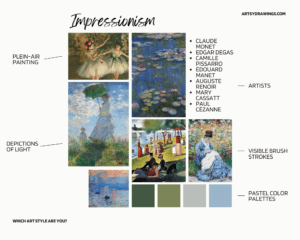
Scroll to Top
Cart
0
Add Coupon Code
Subtotal