
We have a lot in common with nature: we’re stubborn like weeds, temperamental like succulents, and simply crave love and attention. We also can never get enough water….please let it rain. We’re all simply fighting to get ahead in a crowded room.
So, let’s make a pretty flower drawing based on your personality. ❀
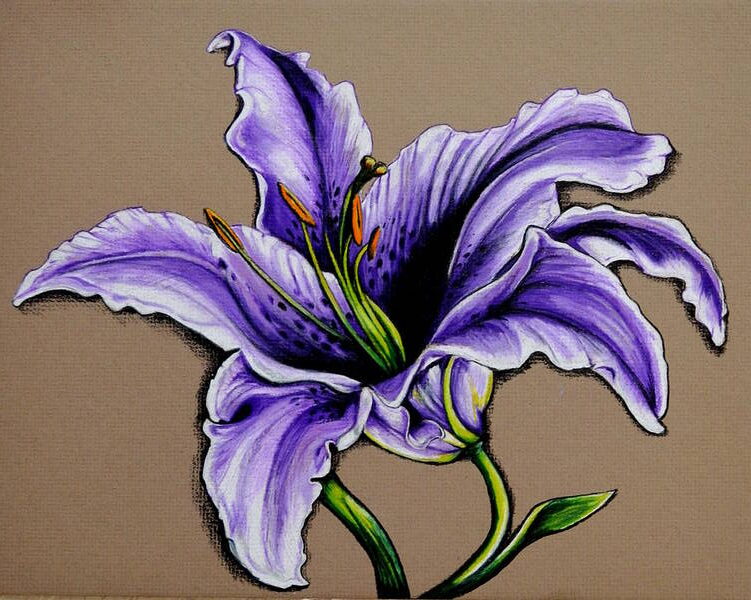
Welcome to my artsy corner of the internet, where I write whimsical and sometimes cynical artsy articles about art. This one is about your custom flower drawing.
For this article, we are going to take a quiz about being an artist. I think there are genuine psychological links between the shapes we’re drawn to and how we move through the world. Whether you’re here because you’re looking for your next flower drawing inspiration or you just want to see which botanical reflects your era of chaos, let’s get into it and find the flower drawing that matches your personality.
Which Botanical Identity Is Fueling Your Chaos?
Most personality quizzes are just low-effort filler for people who think art is something you buy to match a sofa. I’m more interested in the fact that flowers are bizarre, structural individuals. They aren’t just “pretty” background noise, they are biological machines with specific survival tactics and personalities that don’t care if you like them or not.
Look, the “high-brow” art world—specifically the gatekeeping wing that smells like stale espresso and unearned confidence—loves to pretend that a flower drawing is the bottom of the barrel. They’ll call it “basic” or “purely decorative.” That’s usually just code for “I’m dismissing this because it feels feminine and I’m too insecure to admit it requires actual technical mastery.” I am so incredibly over that. If you’ve ever actually tried to map out the organic geometry of a blooming dahlia or the punishingly sharp angles of a desert succulent, you know it’s not just a hobby; it’s a structural engineering project.
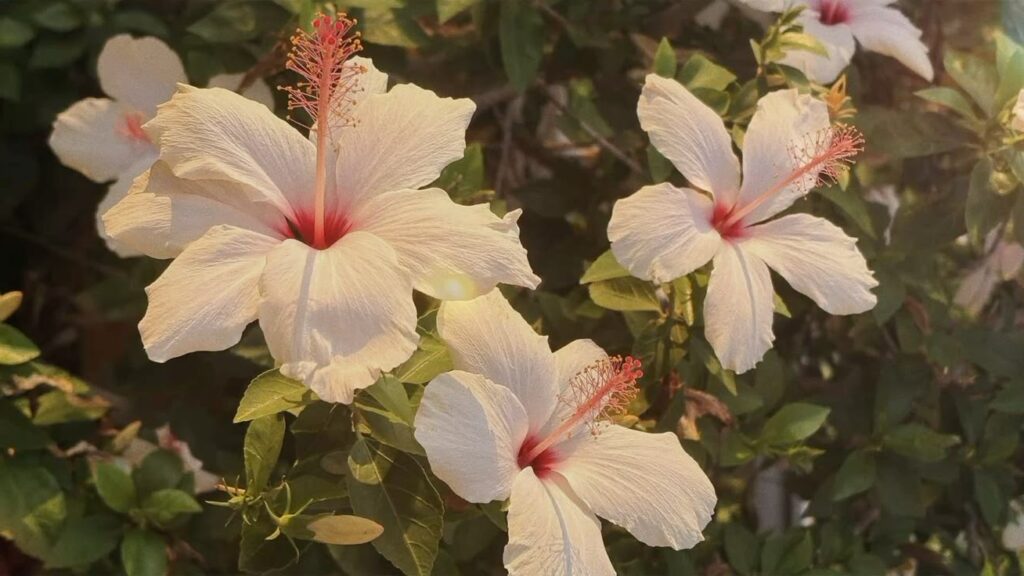
Every single petal curve is a deliberate choice that dictates the light and shadow of the entire piece. Every stamen isn’t just a detail; it’s a high-stakes focal point. You aren’t just doodling something pretty, you are translating a complex living system. When you choose a specific flower drawing to represent your personality, you aren’t just picking a “vibe.” You’re selecting a survival strategy..
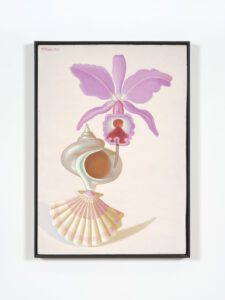

Look at someone like Maruja Mallo. She didn’t paint “nice” flowers; she painted botanical structures that felt architectural and deeply haunting.
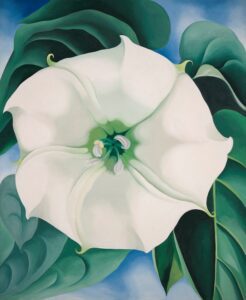
She took the “feminine” label and crushed it with precision. Unlike Georgia O’Keeffe, who gets all the credit for making flowers “soft,” artists like Mallo saw the grit. Plants are aggressive. They fight for sun and survive in the cracks of pavement or the suffocating humidity. We are looking for ourselves in the petals, trying to find a bit of grit in the garden. This isn’t about being “dainty”it’s about the technicality of life and the cynicism of beauty.
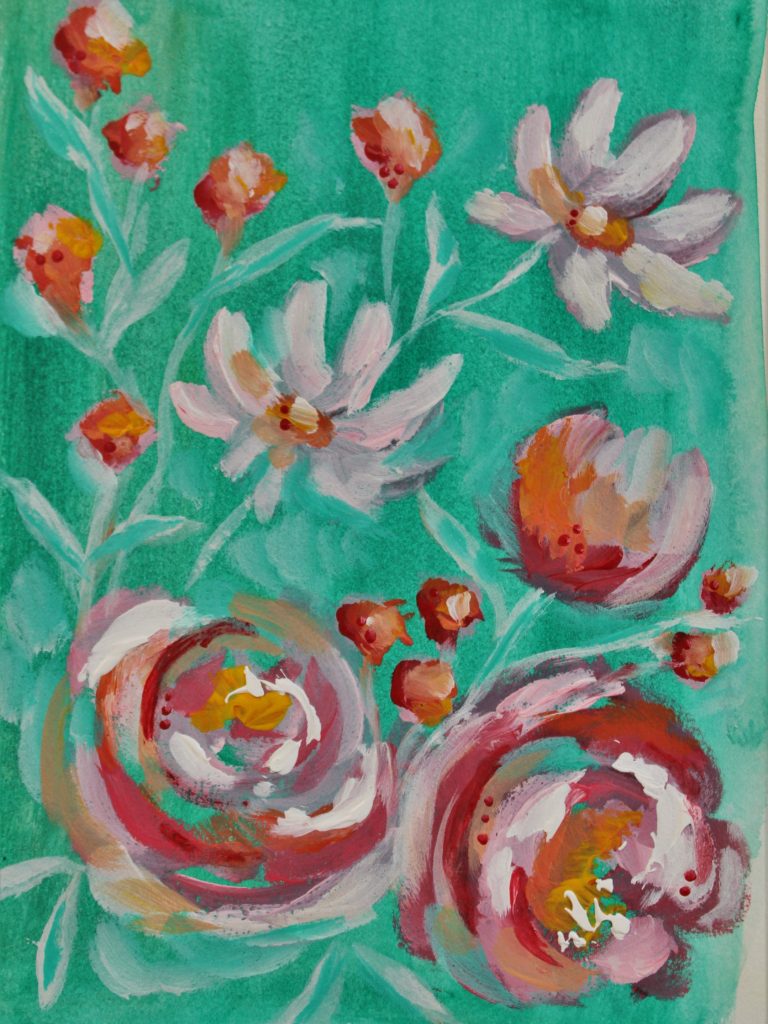
The Flower Drawing Personality Quiz ❀
Every plant is a unique piece of Earth’s natural engineering. When you decide you want to draw a flower, I want you to be intentional about the colors, petals, and composition. Maybe a bouquet in a vase feels like decoration, but you, the artist are the one who can make it art. Take this fun personality quiz to better understand yourself and what type of flower you should draw next.

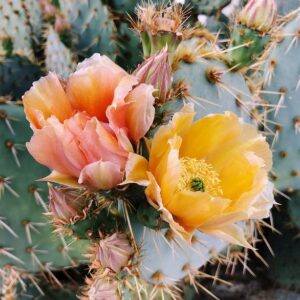
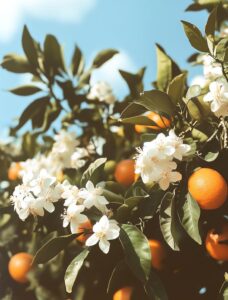
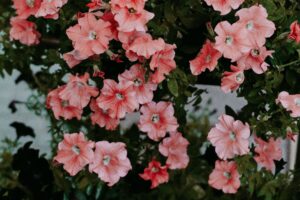
❀ scroll up for the quiz answers, this is a glitch I’m actively fixing ❀
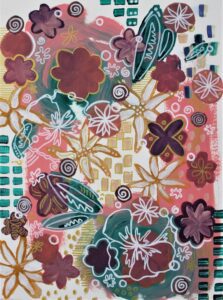
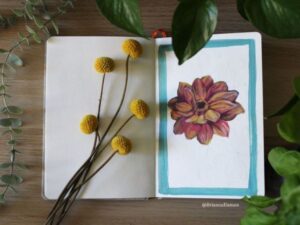
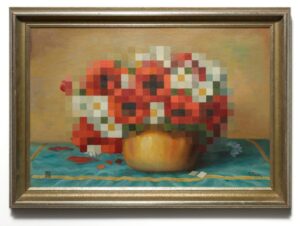
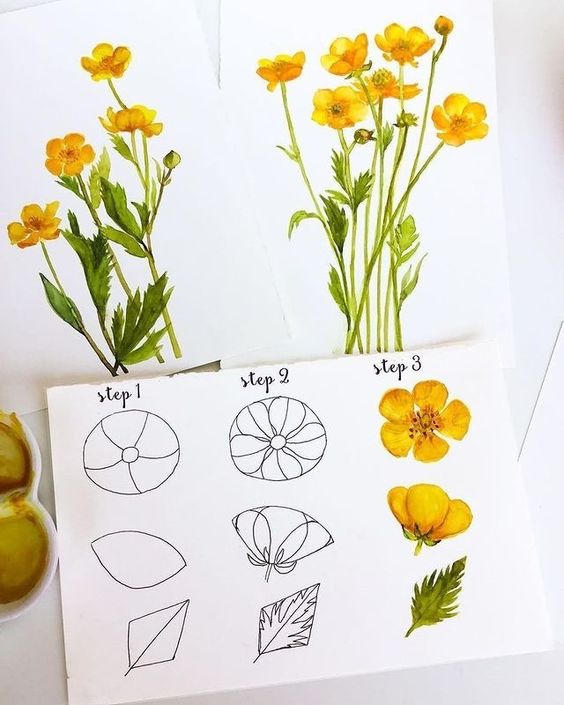
Other Flower Drawing Examples
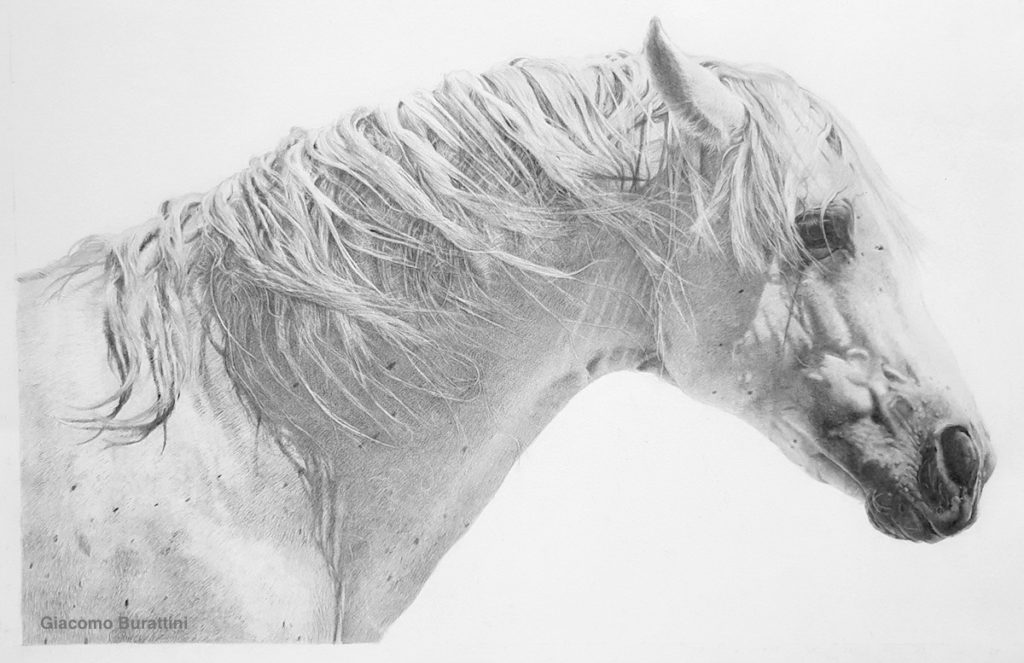
For more inspiration related to flower drawing, paintings, and nature inspired artwork, please make sure to check out my portfolio. As an artist of over 20 years, I have found that flowers, landscapes, and nature are my favorite things to draw, paint and photograph. They have a certain organic beauty and natural aesthetic color scheme that many famous artists also compliment.
Likewise, if you enjoyed this article and quiz about your flower drawing, please check out my other articles on the Art Advice tab on the home page. I publish an article every month and I’m always looking for new inspiration and growth in my artistic career.
Beyond the technical skills of line weight and shading, the act of drawing flowers is a profound exercise in observation and empathy. There is a reason why, after two decades of creating art, I still find myself returning to the garden. Flowers are nature’s masterclass in design—they utilize the Golden Ratio, Fibonacci sequences, and color harmonies that no human invention can truly replicate.
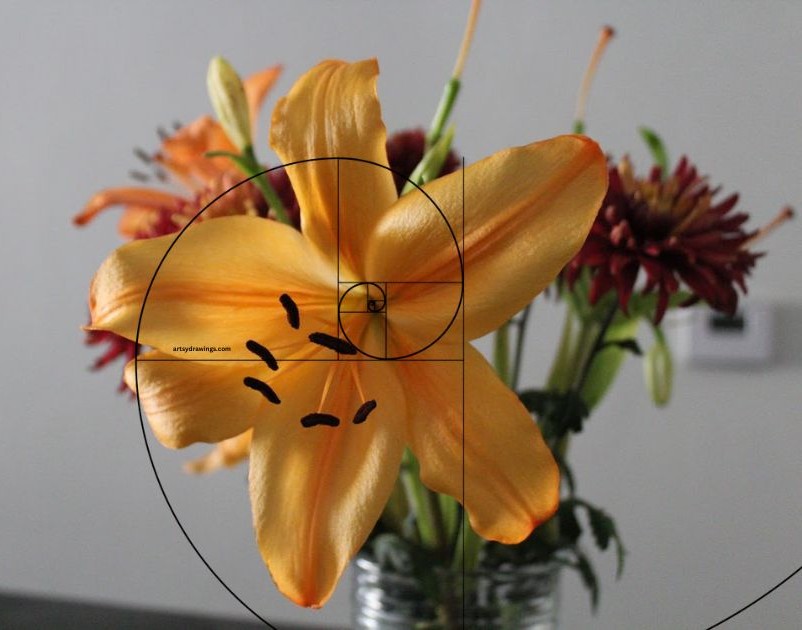
As noted on AskNature, this beauty has a functional purpose: “The Fibonacci sequence [acts as an optimal strategy for] packing, [which] allows for the most seeds to be packed into the smallest area, ensuring that each seed has enough room to grow without overcrowding.”
When we sit down to draw a petal or a stamen, we are doing more than just putting graphite to paper. We are practicing a form of meditation. In an era dominated by screens, deadlines, and the relentless noise of digital life, the act of sketching a flower forces us to slow down. It pulls us away from the artificial constraints of modern society and returns us to our biological roots. We are, in our essence, creatures of the earth, yet we have built lives that often feel divorced from it. Returning to nature—even if only for an hour on a sketchbook page—is an act of reclamation. It is an acknowledgment that our peace is found not in an inbox, but in the quiet, unfolding symmetry of a blossom.
30 Flowers to Inspire Your Next flower drawing
Whether you want to capture the intricate complexity of a peony or the sharp, geometric lines of a desert bloom, here are 30 of my personal favorite flowers to study and draw:
| Flower | Why it makes a good flower drawing |
| Peony | The layers of ruffled petals offer endless texture. |
| Sunflower | A perfect study in Fibonacci sequences and radial symmetry. |
| Hibiscus | Features bold, flowing lines and an iconic, prominent stamen. |
| Lotus | Represents purity and structure with its elegant, layered forms. |
| Lavender | Perfect for practicing repetition and fine, delicate detail. |
| Orchid | The exotic shapes challenge your spatial awareness and perspective. |
| Poppy | Simple, papery petals that allow for expressive, loose strokes. |
| Dahlia | Complex, repeating geometric patterns that are deeply satisfying. |
| Tulip | Teaches you about the beauty of simple, elegant curves. |
| Cherry Blossom | A masterclass in minimalism and negative space. |
| Rose | The ultimate challenge in understanding volume and light. |
| Succulent (Echeveria) | Teaches rigid, structural, and succulent leaf formation. |
| Bird of Paradise | Incredible architectural angles that feel almost robotic. |
| Marigold | The densely packed petals are great for building up values. |
| Water Lily | Offers a chance to incorporate reflection and fluid movement. |
| Daisy | A classic for beginners to learn about balance and focal points. |
| Snapdragon | Intricate, vertical forms that break up standard floral shapes. |
| Morning Glory | Its trumpet shape is perfect for practicing elliptical perspective. |
| Iris | Unique, complex silhouettes that demand careful observation. |
| Zinnia | Vibrant, varied textures that look great in colored pencil. |
| Ranunculus | Similar to the peony, but with even tighter, swirling layers. |
| Cosmos | Airy, delicate, and fantastic for light, feathery sketching. |
| Hydrangea | A giant, modular shape made of hundreds of tiny, simple blooms. |
| Protea | Exotic and wild; the perfect subject for a dramatic sketch. |
| Magnolia | Thick, waxy petals that capture light in a soft, diffused way. |
| Bleeding Heart | A whimsical, perfectly symmetrical shape that feels magical. |
| Carnation | The jagged edges are excellent for practicing textured lines. |
| Anemone | Stark contrast between the dark centers and bright petals. |
| Calla Lily | The epitome of a single, continuous, sweeping line. |
| Pansy | Detailed patterns in the center make them fun to “portray.” |
A Final ❀❀ Flower Drawing ❀❀ Thought on Connection
Drawing is our way of saying, “I see this, and it matters.” By observing the resilience of a desert bloom or the fleeting life of a tropical flower, we learn to appreciate the impermanence of all things—including our own stresses.
We live in a society that demands constant output, but nature only asks for observation. When you feel the weight of the world, put down the phone and pick up a pencil. Don’t worry about making it perfect. Just focus on the curve of a leaf or the way a stem leans toward the light. In that quiet moment of creation, you aren’t just an artist—you are a part of the landscape again.
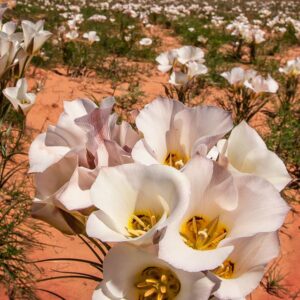
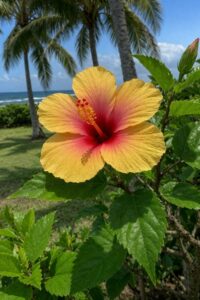
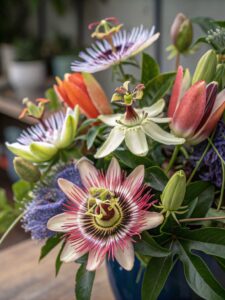
At the end of the day, a flower is just a pretty thing you cut and graciously allow water to survive. Whether it be a sharp-edged desert native or a lush tropical transplant, your flower is a reflection of the love and attention you give it.
Of course, neglect your succulents and allow your golden pothos to thrive because they’re easier. Plants aren’t people, and it’s really ok if you don’t have a green thumb. But, for those of you who did read this far and actually give two rats ass about my blog, please don’t be a pretentious douche of an artist. Appreciate the world we are given because it won’t look like this for much longer. Love your plants, your friends, even the cynical accountants trying to get you a higher tax refund. Be a good person and the world will thank you. Or it won’t, and you’ll spend time actively pretending people on the internet care about you and your thoughts on art. Regardless, flowers are too pretty not to draw so go draw some flowers and pretend that everything is okay, because it can be as long as you believe it can. ❀
Drawing is our way of saying, “I see this, and it matters.” By observing the resilience of a desert bloom or the fleeting life of a tropical flower, we learn to appreciate the impermanence of all things—including our own stresses.
Remember, if a Sego Lily can grow out of a crack in a rock, you can be a great artist.



wish you all the best
I am new to your website, I just stumbled upon this blog. I really liked this quiz and hope you do more in the future. Great job.