Flowers

What Flower Drawing Reflects Your Personality?

Welcome to my artsy corner of the internet. For this article, we are going to compare people to flowers and flower drawings. In truth, I think we are more like nature than we care to admit. We are stubborn like weeds, temperamental like succulents, and simply crave love and attention. We also can never get enough water. We’re all simply fighting to get ahead in a crowded room. So let’s make a pretty flower drawing based on your personality.

Most personality quizzes are a special kind of shallow, but as an artist and actual human, I think there are genuine psychological links between the shapes we’re drawn to and how we move through the world. Whether you’re here because you’re looking for your next flower drawing inspiration or you just want to see which botanical reflects your era of chaos, let’s get into it and find the flower drawing that matches your personality.

Which Botanical Identity Is Fueling Your Chaos?

Most personality quizzes are just low-effort filler for people who think art is something you buy to match a sofa. I’m more interested in the fact that flowers are bizarre, structural individuals. They aren’t just “pretty” background noise, they are biological machines with specific survival tactics and personalities that don’t care if you like them or not.

Look, the “high-brow” art world—specifically the gatekeeping wing that smells like stale espresso and unearned confidence—loves to pretend that a flower drawing is the bottom of the barrel. They’ll call it “basic” or “purely decorative.” That’s usually just code for “I’m dismissing this because it feels feminine and I’m too insecure to admit it requires actual technical mastery.” I am so incredibly over that. If you’ve ever actually tried to map out the organic geometry of a blooming dahlia or the punishingly sharp angles of a desert succulent, you know it’s not just a hobby; it’s a structural engineering project.

Every single petal curve is a deliberate choice that dictates the light and shadow of the entire piece. Every stamen isn’t just a detail; it’s a high-stakes focal point. You aren’t just doodling something pretty, you are translating a complex living system. When you choose a specific flower drawing to represent your personality, you aren’t just picking a “vibe.” You’re selecting a survival strategy..

Look at someone like Maruja Mallo. She didn’t paint “nice” flowers; she painted botanical structures that felt architectural and deeply haunting. She took the “feminine” label and crushed it with precision. Unlike Georgia O’Keeffe, who gets all the credit for making flowers “soft,” artists like Mallo saw the grit. Plants are aggressive. They fight for sun and survive in the cracks of pavement or the suffocating humidity. We are looking for ourselves in the petals, trying to find a bit of grit in the garden. This isn’t about being “dainty”it’s about the technicality of life and the cynicism of beauty.

The Flower Drawing Personality Quiz

Every plant is a unique piece of Earth’s natural engineering. When you decide you want to draw a flower, I want you to be intentional about the colors, petals, and composition. Maybe a bouquet in a vase feels like decoration, but you, the artist are the one who can make it art. Take this fun personality quiz to better understand yourself and what type of flower you should draw next.

Please enter your email:

1. What can you typically find in your art studio?


2. A critique calls your work “too commercial”. How do you respond?


3. How do you handle a family member asking for a free painting of their pet?


4. What does your “recently deleted” folder look like?


5. What keeps you hyper focused when you get in the art-zone?


6. You’re packing for a trip and have some room for art supplies. What do you bring?


7. How do you feel about the “Cottagecore” aesthetic on social media?


8. Which forbidden artist tool do you use?


9. Where do you find the best inspiration?


10. The ultimate goal for your next drawing is:


Question 1 of 10

floral painting flower drawing artsy trends by brianna eisman artist
Florals by Brianna Eisman

Other Flower Drawing Examples

For more inspiration related to flower drawing, paintings, and nature inspired artwork, please make sure to check out my portfolio. As an artist of over 20 years, I have found that flowers, landscapes, and nature are my favorite things to draw, paint and photograph. They have a certain organic beauty and natural aesthetic color scheme that many famous artists also compliment.

Likewise, if you enjoyed this article and quiz about your flower drawing, please check out my other articles on the Art Advice tab on the home page. I publish an article every month and I’m always looking for new inspiration and growth in my artistic career.

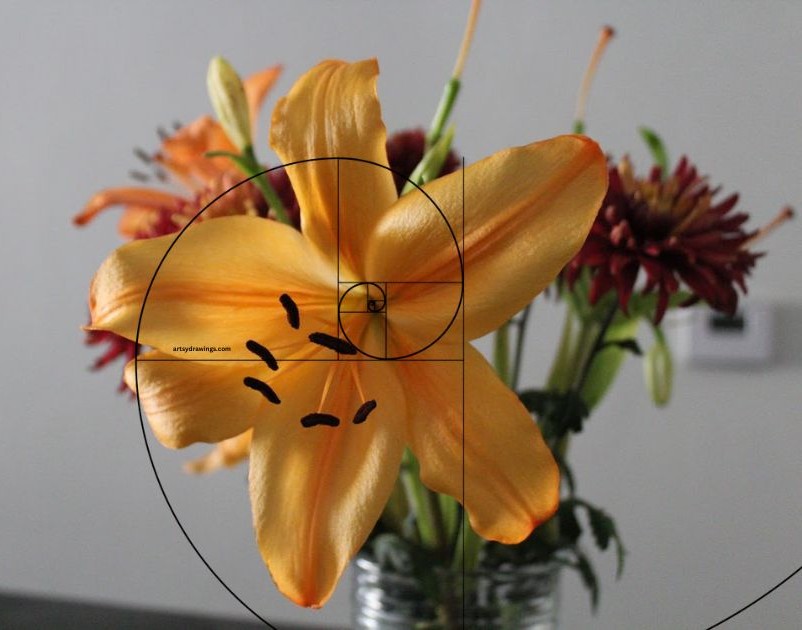
Beyond the technical skills of line weight and shading, the act of drawing flowers is a profound exercise in observation and empathy. There is a reason why, after two decades of creating art, I still find myself returning to the garden. Flowers are nature’s masterclass in design—they utilize the Golden Ratio, Fibonacci sequences, and color harmonies that no human invention can truly replicate.

As noted on AskNature, this beauty has a functional purpose: “The Fibonacci sequence [acts as an optimal strategy for] packing, [which] allows for the most seeds to be packed into the smallest area, ensuring that each seed has enough room to grow without overcrowding.”

When we sit down to draw a petal or a stamen, we are doing more than just putting graphite to paper. We are practicing a form of meditation. In an era dominated by screens, deadlines, and the relentless noise of digital life, the act of sketching a flower forces us to slow down. It pulls us away from the artificial constraints of modern society and returns us to our biological roots. We are, in our essence, creatures of the earth, yet we have built lives that often feel divorced from it. Returning to nature—even if only for an hour on a sketchbook page—is an act of reclamation. It is an acknowledgment that our peace is found not in an inbox, but in the quiet, unfolding symmetry of a blossom.

30 Flowers to Inspire Your Next flower drawing

Whether you want to capture the intricate complexity of a peony or the sharp, geometric lines of a desert bloom, here are 30 of my personal favorite flowers to study and draw:

FlowerWhy it makes a good flower drawing
PeonyThe layers of ruffled petals offer endless texture.
SunflowerA perfect study in Fibonacci sequences and radial symmetry.
HibiscusFeatures bold, flowing lines and an iconic, prominent stamen.
LotusRepresents purity and structure with its elegant, layered forms.
LavenderPerfect for practicing repetition and fine, delicate detail.
OrchidThe exotic shapes challenge your spatial awareness and perspective.
PoppySimple, papery petals that allow for expressive, loose strokes.
DahliaComplex, repeating geometric patterns that are deeply satisfying.
TulipTeaches you about the beauty of simple, elegant curves.
Cherry BlossomA masterclass in minimalism and negative space.
RoseThe ultimate challenge in understanding volume and light.
Succulent (Echeveria)Teaches rigid, structural, and succulent leaf formation.
Bird of ParadiseIncredible architectural angles that feel almost robotic.
MarigoldThe densely packed petals are great for building up values.
Water LilyOffers a chance to incorporate reflection and fluid movement.
DaisyA classic for beginners to learn about balance and focal points.
SnapdragonIntricate, vertical forms that break up standard floral shapes.
Morning GloryIts trumpet shape is perfect for practicing elliptical perspective.
IrisUnique, complex silhouettes that demand careful observation.
ZinniaVibrant, varied textures that look great in colored pencil.
RanunculusSimilar to the peony, but with even tighter, swirling layers.
CosmosAiry, delicate, and fantastic for light, feathery sketching.
HydrangeaA giant, modular shape made of hundreds of tiny, simple blooms.
ProteaExotic and wild; the perfect subject for a dramatic sketch.
MagnoliaThick, waxy petals that capture light in a soft, diffused way.
Bleeding HeartA whimsical, perfectly symmetrical shape that feels magical.
CarnationThe jagged edges are excellent for practicing textured lines.
AnemoneStark contrast between the dark centers and bright petals.
Calla LilyThe epitome of a single, continuous, sweeping line.
PansyDetailed patterns in the center make them fun to “portray.”

A Final Thought on Connection

Drawing is our way of saying, “I see this, and it matters.” By observing the resilience of a desert bloom or the fleeting life of a tropical flower, we learn to appreciate the impermanence of all things—including our own stresses.

We live in a society that demands constant output, but nature only asks for observation. When you feel the weight of the world, put down the phone and pick up a pencil. Don’t worry about making it perfect. Just focus on the curve of a leaf or the way a stem leans toward the light. In that quiet moment of creation, you aren’t just an artist—you are a part of the landscape again.

Conclusion

At the end of the day, a flower is just a pretty thing you cut and graciously allow water to survive. Whether it be a sharp-edged desert native or a lush tropical transplant, your flower is a reflection of the love and attention you give it.

Of course, neglect your succulents and allow your golden pothos to thrive because they’re easier. Plants aren’t people, and it’s really ok if you don’t have a green thumb. But, for those of you who did read this far and actually give two rats ass about my blog, please don’t be a pretentious douche of an artist. Appreciate the world we are given because it won’t look like this for much longer. Love your plants, your friends, even the cynical accountants trying to get you a higher tax refund. Be a good person and the world will thank you. Or it won’t, and you’ll spend time actively pretending people on the internet care about you and your thoughts on art. Regardless, flowers are too pretty not to draw so go draw some flowers and pretend that everything is okay, because it can be as long as you believe it can.

flower drawing art painting artsy drawings

Drawing is our way of saying, “I see this, and it matters.” By observing the resilience of a desert bloom or the fleeting life of a tropical flower, we learn to appreciate the impermanence of all things—including our own stresses.

We live in a society that demands constant output, but nature only asks for observation. When you feel the weight of the world, put down the phone and pick up a pencil. Don’t worry about making it perfect. Just focus on the curve of a leaf or the way a stem leans toward the light. In that quiet moment of creation, you aren’t just an artist—you are a part of the landscape again.

If a Sego Lily can grow out of a crack in a rock, you can be a great artist.

What Flower Drawing Reflects Your Personality? Read More »

How to Paint a Flower for Beginners: 6 Easy Steps

Have you ever wanted to paint a beautiful flower but didn’t know where to start? Painting can be a lot of fun and a great way to relax. Today, I’m going to show you how to paint a flower step by step. This guide is perfect for beginners or anyone who loves art and wants to create something beautiful. So, let’s get started!

Learn how to paint a flower in a few easy steps!

How to paint a flower step 1: Gather Your Supplies

Before we dive into painting, it’s important to gather all the necessary supplies. You can find these supplies at your local craft stores, or purchase them from Amazon. If you choose to buy from Amazon, please use the links below to support Artsy Drawings!

You will need paints, either acrylic or watercolor, depending on what you prefer. Acrylic paints are thicker and dry quickly, while watercolors are lighter and can be blended with water. For help choosing mediums, check out the article My Favorite Artistic Mediums. Choose colors that you love for your flower and background.

Next, you’ll need a variety of paintbrushes. Having a big brush for the background and smaller brushes for details will help you create different effects. You will also need a canvas or watercolor paper to paint on, and a palette to mix your paints. Regardless of whether you choose acrylic paints or watercolor paints, it’s important to keep a cup of water handy. If you’re using acrylics, a palette knife can be useful for mixing. Don’t forget to have some paper towels or a cloth to clean your brushes, and a pencil and eraser for sketching your flower.

Optional items that can make your painting experience better include an easel to hold your canvas or paper, an apron or old clothing to protect your clothes, and painters’ tape to keep your paper from moving. Once you have all your supplies ready, you’re set to learn how to paint a flower and create your masterpiece.

How to paint a flower step 2: Setting Up Your Workspace

how to paint a flower painting - artist set up
High Angle Shot of a Woman Painting by Leeloo The First

Creating a comfortable and organized workspace is crucial for a smooth painting experience. Find a well-lit area where you feel relaxed and can see your work clearly. Arrange your paints, brushes, and other materials within easy reach so you won’t have to interrupt your creative flow to hunt for supplies. Make sure your canvas or paper is secured on your easel or flat surface, and you’re ready to begin to learn how to paint a flower.

Having a reference photo can be very helpful. Choose a simple flower like a daisy, tulip, or sunflower. You can find pictures online or in books. Pinterest is a great source for reference material. A reference photo will guide you and help you understand the shapes and colors better.

Here are some helpful tips before you start: keep your workspace tidy to avoid distractions, use a color wheel for better color choices, and practice basic shapes before starting on the final sketch. These tips will make your painting experience more enjoyable and successful.

How to paint a flower step 3: Sketching the Flower

Now that your workspace is set up and your supplies are ready, it’s time for the real step 1 in how to paint a flower: sketching the flower. Using a pencil, lightly sketch the outline of your flower on the canvas or paper. Use simple shapes to get the proportions right. For instance, a daisy has a round center with long, thin petals radiating out. Use your reference photo to guide your sketch. Don’t worry about making your sketch perfect; it’s just a guide to help you when you start painting.

How to paint a flower step 4: Painting the Flower

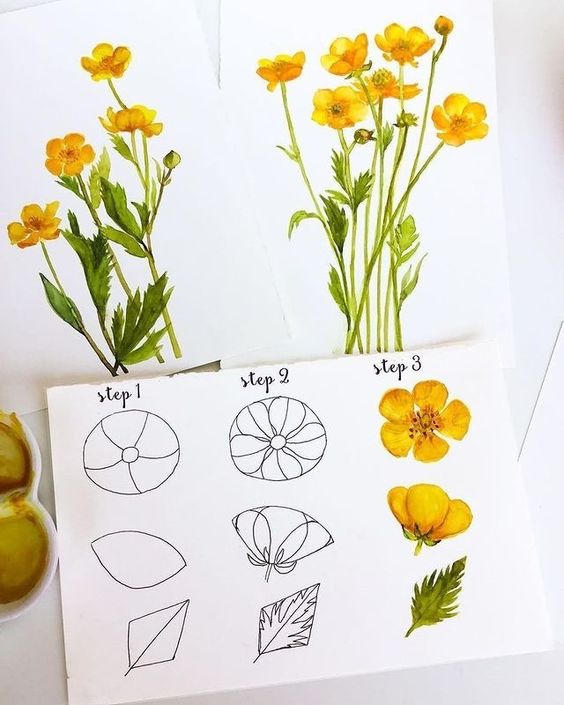
how to paint a flower for beginners: different types of flowers in watercolor paint - Artsy Drawings
Learn how to paint a flower in a few easy steps!

Now comes the fun part—painting the flower! Start by applying a base layer to the petals using a light color. For example, if you’re painting a daisy, you might use white or light yellow. Use a smaller brush for this step and carefully paint each petal.

Once the base layer is dry, it’s time to add details. Remember, if you are using acrylic or gouache paint you can paint dark to light. If you are using watercolors, paint light to dark.

Use different shades and tints to create shadows and highlights. This will give your flower depth and make it look more realistic. For the center of the flower, use a different color like yellow or brown for a daisy, and paint the stem and leaves green. Blending the colors smoothly where they meet will help your flower look soft and natural. Add any final touches to enhance the details and make your flower pop.

Let your painting dry completely before moving on to painting the background. This will prevent the colors from mixing unintentionally.

How to paint a flower step 5: Painting the Background

With your flower fully based out, the next step is to paint the background. Pick a color that will make your flower stand out, such as a light blue or green, because these colors are opposite to red and orange on the color wheel. Using a big brush, apply the paint in long, even strokes to cover the entire background. If you want, you can blend different colors to create a more interesting effect. For example, you can blend blue and white to create a sky-like background. You can also add extra green colors for grass, trees, or whatever garden you may find your flower in.

Understanding Different Types of Flowers

While the daisy, tulip, and sunflower are excellent choices for beginners, it’s worth exploring a variety of flowers to expand your painting repertoire. Each flower has unique shapes, colors, and textures that can be both a challenge and a delight to paint. Let’s take a closer look at a few more flowers you might want to try.

how to paint a flower for beginners: different types of flowers in watercolor paint - Artsy Drawings
There are many different types of flowers you can choose to paint, from sunflowers and violets to hydrangeas and poppies.

Roses

Roses are classic and loved by many. They can be a bit challenging due to their layered petals, but with patience and practice, you can master them. Start by painting the central petals tightly together and gradually expand outwards, layering as you go. Use shades of red, pink, white, or yellow, and remember to add shadows and highlights to give depth.

Orchids

Orchids have an exotic and delicate appearance, making them a fascinating subject. Their petals often have intricate patterns and vibrant colors. When painting orchids, focus on capturing the delicate texture of the petals and the unique shapes of the flower parts. Use reference photos to help guide you.

Lilies

Lilies are elegant and can add a touch of sophistication to your artwork. Their large, curved petals and prominent stamens make them an interesting challenge. Use smooth, sweeping brushstrokes to capture the shape of the petals and pay attention to the subtle color variations in each petal.

Sunflowers

Sunflowers are cheerful and relatively straightforward to paint. Their bright yellow petals and large, dark centers make them instantly recognizable. When painting sunflowers, start with the center and work your way outwards, adding petals in layers to create a full, vibrant flower.

Cherry Blossoms

Cherry blossoms are delicate and often painted in clusters, creating a beautiful and serene scene. Use light pinks and whites, and focus on capturing the softness of the petals. Adding branches and buds can enhance the overall composition.

Hydrangeas

Hydrangeas are composed of many small flowers clustered together, creating a lush and full appearance. They can be painted in various colors, from blues and pinks to purples and whites. Use small, delicate brushstrokes to capture the individual flowers and create a sense of volume.

Practicing Different Flower Structures

As you become more comfortable with learning how to paint a flower, challenge yourself to explore different structures and compositions. Practice painting flowers from various angles and perspectives, such as a side view, top view, or even a close-up of a single petal. This will help you develop a better understanding of the shapes and forms of different flowers.

how to paint a flower for beginners: different types of flowers in watercolor paint - Artsy Drawings

Mastering Color Mixing and Techniques

Color mixing is an important part of painting. Mixing colors allows you to create different shades and tones, making your painting more vibrant and realistic. For example, you can mix blue and yellow to make green, or red and white to make pink. Experiment with mixing colors on your palette to see what new colors you can create. If you want to learn more about color theory and mixing, check out our blog post here.

There are some easy painting techniques that can make your flower look even better. The wet-on-wet painting technique is when you apply wet paint onto wet paper or another layer of wet paint. This creates soft edges and allows colors to blend easily. The dry brush technique involves using a dry brush with very little paint. This technique is great for creating texture. Lastly, the layering technique involves applying multiple layers of paint, letting each layer dry before applying the next. This technique adds depth and richness to your painting.

To learn more color and painting techniques, check out the articles about My Favorite Artistic Mediums, Color Knowledge Tips to Make You a Better Artist, and Color Theory for Beginners.

How to paint a flower step 6: Final Steps

After you’ve finished painting your flower, let it dry completely. This might take a few hours depending on the type of paint you used. Once it’s dry, you can handle your painting without worrying about smudging it. If you want to protect your painting, you can apply a clear varnish, though this step is optional. Sealing your painting can help it last longer and keep the colors vibrant.

At Artsy Drawings, we recommend using a good quality varnish, especially if you plan to sell your work or hang it in a sunny place. We use Liquitex Acrylic Medium Gloss Varnish for acrylic paintings.

Conclusion

You did it! You’ve painted a beautiful flower. In a few simple steps, you created a beautiful work of art, and became better at knowing how to paint a flower. Painting is all about practice and enjoying the process, so don’t worry if your first flower isn’t perfect. Keep practicing, and you’ll get better and better.

Knowing how to paint a flower can be a versatile skill that extends beyond your canvas. For instance, you can apply this talent to decorate pottery, adding a personal and artistic touch to ceramic pieces like vases or plates, making them unique gifts or home decor. Additionally, hand-painted flowers can be used to create personalized holiday ornaments or cards, infusing gifts with a special, handcrafted charm that reflects your creativity and attention to detail. This skill can also enhance your ability to design floral patterns for textiles or even decorate cakes with artistic precision.

We’d love to see your flower paintings! Share your finished artwork on social media and tag us. Feel free to leave comments and let us know how your painting experience went.

how to paint a flower for beginners: paint flowers on pottery
You can use this skill of how to paint flowers on all sorts of things: from canvas to pottery

How to Paint a Flower for Beginners: 6 Easy Steps Read More »

How to Make the Color Purple

The Hypnotic And Rich Historical Backstory Of How Simple Purple Became Periwinkle, Indigo, Maroon, And Lavender Color.

The color purple is a mesmerizing hue and has captured the imagination of artists, designers, and enthusiasts for centuries. The color purple is a color of intrigue, luxury, creativity, and spirit. And it comes in many shades, tints, and tones, from mauve to grape to a stunning pastel lavender color.

According to color theory, purple is a secondary color and a mixture of red and blue. But I think it’s much more than that, and I think you do too. Let’s get into the mysteries of the color purple.

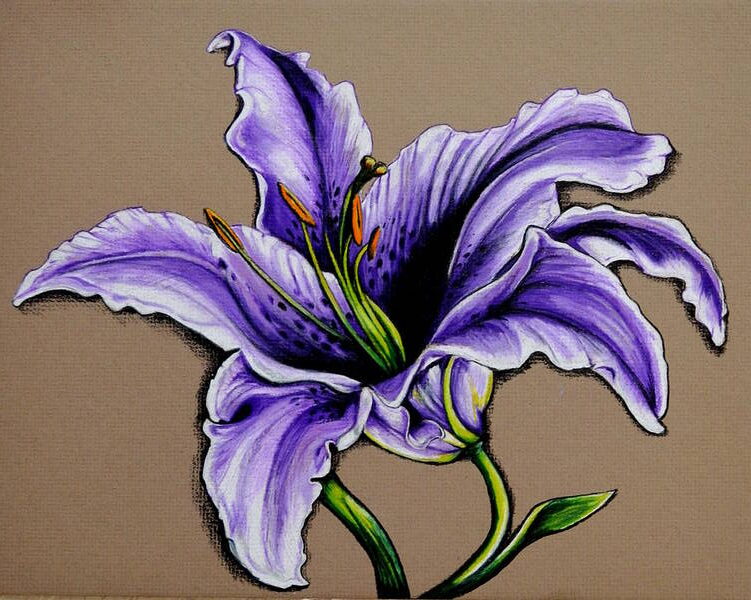
the color purple lily flower drawing by Kathleen Fiorito with vibrant lavender color
Drawing by Kathleen Fiorito

In this article, we’ll explore the world of the color purple: its rich history, the art of mixing and creating it, and its significance in various industries. We’ll also explore a spectrum of 30 distinct shades of purples, violets and lavender color, from periwinkle to plum, and where you can find them in different aspects of our world.

A Journey Through Art History: the Royal Past of the color purple

The regal reputation of the color purple goes back centuries. In ancient times, the production of purple dye was a laborious and costly process, making it a symbol of wealth and status.

Phoenician traders extracted violet dye from the glands of mollusks in the Mediterranean Sea. The product was called “Tyrian purple.”

This exhibit in the Museum of Natural History in Vienna features fabrics dyed from different species of sea snail, similar to how ancient people extracted the purple color.

In fact, according to an article by Kristine Ballard, over 9,000 snail mollusks produced a single gram of the precious Tyrian purple dye. This rarity made the color purple especially valuable.

The term “purple” comes from the Greek πορφύρα (porphura) and Latin purpura.

The Romans reserved the color purple for emperors and high-ranking officials. Similarly, the Byzantine Empire used purple as a privilege exclusively for the imperial family.

During the Renaissance, artists like Leonardo da Vinci, Titian, and Veronese utilized various shades of lavender color in their works to symbolize nobility and spirituality. In the 18th and 19th centuries, purple represented mysticism and the spiritual, often appearing in paintings with religious or symbolic themes.

During the Renaissance Violet featured throughout many religious paintings. Angels and the Virgin Mary were often portrayed wearing violet robes. Many painters of the 19th century experimented with the uses of the colour violet to capture the subtle effects of light.
Madonna and Child by Giotto. Tempera on panel, 1320-30.

The Perfect Purple, Maroon, or Lavender Color

To create the perfect shade of purple, one must combine red and blue. As discussed in a preliminary article regarding color theory and the color wheel, you must mix two primary colors to produce a secondary color, like purple.

The proportion of each color will determine the tone, from a delicate lavender to a deep violet. Experiment with different ratios to achieve your desired hue. Introducing white will lighten the shade, while black or optical black will darken it. You can also adjust the tone, saturation and vibrancy using other colors on the wheel. Keep in mind that the specific red and blue you use will influence the final result.

For more color theory tips and tricks, check out these artsy articles on color knowledge tips and color theory for beginners.

colorful pink and the color purple cow surreal gouache paint painting with orange sky
Sweet Cow by Brianna Eisman
4″x6″ acrylic on paper

The Many Shades of the color Purple and Their Applications

Depending on how you choose to mix the color purple, the outcome can be very different. Even though you mix red and blue colors, your purple can vary significantly. Next, I’ll determine the differences between 30 different colors of purple and their origins.

Overall, it’s important to keep in mind that colors are extremely variable. The hue derived from the origin, like a flower or fruit, may not match the HEX or color code exactly. Likewise, you may interpret the color differently in your head than how I interpret the color in this article.

There are so many lavender color flowers!

Firstly, the best way to organize these colors is by their origin. I found nine of out 30 come from flowers, so let’s start with the color purple derived from plants and flowers.

Lavender: #A684C2

This light purple is often associated with tranquility and can be seen in interior design for bedrooms and spa settings. Like its namesake flower, the lavender color provides a calm feeling with its pastel quality and slightly bluer hue.

Lilac: #B889BB

A soft, pale purple used in springtime floral arrangements. Similar to the lavender color, the name lilac originates from the flower’s color. I think lilac is slightly more red and pink than the lavender color, though.

Periwinkle: #CCCCFF

A soft and charming, periwinkle is the color purple shade used in children’s products and fashion.

Heather: #A484AC

A muted purple with a gray undertone, often found in interior design.

Iris: #5D3FD3

A medium purple, perfect for adding a pop of color to clothing or accessories.

Orchid: #DA70D6

This vivid and exotic shade is sourced from the vibrant flower and used in cosmetics and fashion. Additionally, clothing designer Halston was known for populating his studio with live orchid flowers as inspiration. He had a $150,000 yearly orchid budget! Aside from their brilliant pinky-purple hue and meanings of love, luxury, beauty and strength, orchids are innately provocative, much like Halston’s lines.

Thistle: #D8BFD8

A pale purple with a touch of gray, ideal for sophisticated design projects.

Pansy: #78184a

A vibrant and bold purple often found in gardening and horticulture.

Wisteria: #c9a0dc

A pale and delicate purple often used in weddings and floral design.

What are Spectral Colors?

Next, violet and indigo deserve their own sub-section as these are some of the most pure colors in the human visible light spectrum.

Both violet and indigo colors are found on the visible light spectrum.
Both violet and indigo are on the visible light spectrum.
Violet: #8F00FF

Violet is a type of flower and what is known as a spectral color. The hue has its own wavelength at the end of the spectrum of light identified by Isaac Newton.

In the art community, the color violet is often interchangeable with “purple.” This confusion comes from the formal color wheel, Roy G. Biv, where the last two letters stand for indigo and violet. This original color wheel was created by Isaac Newton himself in 1666.

Visually, a purple marker and violet marker are the same color. Scientifically, violet is a spectral color with a wavelength of 400nm and purple is a combination of two spectral colors, red and blue, and has no wavelength.

Indigo: #4B0082

Indigo is another spectral color with its own wavelength. It is a deep, dark purple-blue, perfect for textiles and dyeing. According to Muzli Colors, indigo dye is derived from the Indigofera tinctoria plant and its first recorded use was in 1289.

Purple berries, fruits, and sweet treats!

Many purple colors come from berries and fruit in nature. These hues tend to be darker in color, but are definitely still classified as purple.

Eggplant: #614051

A rich and dark purple often used in cooking and home décor.

Aubergine: #472C4C

A rich and elegant shade found in gourmet cuisine and interior design. Actually, color wise, aubergine is the same color purple as eggplant. The difference is merely regional. ‘Eggplant’ is the term in American English, while ‘aubergine’ is used in British English.

Plum: #673147

A deep and luxurious purple often used in clothing and accessories. As expected, this color gets its name from the sweet fruit.

Mulberry: #c54b8c

A dark, reddish-purple shade often found in autumn-themed artwork.

Purple colors from food items like mulberry fruit on vines.
Mulberry purple comes from the mulberry fruit.
Boysenberry: #873260

A dark and fruity purple often found in food products and branding.

Grape: #6f2da8

This is really close to what I envision when I immediately think of the color purple. Even though the name of this color matches the fruit, this is not the color of grapes. Instead, the color purple ‘grape’ represents branding for candy in this flavor. It’s nostalgic for me in a sense. This color purple is a vibrant and playful purple used in branding for sweets and children’s products.

Fashion Forward Lavender Color

These colors typically more artificial and fabricated specifically for fashion and products. They can be perceived as more vibrant and rich than floral or berry purples.

Mauve: #C77398

This color purple is a dusty purple often used in fashion for a vintage, romantic feel. Mauve is actually the color of the first synthetic dye, created in 1856 by 18-year-old William Perkin. Within five years of the chemical creation, 28 dye factories opened, revolutionizing the fashion world and forever changing color production. Today, according to The American Scholar, there are over 10,000 synthetic dyes, from clothing to car paint to children’s’ toys and even shampoo.

Mauve is a dusty purple often used in fashion for a vintage, romantic feel. Mauve is actually the color of the first synthetic dye, created in 1856 by 18-year-old William Perkin. Within five years of the chemical creation, 28 dye factories opened, revolutionizing the fashion world and forever changing color production. Today, according to The American Scholar, there are over 10,000 synthetic dyes, from clothing to car paint to children's' toys and even shampoo.
Perkin’s original mauve dye from 1856.
Amethyst: #9966cc

Probably the most natural purple on this list, amethyst is a deep and vibrant purple taken from the crystal with the same name. Often used in jewelry design, this color has a more regal and wealthy appearance.

Probably the most natural purple on this list, amethyst is a deep and vibrant purple taken from the crystal with the same name. Often used in jewelry design, this color has a more regal and wealthy appearance.
While the gemstone comes in a variety of colors, typically, the color amethyst most closely resembles the popular African Amethyst (first image).
Magenta: #FF00FF

A bold and intense purple often found in advertising and packaging. While magenta is typically categorized as a pink, it is created by mixing blue and red, and can fall into the category of purple colors.

Jazzberry Jam: #a50b5e

I love the name of this color! Jazzberry jam is a playful, intense purple-pink commonly found in children’s products. Crayola has a crayon in this vibrant color.

A playful, intense purple commonly found in children's products. Crayola has a crayon in this vibrant color.
Jazzberry Jam is a fun pinky-magenta purple color with the Hex code #A50B5E.
Heliotrope: #df73ff

A soft and romantic purple used in cosmetics and fashion.

Grape Soda: #b498aa

Unlike the grape color, Grape Soda is manufactured by Kelly Moore paints and is typically used as house or wall paint. Kelly Moore describes the color as a “medium light shade of magenta-pink.”

Liseran Purple: #DE6FA1

Probably closer to a pink, this color is a bright, synthetic purple-pink used in textiles and plastics.

Regalia: #522d80

A rich, royal purple often found in academic regalia and ceremonial attire.

Taylor Swift in regalia purple attire speaking at NYU graduation
Taylor Swift wore a regalia purple attire when speaking at Spring 2022 NYU graduation ceremony.
Royal Purple: #7851a9

Historically, royal purple is associated with royalty. Similar to ancient Tyrian purple, the color is used in ceremonial and regal settings.

Byzantium: #702963

A dark, imperial purple used in art and historical reenactments.

Palatinate Purple: #682860

Not to be confused with Emperor Palpatine, palatinate purple is a bright, eye-catching purple. It’s used in sports branding and uniforms, as well as university ceremonial robes.

Remember that Emperor Palpatine is not palatinate purple!
Electric Purple: #bf00ff

A striking and intense shade, this brilliant hue generally appears in technology and digital design.

Blue-Purple (Cool Purple): #8a2be2

A cool-toned purple often used in contemporary design and art.

The Significance of the color Purple in the Modern World

The color purple still holds a unique place in our lives. It signifies creativity, individuality, and extravagance. Plus, it’s pretty!

For this gesture drawing, I chose a purple themed color scheme. I chose indigo, magenta, and peach colored soft pastels to create the illusion of a rich regalia violet color. This was created by Brianna Eisman for Artsy Drawings.
Purple Gesture Drawing by Brianna Eisman

For this gesture drawing, I chose a purple themed color scheme. I chose indigo, magenta, and peach colored soft pastels to create the illusion of a rich regalia violet color.

In branding, purple and lavender color invokes a sense of luxury, elegance, spirituality, creativity and uniqueness. So, you’ll find brands like Cadbury and NYU in deep rich regal purples. In the same way, you’ll see brands like Discord and Teams in more indigo and electric blue-purples.

In art and design, the color purple conveys a wide range of emotions and moods, from serenity to drama.

Purple lavender color is used in a variety of branding logos.
Purple is used in a variety of branding logos.

By all means, the color purple is more than just a color; it’s a symbol of history, luxury, and creative expression. Understanding the various shades of lavender and magenta and their intrinsic value to design and history can allow artists and creators to better utilize the color purple in their work.

As you explore the world of the color purple, remember the rich history, the art of creating the hue, and the ever-present mystique of this enchanting lavender color in our lives.

How to Make the Color Purple Read More »

Scroll to Top