Somewhere around 200,000 works of art went missing during the last world war.
In fact, there’s a database of lost and stolen art, like quiet fragmented records of society and history. Some blame dictators for hoarding galleries and others call it “systematic assault on modernism.” In reality, by the end of the war, over 20% of Europe’s art had been looted and hidden.
I think about lost art every so often, but especially when I read an article like Art News’s: Israeli Attacks on Palestinian Heritage Sites Constitute War Crimes: UN Report.
Art is being destroyed: from the third oldest church in the world to Gaza’s first archaeological museum and the “near-total destruction” of a 13th-century building turned museum. The accused “war crimes” they’re talking about include “intentionally directing attacks against buildings dedicated to religion and historic monuments.”
I know that what’s happening is wrong and from an artist’s standpoint, the destruction of art, history, and society feels like a step backwards for humans. But, what can I do? I’m a 25-year-old U.S. painter with internet access and a sink full of dishes. I should stop worrying about things outside my control, so I buy eggs when they drop below $4 and dye them funky colors in the summertime, because I couldn’t afford eggs during Easter.
I’m just an artist, what could I ever do to make things better? I know how to hold a paintbrush better than a gun. My hands were made for color, not combat.
introduction
***Disclaimer
If you haven’t noticed already, this article is a little different than what I typically write on this website. But, it’s my website and ArtsyDrawings.com has become more than just a blog and a portfolio. It’s its own art form of digital marketing, SEO, and online content. Don’t worry, I will continue to write about fun summer crafts and bullet journaling and photography tips. But, this particular article will have more somber overtones and comment on the destruction of art in terms of the artist’s role and responsibility, the contradicting preservation of art, and the decline of real art.

Table of Contents
the artist’s role
As an artist, I pride myself on my years of experience and lessons from artists who came before me. I found my painterly style from French impressionists and appreciation for mountain photography from the Conservation Movement and Ansel Adams. I will forever be grateful to the artists who came before me; the ones who suffered and stood up for their art and their values, even when it wasn’t approved by the right people.
It’s thanks to these courageous artists that I’ve realized true art is rebellion. Picasso challenged what it means to paint a portrait, Basquiat challenged tagging and street art norms, Stuart Semple and Anish Kapoor challenged color itself. Art is progress because artists consciously ask “why” and “how.”
Maria Brito is an art advisor, curator, and author based in New York City. She believes art has always been political “because art, at its core, is about choices. Who gets to make it? Who gets to show it? Who gets to own it? These are all political questions.”
So, an artist’s role is more than slinging paint and getting messy: it’s about reflecting society and casting a glow of change. Artists get the choice to create a message and determine how it could be understood and interpreted. I know engineers who consider themselves artists because they design or code in a way that helps translate the data in a different way. This choice to not only communicate, but to do so in a new or different way, is what really pushes a true artist. They rebel against the norms or challenge ways of communicating, and in turn, this turmoil is reflected positively in society as experimentation and eventually, progress.
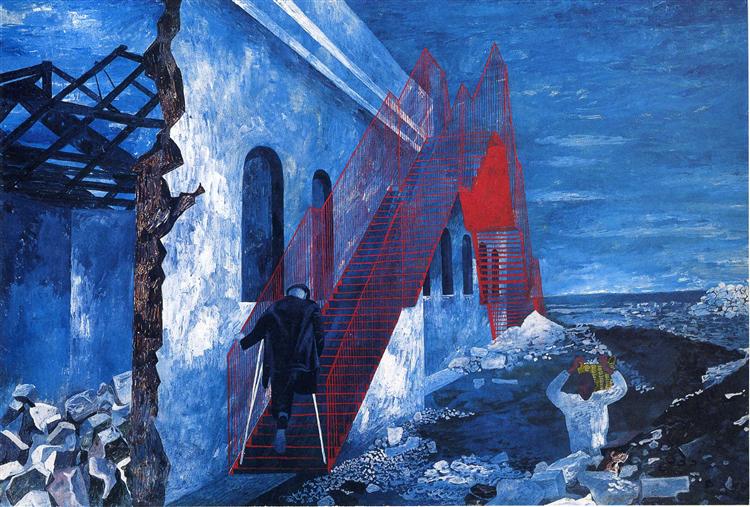
I recently finished a book that discusses this idea of an artist’s role to push boundaries. It’s called the Shape of Content by Ben Shahn. It’s a book of essays based on lectures by the artist at Harvard in 1957. However old, the ideas are not outdated, and I actually found them to be more relevant than ever in 2025. Shahn makes a case that all artists have an unavoidable responsibility to society, and I agree with many online reviews that anyone studying art should make an effort to read this book.
“I have always believed that the character of a society is largely shaped and unified by its great creative works, that a society is molded upon its epics, and that it imagines in terms of its created things—its cathedrals, its works of art, its musical treasures, its literary and philosophical works.“
Ben Shahn, The Shape of Content
It’s a reminder that art is not just an aesthetic exercise—it’s how we make meaning, shape memory, and build a shared imagination. It’s how we record what mattered to us, even when words fall short. When the world feels overwhelmed by noise, art quietly insists on depth. It challenges, comforts, questions, and preserves.
Shahn’s essays argue that artists don’t just reflect the world—they help shape its future. And in reading his words, I felt reminded that creativity isn’t a luxury or a hobby, it’s a responsibility. It’s how we leave something behind that speaks for us when we’re no longer here.
the preservation of art
Preserving art is not just keeping old paintings from falling apart, it’s about protecting human history.
Major institutions like the Metropolitan Museum of Art in New York and the Louvre in Paris invest heavily in conservation departments that use science and technology to stabilize, repair, and store artworks. These museums monitor everything from light exposure to humidity and temperature, because even slight changes can cause materials like canvas, wood, and oil paint to crack, fade, or rot.
The Getty Conservation Institute in Los Angeles is one of the leaders in the field, working globally to restore everything from Renaissance frescoes to ancient temples. Artifacts are often digitally scanned, chemically analyzed, and preserved using non-invasive methods that didn’t even exist a decade ago.
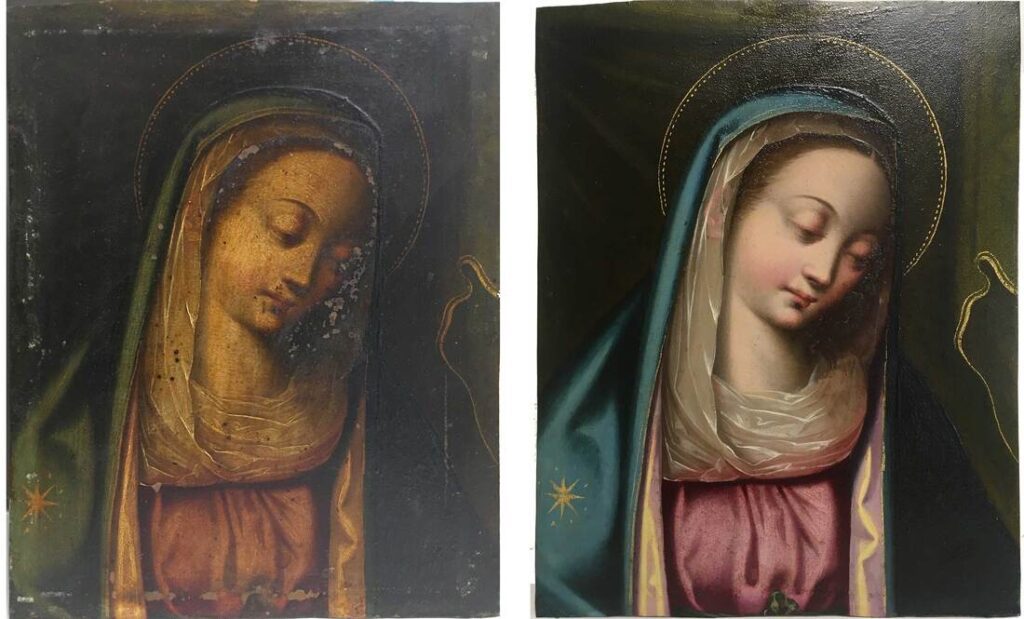
Museums also maintain detailed records on the history of the work, the artist’s background, and the painting’s restoration history, ensuring that artworks are not just seen but understood. Without these practices, cultural treasures could be lost to time, war, or even mishandling.
Conservation efforts, whether through careful restoration, climate regulation, or digital archiving, allow art to keep speaking, generation after generation. Without preservation, we risk losing not just the work itself, but the voice, struggle, and spirit behind it.
the decline of real art
Art isn’t dying because people stopped creating—it’s dying because people stopped noticing. We live in a time where creativity is everywhere, but meaning feels harder to find. I think about this a lot when I watch an artist paint the Mona Lisa in 30-seconds, but it’s buried under trends, or dismissed as “just content.” Somewhere along the way, we stopped giving art the space it deserves.
During the Renaissance, fine art was meant to challenge people. It questioned power, religion, and beauty in ways that made people uncomfortable. It meant something. But now, fine art feels like it’s everywhere and nowhere at the same time. It’s not that people don’t care about art, it’s just that so much of it is made to be content, not to be felt.
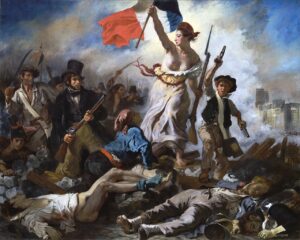
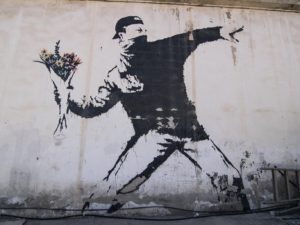
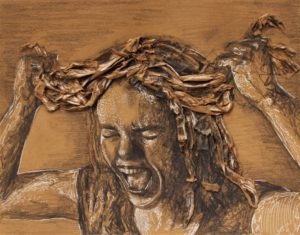
A lot of new art doesn’t hit as hard because it’s made for an audience that’s used to quick swipes and fast likes. We’ve been trained to scroll past things in seconds, even when they’re beautiful or meaningful. It’s not really our fault—we’re just overwhelmed. But that’s the problem: art is getting lost in the noise. People don’t take time to sit with it, to think about what it’s saying or what went into it. It’s like eating a steak in two bites and wondering why it didn’t taste like anything. When everything is content, art starts to lose its weight. It becomes something to consume, not something to connect with.
Why do we hold the painting in a museum to a higher standard than the one recorded on social media? If the artist’s role is to create a message to communicate, then why is the most accessible message not considered “real art?” My guess is that art is actively transforming into content, and it’s losing quality and messaging, despite being more accessible.
And when we stop seeing the work, time, and thought behind art, we stop valuing it.
finally, the destruction of art
When art starts to feel disposable, it’s easier to destroy. Not just by ignoring it, but by literally erasing it—through war, censorship, or indifference. If people can’t recognize the value of a painting or sculpture in peace, what happens to that art in times of conflict? The less we appreciate it, the less we fight to protect it.
Of course, I don’t want art to be destroyed, but sometimes I wonder if that destruction is, in a twisted way, what wakes people up. It’s like Ryan Gosling’s character in La La Land—watching his jazz music be reshaped, dismissed, and commercialized until it no longer resembles what it once was. But by the end, he understands that change was always going to happen. That doesn’t mean we stop caring—it means we fight harder to hold on to what matters.
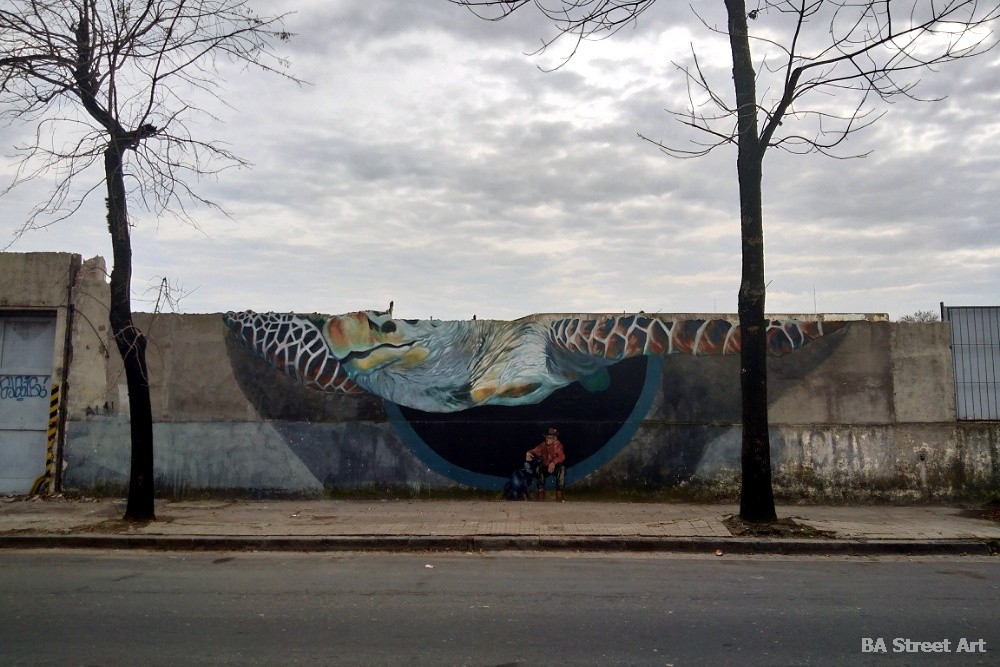
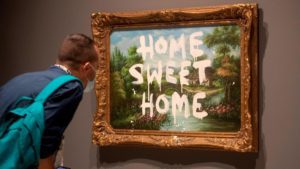
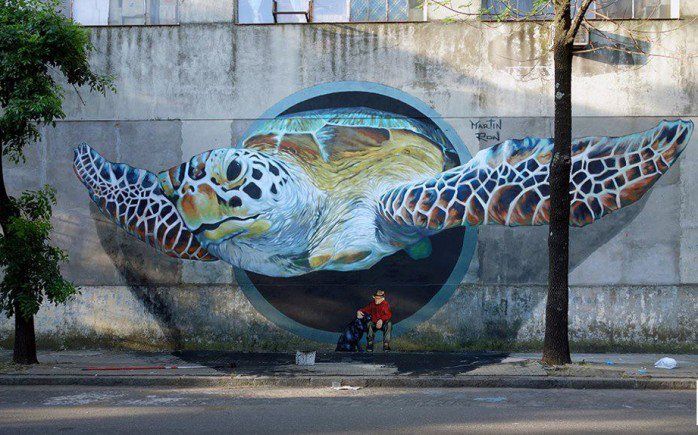
I’m inspired by street art because it embraces impermanence. Its raw exposure to weather, politics, and public life give it weight. Pedro Luján and his Dog by Martín Ron was one of those pieces—massive, emotional, and rooted in its Buenos Aires neighborhood. But in 2017, the wall it lived on was destroyed. Just like that, it was gone. And yet, that fleeting existence is part of what gave it power. Graffiti confined to a gallery wall feels almost dead—it loses the chaos, the commentary, the context. Banksy‘s work isn’t meant to be lit with spotlights; it’s meant to disrupt.
That’s why the targeted bombings of museums in the Middle East hit so deeply. These aren’t just buildings. They’re memory. They’re beauty. They’re protest. And someone decided they didn’t deserve to exist.
“It’s really heartbreaking to see all this, and to think about the city that I cherish, that I’m from, that I love, in complete ruins,”
Laila El-Haddad, Palestinian-American author
The destruction of art isn’t just collateral damage—it’s a warning. It’s a message that says: you don’t deserve to remember, to dream, to imagine.
So, does war make you hate art? Or is it that art, in all its stubborn beauty, dares to exist in defiance of power? Do painted walls disturb you more than the crumbling ones because they remind you of life before destruction—of color, of laughter, of stories still unfolding?
Maybe that’s why art becomes a target. Because it refuses to fall silent. Because it threatens the myth that only violence can make history.
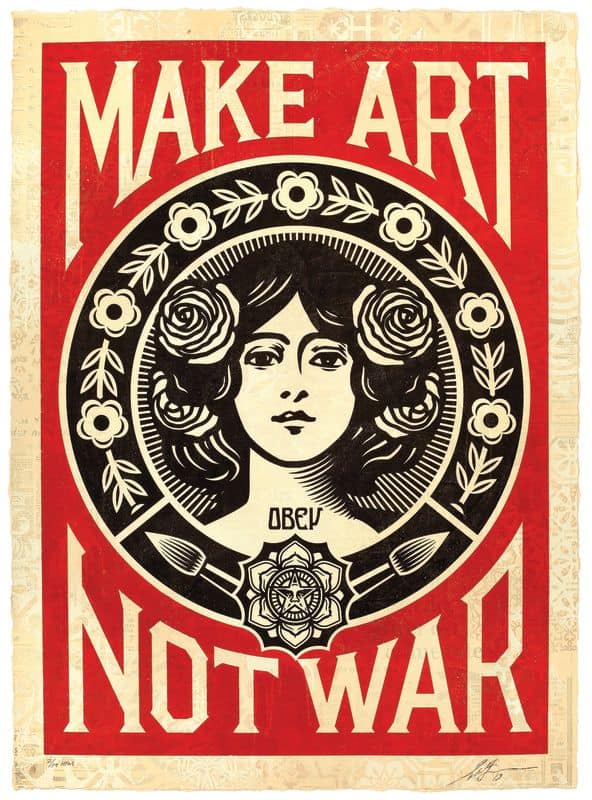
Maybe art reminds us of a time when flowers bloomed and it made us happy. And now, the blooms feel cruel—too soft for the world we’ve made. We feel guilty for picking them, guilty for finding beauty while others suffer, guilty for daring to look up when so many are forced to look away.
But still, I choose to look. I choose to paint.
My battlefield is a blank canvas. I was taught to paint, not to pull a trigger. And maybe that’s my rebellion—to keep creating in a world that keeps trying to erase memory, meaning, and anything that dares to be beautiful.

I really like your writing style, fantastic information, thankyou for posting : D.
Hello! Would you mind if I share your blog with my facebook group? There’s a lot of folks that I think would really enjoy your content. Please let me know. Cheers
Yes, you are absolutely welcome to share my website! Have a great day!