visual art

The Ins & Outs of 2026: Artsy Trends Forecast

Every January, the internet hits refresh and somehow finds a new “right” way to make art. A right aesthetic. A right color palette. A right overpriced art supplies. Sure, it’s fun to check out Pinterest’s artsy trends and laugh at the irony of Pantone’s 2026 Color of the Year. But if the internet brought you here, I think you’re looking for something a little more than just artsy trends.

At Artsy Drawings, we’re starting 2026 with intention to create art that moves and communicates. Please still make fun silly crafts, but please do it in a way that saves you time, energy, and money. I’m not going to give advice or say the artsy trends are to buy the next new art kit, because let’s face it — your craft drawer/room is already bursting with supplies.

This is the year you reuse what you already have, make art that feels good to you, and stop side-eyeing yourself (or others) for not keeping up. You don’t have to participate in every trend to be a “real” artist, just like you don’t have to consistently make good art every single time.

Consider this your official Artsy Drawings permission slip as we ring in the new year (cue confetti made of scrap paper!) These are the 2026 Artsy Drawings Ins & Outs—not as commandments, but more like artsy trends guidelines. Take what resonates. Leave what doesn’t. Carry the good energy into the next chapter and have a Happy New Year!
winter solstice ins and outs of 2026 artsy trends

Artsy Trends OF 2026

IN #1: Craft Just for Fun

Not everything needs a deep backstory about your trauma. Sometimes it’s really fun to make art that is pretty, and that’s it. Crafts are meant to spark joy and comfort. From making homemade cards to making silly paintings of your summer slushie, crafts are expressively fun and lighthearted and sometimes that’s all you need. This year, we’re officially done pretending fun needs justification. If it makes you smile while you’re making it, it’s doing its job.

IN #2: Create Imperfect sketchbooks

Your sketchbook or journal is not a performance. It’s not supposed to look like it was printed in a factory or photographed for a brand deal. Smudges, ink spills, coffee marks, and tears mean you used it. Crooked lines mean you are human. Misspelled headers mean you were thinking faster than your pen could keep up. The more “imperfect” your sketchbook is, the more honest it probably is, and for 2026’s artsy trends, honesty beats aesthetic pressure every single time.

IN #3: Reuse Supplies for Multiple Projects

One paint set does not have a single destiny, and I think I still have acrylic paint from high school hiding away because I despise using Cadmium Red.

The new year artsy trends include reusing your art supplies! Using the same supplies across multiple projects isn’t lazy, it’s resourceful, creative, and makes you iconic and sustainable. It forces you to problem-solve and experiment instead of constantly buying something new. Supplies that look worn, ink-stained, and a little chaotic are proof they’re being loved.

IN #4: Be an Artist who Supports Artists

Art thrives in community, not competition. Sharing another artist’s work, tagging designers, crediting inspiration, and buying from small arts markets and shops keeps the creative ecosystem alive. No one loses when artists support each other, everyone grows. This year, we’re choosing collaboration over comparison and cheering louder for people doing cool things.

Speaking of, go check out some of my favorite artists I found this year:
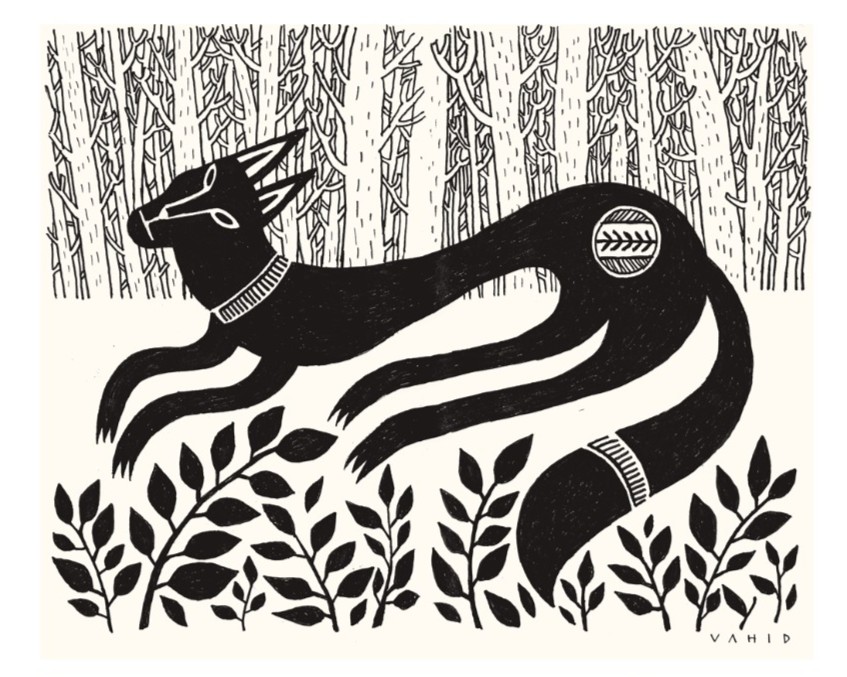
Vahid Fazel – Vahid is an Iranian-Canadian visual artist, filmmaker, and illustrator based in Toronto. According to his website, his artwork “bridges cultural narratives and universal themes through animations, compelling illustrations, and prints.”
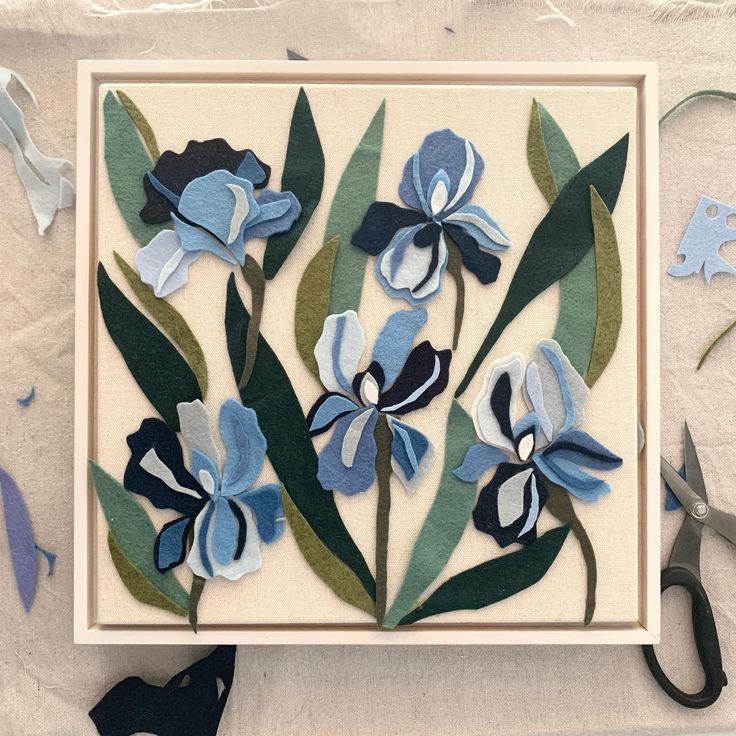
Annie Raymond – Annie is a wildly talented Georgia-based artist who works mainly with felt, making colorful, layered pieces that feel playful and a little nostalgic. With a background in teaching elementary art, she draws on that playful spirit and curiosity in everything she makes.
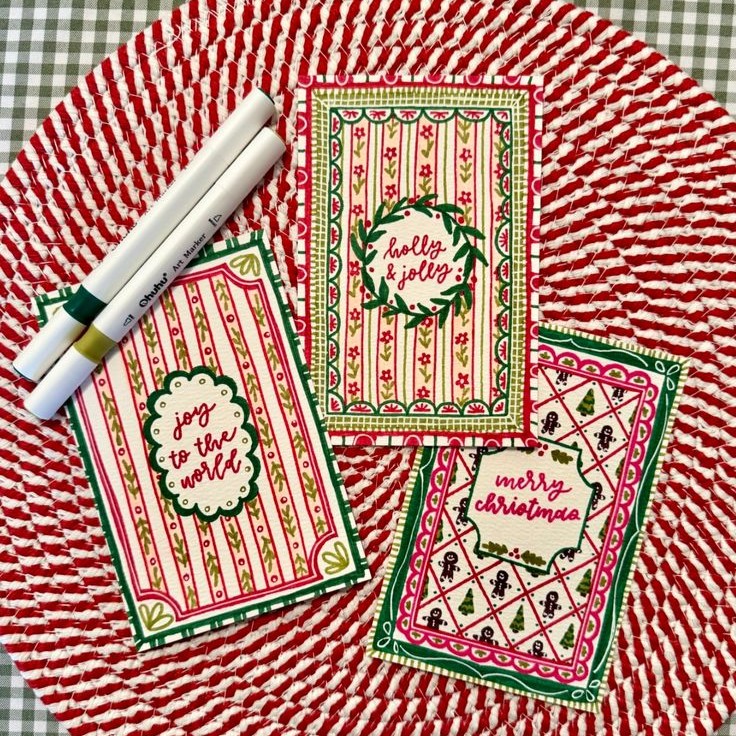
Lauren Gross – Lauren is the incredible artist behind Send Love Studio who makes warm, heartfelt pieces full of color, texture, and everyday beauty. Her work feels playful and personal with little calligraphy reminders of joy, connection, and faith.

IN #5: Know the Basics of art

Know the basics. Learning color theory, the principles and elements of design, and the rule of thirds gives your art a solid foundation to build on. These tools help you make intentional choices about balance, contrast, and composition, so your work communicates the way you want it to. Mastering the basics doesn’t limit creativity, it frees it, letting your ideas shine while still feeling cohesive and visually satisfying. Even small shifts, like adjusting where a focal point sits or experimenting with complementary colors, can make your pieces feel more polished and intentional without losing their spark.

If you’re interested in learning more about color theory, I recommend you take a look at Easy Color Theory for Beginners and Color Knowledge Tips that will Make you a Better Artist. Likewise, the article How to Create an Artist Statement discusses words you can use to make you sound more like an artist, including the elements and principles of design. You can also learn about perspective in the article titled Making Mountains Small and Worms Feel Tall.
OUT #1: Using a Whole Sheet of Paper for a Tiny Cut-Out

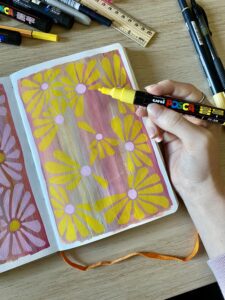
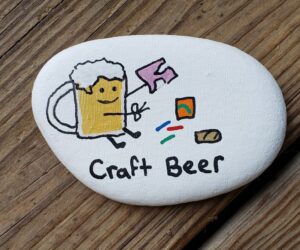
If the final shape is the size of a coin, the paper sacrificed should not be the size of a notebook page. This year’s artsy trends are about thinking ahead, trimming scraps first, and respecting materials. Your future self (and your scrap bin) will thank you.

OUT #2: Buying Art Supplies Just Because They’re Trending

Artsy trends move fast. Your preferences don’t, and trust me, that’s a good thing. If you didn’t like gouache last year, a viral video isn’t going to magically change that. The same goes for acrylic paint pens, chunky oil pastels, gel printing plates, alcohol markers, or the latest “must-have” sketchbook everyone is suddenly obsessed with.

Buying supplies you don’t enjoy using doesn’t make you more creative; it just makes your art supply drawers more crowded and your wallet lighter. That expensive set of markers won’t fix the fact that you actually prefer pencil. The ceramic palette won’t help if you hate cleaning it. Spend money on tools that fit your process, your habits, and your style—not someone else’s aesthetic, not a TikTok cart haul, and definitely not guilt.

For the thrifty artist, check out these artsy articles on How to Thrift Art Supplies and No-Buy DIY Crafts Using Stuff You Already Own.

OUT #3: Copying other artists’ work

It should be obvious at this point, but don’t copy other artists’ work. You can gather inspiration, but if it feels wrong in the pit of your heartless soul, it most likely is wrong.

Another topic has come up more frequently lately and I want to reiterate an important note: AI art does not steal artist’s work. I know this is a controversial take, but as an artist myself, I believe AI art is not inherently art. An AI model doesn’t understand the nuances behind creating art, it just predicts what it thinks the audience wants. Artists don’t just reproduce — we choose, edit, and improvise. Artists can problem solve and come up with creative solutions and intentions behind creating a painting or an image or whatever. Artificial intelligence lacks this very human internal pursuit to express.

OUT #4: Gatekeeping Techniques & Styles

Art is not a secret club with hidden rules. People are allowed to ask questions, try things the wrong way and learn in public. Gatekeeping doesn’t protect art, it limits it. The more people feel welcome to create, the richer the art world becomes.

OUT #5: Hustle Culture Disguised as “Motivation”

You do not need to turn every sketch into a product or every hobby into a brand. Not all artsy trends need to be photographed and posted. Rest is productive. Play is productive. Burnout is not proof of dedication, it’s a warning sign. In 2026, we’re letting creativity breathe instead of abusing it for some hustler output.

If you are a burnt-out artist, I recommend you taking a peak at my artsy article: How to Avoid Burnout: 13 Tips from A Tired Artist.
IN #6: Visit Museums & Galleries

In 2026, we are visiting art houses like museums, galleries, arts markets, and small shops!

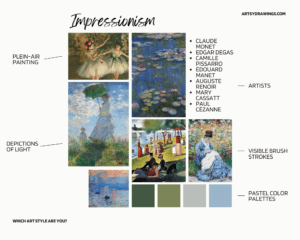
Experiencing art in person, whether timeless classics or contemporary pieces that look like splatter paint brain rot, connects you to the history and evolution of creativity. Learning and experiencing art history in person helps you understand how artists use color, composition, and storytelling to communicate ideas. Seeing how others solve visual problems gives you tools to make smarter, more confident choices in your own work. Even one painting or sculpture can inspire new approaches, spark fresh ideas, and deepen your creative perspective.

IN #7: Warm up Your Artsy Muscles & Practice

Warm up your artsy muscles, not the ones you flex in the mirror when no one is looking, but the ones that actually builds your art skills. Quick sketches, doodles, or small studies get your hand and eye in sync, loosen your style, and make it easier to dive into bigger projects with confidence.

Every sketch, every brushstroke, every “failed” piece is a step forward, teaching you something your brain can’t learn any other way. Progress doesn’t happen in big leaps. it happens in the small, repeated motions, in showing up day after day. Embrace the messy, the awkward, and the imperfect, that’s where real growth and skill live.

IN #8: Draw/Paint from Life

Draw and paint from life whenever you can, it will seriously help your hand-eye coordination. Observing real people, objects, or landscapes trains your eye to see shapes, light, and color in ways photos can’t. Start with simple still lifes like a bowl of fruit or a vase of flowers. You can also sketch people in a cafe to learn posture, gesture, and proportion.

Artists like John Singer Sargent mastered this approach, capturing movement and life in every brushstroke. Working from life teaches you to notice subtle details that make your art feel alive and immediate and real.

IN #9: Be a Professional

In the words of Paige Mills and Simone Christen with the Artwork Archive, “in order to be successful in the art world, the demands on an artist are high. Therefore, it’s crucial to run the administrative side as efficiently and professionally as possible.”

Calling yourself a professional artist means taking ownership of your marketing, sales, and online presence, and treating them with the same care you give your work. Developing your style and listening to your inner voice is vital, but so is building professionalism through social media, a website, an online portfolio, and consistent branding. Being a professional artist also means cultivating resilience: setbacks and frustrations are part of the process, and maintaining a positive, curious, and experimental mindset will keep your creativity, and your career, moving forward.

IN #10: Remembering the Artist’s Role

An artist’s role is more than slinging paint and getting messy: it’s about reflecting society and casting a glow of change.

Artists get the choice to create a message and determine how it could be understood and interpreted. I know engineers who consider themselves artists because they design or code in a way that helps translate the data in a different way. This choice, to not only communicate, but to do so in a new or different way, is what really pushes a true artist. They rebel against the norms or challenge ways of communicating, and in turn, this turmoil is reflected positively in society as experimentation and eventually, progress.
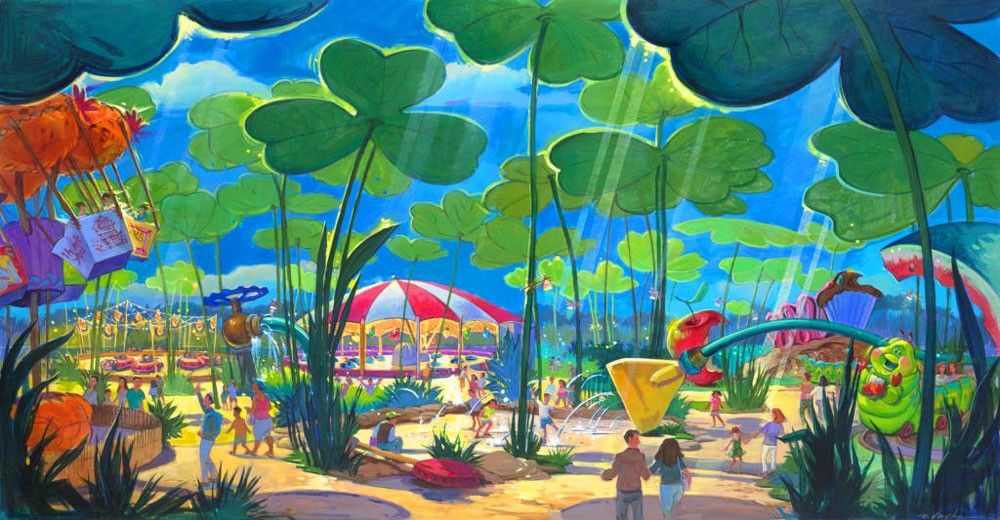
perspective in art artsy drawings brianna eisman worms eye view ins and outs of 2026
Not everything has to be seen from eye level. Looking up, literally and creatively, changes everything. Worm’s-eye view perspectives invite curiosity, drama, and storytelling. They remind us that art doesn’t have to be safe or expected to be interesting.

OUT #6: Consuming more than you Create

A lot of new art doesn’t hit as hard because it’s made for an audience that’s used to quick swipes and fast likes. We’ve been trained to scroll past things in seconds, even when they’re beautiful or meaningful. It’s not really our fault—we’re just overwhelmed. But that’s the problem: art is getting lost in the noise. People don’t take time to sit with it, to think about what it’s saying or what went into it. It’s like eating a steak in two bites and wondering why it didn’t taste like anything. When everything is content, art starts to lose its weight. It becomes something to consume, not something to connect with.

OUT #7: Art Hauls

You don’t need 47 versions of the same brush. You need time, practice, and permission to slow down.

Art hauls are out. Watching someone unbox dozens of supplies might feel satisfying, but owning a pile of stuff doesn’t make you a better artist. Inspiration doesn’t come from quantity, it comes from using what you have, experimenting, and figuring out what actually works for you.

OUT #8: Pretending You’re “Too Late” to Start

There’s no deadline for creativity. That feeling of being “behind” is just fear sneaking in. Your ideas, sketches, and experiments are unfolding exactly when they should—there’s always time to start, and you’re right on schedule.

OUT #9: Destroying Art

Art is being destroyed. The accused “war crimes” include “intentionally directing attacks against buildings dedicated to religion and historic monuments.”

When art starts to feel disposable, it’s easier to destroy. Not just by ignoring it, but by literally erasing it—through war, censorship, or indifference. If people can’t recognize the value of a painting or sculpture in peace, what happens to that art in times of conflict? The less we appreciate it, the less we fight to protect it.

I know that what’s happening is wrong and from an artist’s standpoint, the destruction of art, history, and society feels like a step backwards for humans. But, what can I do? I’m a 25-year-old U.S. painter with internet access and a sink full of dishes. I should stop worrying about things outside my control, so I buy eggs when they drop below $4 and dye them silly colors in the summertime, because I couldn’t afford eggs during Easter.

I know how to hold a paintbrush better than a gun. My hands were made for color, not combat.

OUT #10: Fear of “Ruining” a Page

Pages exist to be used. Sketchbooks are tools, not heirlooms. The only truly wasted page is the one you’re too afraid to touch. Messy pages mean momentum.

One of my favorite artsy tips to avoid burnout is learning to overcome perfectionism. As an artist, I see perfectionism at both the beginning and end of my projects. To start, I fear failing or messing up or marking the wrong mark on the page. I procrastinate or over-plan to the point that sometimes I have to tell myself “oh my goodness, just paint!!!” I see the same emotions pop up at the end of a project when I struggle with deciding when the piece is truly finished. I even debate varnishing paintings just in case I want to go back in and edit something. I’m stressing myself out when I should be simply enjoying making art.

Art is not valuable because it’s polished or impressive. It’s valuable because it meant something to the person who made it. Expression will always matter more than perfection.
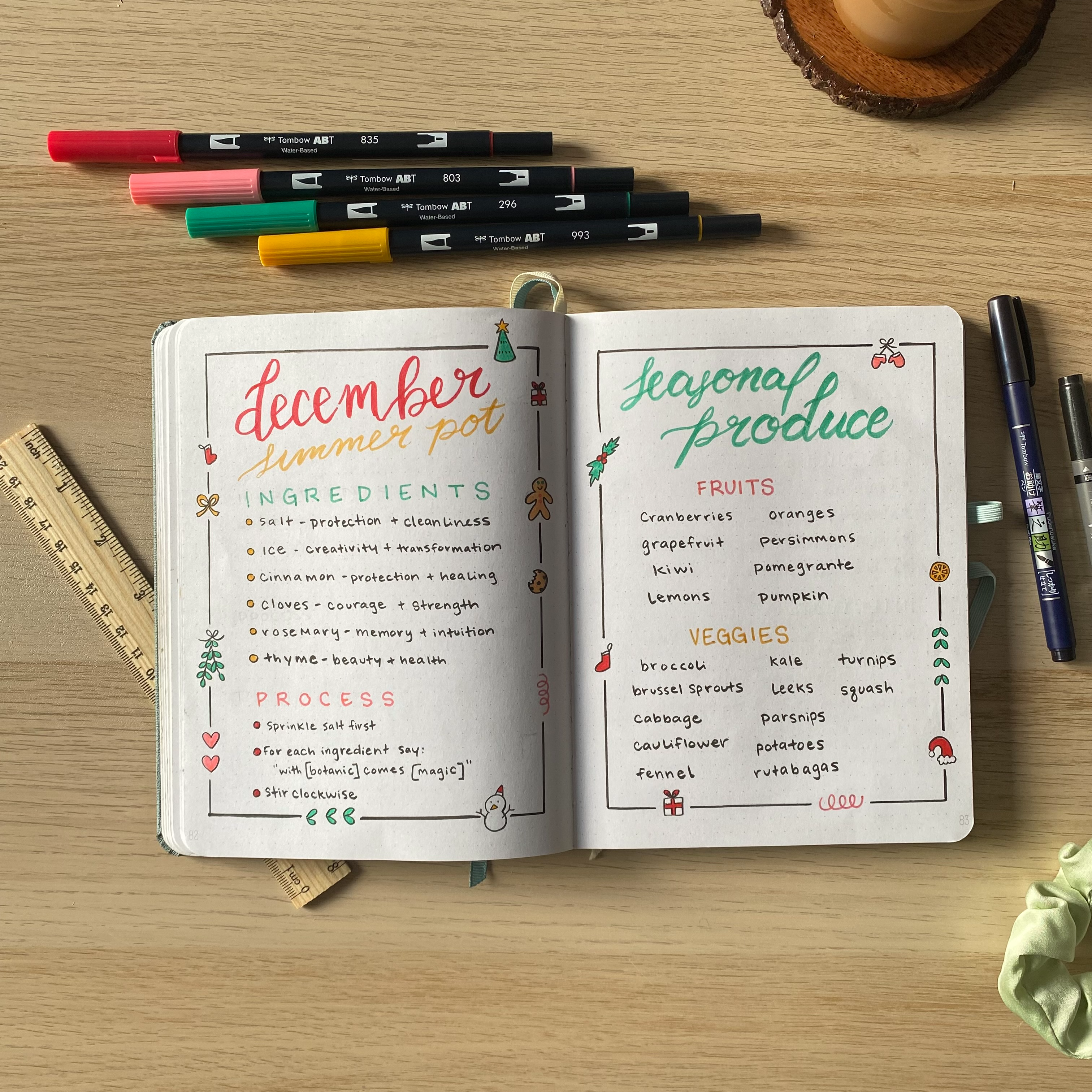
artsy trends bujo 2026 ins and outs bullet journal december art journal sketchbook

Final Thoughts on 2026 Artsy Trends

As we move into 2026, the most important thing to remember about artsy trends is that you get to choose how (and if) you participate in them. Artsy trends can be inspiring, playful, and even motivating—but they’re not rules, and they’re definitely not requirements. The goal isn’t to do more art or buy more supplies. The goal is to make art more thoughtfully.

Being intentional with what you’re crafting means slowing down long enough to ask: Do I actually enjoy this? Will I use this? Does this align with how I want to create? Intentional design is about purpose over pressure. Choose materials that last, reuse what you already have, and design projects that feel meaningful instead of performative.

Sustainability isn’t just about the environment (though that absolutely matters). It’s also about sustaining your creativity. When you reuse supplies, avoid overconsumption, and let go of hustle culture, you create space for ideas to grow naturally. When you take inspiration without copying, give credit generously, and support other artists openly, you help build a creative community that actually lasts.

So take inspiration from artsy trends, but don’t let them dictate your process. Let them spark ideas, not your anxiety. Create with curiosity, design with intention, and treat kindness as a non-negotiable part of your practice. That’s the kind of trend worth sticking with, this year and every year after.


Join my Monthly Newsletter for more Artsy Trends

Subscription Form

The Ins & Outs of 2026: Artsy Trends Forecast Read More »
Words to Describe Art: Discover 8 Tips to talk about art

I love the process of creating art. I love the brainstorming session with terrible stick figure drawings, the ‘practice stage’ of drawing the same thing over and over again, and feeling accomplishment you get from the final design. Through every tedious planning stage, I love how those small wobbly drawings in your sketchbook come to life in a beautiful masterpiece.

You know what the art means to you, but how do you describe it to others? How do you talk about it? Where do you find the words to describe art, something so subjective and intangible? 

In this article, I hope to provide some clarity and tips for how to talk about art and which words to describe art. I will define a formal artist statement, analyze how others create artist statements and content captions, and list out the best words to describe art.

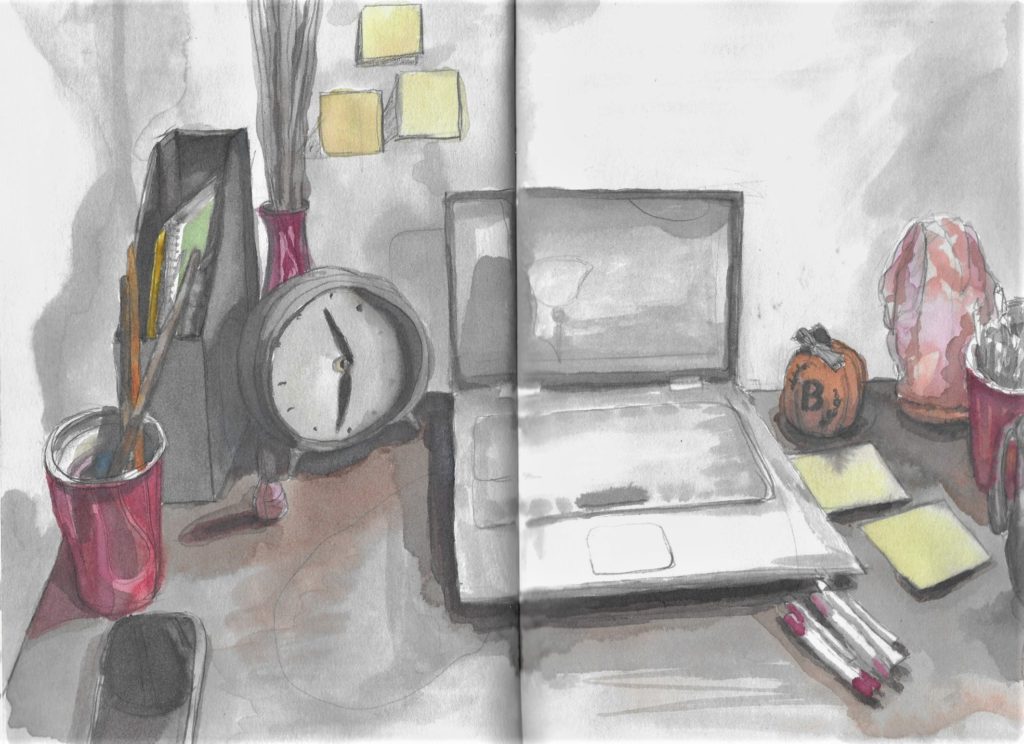
desk painted in watercolor
Desk Check by Brianna Eisman
As someone who moves rather frequently I document my travels with what I like to call a “Desk Check.” I will draw, paint, photograph, and ultimately document everything on my desk at a certain point in time. This type of artwork displays an intimate snapshot into my life.

What is an artist statement?

“[An artist statement is a] piece of writing by you that helps the audience access or understand your artistic work.” 

School of the Art Institute of Chicago (SAIC)

Basically, an artist statement is a formal way of using words to describe art. It is a way for you, the artist, to express the message you are trying to convey visually. Words to describe art are used in many ways: from social media and website promotion to galleries, exhibitions, grant applications, teaching position applications, and fellowships.

Generally, I frequently write and rewrite my artist statements. Please check out my social media to see how I describe my own art.

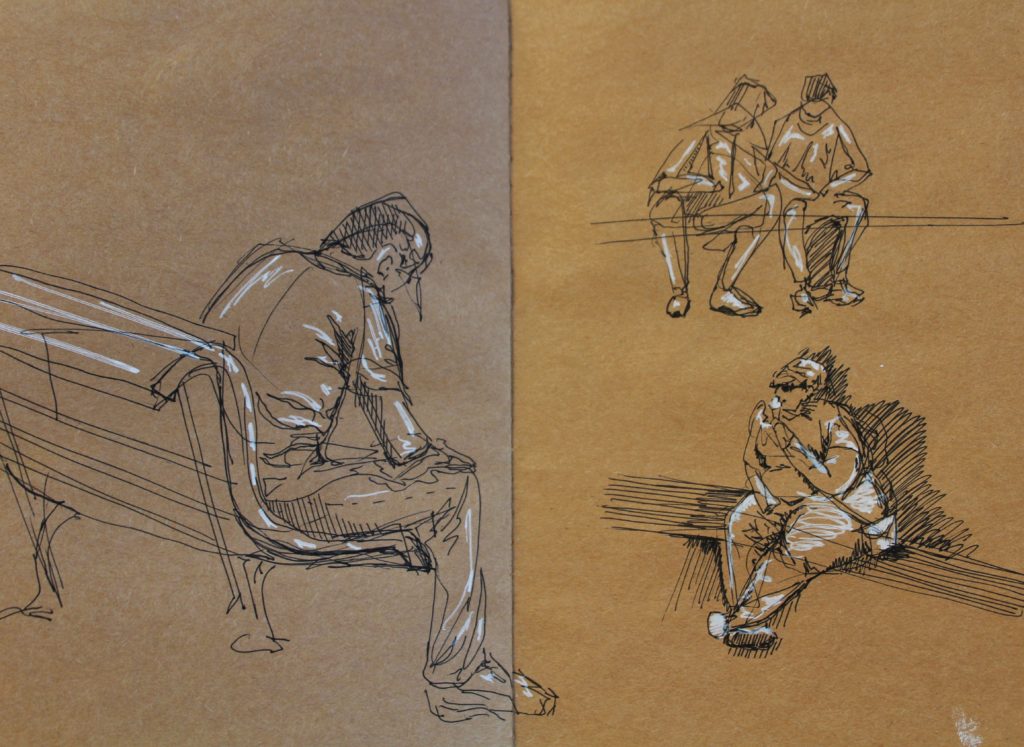
Gesture Drawings of figures sitting and doing normal human things.
Gesture Figure Drawings by Brianna Eisman
Gesture drawings are quick studies of the human form and one of the easiest ways to practice your line work and accurately sketching figures.
~
After visiting the Rijksmuseum in Amsterdam, I sketched a few people sitting around the fountain. I used my brown paper sketchbook to create a mid-tone base, a black pen for shadows, and a white pen for highlights. Not only did these gesture drawings improve my understanding of the human form, but I was able to capture light in a quick and cool manner.

What are the best ways to write a strong artist statement?

Writing an artist statement is more complex than simply using random words to describe art. First, write in first person POV, remember to keep your audience in mind while writing, and follow the acronym K.I.S.S. (Keep It Simple, Stupid). Lastly, I included some good questions to think about when brainstorming your artist statement. Hopefully, these tips to choosing the right words to describe art will help you communicate clearly.

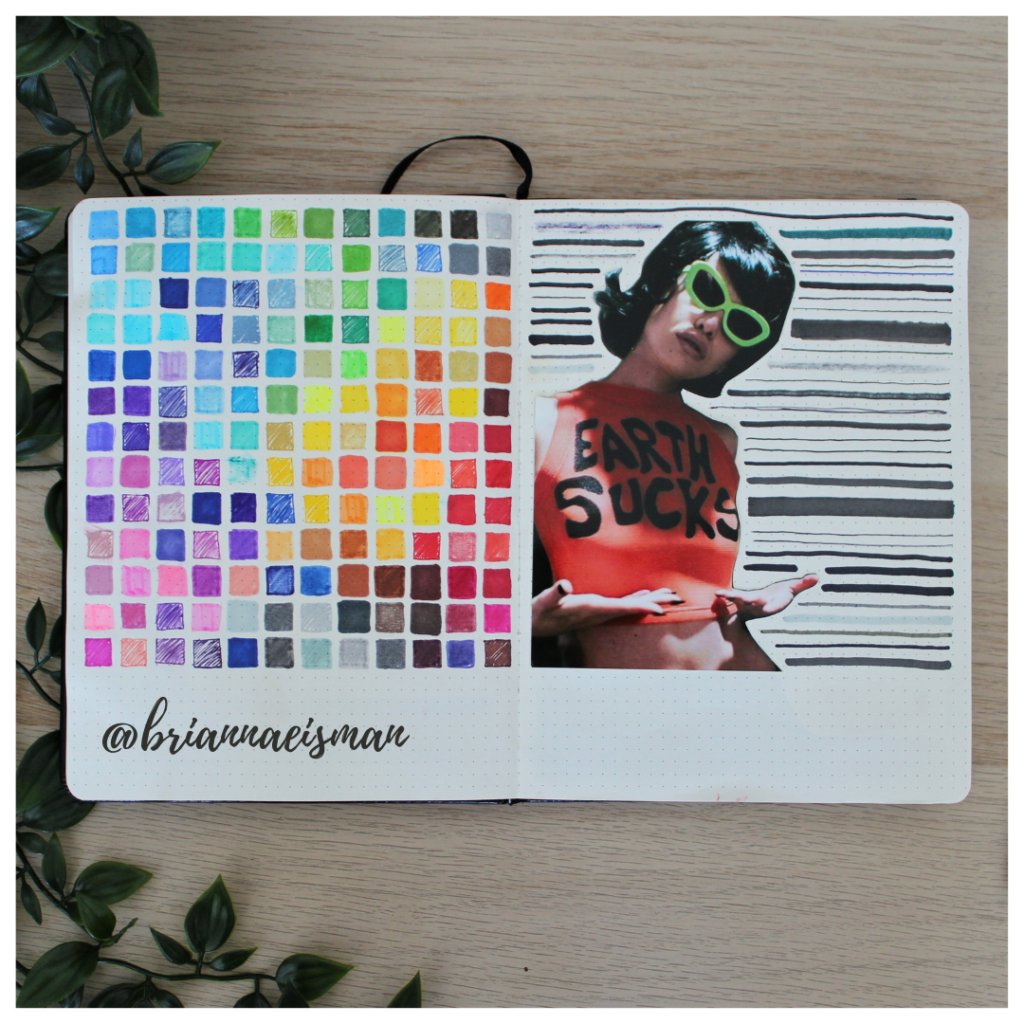
color knowledge example using a marker test with rainbow colors arranged in a color scheme pattern
Marker Test (Earth Sucks) by Brianna Eisman
About once a year I set aside a page in my sketchbook, or bullet journal, to do a marker test. First, I go through every pen I own including Sharpies, highlighters, Bic Permanent Markers, Crayola markers, Stabilo pens, Expo dry erase markers and everything in between. I document the quality and determine whether to keep or toss the utensil. It’s easy to collect art materials, especially when you’re like me and switch mediums regularly. It is important to know that when I reach for a certain pen or marker, it’s going to work the way I want it to. I do keep a page at the back of my sketchbook open for testing mediums, but it’s an important part of the process of creating art to go with the flow and just draw.

Tip 1: Write in First Person Point-of-View

Structurally, the SAIC recommends to write the artist statement in first person. This advice contrasts artist biographies which are typically written in third person. 

For instance, you can say “I created this work to represent…” and “my mother influenced this…”. These examples work well because they help define an intimate connection between the art and the viewer.

Typically, you don’t personally know the viewer, so establishing personalized meaning can add substance to your art. Supporting the connections between the viewer and the artwork is vital in helping people really understand your work.

Tension by Brianna Eisman
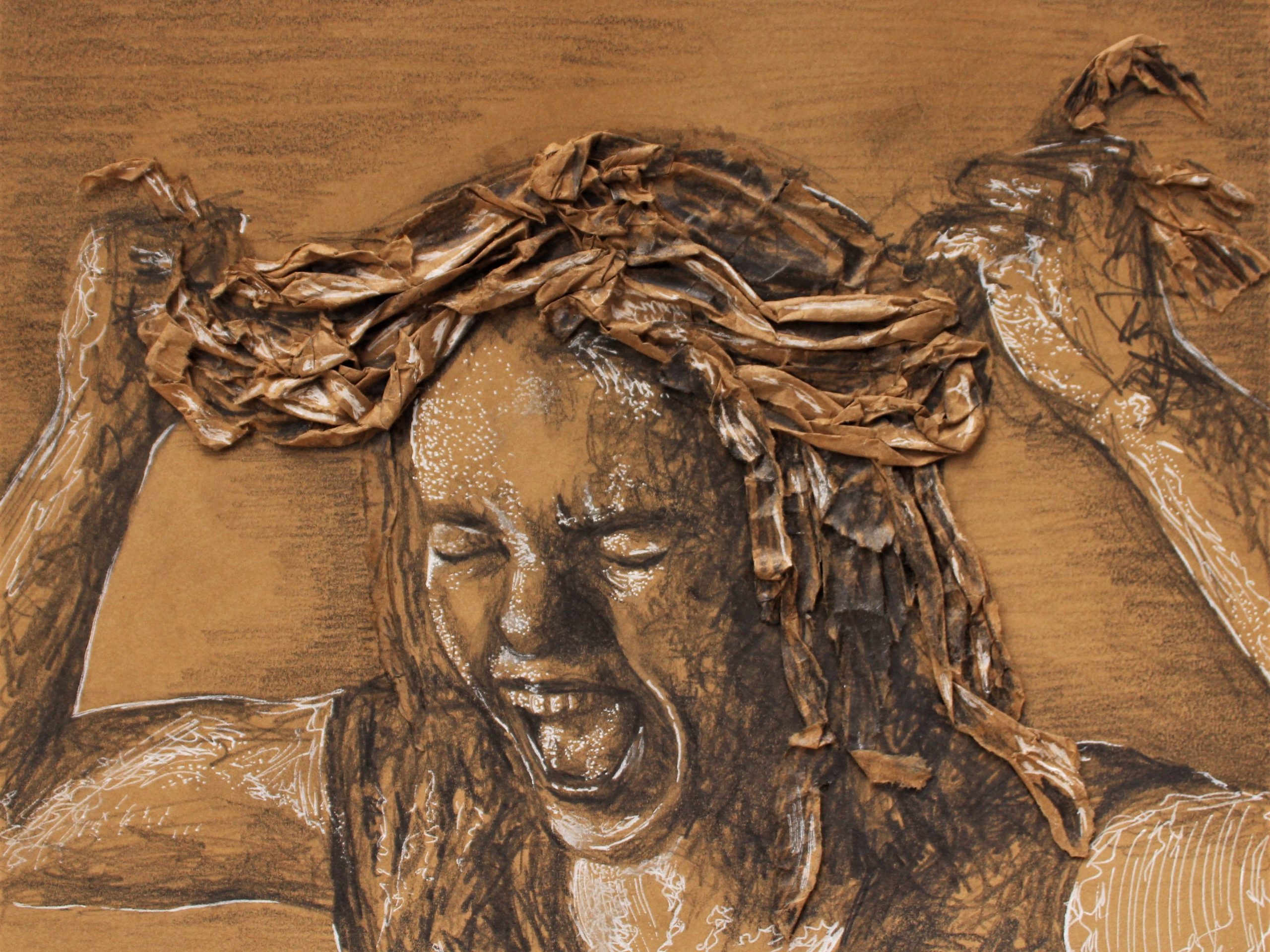
As art students, we were tasked with creating a work of art, recycling brown paper bags, and expressing ‘tension.’ In the midst of high school drama and stressful testing seasons, I created this mixed media drawing of a woman silently screaming and pulling at her hair, which is made of delicate paper.

Tip 2: Know your Audience & keep them in mind

Remember who your audience is. Who did you create this artwork for? What type of people would you imagine in the gallery looking at this artwork? Who would buy this painting? If you post it online, who is interacting with the post?

The artist statement is sometimes published on social media platforms or printed next to the painting in a gallery. You may be writing to someone who has never held a paintbrush in their life, so keep these thoughts in mind when writing an artist statement. Carefully choose words to describe art that make sense to your audience.

Some words to describe art are different for artists versus non artists. For example, saying a work is impressionistic could mean in reference to the impressionism painting style of the 19th century. In contrast, impressionistic could represent the work’s capability in leaving an impression, or a lasting memory, on the viewer. Learning art history is a great method to improve your art lingo. For instance, maybe learn how the difference between modern and contemporary, and how in the art world, they are not synonymous. If you are curious about which art style best matches your artwork, check out this quiz!

The specialized art jargon, referred to as “art speak,” is great for the critique, though try to avoid it for the artist statement.

modern art words to describe art
The terms ‘modern art’ and ‘contemporary art’ are easily confused, but each refers to its own distinct period in art history,” according to  Rosie Lesso of The Collector

Tip 3: The KISS Method – Keep it Simple, Stupid

Try to be concise, straightforward, and as clear as you can. A good rule of thumb is to avoid using too many complex words to describe art, and stick to what you know. I like using certain words to describe art like colors, shapes, and patterns.

If you are optimizing your artwork for digital marketing purposes, sometimes describing the art is better than describing the meaning or the feeling. Understanding nuances in color theory help when describing your art, so make sure you read my article: Color Knowledge Tips That Will Make You a Better Artist

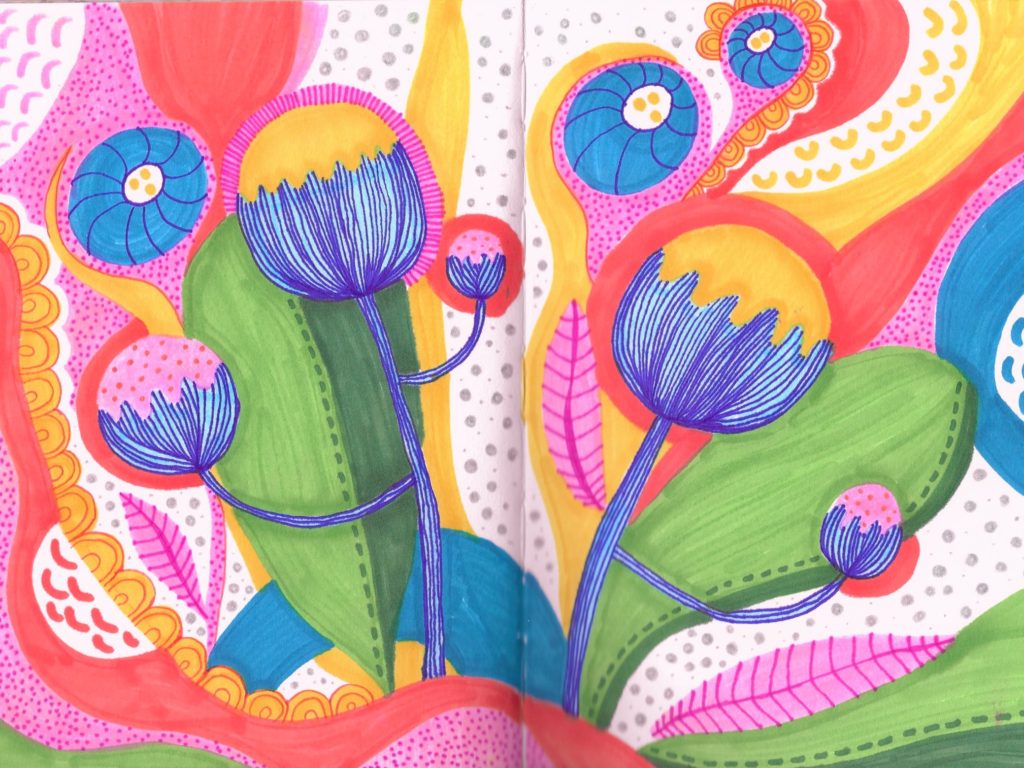
Stylized Poppies by Brianna Eisman
This sketchbook spread features a stylized pattern of colorful poppy flowers. The garden of flowers includes leaves of green, yellow and peach. The flowers are yellow with blue stems. The drawing as a whole has a whimsical and playful feel with a bright color scheme, polka dots and organic squiggle shapes, and blobs of seemingly random colors.

Tip 4: Actually think it over before you write

Yes, brain dump writing is healthy, but your artist statement should not be a brain dump. You need to really think about your art and ask yourself certain questions prior to writing. Be selective in your words to describe art. Below are some important questions to ask yourself throughout the brainstorming process. Your answers to these questions can include words to describe art and how you created the art.

  • What are the key ideas, issues, struggles, and goals within your work?
  • Does your work have a thematic focus (goals, purposes, intentions, and explorations)?
  • What is the content of work, including themes, ideas, and subject matter? 
  • How were you influenced culturally, historically, theoretically, artistically, personally, and biographically?  
  • Who is your audience? Who will be looking at your work? What do you imagine they feel when viewing it? 
  • How would your audience use words to describe art?
  • How did you create the work? What materials, processes, traditions, and styles did you use in your work?
  • Can you use your senses to describe the art? What does the work look, sound or feel (impasto) like?
  • How can you make your art work easier to understand?

Finally, have a friend or teacher review your artist statement when you finish writing it. You may think the statement makes sense, but it may not be clear to someone who hasn’t spent hours working on the artwork. 

How do artists describe their art?

Tip 5: Study how the masters used words to describe art

Edvard Munch

Many famous artists write artist statements describing their masterful artwork. Some are available in museums, some are available online.

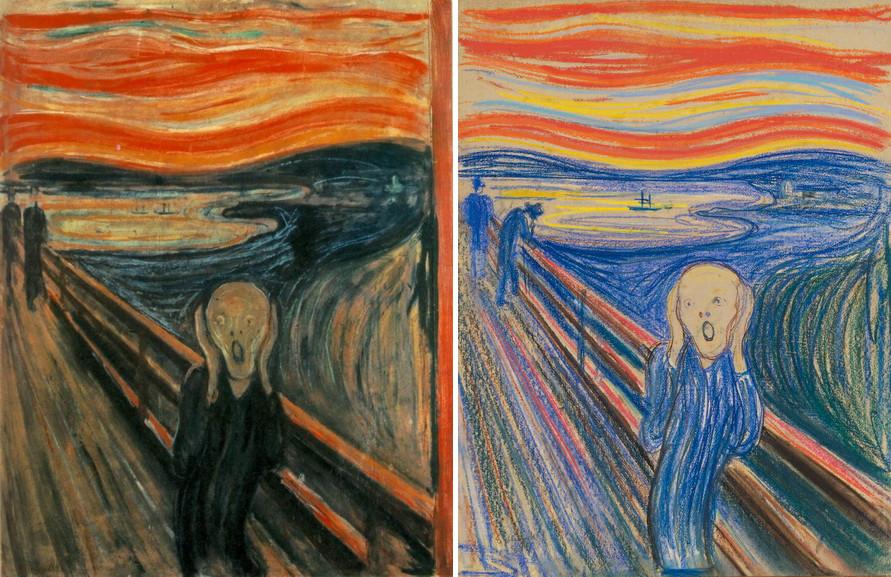
For instance, Edvard Munch’s The Scream has a vivid artist statement full of life and emotion, similar to the visuals seen in the work itself. The artist chose relatively simple words to describe art, but written with dashes, like parsed thoughts coursing through the artist’s head.

The Scream by Edvard Munch
I was walking along a path with two friends – the sun was setting – suddenly the sky turned blood red – I paused, feeling exhausted, and leaned on the fence – there were blood and tongues of fire above the blue-black fjord and the city – my friends walked on, and I stood there trembling with anxiety – and I sensed an infinite scream passing through nature.
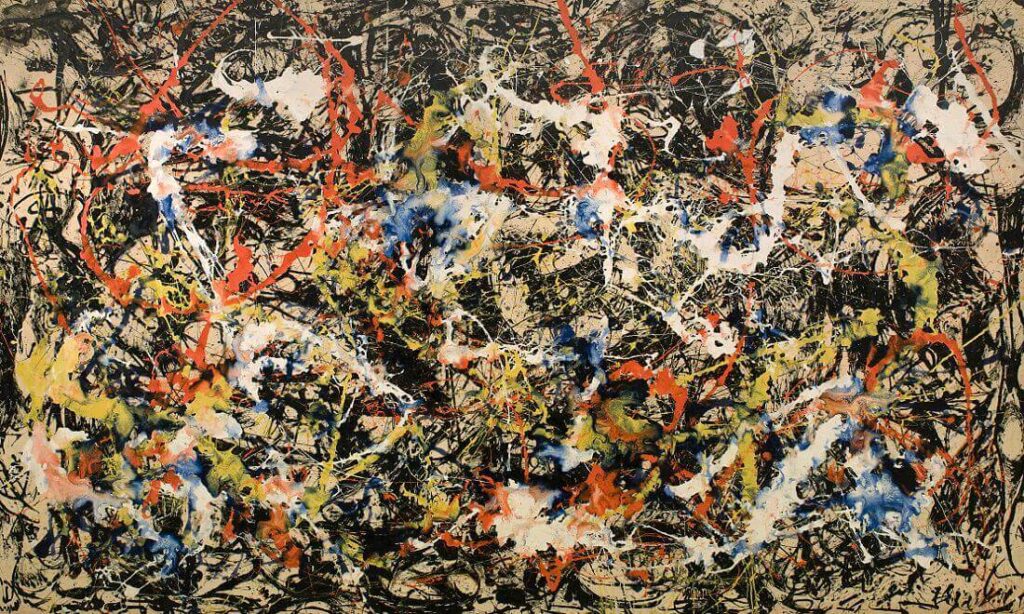
Jackson Pollock

Jackson Pollock is fantastic artist, despite criticism for his work’s abstracted features. Pollock chose words to describe art that was not subjective, and much more emotive.

words to describe art jackson pollock artist statement
Convergence by Jackson Pollock
I want to express my feelings rather than illustrate them. It doesn’t matter how the paint is put on, as long as something is said. On the floor, I am more at ease. I feel nearer, more part of the painting, since this way I can walk around it, work from the four sides and literally be in the painting. When I’m painting, I’m not aware of what I’m doing. It’s only after a get-acquainted period that I see what I’ve been about. I’ve no fears about making changes for the painting has a life of its own.
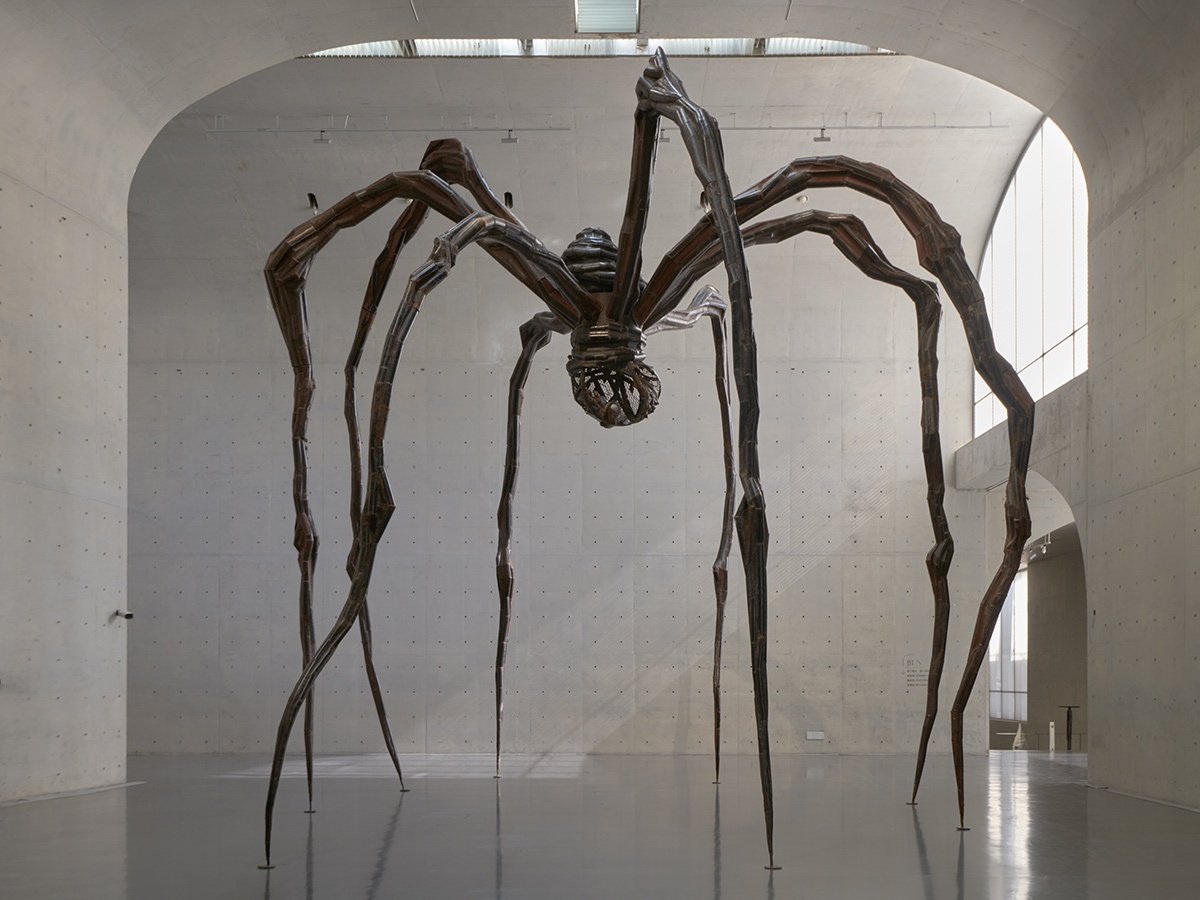
Louise Bourgeois

Louise Bourgeois’s massive spider sculptures are really cool and worth sharing. She started creating these steel structures in the 1990s, contrasting her previous styles. The words she chose to describe her art explain the metaphorical allegory behind the sculpture.

Spider by Louise Bourgeois
I’ve drawn my whole life. My parents were in the tapestry restoration business, and as a young girl, I would draw in the missing parts of the tapestry that needed to be re-woven. My ability to draw made me indispensable to my parents. I came from a family of repairers. The spider is a repairer. If you bash into the web of a spider, she doesn’t get mad. She weaves and repairs it. ‘The Spider’ is an ode to my mother. She was my best friend. Like a spider, my mother was a weaver. . . Like spiders, my mother was very clever. Spiders are friendly presences that eat mosquitoes. So, spiders are helpful and protective, just like my mother.

Many of these masters use words to describe art with passion, flame, and emotion. Notice how they use first person POV, relatively simple diction, and still manage to communicate what the art is about and what it means to them.

Tip 6: Get inspired by Underrated Artists

I want to include some artist statements of underrated artists as well. I’ve met many talented and creative individuals, and I would like to share their art and artist statements in this section.

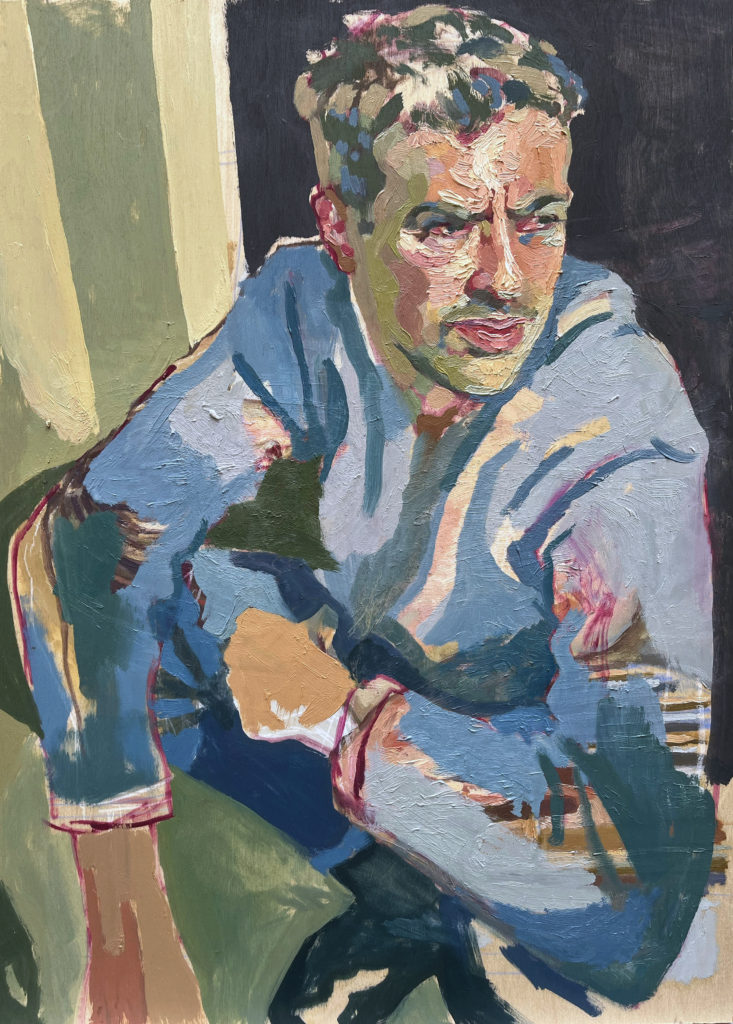
August Lamm

August Lamm is an incredible portrait artist, and I’m very excited to share her artwork. She typically uses ink and oil paints. In this piece, I especially love the use of complementary colors in the man’s face, the contrast of detail versus an almost unfinished impressionistic appearance, and of course, the simplicity of the artist statement. It’s very painterly and I love it. Be sure to check out more of August’s works on her Instagram!

The artist statement included in this painting is short and simple compared to others in this article. Regardless of length, it is powerful and emotional and allows the viewer to connect with the artist, and maybe even the subject, on a more intimate level.

Murray by August Lamm
Sometimes you paint over an old painting and wonder why you waited so long to let go
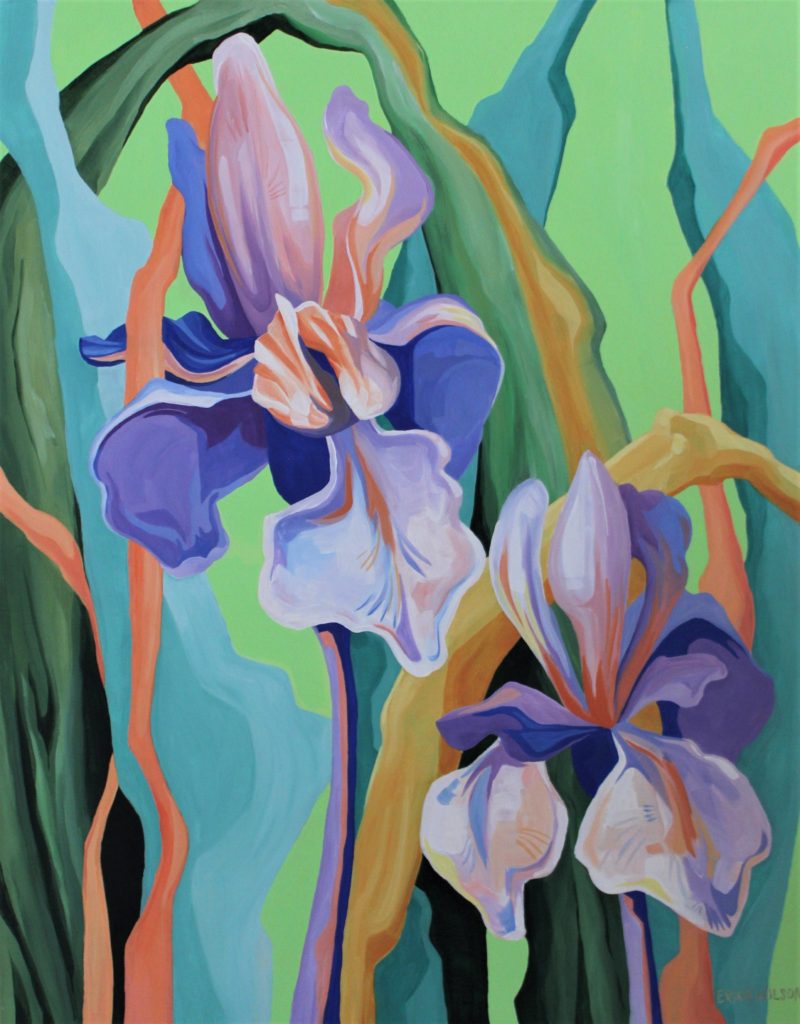
Erika Wilson

I first discovered Erika Wilson at a local arts market. Her work was captivating and I wanted to learn more about this incredible artist. Erika provided two artist statements, proving her knowledge of writing to a certain audience.

In the first artist statement, notice the purpose is primarily for social media, and make sure to follow her Instagram! Erika uses first person POV and includes the dimensions and mediums used in the work. She also includes emojis and middle dots between paragraphs, a common spacing technique for Instagram, showing that she knows her audience.

There Is Still Time by Erika Wilson
So often I am eager for the future, reminiscent of the past, and losing track of the time in between. Feeling afraid or anxious that I don’t have time for everything. The weighty pressure of needing to make each day count.
.
This painting reminds me that a day is LONG when we are present for it, and immeasurably valuable regardless of what I do during it. Some days are filled with intentional time and mindfulness, some days I am meaninglessly busy and pointlessly stressed out, and some days I indulge in doing nothing at all. All are good days, and there is still time ✨️
.
.
.
“There is Still Time”
22″ x 28″ acrylic on canvas
Available

The next artist statement is noticeably more professional. In particular, notice how Erika adapted the bullet points into dashes and uses clear spacing, giving a cleaner appearance, similar to a resume. Erika’s use of words to describe art discuss her inspiration, techniques, and purpose in under 100 words. It’s simple, effective, and one of the best artist statements I’ve seen.

——————-

Hello! I’m Erika Wilson, a visual artist based in Salt Lake City, UT.

My work is deeply inspired by natural wilderness and the lush, strange, beauty of the botanical world. Equally, my artwork draws from cultivated nature found in urban spaces: gardens, houseplants, and roadside scrub alike.

I use vibrant color and dramatic line to create imagery that provokes wonderment, engages curiosity, and invites viewers to experience their senses unreservedly.

At its foundation, my artwork is a celebration of our intimate connection to nature, in the many forms we may find it, no matter how ordinary or unusual.

———————-

My website: https://erikawilsonart.square.site/

My Instagram: @erika.wilson.art

Kyle Drury

Kyle and I actually went to the same arts high school. We both studied Visual Arts and I’m really proud to see how he has grown as an artist. Please go follow his Instagram account here!

Kyle has a stunning impasto painting technique that really gives life to contrasting flat cartoon-like characters. His works are animated and fun to look at, as well as visually interesting.

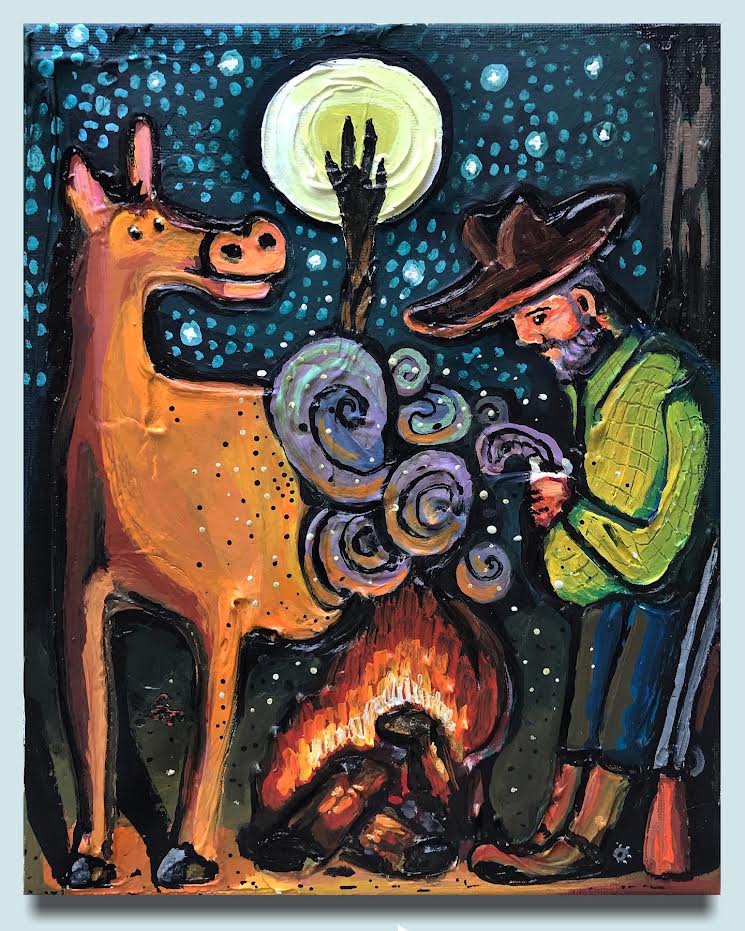
Kyle’s artist statement uses first person POV to describe his thoughts and organizes the paragraphs increasing in size. He also continues to deliver contrasting elements. The whimsical and colorful style conveys comfort, in this “cozy painting,” unlike the realities in the life of a western cowboy, portrayed in the serious face and stature of the man.

Campfire Cowboy by Kyle Drury
The Campfire Cowboy is part of a series of paintings I call Worsterns.

I’m thinking about the bad things that could and maybe should have happened to old time cowboys. They’re dramatic paintings of cowboys falling victim to the dangers of the wild west. 


The danger is less obvious in Campfire Cowboy. It’s a cozy painting of a well-fed fella and his horse relaxing and drinking coffee by the fire. Its more about having a feeling that something bad is about to happen instead of witnessing it firsthand.
Julia Hill

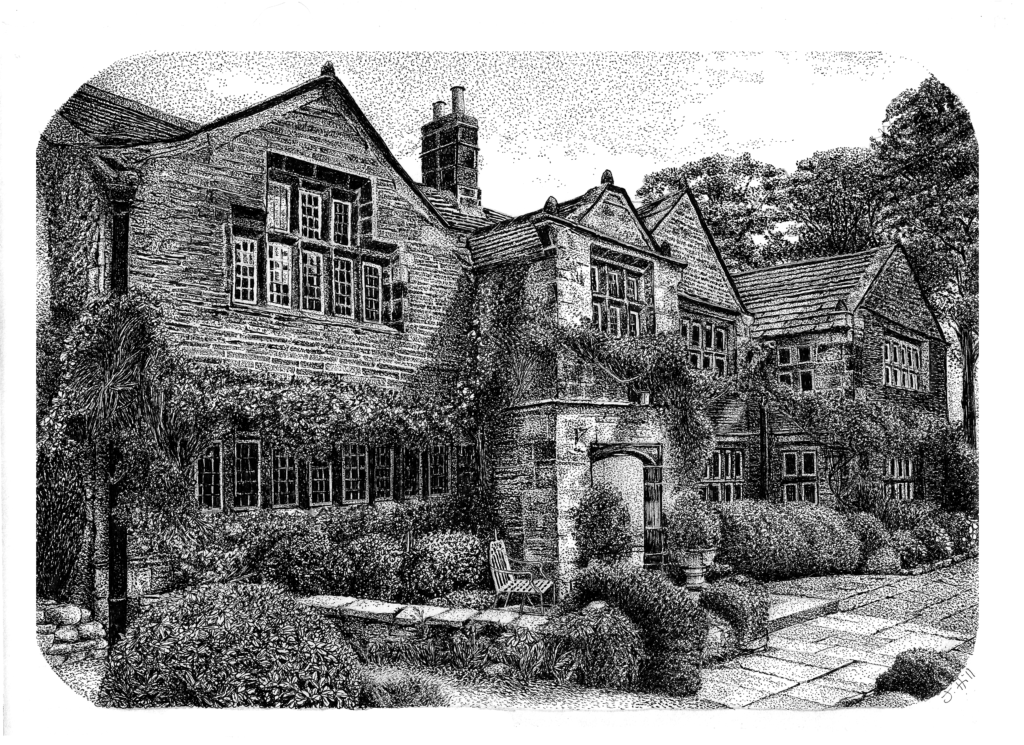
I found Julia’s artwork on Instagram and I was awestruck, definitely make sure to give her a follow! She uses fine pens to create stunning realistic and hyper detailed landscape drawings. Her artist statement is also written in first person POV and describes her medium of choice, thoughts behind her style and technique, and how her personal background impacts her artwork. The words to describe art express her talent and experience with the medium, her knowledge of principals and elements of design, and the contextual origin of the content.

Truly, Julia’s words describe the artwork better than I could ever analyze it. This is a perfect example of the importance of an artist statement and how it can compliment the visual artistry of the work.

Holdsworth House - A Place in Time by Julia Hill
Holdsworth House – A Place in Time by Julia Hill
As an Illustrator, I predominantly use fine liners to create my images. I use 0.03, 0.05 and 0.1 black uni pens. I find drawing using a single black line extremely therapeutic and somewhat fascinating. I am driven by the constant complexities of creating depth, texture, light and shadow within my work using only a single black line.  Holdsworth House presented itself to me as a challenge, to combine the solidity of a beautiful structure and the softness of the environment it sits within. 

Nature, the environment, wildlife and botanicals form the basis of all of my personal work. The natural environment has held a particular fascination for me since I was a child. The intricacy of my drawing allows me to connect to each subject on a much deeper level. ‘Seeing’ the intricacy within a form and recreating it with a mix of lines, dots and patterns to create an overall visual effect. My work is not just a simple depiction of the subject I have chosen, but rather a visual expression of my emotional and spiritual connection to what I am drawing.

What are some artsy words to describe art?

In this final section, I want to recall the elements and principles of art and design. These are the building blocks of aesthetically pleasing work, and great references to use when describing your own art. The list of elements and principles of art are generally a good place to start when looking for words to describe art. Basically, there are six elements of art and eight principles of art. 

Tip 7: Use the Elements of Art and Design

  • Color: Generally associated with hue, value, and intensity, color is one of my personal favorite elements of art. Check out examples of color in my art here.
  • Shape: Associated with height and width, shape can be organic and/or geometric.
  • Form: I associate this element with volume, height, width, depth. It can be two or three dimensional because it gives an illusion of value (drawing) or real value (sculpture).
  • Line: This element is generally associated with being implied, abstracted, parallel, or crossed.
  • Space: This element is generally associated with positive (subject matter) and negative (background) areas. Space creates the illusion of depth through value.
  • Texture: This element is generally associated with how the art feels or looks like it feels (soft, bumpy, hard, slick, squishy, sharp, smooth).

Tip 8: Use The Principles of Art and Design

  • Rhythm: This principle of art and design is generally associated with patterns, movement, repetition, tempo, and beat.
  • Harmony: This principle is generally associated with unification, familiarity, and connection.
  • Balance: This principle of art is generally characterized by symmetrical, asymmetrical, and radial.
  • Contrast: This principle is generally used to highlight the focal point, or the subject, of a work of art. Pop art is a great example of using contrasting colors, especially complementary colors (colors opposite each other on the color wheel i.e. orange and blue).
  • Movement: This principle is generally associated with dynamism and action and helps to guide the viewer’s eye to the focal point.
  • Pattern: Similar to rhythm, this principle of design is generally associated with duplication.
  • Proportion: Relativity is a huge part of this principle of art and design. It is also related to relationships and size.  
  • Variety: Generally associated with diversity and interest, variety captures attention, similar to contrast. Variety partners with unity to establish balance.

Conclusion: best words to describe art

In this article we defined an artist statement, discovered tips to effectively use words to describe art, and reviewed examples of artist statements in the wild.

You can choose to describe art in any way you want, because it’s your art. You can call it ugly or nonsensical just as easily as you call it stunning and deep and impressive. Adjectives are subjective in the same way you and your artwork are subjective.

However, if you want people to understand your artwork, you may need to clearly communicate what it means. Using artistic terms helps to encourage the viewer to look past the image and think about the process, materials, backstory, and time dedicated to create the art. Use art words to describe art.

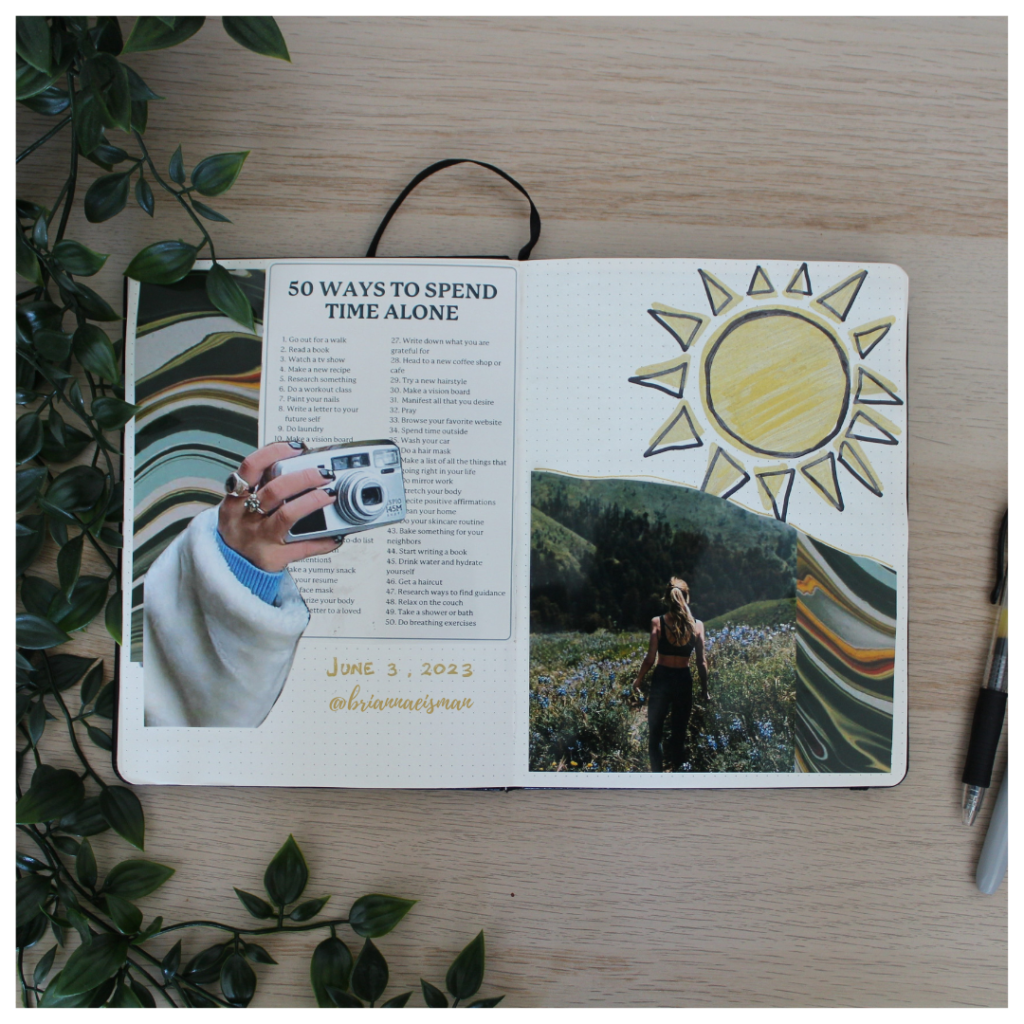
50 Ways to Spend Time Alone by Brianna Eisman
After I graduated college, I felt especially lonely. You go from being surrounded by many curious and exotic people to a much smaller group. And then, you realize working 9-5 means you have even less time to spend with friends. I found this list of 50 Ways to Spend Time Alone on Pinterest. I hope you can use it and learn to love spending time alone as much as I have.

In this sense, writing a clear, optimized, and creative artist statement can add value to your artwork. There are many words to describe art, but an artist statement is unique because it comes directly from the creator. These are your words to describe art.

You, the artist, have the chance to tell the world what your art really means. You are the one to give your art value.

Words to Describe Art: Discover 8 Tips to talk about art Read More »

Scroll to Top
Cart
0
Add Coupon Code
Subtotal