Inspiration

55 Creative DIY Craft Ideas for Girls Night

There’s something special about gathering with friends for a girls night in—no pressure, no fuss, just good company and a little creativity. In this article, we will explore 55 DIY craft ideas perfect for your next girls night. So you can focus on relaxing, catching up, and making something meaningful together.

Whether you’re a seasoned artist or just looking for an excuse to try something new, these ideas are easy, fun, and perfect for turning an ordinary night into a memorable one. Grab a cup of tea (or a glass of wine), raid your craft closet, and let the inspiration flow!

My Favorite Girls Night Activities

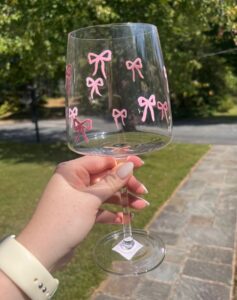
1. Painted Wine Glasses
Get wine glasses (the thrift store always has glasses) and some glass paint, and create unique designs to enjoy during craft night and beyond. You can also purchase the featured decorated wine glass from ShopYellowDaisies.

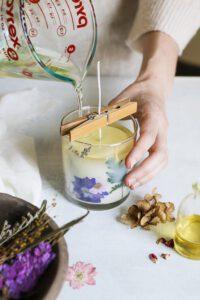
2. DIY Candle Making
Customize candles with different scents, colors, and molds. Stephanie Pollard and Hello Nest has a great tutorial for how to create dried flower candles.

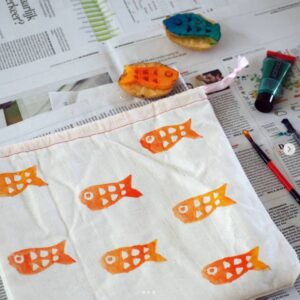
3. Personalized Tote Bags
Decorate canvas tote bags with fabric markers, stencils, or even fabric paint. An artist named Yoko designed the potato fish stamps below to design her custom canvas bag.

4. Boho Dream Catchers
Combine beads, feathers, and threads to create unique dream catchers for everyone at girls night to take home.

5. Beaded Bracelets
Pick beads in different colors and shapes for an easy, wearable craft. Bonus points if you have letter beads with cute phrases.

6. DIY Sugar Scrub
Mix your own sugar scrub with different essential oils and scents.

7. DIY Bath Bombs
Mix your own bath bombs with different essential oils and scents using this Bath Bomb Kit, which makes 12 bath bombs!

8. Macramé Plant Hangers
Perfect for plant lovers, create stylish hangers with simple knots and ropes.

9. DIY Purse Chain
Jane Birkinify” your handbags with the cutest bag charms, scarfs, beads and ribbon.

@freckledlaur

girls night activities: crafting purse chain! SO MUCH FUN🤧 @sadie @emeline 💌 #orlandocontentcreator #diypursecharm #diypursechain #girlsnightactivities

♬ original sound – Cale saurage

10. DIY Potato Stamps
Carve halved potatoes to create custom stamps.

11. Watercolor Art Cards
Practice watercolor techniques and create unique cards for any occasion. To add a floral touch, check out this article about how to paint flowers for beginners!

12. Hand-Painted Mugs
Customize mugs with fun designs or sayings using ceramic or acrylic paint markers.

13. Embroidery Hoops
Learn simple embroidery stitches to create wall art or monograms.

14. Pom-Pom Garland
Use yarn to make pom-poms, then string them together for a cute garland. Check out Melissa Riker’s easy pom-pom tutorial!

15. Handmade Soap Bars
Create unique soap bars with essential oils, colors, and molds.

16. Custom Fridge Magnets
Use clay, paint, or even bottle caps to make quirky fridge magnets. I think using acrylic paint pens is easiest for non-artists!

17. Painted Plant Pots
Jazz up plain pots with colors and designs of your choice. These acrylic markers work great for this project!

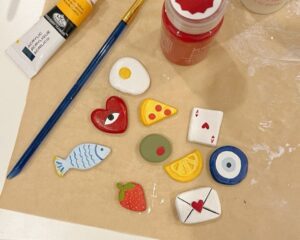
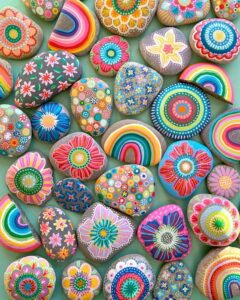
18. Painted Rocks
Paint or draw inspirational words or fun designs on rocks for an easy craft. These acrylic markers work great for this project!

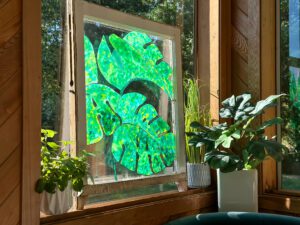
19. Faux Stained Glass Art
Mimic stained glass by outlining designs on glass and filling with translucent paint for a colorful, light-catching effect. Check out Kara’s DIY stained glass wall art tutorial!

20. Boho Beaded Curtains
String colorful beads on cord to make vibrant, bohemian curtains that add texture and movement to any space.

21. Handmade Bookmarks
Create personalized bookmarks with paint, pressed flowers, or recycled materials, perfect for gifting or keeping.

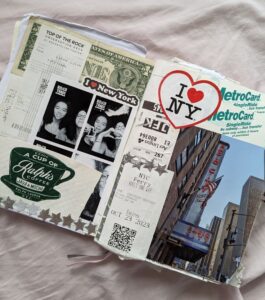
22. Decoupaged Notebooks/Junk Journals
Transform plain notebooks with decorative paper, images, or fabric for a personalized, collage-like finish.

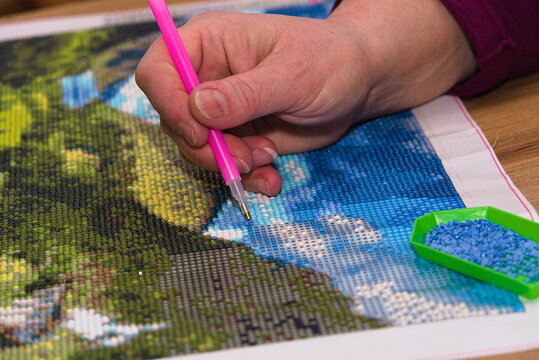
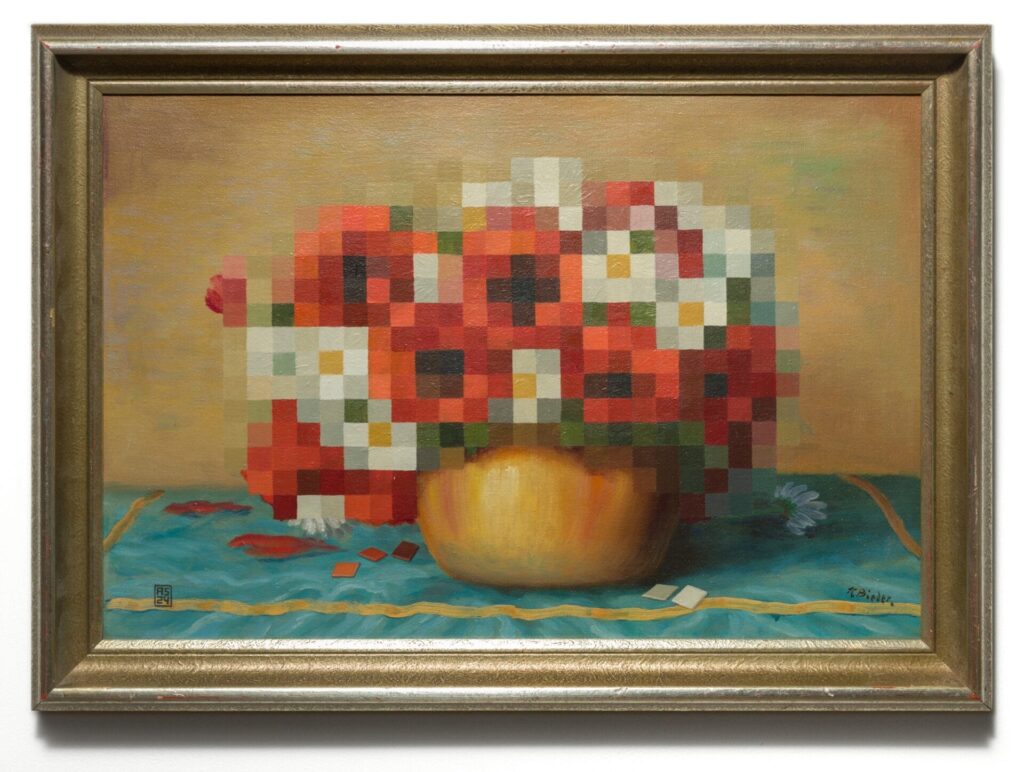
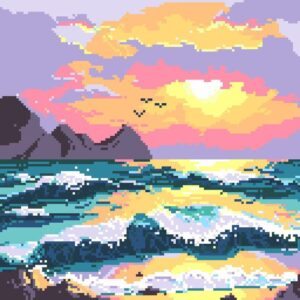
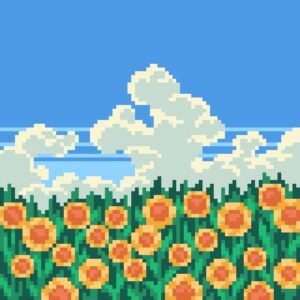
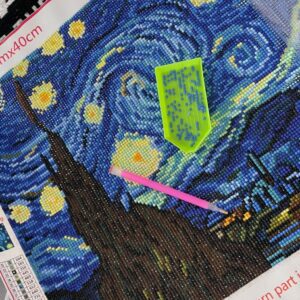
23. Diamond Painting Kits
Diamond Art Club has many popular kits you can create using ‘diamonds‘ to create a beautiful mosaic style pixel paintings.

24. Marbled Paper Art
Capture stunning, swirling patterns on paper using simple marbling techniques like shaving cream or nail polish.

25. Painted Wooden Signs
Design rustic wooden signs with stencils or freehand lettering for charming, custom home decor.

Holiday Themed Girls Night Activities

These holiday ideas will add a festive touch to any crafty girls night and make perfect seasonal gifts or decorations!

26. Snow Globe Jars
Use mason jars, tiny holiday figurines, glitter, and super glue to create snow globe jars that make charming holiday decor.

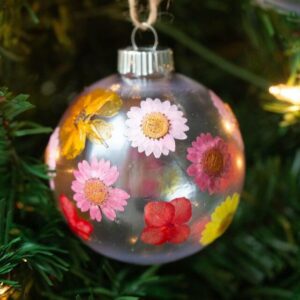
27. Ornament Decorating
Decorate plain ornaments with paint, glitter, or even pressed flowers for a personalized holiday touch. Check out this pressed flower ornament tutorial for more details!

28. Holiday Wreath Making
Create wreaths from evergreen branches, pinecones, and ribbon, or go for a modern twist with fabric, ornaments, or paper flowers.

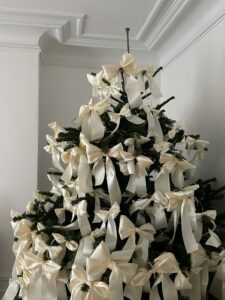
29. Ribbon Bow Christmas Tree
Use silk ribbon to decorate your Christmas tree with cute coquette bows.

30. Pinecone Christmas Trees
Paint pinecones green and add mini decorations to make adorable mini Christmas trees.

31. DIY Advent Calendars
Use small envelopes, boxes, or fabric pouches to create personalized advent calendars filled with treats or notes.

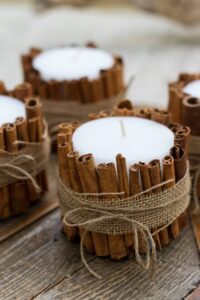
32. Cinnamon Stick Candle Holders
Wrap cinnamon sticks around small candles with twine for a festive, fragrant candle holder. Louise Roe has a great tutorial for how to create these cute cinnamon stick candle holders.

32. Paint Nutcrackers
Design raw wood nutcrackers with custom designs and cute colors.

@lizzyfowlks

if you need a fun christmas girls night craft this is it! these nutcrackers were literally $8 from @Hobby Lobby !! 🎄♥️🎅🏼 #craftnight #girlsnight #christmascrafts #utahmom #candysalad #fyp #fypシ #momsoftiktok

♬ Rockin’ Around The Christmas Tree – Brenda Lee

33. Gift Wrap Stamping
Create custom gift wrap by stamping plain paper with holiday shapes—think snowflakes, trees, or stars.

34. Holiday Mason Jar Candles
Make holiday-scented candles in mason jars using essential oils like cinnamon, pine, or peppermint.

35. DIY Christmas Crackers
Fill empty paper towel rolls with small treats or gifts, then wrap in festive paper and tie the ends with ribbon.

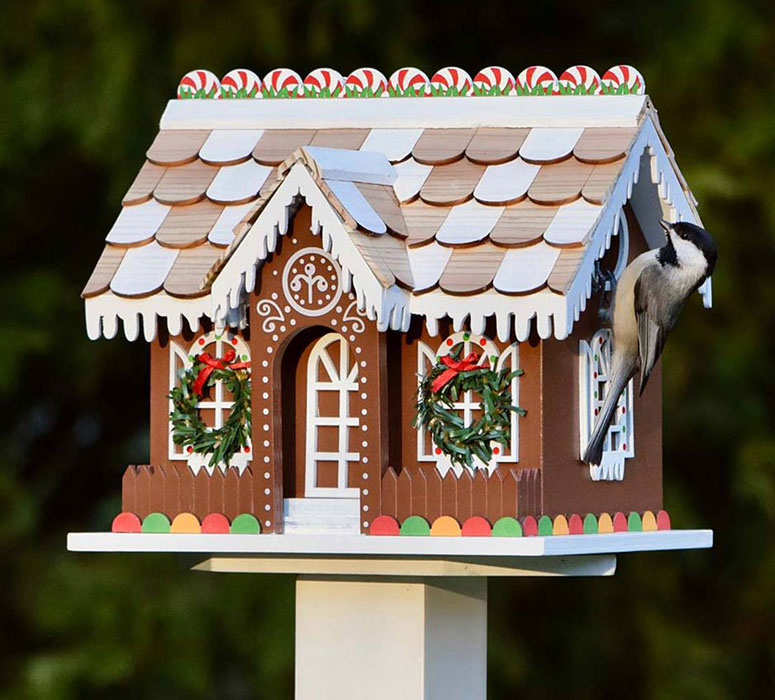
36. Custom Gingerbread House
Decorate raw wood bird houses with painted designs and glitter.

Christmas Crafts for Girls Night - DIY Gingerbread House

37. Painted Wood Slice Ornaments
Use small wood slices as a canvas to paint holiday scenes, snowmen, or simple sayings for rustic ornaments.

38. Festive Felt Garland
Cut felt into holiday shapes like trees, stars, and ornaments, then string together for a colorful garland. If you’re on a time crunch, this Felt Christmas Ornament Kit comes with everything you need to create felt ornaments.

39. Paint Christmas Candles
Create holiday inspired candles with acrylic paint.

40. Snowflake Paper Lanterns
Use paper-cutting techniques to make intricate snowflakes, then use Modge Podge to attach them to candleholders or jars for cozy lanterns.

41. Holiday Cookie Decorating
Turn craft night into a cookie-decorating party with icing, sprinkles, and edible glitter for a festive (and tasty) twist. Check out this Ugly Sweater Sugar Cookie Decorating kit!

Budget Crafts for Girls Night

These projects are perfect for a zero-cost, crafty day and can often be done with things lying around your house or yard. For more budget friendly crafts, check out these tips for finding art supplies at the thrift store. Plus, we love recycling creatively! Here are some crafty activities perfect for girls night that use materials you likely already have around the house.

42. Painted Rocks
Find some rocks outside and decorate them with markers or leftover paint for a simple, fun activity. Use paint pens for this project!

43. Leaf Printing
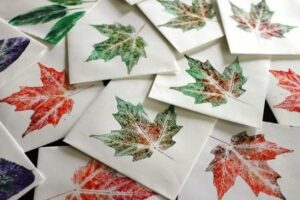
Use leaves from your yard to create prints by painting one side and pressing it onto paper or fabric. Check out this tutorial for beautiful artsy nature leaf prints!

44. Collage Art/Mood Boards
Use old magazines, newspapers, or junk mail to create a collage on paper or cardboard. I like to print out images from Pinterest and arrange them 5 x 5 on a standard poster board. Check out my New Year Resolution Mood Board on Pinterest for inspiration!

45 Recycled Paper Beads
Cut colorful paper from magazines or old mail into strips, roll them up, and glue to create beads for jewelry or decor.

46. DIY Shrinky Dinks with Recycled Plastic
Recycle plastic waste into cute keychains! Draw and cut out designs, hole punch, bake at 350° for 2-3 minutes, and attach to a keychain.

@bite

Plastic clamshells ( 6 PLASTIC) usually cant be recycled. Turn them into some cutie art instead. Hello new key chains, necklaces, buttons, earrings, magnets…. You get it. Following a sustainable lifecycle doesnt always look perfect, but finding ways to repurpose waste we do create is better than sending to landfill. 🩷 Have you tried this? #upcycle #diycrafts #craft #progressnotperfection #imperfectsustainability #shrinkydink

♬ Makeba (Ian Asher Remix) – Jain & Ian Asher

47. Newspaper Gift Wrap
Use newspaper or old magazines as unique, eco-friendly gift wrap. Decorate with hand-drawn designs, stamps, or ribbon.

48. Bob Ross Painting Girls Night
Follow a Bob Ross painting tutorial on YouTube. One of my favorites is Mighty Mountain Lake (Season 16 Episode 12).

49. DIY Stamps
Use a potato, pencil eraser, or wine cork to make a simple stamp for decorating paper or fabric.

50. DIY Bookmarks
Cut bookmarks from old cereal boxes or cardboard and decorate with markers or stickers.

51. Create a Dopamine Menu
Design a list of things that make you happy!

52. Hot Girls Night Walk Flower Pressing
Go on a walk early on in girls night and collect flowers and leaves. You can stick these pieces of nature between the pages of a heavy book to use later in cards or other art projects.

53. Watercolor “Paint” from Old Markers
Revive dried markers by soaking them in water, creating a makeshift watercolor set.

@happyolivestudio

loved this dopamine menu journal idea from @Juliana 🫶🏼 I always love a happy list!! #scrapbook #journaling #junkjournal #journalstickers #scrapbooking #journal Scrapbook journal ideas Junk journal notebook A5 Ransom letters alphabet diy stickers journaling prompts

♬ EP 157 note to self by payton sartain podcast – Payton Sartain

54. Coloring Pages
Either print coloring pages for free or draw your own! Spend your girls night coloring mindlessly.

55. Recycled Tin Can Planters
Decorate recycled tin cans with paint, markers, or wrapped paper and use them as planters or desk organizers. For planters, make sure to poke a hole in the bottom for drainage!

Girls Night Hosting Tips & Tricks

  • Plan Ahead for Girls Night– Choose crafts that fit everyone’s skill level, and have all supplies ready ahead of time. This way, you can focus on enjoying time spent with friends.
  • Set the Mood for Girls Night– Think of lighting, music, and snacks to keep the atmosphere relaxed and fun.
  • Go with the Flow on Girls Night– Crafting is about enjoyment, so let everyone go at their own pace and let creativity take center stage!

Crafty girls nights are not only a chance to explore your creativity but also to make lasting memories. From flower pressing and watercolor painting to dopamine menus and recycled tin can planters, there are endless possibilities to enjoy a fun, creative evening with your friends. So gather your crew, choose a DIY project, and let the crafting begin!

55 Creative DIY Craft Ideas for Girls Night Read More »

How to Avoid Burnout: 13 Tips from A Tired Artist

Sometimes the ideas flood out and I can create painting after painting, each more whimsical than the last. As much as I enjoy these spurts of creativity, when they pass I tend to get burned out. I’ve been an artist for many years and I know I will always love it, but I’m only human. I get tired and frustrated when the art doesn’t turn out the way I want it to and there are a lot of drawings and paintings I choose not to share, out of fear of not being good enough.

So, how do I get out of the creative funk? How do I avoid burnout as a tired artist?

Below I’ve listed 13 tips for how I avoid burnout, from setting healthy boundaries to creating art just for myself. Please remember that these tips to avoid burnout are my suggestions and opinions. Everyone has different methods for how they avoid burnout, and I implore you to use what works best for you and your lifestyle.

How to Avoid Burnout by Brianna Eisman

Tip #1: Avoid Burnout by Scheduling Out “Art Time”

My first tip to avoid burnout is to maintain a schedule. Whether your schedule is ambiguous like sketching once a day or once a week, or crafting a structured calendar specifically for your creative endeavors, its important to include your art into your routine.

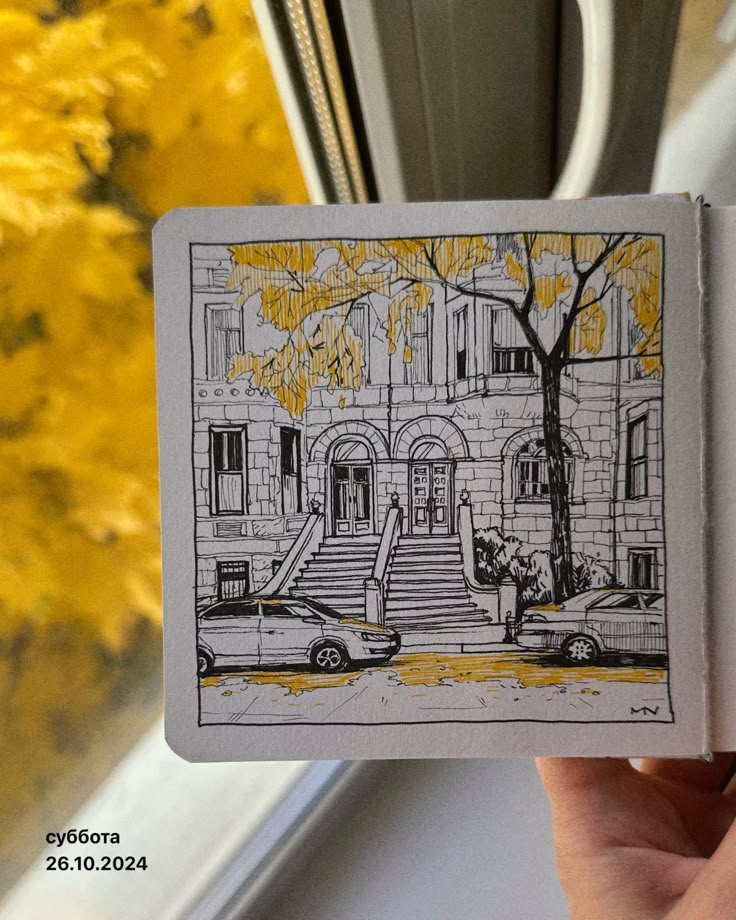
street view drawing ideas daily sketch by maria
Yellow Street Daily Sketch by Maria

For me, I keep a separate Google Calendar for everything involved in this website, ArtsyDrawings.com. I plan out my social media posts, articles, monthly newsletter, bullet journaling time, and sketchbook time. Of course, I wish I was more diligent in meeting each of the goals I set for myself, but sometimes life happens and interrupts my art time, and that’s okay.

Setting realistic goals, like working on a project once a week, helps break down large projects into manageable tasks. This helps me to stay motivated without feeling overwhelmed and burnt out. Likewise, maintaining a consistent schedule helps me manage my time better and reduces the chances of overworking and spending all my creative juices in one sitting.

Tip #2: Avoid Burnout by Organizing your Time and Space

Honestly, I’m surprised every artist isn’t tested for ADHD. I work on many different projects at the same time, sometimes with different mediums and in different parts of the house. So, tip #2 to avoid burnout is to stay organized!

Organization can be achieved through many different methods. Cleaning frequently, using sorting bins for different materials and mediums, and labeling everything with a label maker are some of my favorite ways to keep myself organized. I think the best way to stay organized mentally is to choose either multiple projects in one location or one project in multiple locations.

For example, when I bullet journal I select the materials I want to use for the journaling pages and I’ll take those materials wherever I want to work. For me, bullet journaling is a timely process that I can take with me wherever I go; sometimes I’ll work on it at a coffee shop or out on the porch on a nice day. Regardless, I’m choosing one project in multiple locations.

In contrast, when I paint I like to keep everything in one place next to my supplies and artist easel. Acrylic paint dries out pretty fast so once I create the paint palette I like to maximize the material. This means I stay in one place, but work on many different projects at once.

Staying organized physically and mentally helps reduce stress and allows me to focus on the art in front of me. When I know where my materials are located and have my workspace clear, its easier for me to work when creativity strikes.

Tip #3: Make Art Fun Again

I think sometimes artists get caught up in the business and outside expectations that we forget why we started drawing in the first place. Art is a way for people to express themselves and enjoy the process of creating something new. So, how can you find that passionate fire again after burnout?

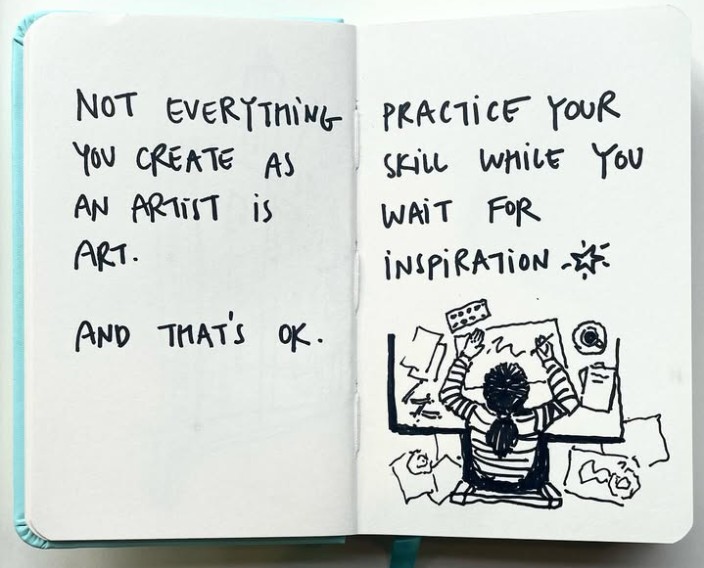
make art fun again practice your skill white you wait for inspiration

Below I’ve compiled a list of different activities I like to do when I’m burned out of formal paintings and drawings. These activities help inspire me and get me back into the creative groove.

  • Practice mark making
  • Walk around a craft store
  • Create holiday or birthday cards
  • Paint a wooden figurine
  • Create a diamond painting
  • Paint ceramic plant pots
  • Go to a local arts market
  • Create a scrapbook mood board
  • Test your pens and markers
  • Get inspired on Pinterest

Allow yourself to create without deadlines or expectations. Make art just because you love it.

Tip #4: Avoid Burnout by Taking Regular Breaks

Just like school or work, your art requires time and energy. When you overexert yourself painting or drawing, sometimes it can lead to burnout. To help avoid reaching this breaking point, make sure you are taking regular breaks. Step away, take a walk, or engage in activities that relax you.

While this step is simple, it’s easy to forget, especially when you get really deep into the project. This tip goes hand-in-hand with Tip #1: Avoid Burnout by Scheduling Out “Art Time.”

Tip #5: Avoid Burnout with a Sketchbook

When you keep a sketchbook or journal it allows you space to write down thoughts, ideas, and feelings that can help declutter your mind promote creativity outside of finished pieces. This tip is important whether you are currently burned out, approaching burnout, or actively creating art.

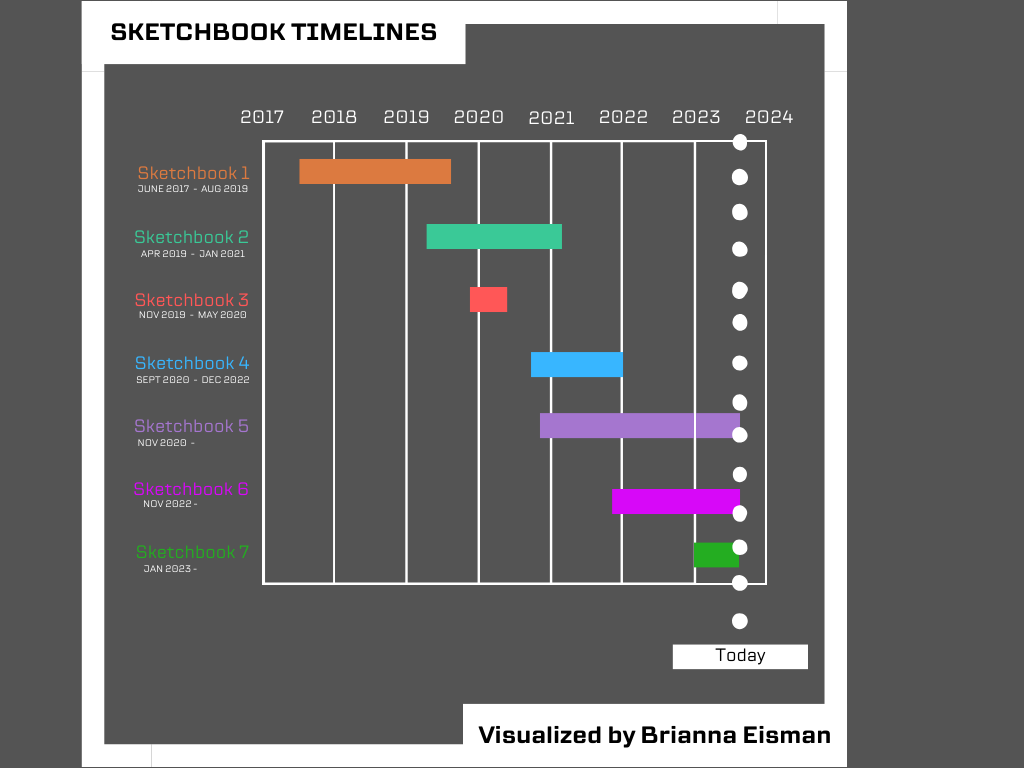
I was introduced to regularly drawing and sketching in a journal/sketchbook in middle school, and I’m happy it’s stuck with me. Aside from jotting down quick ideas and sketches, keeping a sketchbook is a great tool to maintain your creativity. I keep a few different sketchbooks for different reasons:

  • Bullet Journal – My bullet journal is a formal sketchbook structured by month. Each month I choose a color scheme and theme and create tracking pages for my habits, moods, and special moments from that month. For example, I have pages for my phone use, music I listened to recently, seasonal produce, and positive events that occurred throughout the month.
  • Private Sketchbook – This is the sketchbook I don’t show anyone, at least for a few years. I started the sketchbook with the intention of keeping it private, so the drawings are bad and weird and wonky, and that’s okay. This journal erases the expectation of making “good” art and focuses on simply creating and improving my line work, color schemes, and overall creativity.
  • Public Sketchbook – This sketchbook is the exact opposite of the above mentioned “private sketchbook.” I started it with the intention to share it publicly and to create beautiful, finalized works of art. If I mess up or don’t like the way the drawing is going, I’ll draw or paint over it. My idea for this sketchbook is to be able to bring it to art markets with me as a easy way to show my portfolio and range.

Gantt chart showing sketchbook use over time
Sketchbook Timelines by Brianna Eisman

Tip #6: Avoid Burnout by Celebrating Small Wins

When you’re learning to draw it’s easy to compare your work to others, or even compare it to the image you had in your head. Don’t get yourself down on what you can’t do, you have to focus on celebrating the small wins. You won’t become a great artist overnight, it takes a lot of bad drawings and it’s frustrating.

I remember this one portrait painting in art school that I kept painting the face over and over again because I just couldn’t get it right. The acrylic paint was so thick that if you held the canvas up to the light, no light would shine through to the back. This was one of my first experiences with artistic burnout. I hated working on this painting and dreaded going to the class. So, one day I got so frustrated that I took Cadmium Red paint and blocked out the portrait’s face with a big red blob. A few different things transpired:

  1. I shocked myself and remembered that I choose to make art because it makes me happy and puts me in control.
  2. I stopped working on the portrait’s face and focused on other aspects of the painting like the hands, dress, and background. Improving these associated pieces helped improve the painting as a whole.
  3. I gave myself a clean slate to start over on the face and it worked. I was able to repaint the face without the original disproportionate sketch peeking through.

These were three small victories that contributed to finishing the painting. Honestly, I’m not sure where that painting ended up. But, I’m glad I was able to turn my artistic burnout and frustrations into positives. The acknowledgement of small wins help you stay motivated and help avoid burnout.

Tip #7: Avoid Burnout by Seeking Inspiration

Being creative doesn’t necessarily mean making art, there are many ways to be creative.

When burnout strikes, instead of forcing yourself to create, try seeking inspiration through nature, local arts markets and galleries, or connecting with fellow artists. If you’re unable to go outside, scrolling through online art platforms like Pexels, Doodle Addicts, and RedBubble can provide a much-needed boost.

I also enjoy using my connections on social media for inspiration. I’ll do a deep dive into a hashtag I like to find similar artists or scroll the explore page until I find something that stands out to me. Inspiration is all around you, but its up to you to allow yourself to be inspired by it.

Tip #8: Avoid Burnout by Experimenting

Experimenting with different mediums can lead to new ideas.

Maybe your problem isn’t your creativity, but rather that you’ve been working with the same material or medium for too long. I know I go through cycles of painting, drawing and photography. Basically, when I get bored of the one medium, I’ll switch to another, avoiding burnout.

My personal favorite mediums are typically acrylic paint and drawing markers, but I do love to switch things up. I have a box labeled “Misc. Art Supplies” for stuff like henna, ribbons, embroidery floss, beads, tape, magnets, felt, glitter and all sorts of different things. When I’m burned out, or trying to avoid burnout, I’ll trifle through this box and see if anything stands out.

how to avoid burnout as a tired artist
Photo by Jure Širić

Tip #9: Avoid Burnout by Knowing When to Say “No”

You may be at the point in your art career where you are accepting commissions, paid and unpaid. It’s important to know yourself and your limits when accepting commissions. Rushing your art can significantly impact the quality of it. Knowing your abilities and your boundaries can help you avoid burnout.

It’s important to set healthy boundaries and learn to say no to projects or commitments that will stretch you too thin or compromise your creative time.

Tip #10: Avoid Burnout by Hiding your Art

After working a piece for while, you no longer see the work as a whole, rather individual parts that still require work. So, the next time you decide to take a break, move the piece somewhere you won’t be able to see it on a regular basis. For good measure you can also turn the piece upside down.

Tip #4: How to Avoid Burnout by Taking Regular Breaks talked about taking regular breaks to help you recharge and reset your eyes when making art. Tip #10: Hide Your Art is about hiding your art to further help reset your eyes.

When I work on a painting for multiple hours, I have to take a longer break at some point. During the time I’m not painting (could be days, could be weeks) the piece is hidden away in my storage closet. When I eventually resume painting, it’s new again and I can see things I didn’t notice before.

This practice helps you avoid burnout by reinvigorating your art with new perspective and energy.

Tip #11: Avoid Burnout by Prioritizing your Physical Health

This tip is pretty straight forward, but it needs to be said. You are the machine behind the products, and if the machine breaks no products are made. It’s important to prioritize your health above your art. Northwestern defines physical wellness as “recognizing the need for physical activity, healthy foods, and sleep, as well as preventing illness and injury or managing chronic health conditions.”

  • Get enough sleep and recharge
  • Exercise regularly
  • Stay hydrated
  • Create well-balanced and healthy eating habits
  • Seek medical care when needed

Tip #12: Avoid Burnout by Engaging with the Art Community

Whether you are a sculptor, painter, or graphic designer, art is subjectively lonely. The practice is typically done by yourself and reflects your personal experiences, expressions, and style. I’ve mentioned before in this article about how you can help to avoid burnout by visiting museums, galleries, and arts markets. These activities are a great way to connect with the art community.

Connecting with others who share your passion helps you grow. One of the easiest ways you can connect with others is on the internet. I frequent r/ArtistLounge on Reddit. This group posts most anything art like progress photos asking for critiques, art business questions, recommendations for art supplies, and personal troubles that other artists may share.

Engaging with other artists can provide new perspectives, lessen isolation, and make projects more fun.

You can also connect with me and my art community by joining my monthly newsletter! I send out updates about my website, recent art I’ve created, and local galleries and artsy events.

artsydrawings.com newsletter sign up by Brianna Eisman

Tip #13: Avoid Burnout by Avoiding Perfectionism

Perfectionism is a spicy mix of anxiety, expectations, and procrastination. It’s something everyone deals with, no matter the industry.

As an artist, I see perfectionism at both the beginning and end of my projects. To start, I fear failing or messing up or marking the wrong mark on the page. I procrastinate or over-plan to the point that sometimes I have to tell myself “oh my goodness, just paint!!!” I see the same emotions pop up at the end of a project when I struggle with deciding when the piece is truly finished. I even debate varnishing paintings just in case I want to go back in and edit something. I’m stressing myself out when I should be enjoying making art.

Even as I write this article, I’m plagued with anxiety that I’m giving poor art advice or I’m not answering the questions the “right” way. But, that’s the thing with art, there isn’t really a “right” way.

Obviously, if you follow color theory or composition tips or imitate a certain historical style, your art is more likely to please the eye. But, at the end of the day, your art is an extension of your emotions and feelings; it’s subjective. Art focuses ideas and thoughts into shapes and colors that have depth and meaning. Ideas aren’t perfect, so why do you expect your art to be?

There’s this productivity phrase that says “Done is better than perfect.” It’s a motivator for those, like me, who struggle with perfectionism and avoiding burnout, to try and see the bigger picture. Not every piece has to be a masterpiece. When you learn to appreciate the process, and not just the result, you find deeper meaning in art.

How to Avoid Burnout: 13 Tips from A Tired Artist Read More »

Why Art Is Essential to Humanity and How It Makes the World Better

When someone asks why art is essential or important, you might struggle to explain it. It’s not just about pretty pictures or sculptures; art is a powerful need that improves our lives and makes the world better.

Some people see art as a drain on resources that could be used for more important things. They say: “What’s the point of art?”, “Why spend time and money on art?” and “art isn’t a real job.” They may say “it’s not like air or food where it hurts or kills you to go without it.”

How do you handle the dismissal of art? How can we stand up to naysayers and feel that what we do is meaningful?

Why Art is Essential: Art Is Our Shared History

Art has been with us since the dawn of human existence. From the earliest cave paintings to the masterpieces hanging in museums today, art is how we’ve documented our lives, expressed our beliefs, and passed down stories through generations.

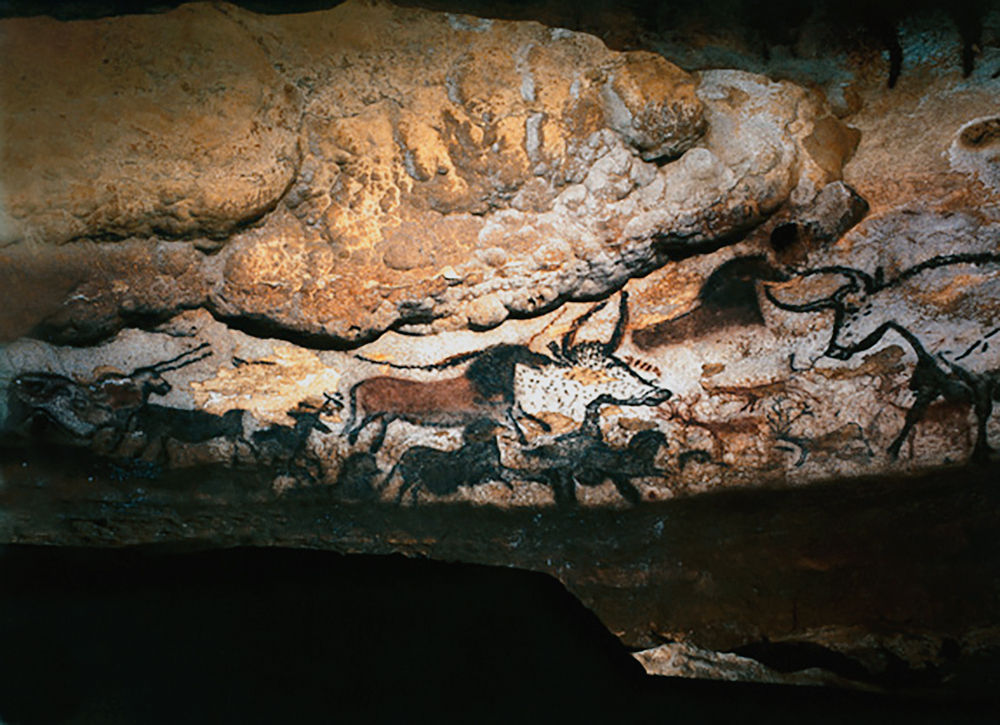
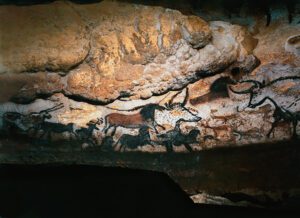
Lascaux is famous for its Palaeolithic cave paintings and drawings, found in a complex of caves in the Dordogne region of southwestern France, because of their exceptional quality, size, sophistication and antiquity. Estimated to be up to 20,000 years old, the paintings consist primarily of large animals, once native to the region. This is why art is essential to humanity.
Hall of the Bulls in Lascaux, France

The ancient Lascaux cave paintings in France, created over 17,000 years ago, are more than just depictions of animals. They provide a window into the lives, thoughts, and experiences of early humans. These images are not just art—they are records of a culture, telling us what was important to our ancestors, how they viewed the world, and what they valued. This art is essential to understanding our ancestors. Without these artistic expressions, our understanding of prehistoric life would be far more limited.

As civilizations evolved, so did their art. The Renaissance period, for example, was a time when art flourished as a means of exploring humanity, religion, and the natural world. Leonardo da Vinci’s Mona Lisa and Michelangelo’s Sistine Chapel ceiling are not only remarkable for their technical skill but also for the way they encapsulate the intellectual and spiritual currents of their time.

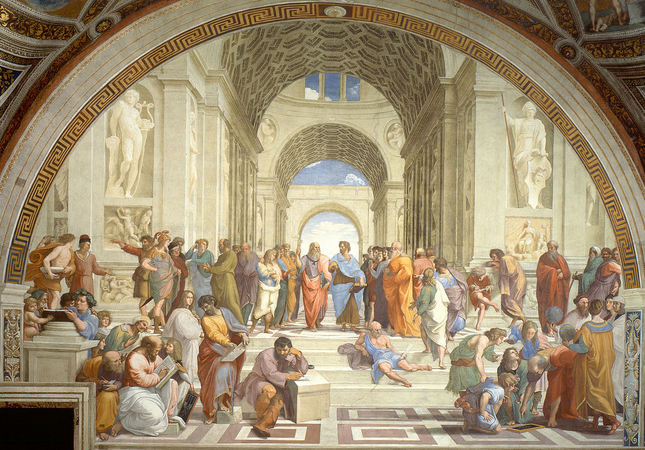
The School of Athens represents all the greatest mathematicians, philosophers and scientists from classical antiquity gathered together sharing their ideas and learning from each other. These figures all lived at different times, but here they are gathered together under one roof. Art style is classicism
School of Athens by Raphael

These works reflect a society that was rediscovering classical ideas, questioning the nature of humanity, and celebrating the beauty of the human form. They are more than just paintings—they are symbols of an era that continues to influence us today.

Throughout history, art has served as a mirror, reflecting the values, struggles, and triumphs of the people who created it. Whether it’s the monumental sculptures of Ancient Greece, the religious icons of the Byzantine Empire, or the protest art of the 20th century, each piece tells a story.

When we study art history, we are not just learning about art; we are learning about ourselves, our collective past, and the forces that have shaped our world. Art keeps our history alive, reminding us of where we’ve come from and helping us to understand who we are today. Without art, the richness of human history would be lost, and our connection to our ancestors would be much weaker.

Personally, I think this feeling of lost humanity has influenced a fear of computer generated art and AI art. AI’s influence on the art community is controversial, but fascinating regardless.

Why Art is Essential: Art Connects People

One of the most powerful aspects of art is its ability to connect people, regardless of language, culture, or time period. Art speaks a universal language that everyone can understand on some level, even if they don’t share the same background or experiences. Art is essential as a universal communicator.

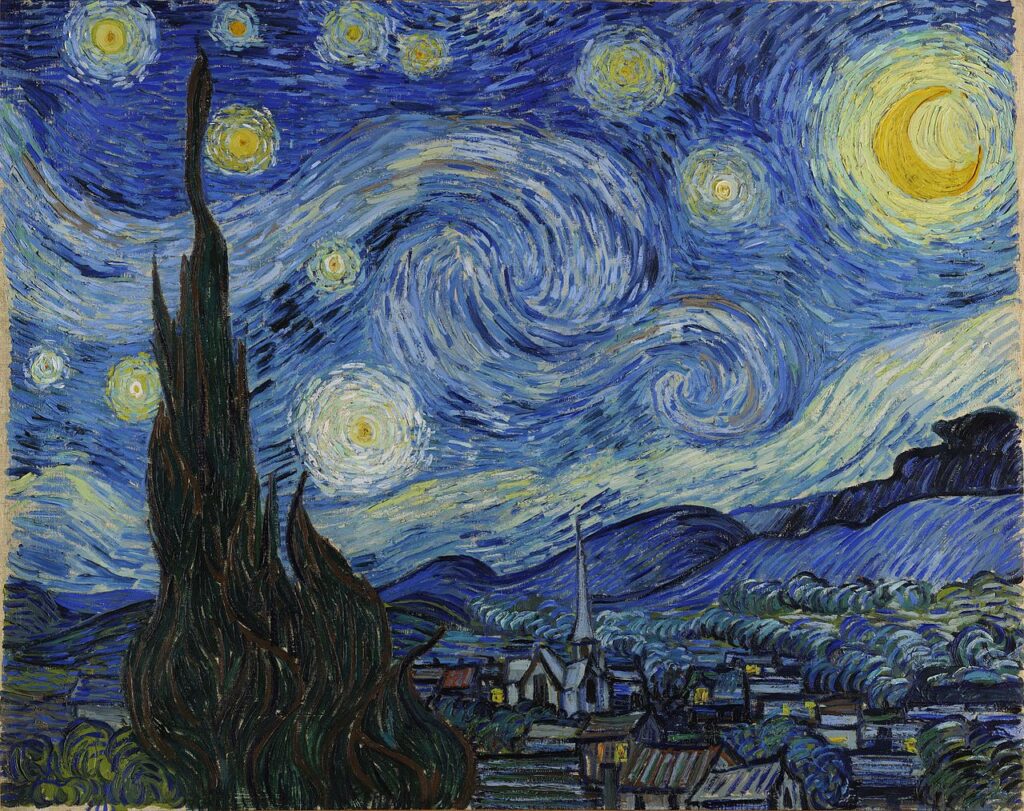
For instance, consider how people from all over the world are drawn to the works of Vincent van Gogh. His vibrant colors and emotional brushstrokes communicate feelings of loneliness, joy, and wonder that are universally relatable. You don’t need to know anything about his life to feel something when you look at Starry Night or Sunflowers.

Vincent Van Gogh's Starry Night painting is a good representation of why art is essential to understanding human connection and emotion.
Vincent Van Gogh’s Starry Night painting is a good representation of why art is essential to understanding human connection and emotion.

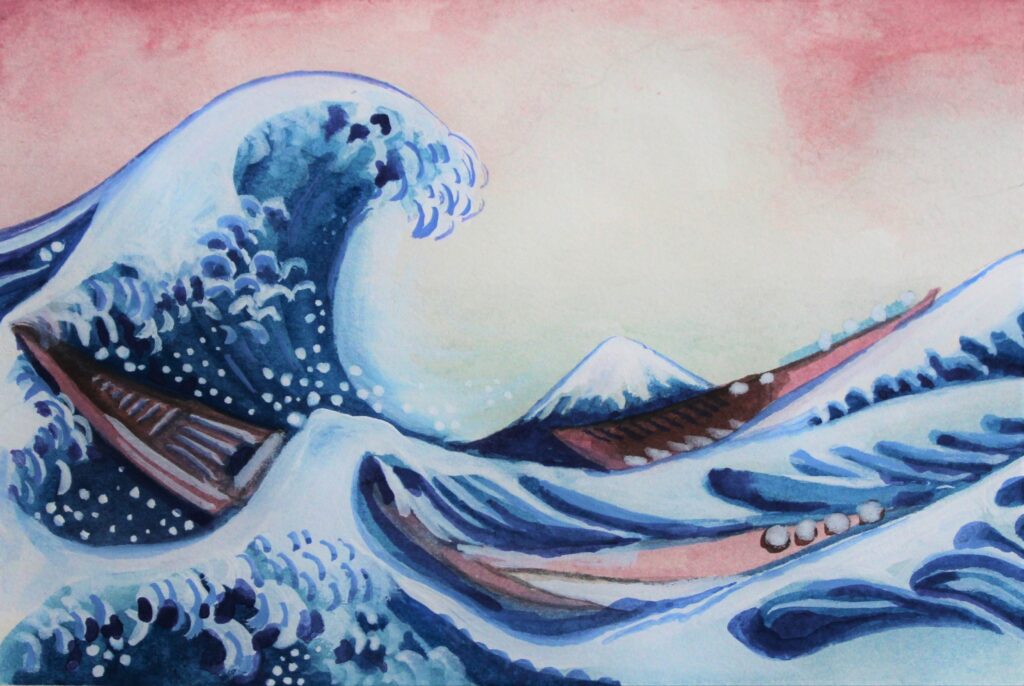
Similarly, Katsushika Hokusai’s The Great Wave off Kanagawa has become an iconic image recognized around the globe. Even though it was created in Japan during the early 19th century, its bold lines and dynamic composition capture the powerful force of nature in a way that speaks to people everywhere.

The Great Wave, by Brianna Eisman inspired by The Great Wave off Kanagawa
Print by Hokusai. Both works of art show the immense feeling of man vs. nature which connects all humans. This is why art is essential.
The Great Wave, by Brianna Eisman inspired by The Great Wave off Kanagawa
Print by Hokusai. Both works of art show the immense feeling of man vs. nature which connects all humans.

The wave, poised to crash down with unstoppable energy, evokes both awe and respect, reminding us of the universal human experience of facing forces beyond our control.

I made this painting using gouache paint on paper. Check out more of my art by looking at my Portfolio.

Why Art is Essential: Art Is Good for Your Mind and Soul

Art plays a crucial role in our mental and emotional well-being. It’s not just something to look at or listen to—it has a deep impact on how we think, feel, and live our lives.

Engaging with art can reduce stress, boost creativity, and improve our overall mood. When you draw, paint, or write, you’re not just creating something new; you’re also processing your thoughts and emotions in a healthy way. This is why art therapy is often used to help people deal with trauma, anxiety, and depression.

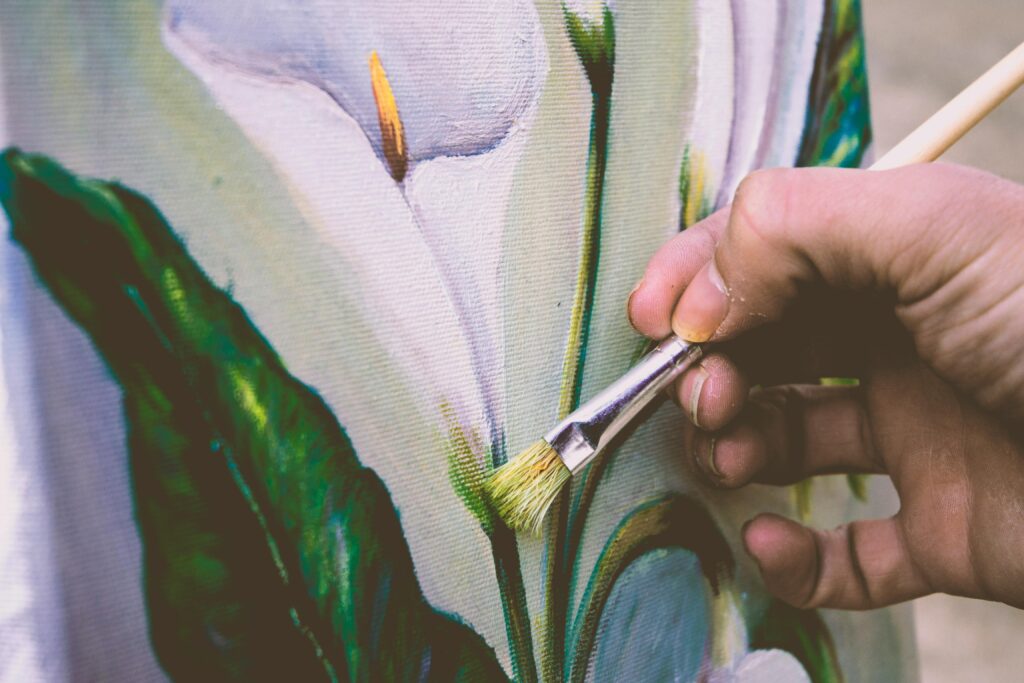
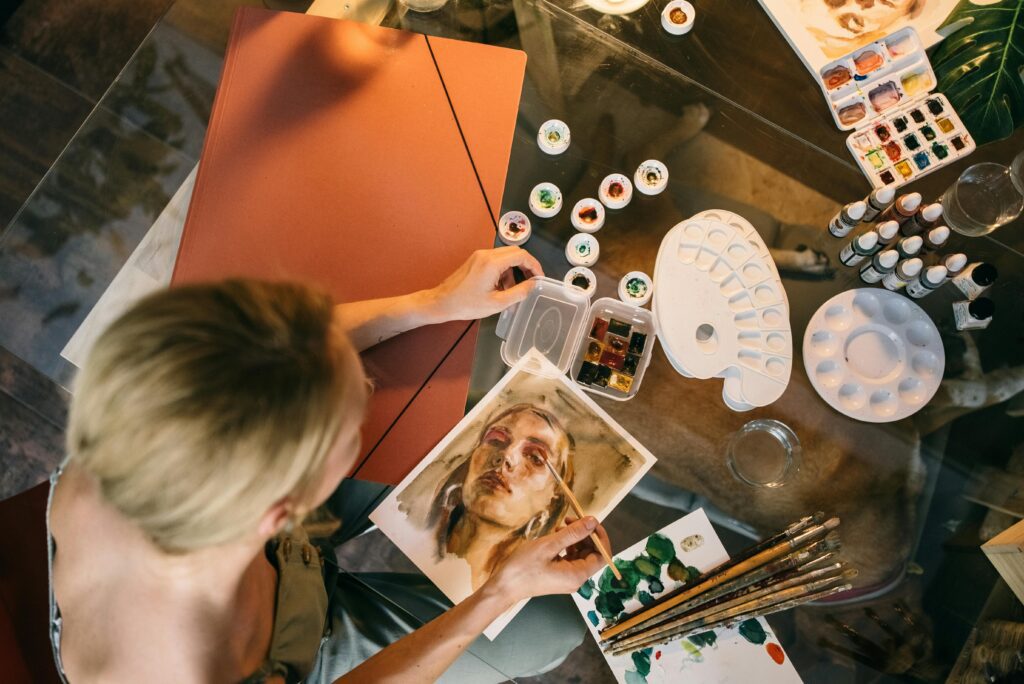
how to paint a flower painting - artist set up showing why art is essential
High Angle Shot of a Woman Painting by Leeloo The First

Even if you’re not creating art, simply surrounding yourself with it can have a profound effect on your well-being. Think about how you feel when you listen to your favorite song or watch a movie that really moves you. Art has the power to transport us to another world, offering a temporary escape from everyday worries.

Art has the power to inspire us, giving us new ideas and perspectives that we might not have ever considered. This is why so many people find comfort and joy in visiting art galleries, reading books, or watching films. Art is essential because it enriches our lives by making us more mindful, empathetic, and imaginative.

If you are new to art, I suggest you take a look at these articles:  5 Easy Drawings Tips,  How to Create an Artist Statement, and Easy Color Theory for Beginners.

Why Art is Essential: Art Enhances Our Surroundings

Art isn’t just something to be admired in a museum—it’s all around us, enhancing our surroundings and making our environments more enjoyable. Public art, architecture, and design can transform ordinary spaces into places of beauty and inspiration.

Take the Eiffel Tower, for example. It’s not just a structure; it’s a symbol of Paris, a work of art that has inspired countless artists, photographers, and dreamers. Or think about the colorful murals you might see in your city. These pieces of street art don’t just brighten up a wall; they add character to a neighborhood, tell a story, or make a statement. Street art decorating your community shows that art is essential to beautifying spaces.

form follows function showing how design is a reflection of reality. Art is essential in design and functionality.
“Form Follows Function” explains how design is a reflection of reality and how art is essential in merging design with functionality.

Good design in everyday objects—whether it’s a well-crafted chair, a beautifully illustrated book, or an innovative smartphone—also reflects the importance of art in our lives.

When art and design are integrated into the things we use and see every day, it elevates our experiences, making life not just functional, but also beautiful. It reminds us that art isn’t something separate from life; it’s a part of it, enriching our daily routines and surroundings in ways we might not always notice, but would surely miss if it were gone.

Why Art is Essential: Art Drives Social Change

Throughout history, art has been a powerful force for social change, challenging the status quo and inspiring people to think differently about the world.

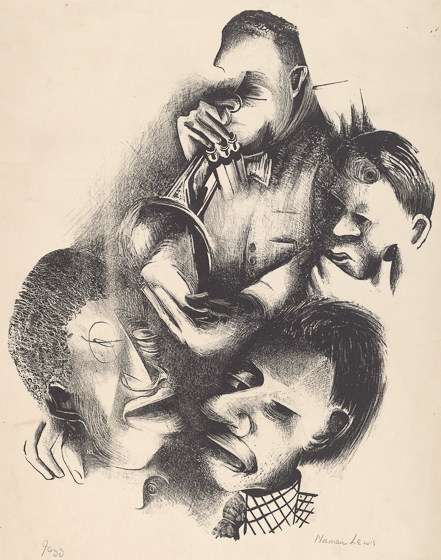
Artists have always been at the forefront of movements for justice, equality, and freedom, using their work to highlight societal issues and provoke action. The Harlem Renaissance of the 1920s is a perfect example of this. This cultural movement was not just about creating beautiful works of art; it was about redefining African American identity, celebrating Black culture, and challenging the racist stereotypes that had dominated American society for centuries.

Norman Lewis was attuned to the importance of jazz and blues music, especially growing up in Harlem during the heyday of the Harlem Renaissance. It shows how art is essential to enacting social change.
Jazz by Norman Lewis c. 1938

Through the poetry of Langston Hughes, the novels of Zora Neale Hurston, the paintings of Aaron Douglas, and the prints of Norman Lewis, the Harlem Renaissance gave voice to a community that had been marginalized and oppressed. These artists used their creativity to assert their humanity and demand recognition, laying the groundwork for the Civil Rights Movement that would follow.

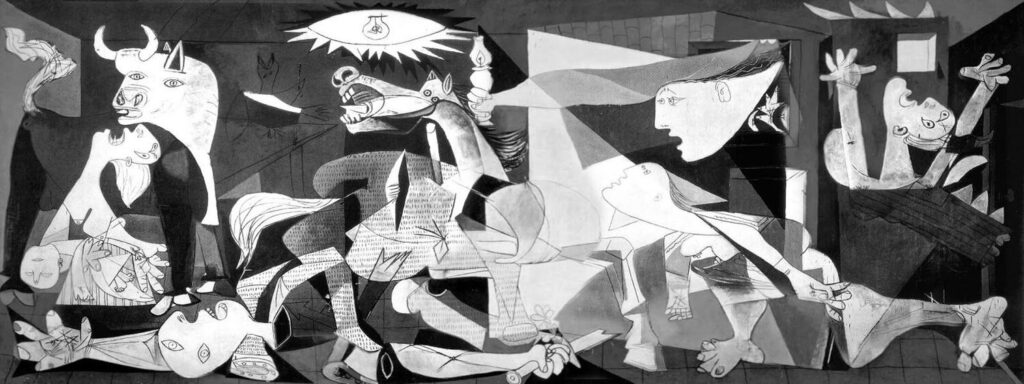
Art is essential to reaching people on an emotional level, making it a powerful tool for advocacy and activism. Picasso’s Guernica, for example, is one of the most famous anti-war paintings in history. Created in response to the bombing of the Spanish town of Guernica during the Spanish Civil War, the painting’s chaotic composition and haunting imagery convey the horror and suffering caused by war.

“Guernica” by Pablo Picasso shows how art is essential to enacting social change
Guernica by Pablo Picasso

Guernica is more than just a depiction of a historical event—it’s a universal condemnation of the violence and destruction that war brings. The painting has been displayed around the world, serving as a powerful reminder of the human cost of conflict and the need for peace.

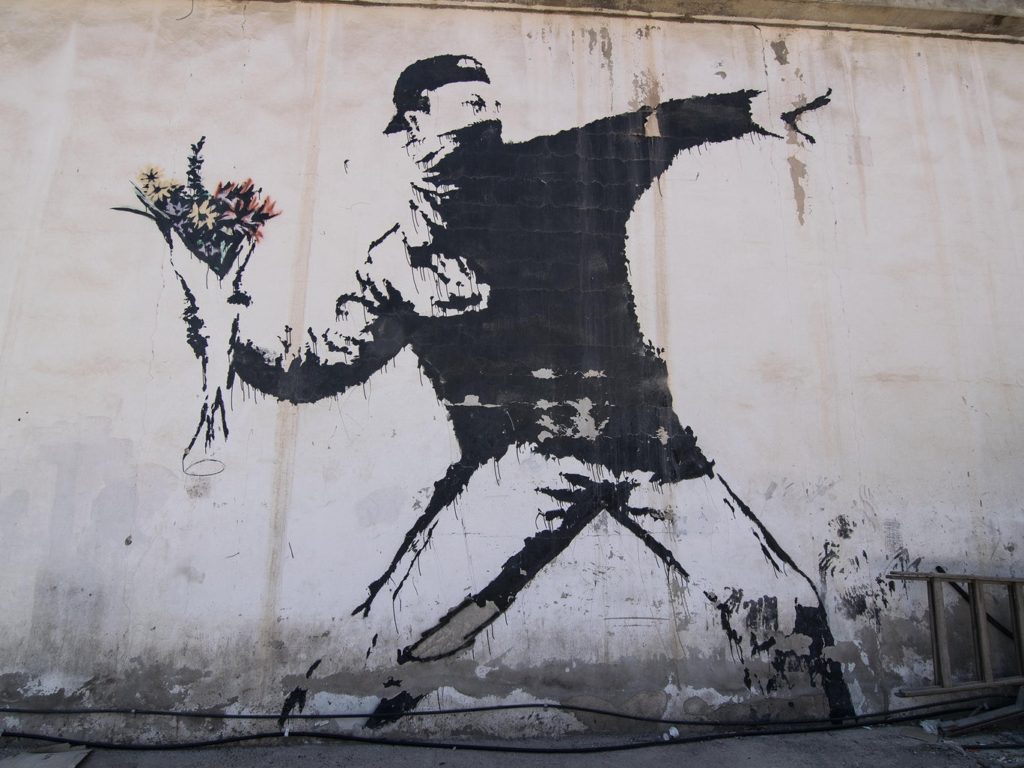
In more recent times, artists like Banksy have used street art to critique contemporary issues such as consumerism, government surveillance, and environmental destruction. Banksy’s work is often provocative, using humor and irony to make serious points about the state of the world.

Banksy graffiti art drawings show that art is essential
Banksy creates some of the most well known graffiti art drawings like The Flower Thrower in which “the protester is a pacifist.”

By placing his art in public spaces, Banksy ensures that it reaches a wide audience, sparking conversations and encouraging people to think critically about the issues he addresses.

This kind of art isn’t just about aesthetics—it’s about challenging people to question their assumptions and consider new perspectives. Whether it’s through paintings, music, literature, or performance, art inspires change, making it an essential tool for building a better, more just society.

How to Bring Art into your Daily Life

You don’t have to be an artist or visit a museum to experience the benefits of art. There are many simple ways to bring more art into your daily life, helping you stay inspired and connected.

Start by surrounding yourself with art that speaks to you. This could be anything from posters of your favorite paintings, to playlists filled with music that makes you feel something, to books that transport you to another world. The key is to choose art that resonates with you personally.

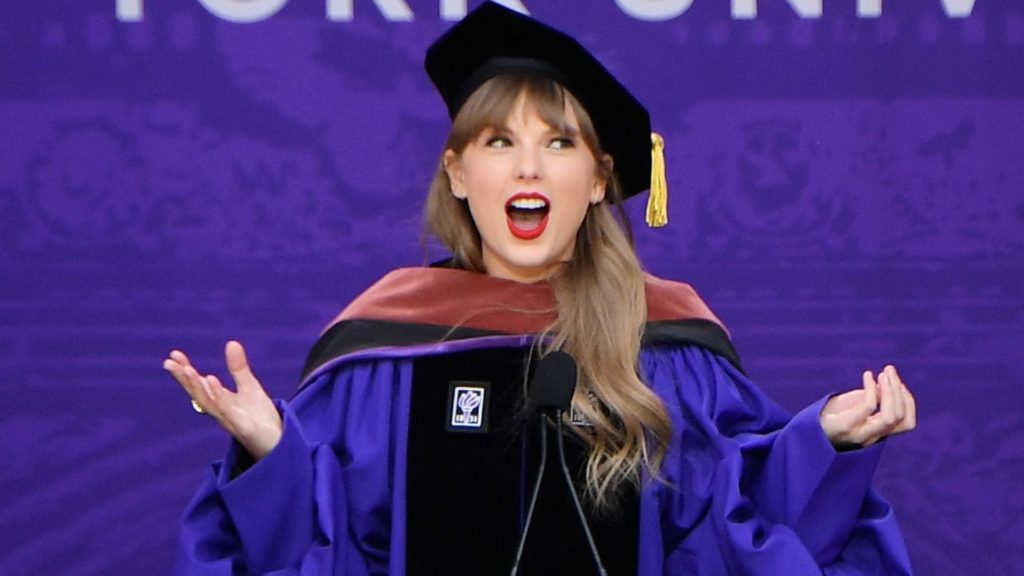
Taylor Swift in regalia purple attire speaking at NYU graduation. Art is essential, even if it's Taylor Swift!

You can also make a habit of engaging with art in more active ways. Try visiting local galleries, attending live performances, or exploring public art in your community. You might discover something new that sparks your interest.

I try my best to incorporate art into my every day lifestyle, from bullet journaling to thrifting art supplies to data visualization. Follow me on social media to enjoy galleries, painting and photography tips, and behind the scenes of some of my favorite creations.

Also, don’t be afraid to create your own art, even if you don’t consider yourself particularly talented. The act of creating—whether it’s drawing, writing, dancing, or playing an instrument—can be incredibly fulfilling. It’s not about being perfect; it’s about expressing yourself, recording a feeling or a thought, and finding joy in the process.

summer bucket list bujo bullet journal ideas page for summer can show how art is essential even in every day scenarios for regular non-artistic people
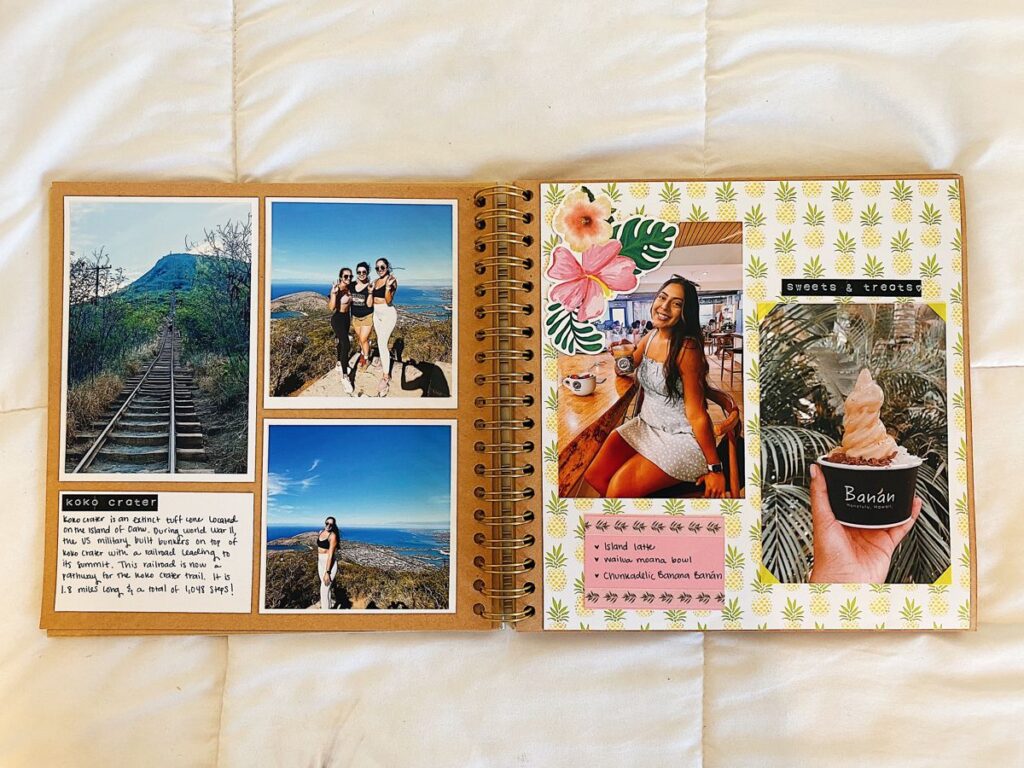
Collecting photos and memorabilia for scrapbooking or bullet journalling is a fun and easy way to incorporate art in your everyday life.

Conclusion: Art Is Not a Luxury, but a Necessity

Art is much more than just a luxury—art is essential to being human. It connects us to our history, brings people together, nourishes our minds and souls, enhances our surroundings, and drives social change.

By recognizing the importance of art and making it a part of our daily lives, we can enrich ourselves and contribute to a world that values creativity, empathy, and beauty. Whether through painting, music, literature, or performance, art helps us understand the world and imagine new possibilities. And in a world that often feels divided and uncertain, that’s something we all need.

Subscribe

Sign up for my monthly newsletter and stay up to date on newest articles, galleries, and paintings

*

Why Art Is Essential to Humanity and How It Makes the World Better Read More »

How can drawing make you a more successful artist?

Introduction: How do you become a successful artist?

Why is drawing important? What does it teach you in the long run? Why does it seem like drawing is the beginning step in becoming a successful artist? What does learning about art have to do with becoming a better person? Why is drawing important to being a successful artist?

It is my goal to attempt to answer these questions by the end of the article. Whether you are just starting out, or a seasoned professional artist, it is important to know the base skills that drawing provides. Overall, drawing is important for several reasons, from cognitive and emotional reasons like self expression and to help release stress, to practical domains like improving hand-eye coordination and motor skills.

For a list of tools and mediums I recommend, check out my Favorite Art Supplies list and this article about my favorite paints and drawing materials.

If you are interested in learning more about basic drawing and painting skills, please check out my Art Advice page. If you are a beginner artist, I recommend 5 Easy Drawing Tips and How to Create an Artist Statement. These are great resources to becoming a successful artist.

Drawing is a form of Self expression

Drawing allows individuals to express themselves visually, providing an outlet for emotions, ideas, and experiences that may be difficult to convey through words alone. It’s a form of non-verbal communication that can be powerful and evocative. The article from Arts Academy in the Woods puts it perfectly:

“Art gives us a way to take a painful thought out of our heads and put it onto a page or into a drawing, painting, or performance. It thereby releases the emotions around that thought and gives it less power.”

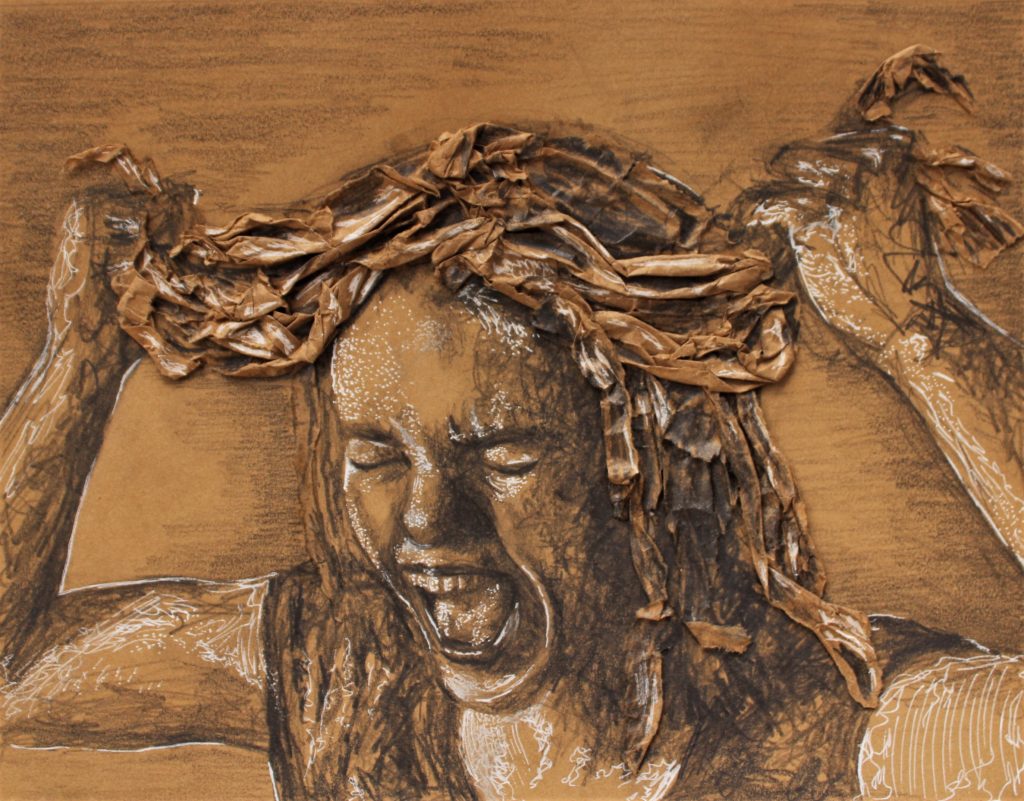
Brown and white artwork of stressed out woman pulling at her hair
Tension, 12″x10″ graphite and white pen on paper by Brianna Eisman

Drawing inspires creativity

Engaging in drawing stimulates creativity and imagination. It encourages you to think outside the box, explore new ideas, and experiment with different techniques and mediums. I first found a passion for art in school. Whenever I finished a test early, I would flip the page to the back, and doodle, sketch, and draw anything and everything I could imagine. Creativity is a skill, just like riding a bike or learning to code, you must practice being creative and using your imagination.

I believe that you truly become a successful artist when you make a mistake and have to think of a creative solution to fix it. This creative process teaches problem-solving skills, and I have found these skills help in many other areas of my life too.

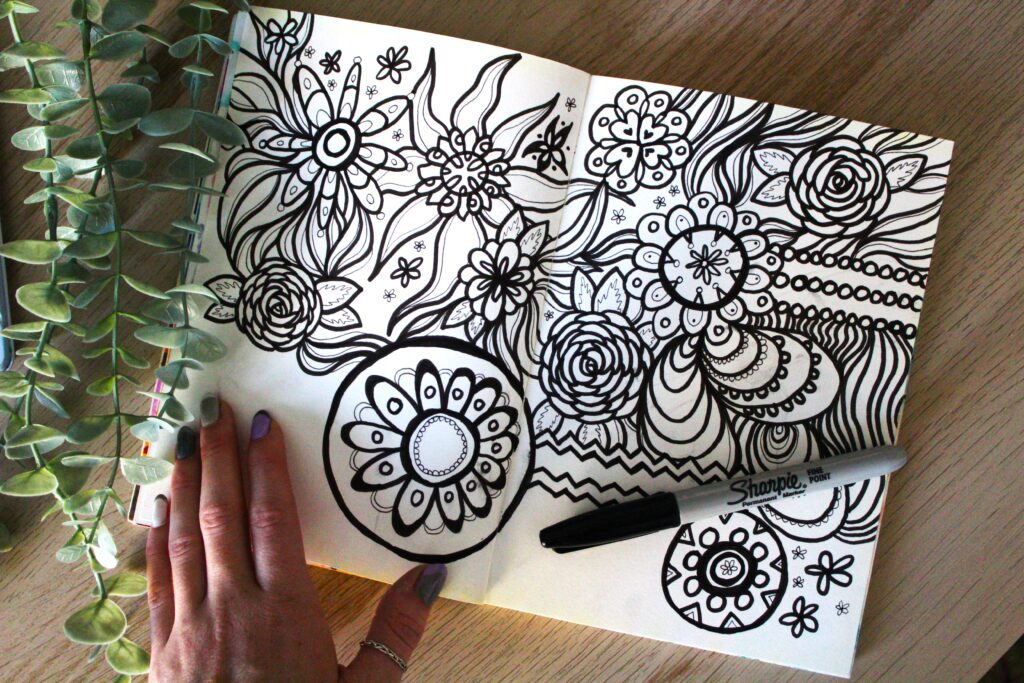
draw more and become a successful artist! black and white pen marker drawing with organic shapes and lines by Brianna Eisman
Draw More, Sharpie and pen on paper by Brianna Eisman

Drawing improves observation

Drawing enhances observational skills as it requires a keen attention to detail, proportions, shapes, and spatial relationships. Performing blind drawing studies especially expedites this skill, and is key to becoming an experienced and successful artist.

Through practice, successful artists learn to perceive the world more deeply and accurately, honing their ability to notice subtleties and nuances in their surroundings, and in other people.

Drawing is a type of therapy

Drawing has therapeutic benefits and can promote relaxation, stress relief, and emotional healing. Many people, including myself, use art as a form of self-expression and introspection, finding solace and catharsis through the act of creating art. It’s also a sort of meditative process, especially one away from a digital screen.

Drawing is a Universal Language

Visual representations can transcend language barriers. Drawing was first used as a form of communication to pass down verbal stories through generations. The caves in Lascaux, France contain around 2000 Paleolithic cave paintings estimated to be 20,000 years old.

From art and design to science and engineering, drawing serves as a universal language that facilitates communication and understanding across cultures and disciplines.

Drawing helps develop motor skills

Drawing requires precise hand-eye coordination and fine motor skills, which are crucial for overall development, particularly in children. Practicing art helps improve dexterity and control over hand movements, which can have positive effects on writing, typing, and other manual tasks.

This skill is key to accurately translating your intended subject. That’s why drawing is taught first in art school, before other techniques like painting or sculpture. Art builds on itself and the more you draw, the better you’ll paint or sculpt or print.

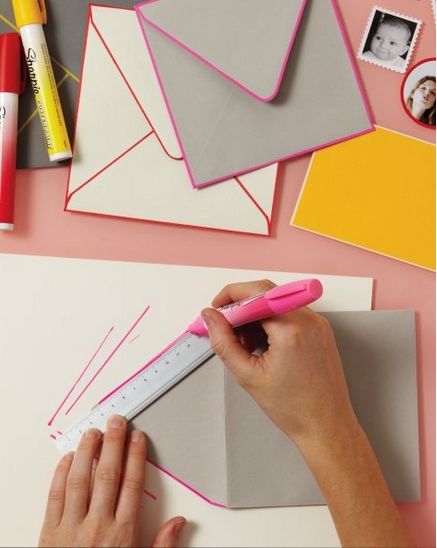
An easy way to practice these motor skills, especially with children, is to create your own birthday and holiday cards. I share my process and inspiration in the article How to Wish Someone Happy Birthday, from an Artist.

woman using pink pen to draw homemade birthday card. This shows drawing is important in every part of life.
Draw your own birthday cards!

Drawing uses visual thinking

Creating art stimulates visual thinking, allowing individuals to organize and conceptualize ideas in a spatial manner. It encourages the brain to think in pictures, aiding in problem-solving, planning, and critical thinking across various domains. For example, my experience with writing in school started with writing artist statements. I used critical thinking to analyze what I was seeing in the painting, and what message the artist was trying to convey or communicate.

To be a successful artist, means you know how to communicate with your viewers. Whether you communicate through paint or sketches or an artist statement on the wall of the museum, bridging visual skills with written text is necessary.

Studies do show arts education improves academic performance. A study by Brian Kisida and Daniel H. Bowen analyzed “42 elementary and middle schools with over 10,000 third- through eighth-grade students.”

The study found “increases in arts educational experiences significantly reduce the proportion of students receiving disciplinary infractions,” “improve writing achievement” and “increase students’ compassion for others by… appreciation of art.”

Drawing encourages art appreciation

Engaging in the arts yourself, fosters an appreciation for artwork and the creative process, and helps you become a more successful artist. By creating your own artwork, you develop insight into the techniques, styles, and meanings behind other works of art, leading to a deeper understanding and enjoyment of visual culture. For example, once you learn color theory, you start to notice it everywhere; from football teams to soda brands.

To be a successful artist, you need to appreciate the arts. You can do this by learning about and analyzing artwork, attending museums, supporting local artists, and visiting arts markets and galleries. If you are interested in learning more about art history and art styles, I suggest you take this quick quiz I made!

gesture drawing pink and purple sketch showing how to be a more successful artist
Figure 2, 18″x24″ soft pastels on canvas by Brianna Eisman

Reading about art helps too. Searching for this article and learning about the creative process promotes appreciation of the arts. You are becoming a more successful artist simply by supporting my art journey, and inspiring me to continue to share my knowledge and passion for art.

Conclusion

Think of drawing as ‘step 1’ to becoming a more successful artist. Overall, drawing is a versatile and valuable skill that offers numerous cognitive, emotional, and practical benefits. It enriches the lives of artists and contributes to their personal growth and development.

How can drawing make you a more successful artist? Read More »
How to Make the Color Purple

The Hypnotic And Rich Historical Backstory Of How Simple Purple Became Periwinkle, Indigo, Maroon, And Lavender Color.

The color purple is a mesmerizing hue and has captured the imagination of artists, designers, and enthusiasts for centuries. The color purple is a color of intrigue, luxury, creativity, and spirit. And it comes in many shades, tints, and tones, from mauve to grape to a stunning pastel lavender color.

According to color theory, purple is a secondary color and a mixture of red and blue. But I think it’s much more than that, and I think you do too. Let’s get into the mysteries of the color purple.

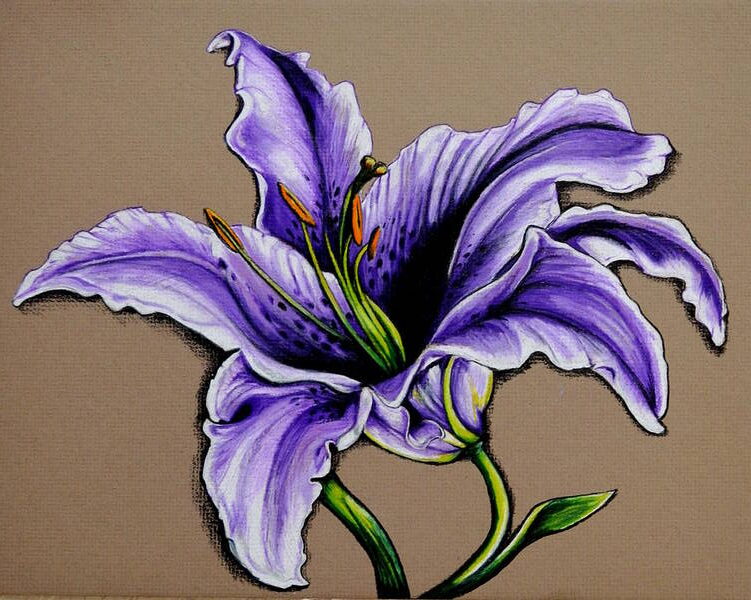
the color purple lily flower drawing by Kathleen Fiorito with vibrant lavender color
Drawing by Kathleen Fiorito

In this article, we’ll explore the world of the color purple: its rich history, the art of mixing and creating it, and its significance in various industries. We’ll also explore a spectrum of 30 distinct shades of purples, violets and lavender color, from periwinkle to plum, and where you can find them in different aspects of our world.

A Journey Through Art History: the Royal Past of the color purple

The regal reputation of the color purple goes back centuries. In ancient times, the production of purple dye was a laborious and costly process, making it a symbol of wealth and status.

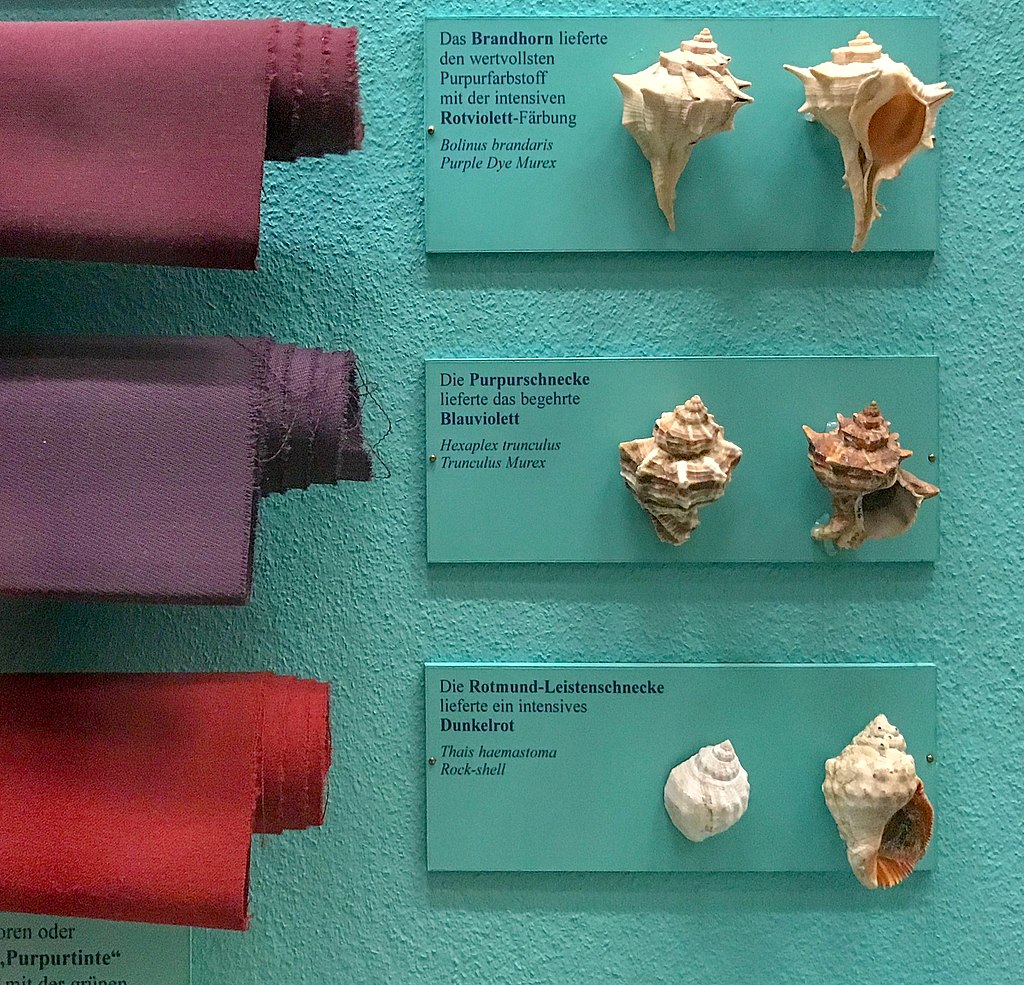
Phoenician traders extracted violet dye from the glands of mollusks in the Mediterranean Sea. The product was called “Tyrian purple.”

This exhibit in the Museum of Natural History in Vienna features fabrics dyed from different species of sea snail, similar to how ancient people extracted the purple color.

In fact, according to an article by Kristine Ballard, over 9,000 snail mollusks produced a single gram of the precious Tyrian purple dye. This rarity made the color purple especially valuable.

The term “purple” comes from the Greek πορφύρα (porphura) and Latin purpura.

The Romans reserved the color purple for emperors and high-ranking officials. Similarly, the Byzantine Empire used purple as a privilege exclusively for the imperial family.

During the Renaissance, artists like Leonardo da Vinci, Titian, and Veronese utilized various shades of lavender color in their works to symbolize nobility and spirituality. In the 18th and 19th centuries, purple represented mysticism and the spiritual, often appearing in paintings with religious or symbolic themes.

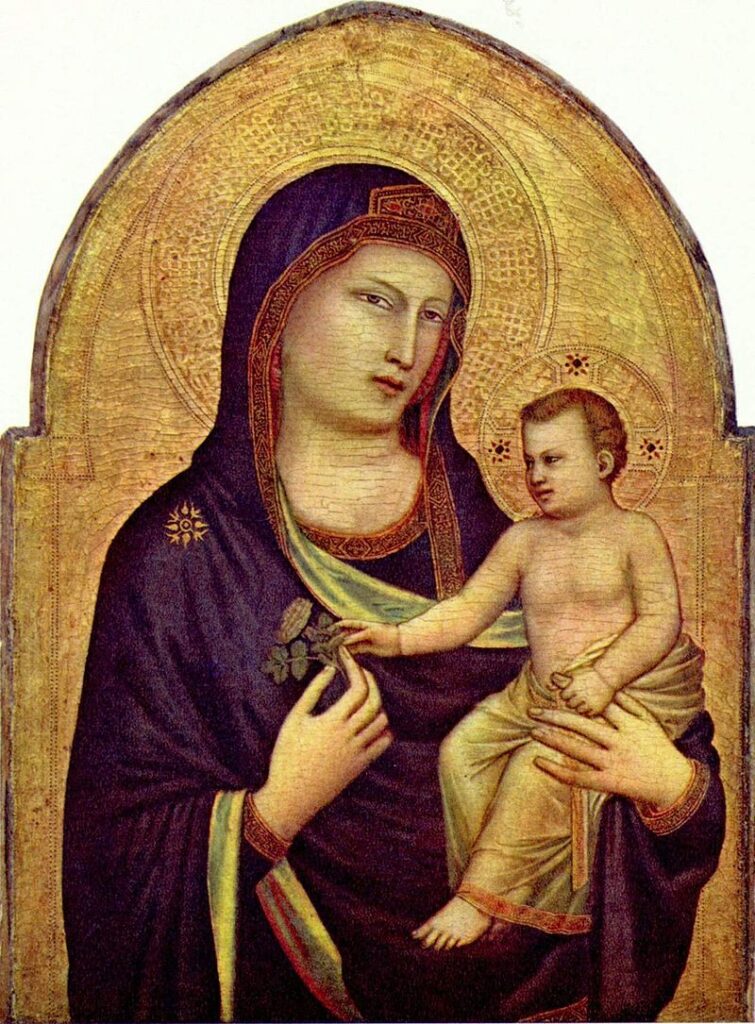
During the Renaissance Violet featured throughout many religious paintings. Angels and the Virgin Mary were often portrayed wearing violet robes. Many painters of the 19th century experimented with the uses of the colour violet to capture the subtle effects of light.
Madonna and Child by Giotto. Tempera on panel, 1320-30.

The Perfect Purple, Maroon, or Lavender Color

To create the perfect shade of purple, one must combine red and blue. As discussed in a preliminary article regarding color theory and the color wheel, you must mix two primary colors to produce a secondary color, like purple.

The proportion of each color will determine the tone, from a delicate lavender to a deep violet. Experiment with different ratios to achieve your desired hue. Introducing white will lighten the shade, while black or optical black will darken it. You can also adjust the tone, saturation and vibrancy using other colors on the wheel. Keep in mind that the specific red and blue you use will influence the final result.

For more color theory tips and tricks, check out these artsy articles on color knowledge tips and color theory for beginners.

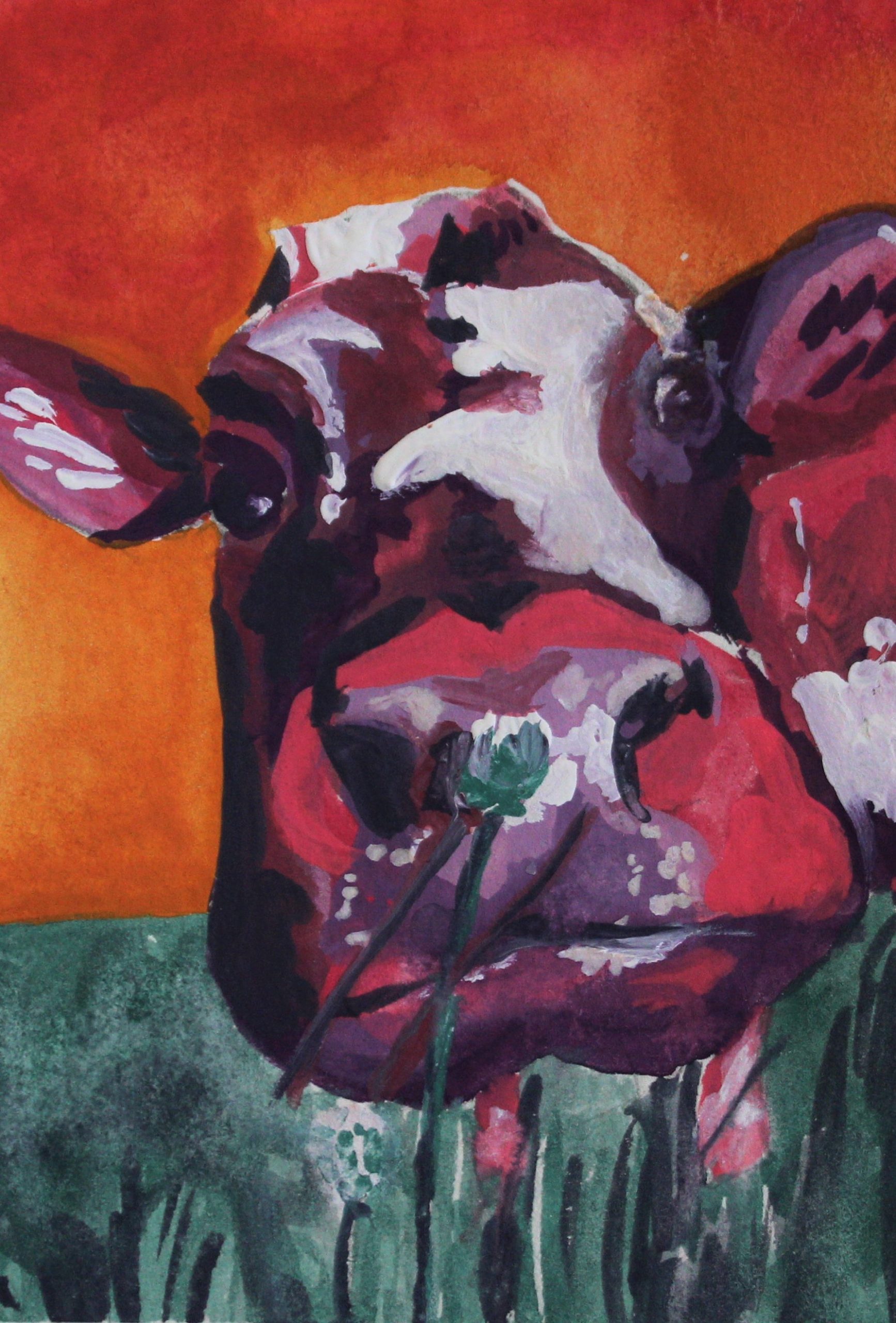
colorful pink and the color purple cow surreal gouache paint painting with orange sky
Sweet Cow by Brianna Eisman
4″x6″ acrylic on paper

The Many Shades of the color Purple and Their Applications

Depending on how you choose to mix the color purple, the outcome can be very different. Even though you mix red and blue colors, your purple can vary significantly. Next, I’ll determine the differences between 30 different colors of purple and their origins.

Overall, it’s important to keep in mind that colors are extremely variable. The hue derived from the origin, like a flower or fruit, may not match the HEX or color code exactly. Likewise, you may interpret the color differently in your head than how I interpret the color in this article.

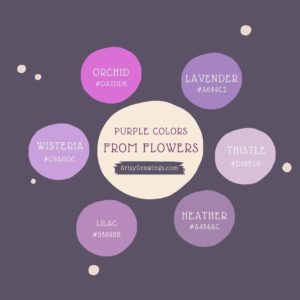
There are so many lavender color flowers!

Firstly, the best way to organize these colors is by their origin. I found nine of out 30 come from flowers, so let’s start with the color purple derived from plants and flowers.

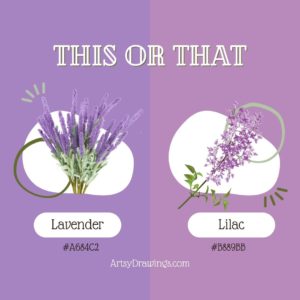
Lavender: #A684C2

This light purple is often associated with tranquility and can be seen in interior design for bedrooms and spa settings. Like its namesake flower, the lavender color provides a calm feeling with its pastel quality and slightly bluer hue.

Lilac: #B889BB

A soft, pale purple used in springtime floral arrangements. Similar to the lavender color, the name lilac originates from the flower’s color. I think lilac is slightly more red and pink than the lavender color, though.

Periwinkle: #CCCCFF

A soft and charming, periwinkle is the color purple shade used in children’s products and fashion.

Heather: #A484AC

A muted purple with a gray undertone, often found in interior design.

Iris: #5D3FD3

A medium purple, perfect for adding a pop of color to clothing or accessories.

Orchid: #DA70D6

This vivid and exotic shade is sourced from the vibrant flower and used in cosmetics and fashion. Additionally, clothing designer Halston was known for populating his studio with live orchid flowers as inspiration. He had a $150,000 yearly orchid budget! Aside from their brilliant pinky-purple hue and meanings of love, luxury, beauty and strength, orchids are innately provocative, much like Halston’s lines.

Thistle: #D8BFD8

A pale purple with a touch of gray, ideal for sophisticated design projects.

Pansy: #78184a

A vibrant and bold purple often found in gardening and horticulture.

Wisteria: #c9a0dc

A pale and delicate purple often used in weddings and floral design.

What are Spectral Colors?

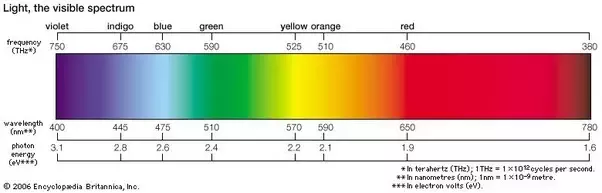
Next, violet and indigo deserve their own sub-section as these are some of the most pure colors in the human visible light spectrum.

Both violet and indigo colors are found on the visible light spectrum.
Both violet and indigo are on the visible light spectrum.
Violet: #8F00FF

Violet is a type of flower and what is known as a spectral color. The hue has its own wavelength at the end of the spectrum of light identified by Isaac Newton.

In the art community, the color violet is often interchangeable with “purple.” This confusion comes from the formal color wheel, Roy G. Biv, where the last two letters stand for indigo and violet. This original color wheel was created by Isaac Newton himself in 1666.

Visually, a purple marker and violet marker are the same color. Scientifically, violet is a spectral color with a wavelength of 400nm and purple is a combination of two spectral colors, red and blue, and has no wavelength.

Indigo: #4B0082

Indigo is another spectral color with its own wavelength. It is a deep, dark purple-blue, perfect for textiles and dyeing. According to Muzli Colors, indigo dye is derived from the Indigofera tinctoria plant and its first recorded use was in 1289.

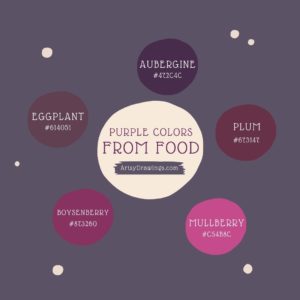
Purple berries, fruits, and sweet treats!

Many purple colors come from berries and fruit in nature. These hues tend to be darker in color, but are definitely still classified as purple.

Eggplant: #614051

A rich and dark purple often used in cooking and home décor.

Aubergine: #472C4C

A rich and elegant shade found in gourmet cuisine and interior design. Actually, color wise, aubergine is the same color purple as eggplant. The difference is merely regional. ‘Eggplant’ is the term in American English, while ‘aubergine’ is used in British English.

Plum: #673147

A deep and luxurious purple often used in clothing and accessories. As expected, this color gets its name from the sweet fruit.

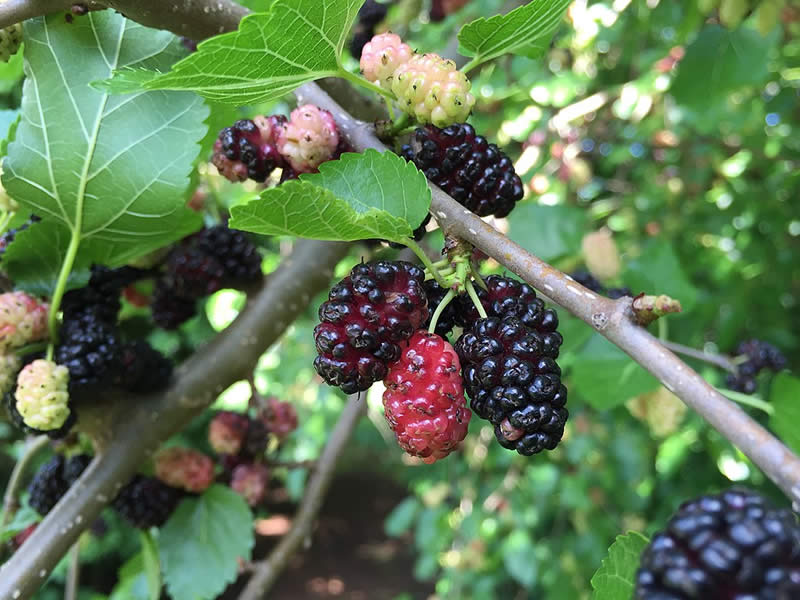
Mulberry: #c54b8c

A dark, reddish-purple shade often found in autumn-themed artwork.

Purple colors from food items like mulberry fruit on vines.
Mulberry purple comes from the mulberry fruit.
Boysenberry: #873260

A dark and fruity purple often found in food products and branding.

Grape: #6f2da8

This is really close to what I envision when I immediately think of the color purple. Even though the name of this color matches the fruit, this is not the color of grapes. Instead, the color purple ‘grape’ represents branding for candy in this flavor. It’s nostalgic for me in a sense. This color purple is a vibrant and playful purple used in branding for sweets and children’s products.

Fashion Forward Lavender Color

These colors typically more artificial and fabricated specifically for fashion and products. They can be perceived as more vibrant and rich than floral or berry purples.

Mauve: #C77398

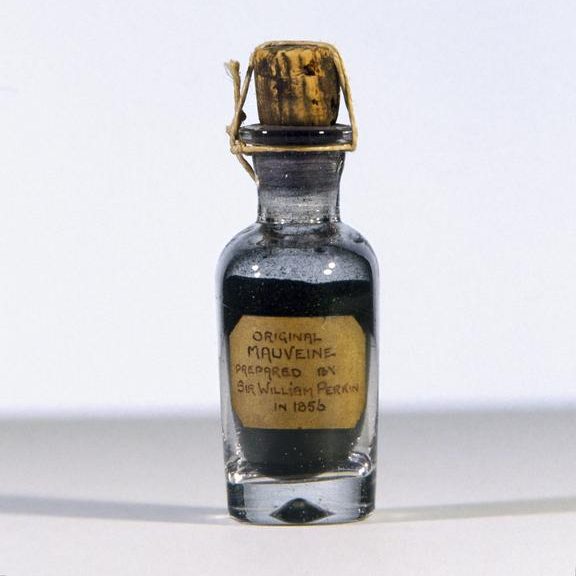
This color purple is a dusty purple often used in fashion for a vintage, romantic feel. Mauve is actually the color of the first synthetic dye, created in 1856 by 18-year-old William Perkin. Within five years of the chemical creation, 28 dye factories opened, revolutionizing the fashion world and forever changing color production. Today, according to The American Scholar, there are over 10,000 synthetic dyes, from clothing to car paint to children’s’ toys and even shampoo.

Mauve is a dusty purple often used in fashion for a vintage, romantic feel. Mauve is actually the color of the first synthetic dye, created in 1856 by 18-year-old William Perkin. Within five years of the chemical creation, 28 dye factories opened, revolutionizing the fashion world and forever changing color production. Today, according to The American Scholar, there are over 10,000 synthetic dyes, from clothing to car paint to children's' toys and even shampoo.
Perkin’s original mauve dye from 1856.
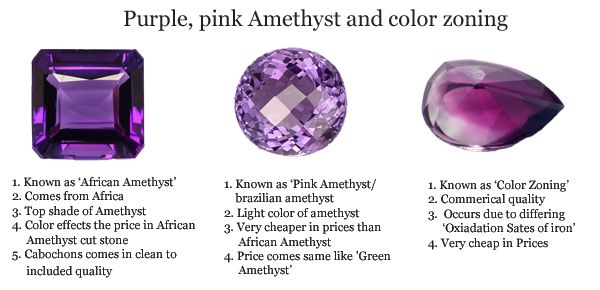
Amethyst: #9966cc

Probably the most natural purple on this list, amethyst is a deep and vibrant purple taken from the crystal with the same name. Often used in jewelry design, this color has a more regal and wealthy appearance.

Probably the most natural purple on this list, amethyst is a deep and vibrant purple taken from the crystal with the same name. Often used in jewelry design, this color has a more regal and wealthy appearance.
While the gemstone comes in a variety of colors, typically, the color amethyst most closely resembles the popular African Amethyst (first image).
Magenta: #FF00FF

A bold and intense purple often found in advertising and packaging. While magenta is typically categorized as a pink, it is created by mixing blue and red, and can fall into the category of purple colors.

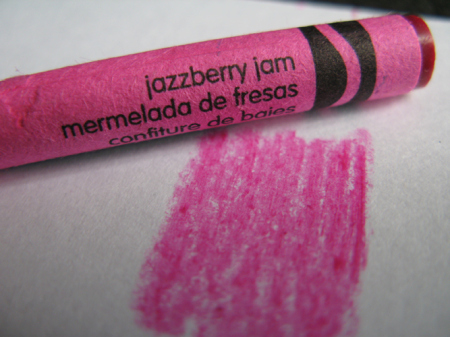
Jazzberry Jam: #a50b5e

I love the name of this color! Jazzberry jam is a playful, intense purple-pink commonly found in children’s products. Crayola has a crayon in this vibrant color.

A playful, intense purple commonly found in children's products. Crayola has a crayon in this vibrant color.
Jazzberry Jam is a fun pinky-magenta purple color with the Hex code #A50B5E.
Heliotrope: #df73ff

A soft and romantic purple used in cosmetics and fashion.

Grape Soda: #b498aa

Unlike the grape color, Grape Soda is manufactured by Kelly Moore paints and is typically used as house or wall paint. Kelly Moore describes the color as a “medium light shade of magenta-pink.”

Liseran Purple: #DE6FA1

Probably closer to a pink, this color is a bright, synthetic purple-pink used in textiles and plastics.

Regalia: #522d80

A rich, royal purple often found in academic regalia and ceremonial attire.

Taylor Swift in regalia purple attire speaking at NYU graduation
Taylor Swift wore a regalia purple attire when speaking at Spring 2022 NYU graduation ceremony.
Royal Purple: #7851a9

Historically, royal purple is associated with royalty. Similar to ancient Tyrian purple, the color is used in ceremonial and regal settings.

Byzantium: #702963

A dark, imperial purple used in art and historical reenactments.

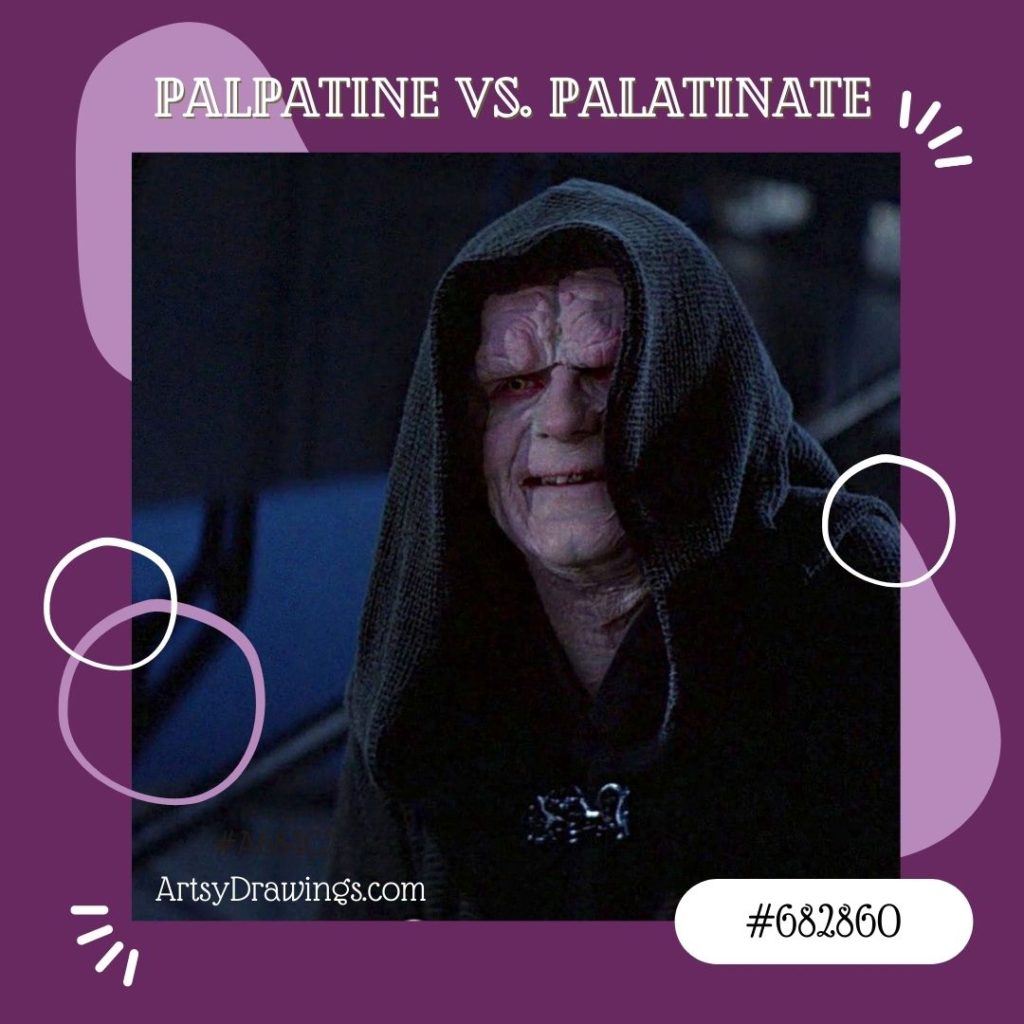
Palatinate Purple: #682860

Not to be confused with Emperor Palpatine, palatinate purple is a bright, eye-catching purple. It’s used in sports branding and uniforms, as well as university ceremonial robes.

Remember that Emperor Palpatine is not palatinate purple!
Electric Purple: #bf00ff

A striking and intense shade, this brilliant hue generally appears in technology and digital design.

Blue-Purple (Cool Purple): #8a2be2

A cool-toned purple often used in contemporary design and art.

The Significance of the color Purple in the Modern World

The color purple still holds a unique place in our lives. It signifies creativity, individuality, and extravagance. Plus, it’s pretty!

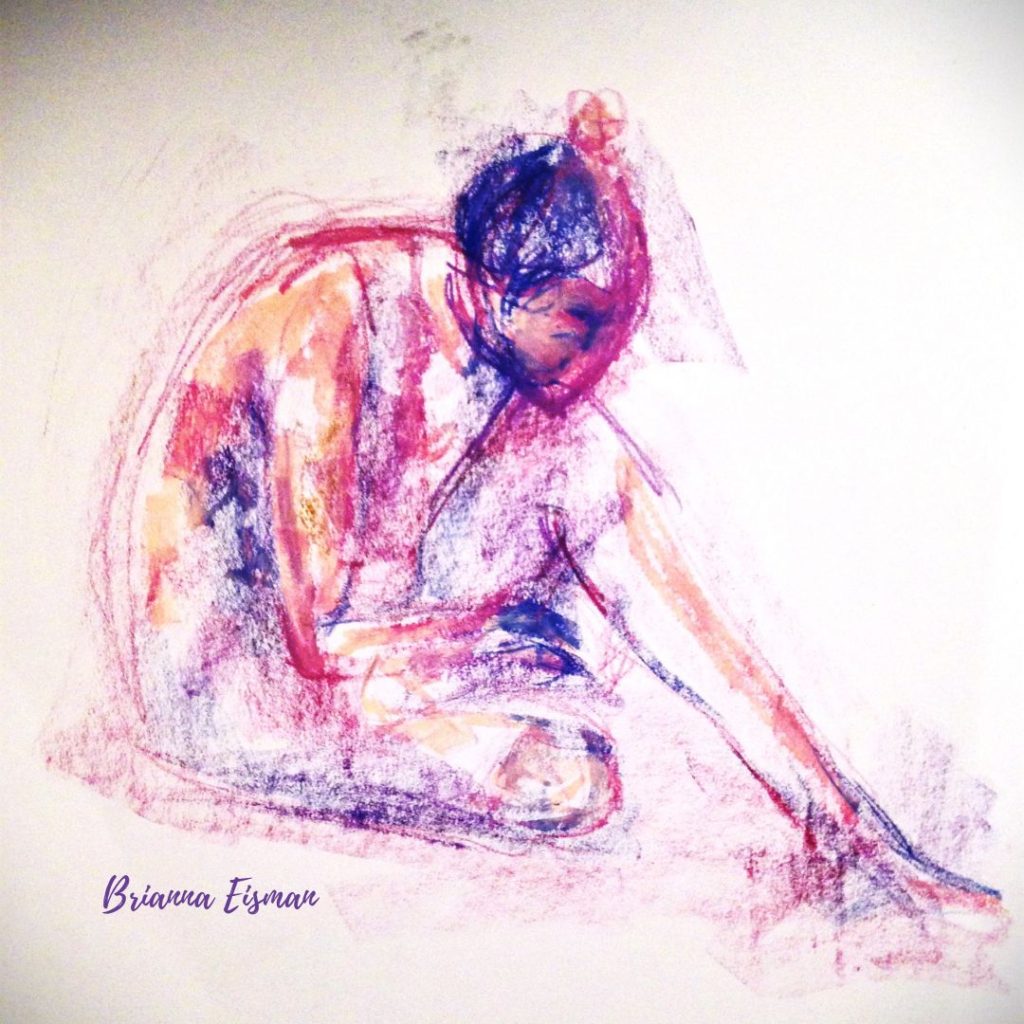
For this gesture drawing, I chose a purple themed color scheme. I chose indigo, magenta, and peach colored soft pastels to create the illusion of a rich regalia violet color. This was created by Brianna Eisman for Artsy Drawings.
Purple Gesture Drawing by Brianna Eisman

For this gesture drawing, I chose a purple themed color scheme. I chose indigo, magenta, and peach colored soft pastels to create the illusion of a rich regalia violet color.

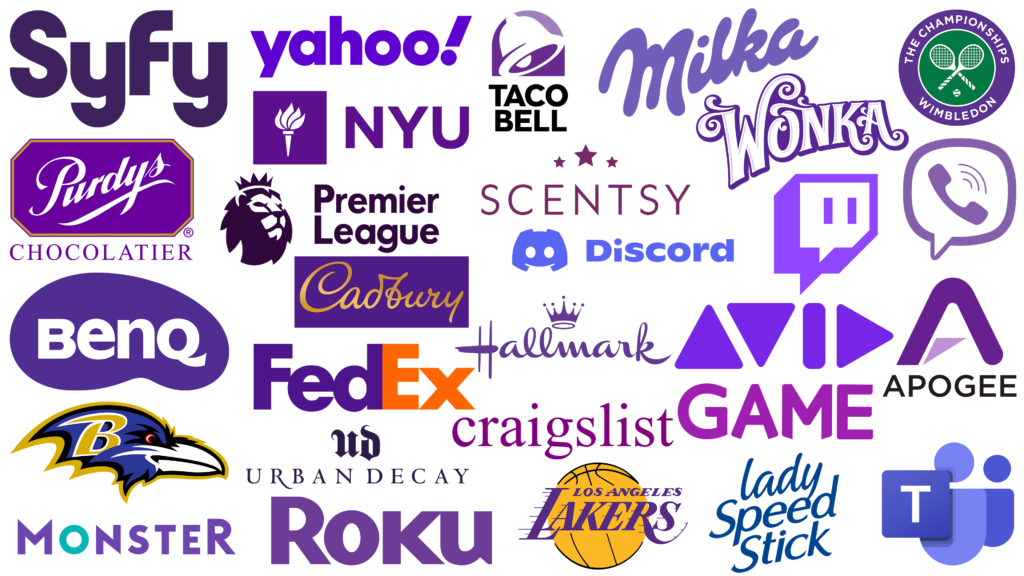
In branding, purple and lavender color invokes a sense of luxury, elegance, spirituality, creativity and uniqueness. So, you’ll find brands like Cadbury and NYU in deep rich regal purples. In the same way, you’ll see brands like Discord and Teams in more indigo and electric blue-purples.

In art and design, the color purple conveys a wide range of emotions and moods, from serenity to drama.

Purple lavender color is used in a variety of branding logos.
Purple is used in a variety of branding logos.

By all means, the color purple is more than just a color; it’s a symbol of history, luxury, and creative expression. Understanding the various shades of lavender and magenta and their intrinsic value to design and history can allow artists and creators to better utilize the color purple in their work.

As you explore the world of the color purple, remember the rich history, the art of creating the hue, and the ever-present mystique of this enchanting lavender color in our lives.

How to Make the Color Purple Read More »
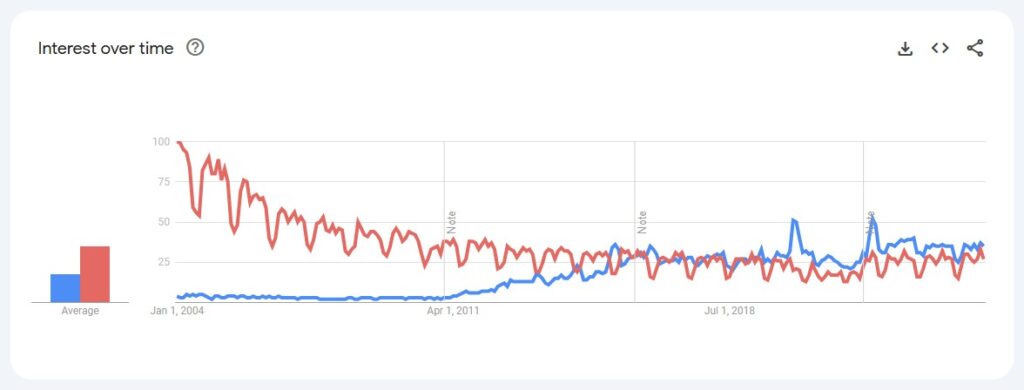
Is AI art to be a valuable future or a scary end of originality?

Artificial Intelligence (AI) has been a hot topic in recent years, with its applications ranging from self-driving cars to natural language processing. However, AI is not just limited to practical applications – it is also being used in the field of art, leading to the emergence of AI art. AI art is created using algorithms and machine learning techniques, and is becoming increasingly popular among artists and art enthusiasts. But what does AI art mean for traditional artists, and how will it impact the art world?

How do you make AI art?

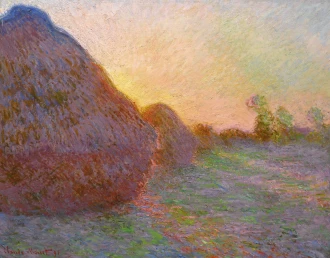
First, it’s important to understand how artificial intelligence art is created. AI art comes from feeding an algorithm with a dataset of images or other visual information. Then, machine learning algorithms generate new images based on that dataset. These images can be completely abstract or can be based on specific styles or genres. For example, an algorithm can be trained to generate new images in the style of Impressionism or Cubism. My own personal style is very similar to Impressionism, though I prefer traditional methods to AI. Check out my gallery here.

Meules by Claude Monet is a great example of the Impressionism style with small, visible brushstrokes that provide the “bare impression of form.”

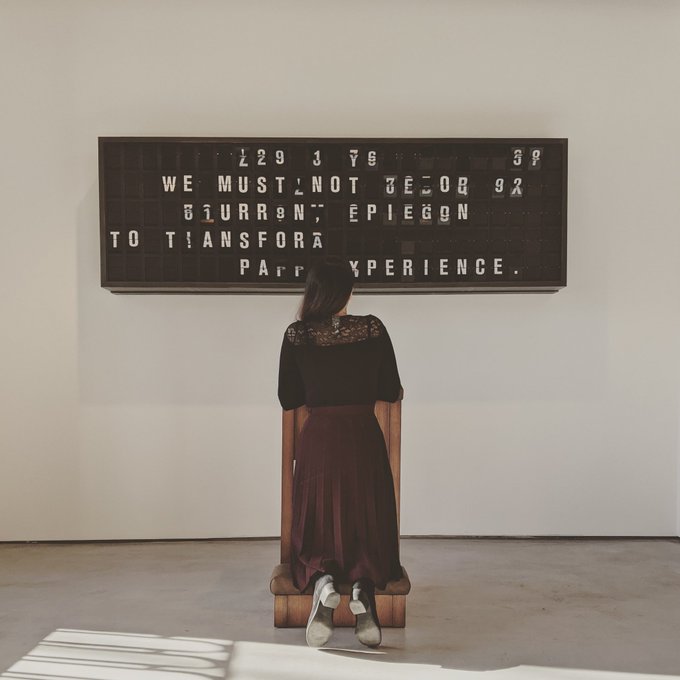
AI art is not limited to still images – it can also be used to create animations, videos, and even music. One example of AI art is the deep dream algorithm developed by Google. This algorithm creates surreal and dreamlike images by analyzing and enhancing patterns in existing images. Another example is the artwork created by Mario Klingemann, who uses neural networks to generate abstract and surreal images.

Appropriate Response by Mario Klingemann poses the question of “how much meaning can you put into 125 letters?”

How will AI art affect traditional artists?

So, what does AI art mean for traditional artists? On the one hand, AI art presents new opportunities for artists to experiment with new techniques and styles. Artists can use AI to generate new and inspiring ideas, or to create artworks that would be difficult or impossible to produce manually. For example, an artist could use AI to research images pieced together as a reference image as the basis for a new painting or sculpture.

On the other hand, art made with artificial intelligence also presents new challenges for traditional artists. With the rise of AI art, there is a risk that traditional art forms may become less relevant or even obsolete. If AI can generate images and other artworks with a high degree of accuracy and creativity, why would people need to commission traditional artists? This is a question that many artists and art enthusiasts are grappling with.

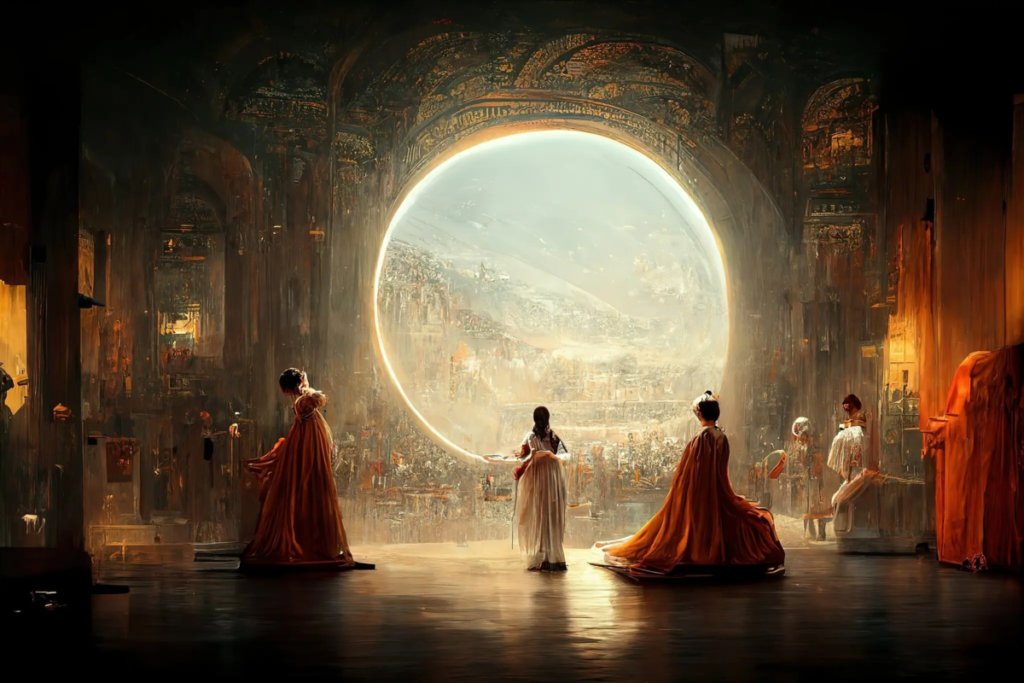
In fact, in September 2022 the New York Times posted an article titled An A.I.-Generated Picture Won an Art Prize. Artists Aren’t Happy. The artist used Midjourney, an artificial intelligence program which transforms lines of text into hyper-realistic graphics. He won first prize — a blue ribbon — in the Colorado State Fair, under the division for “digital art/digitally manipulated photography.”

Théâtre D’opéra Spatial by Jason Allen is created using AI art technology and took first place at the Colorado State Fair.

Have we reached the end of originality?

Another challenge for traditional artists is the potential loss of creativity and originality. If an artist relies too heavily on AI to generate ideas and inspiration, their work may become formulaic and predictable. There is also a risk that AI-generated artworks may become too similar to each other, leading to a lack of diversity and innovation in the art world.

Despite these challenges, many traditional artists are embracing artificial intelligence art as a new tool in their creative arsenal. Some artists use AI to generate new ideas and inspirations, while others are using AI to enhance their existing artworks. For example, an artist could use AI to analyze the colors and patterns in their paintings and then use that data to create a new series of paintings with a similar aesthetic.

AI Art is Here to Stay

In conclusion, artificial intelligence art is a new and exciting field that is rapidly growing and evolving. While it presents new opportunities and challenges for traditional artists, it is clear that AI art is here to stay. Whether traditional artists choose to embrace AI as a tool for creativity or view it as a menace and threat to their livelihoods, there is no doubt that AI will have a significant impact on the art world in the years to come.

Is AI art to be a valuable future or a scary end of originality? Read More »
Scroll to Top