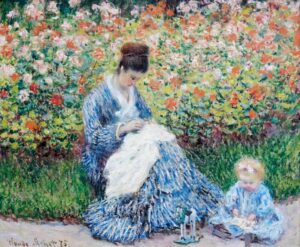
Impressionism

Destiny vs. Drawings: Which Astrology Zodiac is the Most Artistic?

Art and astrology are not so different. They both fascinate the curious, merge reality with the imaginary, and if you choose to believe, both art and astrology can help you understand the impact of external forces on human emotions, feelings, and personality.

As an Aries Sun, Leo Moon, and Gemini Rising, I enjoy the subtle coincidences of astrology impacting my world. Though, I always wondered what zodiac is the most artistic?

In this article, we will evaluate different art styles I attribute to each of the 12 zodiac signs based on the characteristics of both. I hope to explore different historical art styles as well as nuances between different zodiacs. Now, let’s find out which zodiac is the most artistic!

Table of Contents

Introduction: How to find which zodiac is the most artistic

The zodiac is a system of 12 astrological signs, each associated with specific personality traits, behaviors, and life tendencies. These signs are determined by the position of the sun relative to certain constellations at the time of an individual’s birth.

If you don’t know your zodiac sign, you can find a lot of good information about your Sun, Moon, and Rising zodiac signs here. Your Sun sign is based on your birth date. Your Moon and Rising signs can be found depending on the time and location of your birth.

The 12 zodiac signs are divided into four elements: fire, earth, air, and water. Each zodiac sign is believed to influence various aspects of a person’s character and destiny, reflecting connections between celestial forces and human nature.
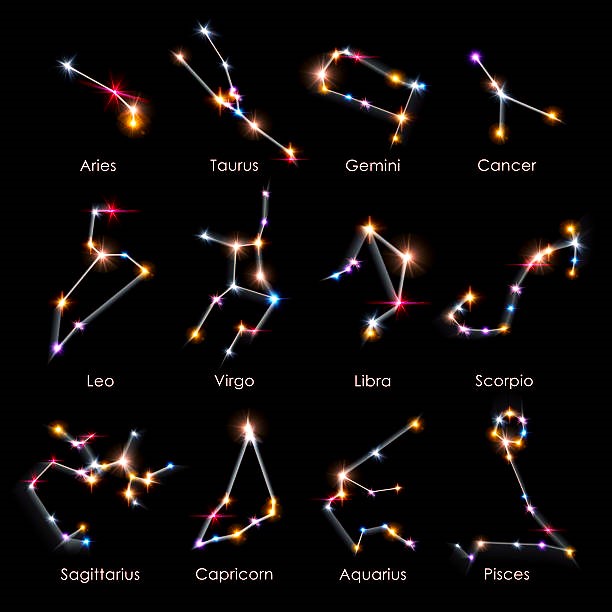
zodiac astrology constellations to find which zodiac is the most artistic
The zodiac signs come from constellations in the night sky.

Art and astrology both celebrate humanity’s existence in the universe. Art uses visual means to express emotions, ideas, and narratives, while astrology interprets the influence of celestial bodies on human behavior and personality.

By examining how each zodiac sign corresponds to distinct art styles, we can see how these two fields intertwine. In order to fins which zodiac is the most artistic, I will evaluate different factors like brush stroke styles, associated colors, and specific characteristics of the movements. It is through this process that we may find which zodiac is the most artistic.

I also created an easy quiz to help you find which historical art style matches your personal art style.

Aries (March 21 – April 19): Expressionism

Aries, the first sign of the zodiac, is known for its dynamic energy, pioneering spirit, and boldness. These traits resonate with the Expressionist movement, which emerged in the early 20th century. Expressionism focuses on depicting raw emotion and subjective experience, often through bold colors, exaggerated forms, and vigorous brushstrokes.
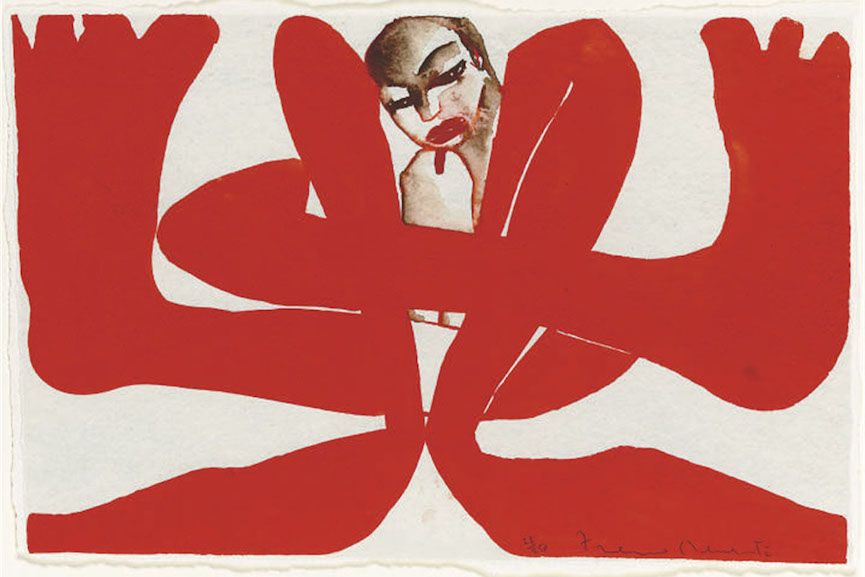
This painting by Francesco Clemente shows the energy and emotion seen in many expressionist paintings, paired with the color red to represent aries. Which zodiac is the most artistic?
Untitled Self Portrait by Francesco Clemente sold for $1.9m USD in 2022

Characteristics of Aries

  • Cardinal Element: Fire
  • Associated Colors: Red, scarlet, bright orange
  • Personality Traits: Energetic, courageous, assertive, enthusiastic, confident, impatient

Characteristics of Expressionism

  • Bold Use of Color: Expressionist artists like Edvard Munch and Ernst Ludwig Kirchner used vibrant, often clashing colors to convey emotional intensity.
  • Exaggerated Forms: Distortion and abstraction are common, aiming to evoke an emotional response rather than realistic representation.
  • Dynamic Composition: The energy and movement in Expressionist works mirror the impulsive and adventurous nature of Aries.

Which zodiac is the most artistic: Aries

Aries’ ruling planet, Mars, symbolizes aggression, action, and desire, aligning perfectly with the vigorous and emotional qualities of Expressionism. The fiery nature of Aries drives the passionate and often tumultuous expression seen in this art style.

Taurus (April 20 – May 20): Realism

Taurus, an earth sign, is characterized by its practicality, reliability, and appreciation for beauty and sensory experiences. These attributes align with the Realist movement of the mid-19th century, which sought to depict everyday life with honesty and accuracy.

The central motif of Deux vaches a la robe marron is pair of cattle resting under a tree. Human activity is present, but it is signified only in the flecks of the red sails on the boats on the water beyond. Courbet has taken a Dutch-inspired rural scene, which had found popularity through the paintings of Rosa Bonheur and Troyon, and he has applied an intense realism to his subject. Here, he addresses the cows within their wider environment.
Deux vaches a la robe marron by Gustave Courbet features a pair of cattle resting under a tree. Human activity is present, but it is signified only in the flecks of the red sails on the boats on the water beyond. Courbet has taken a Dutch-inspired rural scene, which had found popularity through the paintings of Rosa Bonheur and Troyon, and he has applied an intense realism to his subject. Here, he addresses the cows within their wider environment.

Characteristics of Taurus

  • Cardinal Element: Earth
  • Associated Colors: Green, pink, pastel shades, earthy tones
  • Personality Traits: Practical, reliable, sensual, patient, determined, stubborn

Characteristics of Realism

  • Detailed Depiction: Realist artists like Gustave Courbet and Jean-François Millet focused on meticulous detail and a true-to-life representation.
  • Everyday Subjects: Realism often portrays ordinary people and everyday scenes, emphasizing the beauty and dignity in the mundane.
  • Earthy Palette: The color schemes are often muted and natural, reflecting the earthiness of Taurus.

Which zodiac is the most artistic: Taurus

Venus, the ruling planet of Taurus, governs beauty, love, and sensuality. This influence is evident in Realism’s dedication to capturing the splendor of the natural world and the human form with a sense of reverence and fidelity.

Gemini (May 21 – June 20): Cubism

Gemini, ruled by Mercury, is known for its adaptability, curiosity, and duality. These traits are mirrored in the Cubist movement, pioneered by Pablo Picasso and Georges Braque in the early 20th century. Cubism deconstructs objects into geometric shapes, presenting multiple perspectives simultaneously.
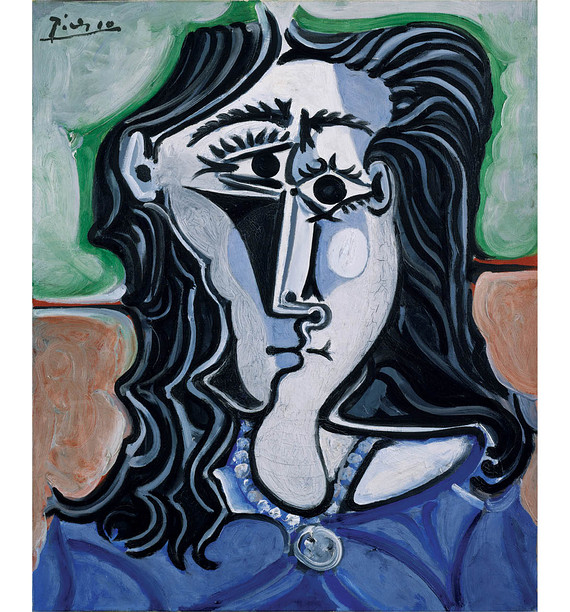
Head of a Woman by Pablo Picasso appears to be the culmination of a series of ten wash drawings made on November 12, 1960. The print shows the cubism style in a muted color portrait
Head of a Woman by Pablo Picasso appears to be the culmination of a series of ten wash drawings made on November 12, 1960, according to The Met. The print shows the cubism style in a muted color portrait.

Characteristics of Gemini

  • Cardinal Element: Air
  • Associated Colors: Yellow, light green, sky blue, bright colors
  • Personality Traits: Curious, adaptable, communicative, witty, lively, inconsistent

Characteristics of Cubism

  • Geometric Abstraction: Cubism breaks down subjects into fragmented, abstract forms, challenging conventional representation.
  • Multiple Viewpoints: By depicting various angles at once, Cubism reflects Gemini’s versatility and multifaceted nature.
  • Monochromatic Palette: Monochromatic color schemes of tans, browns, grays, creams, greens, and blue simplify the form to avoid distracting the viewer.

Which zodiac is the most artistic: Gemini

Mercury, the planet of communication and intellect, influences Gemini’s quick-witted and analytical nature. Cubism’s innovative approach to form and perspective embodies Gemini’s intellectual curiosity and ability to see things from different angles.

Cancer (June 21 – July 22): Romanticism

Cancer, a water sign ruled by the Moon, is deeply connected to emotions, intuition, and nostalgia. The Romanticism movement of the late 18th to mid-19th century aligns with these qualities, emphasizing emotion, nature, and individualism.
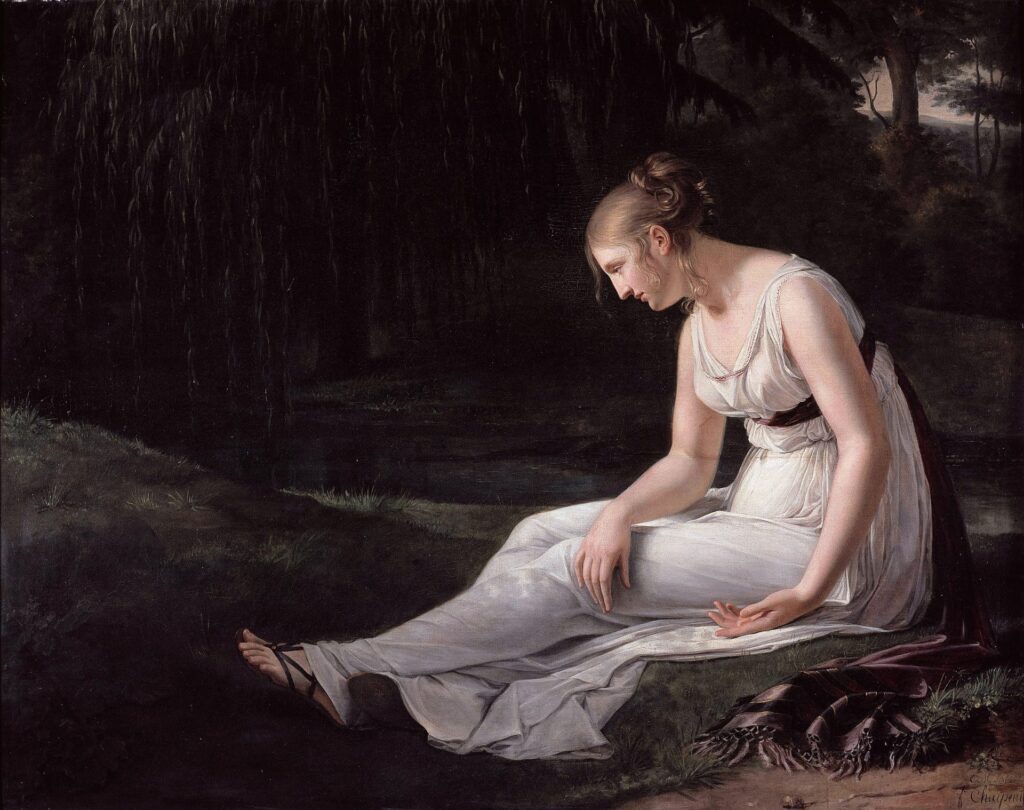
Charpentier depicts a female heroine overcome with the emotion of melancholy. The elements of imagination, emotion, and introspection are highlighted in the darkly lit canvas. In this romantic painting, the Cancer zodiac is the most artistic
Constance Marie Charpentier depicts a female heroine overcome with the emotion of melancholy in this romanticism painting, La Mélancolie. The elements of imagination, emotion, and introspection are highlighted in the darkly lit canvas.

Characteristics of Cancer

  • Cardinal Element: Water
  • Associated Colors: White, silver, pearl, light blue
  • Personality Traits: Emotional, nurturing, intuitive, compassionate, protective, moody

Characteristics of Romanticism

  • Emotional Depth: Romantic artists like Caspar David Friedrich and Eugène Delacroix focused on intense emotion and sublime beauty.
  • Nature and the Sublime: Romanticism often explores the majesty and mystery of nature, resonating with Cancer’s intuitive connection to the natural world.
  • Nostalgia and Fantasy: Themes of longing, fantasy, and the supernatural are prevalent, reflecting Cancer’s sentimental and imaginative nature.

Which zodiac is the most artistic: Cancer

The Moon, Cancer’s ruling planet, governs emotions, intuition, and memory. Romanticism’s emphasis on feeling and the sublime mirrors Cancer’s deep emotional currents and its tendency towards nostalgia and reflection.

Leo (July 23 – August 22): Baroque

Leo, ruled by the Sun, is known for its confidence, creativity, and love of drama. These characteristics are embodied in the Baroque period of the 17th century, known for its grandeur, movement, and emotional intensity.
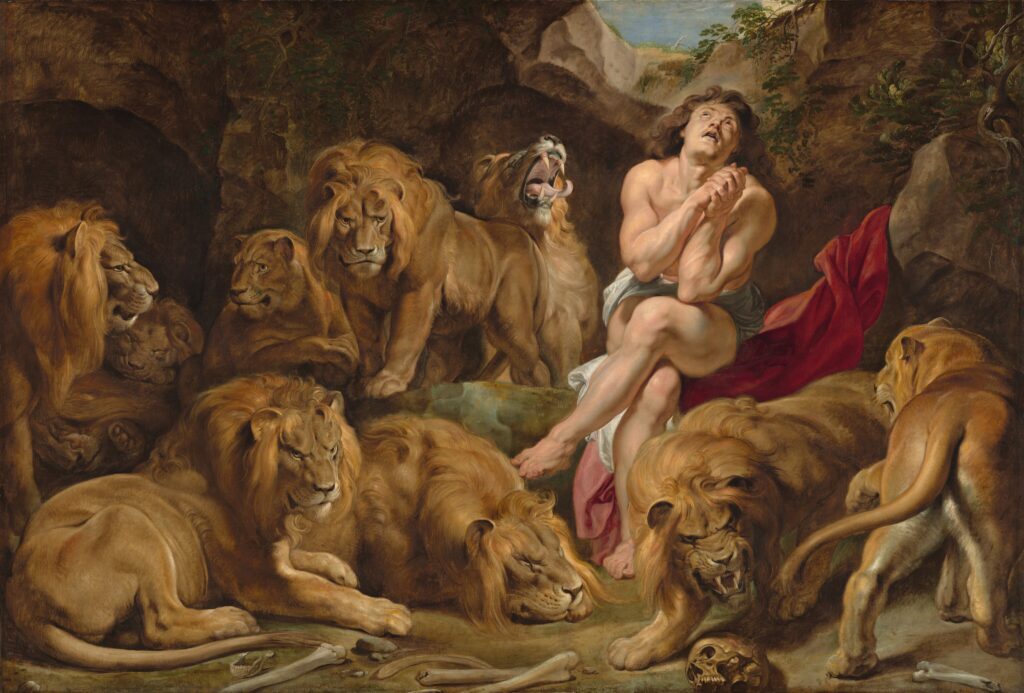
Daniel in the Lions' Den by Sir Peter Paul Rubens was painted around 1615 during the Baroque period. Which zodiac is the most artistic?
Daniel in the Lions’ Den by Sir Peter Paul Rubens was painted around 1615 during the Baroque period.

Characteristics of Leo

  • Cardinal Element: Fire
  • Associated Colors: Gold, orange, royal purple, red
  • Personality Traits: Confident, creative, dramatic, generous, warm-hearted, arrogant

Characteristics of Baroque

  • Dramatic Use of Light and Shadow: Baroque artists like Caravaggio and Sir Peter Paul Rubens used chiaroscuro to create dramatic contrasts.
  • Dynamic Composition: The Baroque style is known for its sense of movement and energy, capturing the theatrical essence of Leo.
  • Ornate Detail: Rich, elaborate details and a sense of grandeur reflect Leo’s regal nature.

Which zodiac is the most artistic: Leo

The Sun, Leo’s ruling celestial body, symbolizes vitality, creativity, and self-expression. The opulence and drama of Baroque art reflect Leo’s vibrant personality and its desire to be seen and admired.

Virgo (August 23 – September 22): Neoclassicism

Virgo, an earth sign ruled by Mercury, is characterized by its analytical mind, precision, and appreciation for order. These traits resonate with Neoclassicism, an 18th-century movement inspired by the classical art and culture of Ancient Greece and Rome.
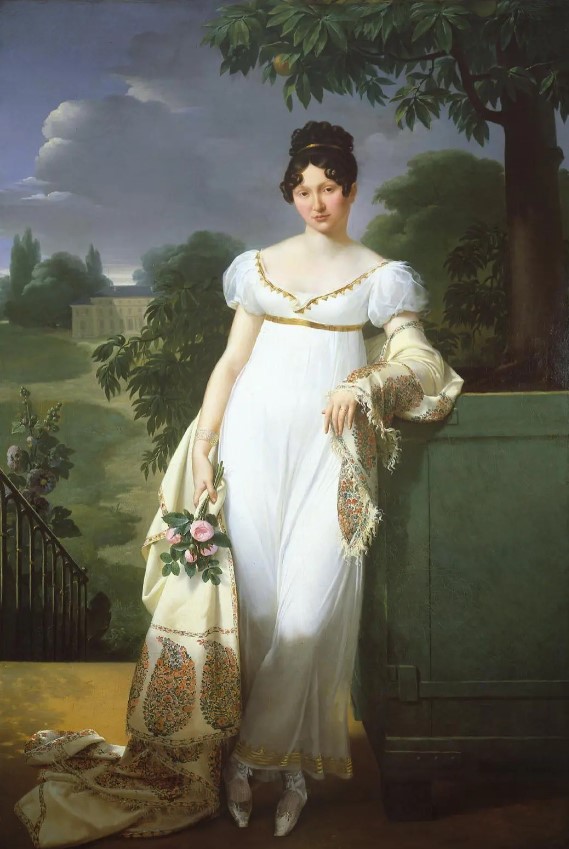
Merry-Joseph Blondel was a French history painter of the Neoclassical school. He was a winner of the prestigious Prix de Rome in 1803. After the salon of 1824, he was bestowed with the rank of Knight in the order of the Legion d'Honneur by Charles X of France and offered a professorship at the École nationale supérieure des Beaux-Arts: a position in which he remained until his death in 1853. In 1832, he was elected to a seat at the Académie des Beaux-Arts in Paris. Which zodiac is the most artistic?
Portrait of Félicité-Louise-Julie-Constance de Durfort,
Maréchale de Beurnonville
by Merry-Joseph Blondel exhibited in the Paris Salon in 1808.

Characteristics of Virgo

  • Cardinal Element: Earth
  • Associated Colors: Navy blue, grey, beige, earthy greens
  • Personality Traits: Analytical, meticulous, practical, reliable, modest, critical

Characteristics of Neoclassicism

  • Emphasis on Line and Form: Neoclassical artists like Jacques-Louis David focused on clean lines and idealized forms.
  • Clarity and Simplicity: The style is marked by simplicity, symmetry, and a sense of discipline, reflecting Virgo’s meticulous nature.
  • Moral and Intellectual Themes: Neoclassicism often explores themes of duty, virtue, and rationality, aligning with Virgo’s analytical and ethical tendencies.

Which zodiac is the most artistic: Virgo

Mercury’s influence on Virgo emphasizes intellect, detail, and order. Neoclassicism’s structured approach and reverence for classical ideals mirror Virgo’s quest for perfection and clarity.

Libra (September 23 – October 22): Art Nouveau

Libra, an air sign ruled by Venus, is associated with beauty, harmony, and balance. These qualities are reflected in the Art Nouveau movement of the late 19th and early 20th centuries, which focused on organic forms, decorative arts, and the integration of art and life.
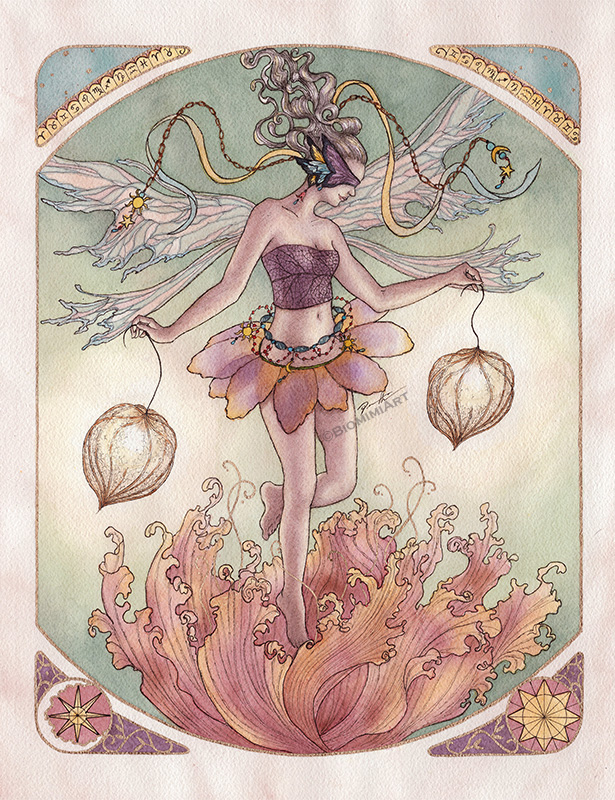
art nouveau print by Priscilla Lee of Libra zodiac sign
Art Nouveau was made popular by artists like Alphonse Mucha in the late 1800’s to early 1900’s. Priscilla M Lee draws inspiration from this movement, creating artworks that echo its elegance, while simultaneously injecting her own modern twist.

Characteristics of Libra

  • Cardinal Element: Air
  • Associated Colors: Blue, pink, pastel shades, lavender
  • Personality Traits: Diplomatic, graceful, fair-minded, sociable, charming, indecisive

Characteristics of Art Nouveau

  • Flowing Lines and Organic Forms: Art Nouveau is known for its sinuous, flowing lines and natural motifs, embodying Libra’s love of beauty and harmony.
  • Decorative Elegance: The movement embraced the decorative arts, from architecture to jewelry, reflecting Libra’s refined taste.
  • Unity of Art and Life: Art Nouveau aimed to blur the boundaries between fine and applied arts, mirroring Libra’s desire for balance and integration.

Which zodiac is the most artistic: Libra

Venus, the planet of love and beauty, influences Libra’s aesthetic sensibilities and quest for harmony. Art Nouveau’s emphasis on elegance and its holistic approach to art resonate with Libra’s values.

Scorpio (October 23 – November 21): Surrealism

Scorpio, a water sign ruled by Pluto, is known for its intensity, mystery, and transformative nature. These characteristics are embodied in the Surrealist movement of the early 20th century, which sought to explore the unconscious mind and transcend reality.
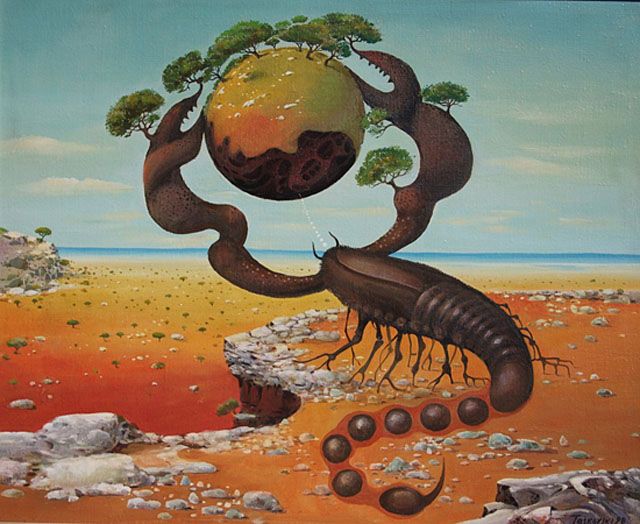
Which zodiac is the most artistic?  Scorpio by Vasko Taskovski shows the surrealism style featuring a scorpion, like the zodiac sign Scorpio.
Scorpio by Vasko Taskovski shows the surrealism style featuring a scorpion, like the zodiac sign Scorpio.

Characteristics of Scorpio

  • Cardinal Element: Water
  • Associated Colors: Black, dark red, maroon, deep purple
  • Personality Traits: Intense, passionate, mysterious, resourceful, determined, jealous

Characteristics of Surrealism

  • Dreamlike Imagery: Surrealist artists like Salvador Dalí and Max Ernst created fantastical, often bizarre imagery that taps into the subconscious.
  • Symbolism and Metaphor: Surrealism is rich in symbolic content, reflecting Scorpio’s depth and complexity.
  • Exploration of the Unconscious: The movement delves into dreams, desires, and the irrational, mirroring Scorpio’s fascination with the hidden and transformative aspects of life.

Which zodiac is the most artistic: Scorpio

Pluto’s influence on Scorpio emphasizes transformation, power, and the exploration of the unknown. Surrealism’s focus on the unconscious and its boundary-pushing creativity align with Scorpio’s intense and mysterious nature.

Sagittarius (November 22 – December 21): Impressionism

Sagittarius, a fire sign ruled by Jupiter, is characterized by its adventurous spirit, optimism, and love of freedom. These traits resonate with the Impressionist movement of the late 19th century, which broke away from traditional techniques to capture the fleeting effects of light and color.
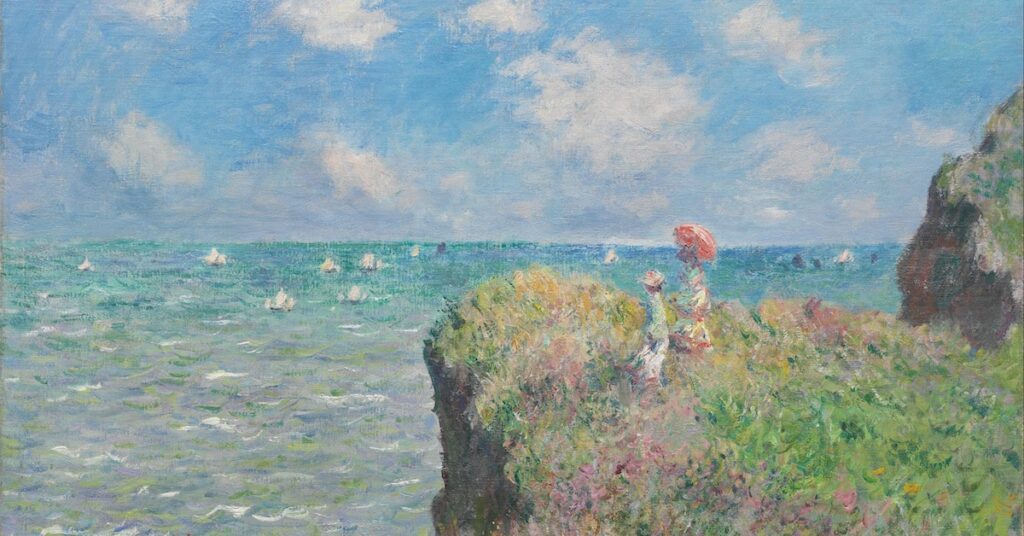
Cliff Walk at Pourville by Claude Monet features an impressionist sunny nature scene at the edge of a cliff. It's adventurous and free spirited both in subject and style. Which zodiac is the most artistic?
Cliff Walk at Pourville by Claude Monet features an impressionist sunny nature scene at the edge of a cliff. It’s adventurous and free spirited both in subject and style.

Characteristics of Sagittarius

  • Cardinal Element: Fire
  • Associated Colors: Purple, royal blue, rich colors
  • Personality Traits: Adventurous, optimistic, philosophical, enthusiastic, independent, reckless

Characteristics of Impressionism

  • Focus on Light and Color: Impressionist artists like Claude Monet and Pierre-Auguste Renoir emphasized the changing qualities of light and color.
  • Loose Brushwork: The movement is known for its spontaneous and loose brushstrokes, reflecting Sagittarius’s free-spirited nature.
  • Scenes of Everyday Life: Impressionism often depicts casual, everyday scenes, mirroring Sagittarius’s love for exploration and new experiences.

Which zodiac is the most artistic: Sagittarius

Jupiter, the planet of expansion and adventure, influences Sagittarius’s optimistic and exploratory nature. Impressionism’s innovative approach and its celebration of the moment align with Sagittarius’s enthusiasm and quest for new horizons.

Capricorn (December 22 – January 19): Renaissance

Capricorn, an earth sign ruled by Saturn, is known for its discipline, ambition, and appreciation for tradition. These qualities are embodied in the Renaissance, a period of revival in art and culture from the 14th to the 17th century, which focused on humanism, classical learning, and artistic mastery.
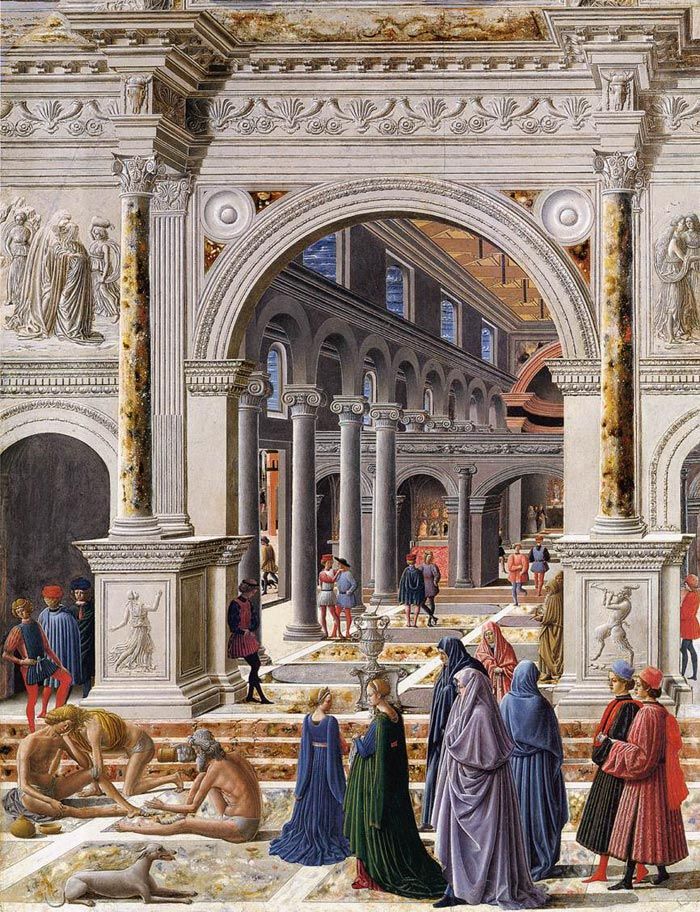
Which zodiac is the most artistic? The Presentation of the Virgin in the Temple by Fra Carnevale was painted during the Renaissance in 1467 and is currently located in the Museum of Fine Arts in Boston.
The Presentation of the Virgin in the Temple by Fra Carnevale was painted during the Renaissance in 1467 and is currently located in the Museum of Fine Arts in Boston.

Characteristics of Capricorn

  • Cardinal Element: Earth
  • Associated Colors: Brown, grey, black, dark green
  • Personality Traits: Ambitious, disciplined, practical, patient, responsible, reserved

Characteristics of Renaissance

  • Emphasis on Proportion and Perspective: Renaissance artists like Leonardo da Vinci and Michelangelo focused on realistic proportions and linear perspective, reflecting Capricorn’s appreciation for structure and order.
  • Humanism and Classical Inspiration: The Renaissance drew heavily on classical antiquity, emphasizing human potential and achievement, aligning with Capricorn’s ambitious and disciplined nature.
  • Technical Mastery: The period is renowned for its technical brilliance and meticulous craftsmanship, mirroring Capricorn’s dedication to excellence and hard work.

Which zodiac is the most artistic: Capricorn

Saturn’s influence on Capricorn emphasizes structure, discipline, and tradition. The Renaissance’s revival of classical ideals and its emphasis on technical skill and mastery resonate with Capricorn’s values of hard work and achievement.

Aquarius (January 20 – February 18): Futurism

Aquarius, an air sign ruled by Uranus, is known for its innovation, originality, and progressive thinking. These characteristics align with the Futurist movement of the early 20th century, which celebrated technology, modernity, and the dynamism of the future.
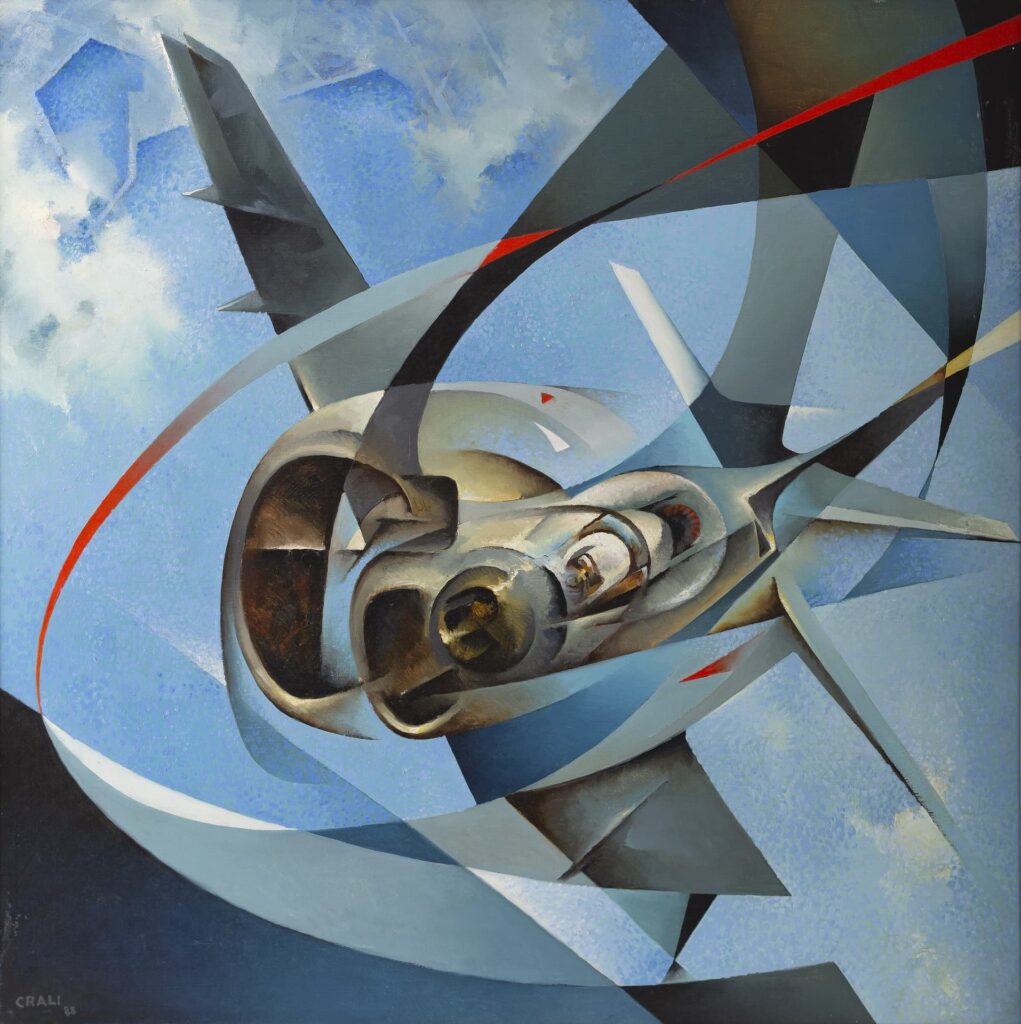
Which zodiac is the most artistic? Entrancing freedom of flight by Tullio Crali praises technology and flight engineering with the futurism art style. This blue sky features a distorted plane flying right at the viewer
Entrancing freedom of flight by Tullio Crali praises technology and flight engineering with the futurism art style.

Characteristics of Aquarius

  • Cardinal Element: Air
  • Associated Colors: Electric blue, turquoise, silver, aqua
  • Personality Traits: Innovative, independent, humanitarian, inventive, unconventional, aloof

Characteristics of Futurism

  • Emphasis on Movement and Speed: Futurist artists like Umberto Boccioni and Giacomo Balla focused on dynamic movement and the energy of modern life.
  • Technological Themes: The movement embraced the industrial age, depicting machines and urban landscapes, reflecting Aquarius’s forward-thinking and innovative nature.
  • Abstract Forms: Futurism often utilized abstract forms to convey motion and change, mirroring Aquarius’s unconventional and visionary outlook.

Which zodiac is the most artistic: Aquarius

Uranus, the planet of innovation and rebellion, influences Aquarius’s progressive and unconventional nature. Futurism’s celebration of modernity and its radical departure from traditional forms align with Aquarius’s desire for change and advancement.

Pisces (February 19 – March 20): Symbolism

Pisces, a water sign ruled by Neptune, is associated with imagination, intuition, and spirituality. These traits are embodied in the Symbolist movement of the late 19th century, which sought to express the ineffable and the mystical through symbolic imagery.
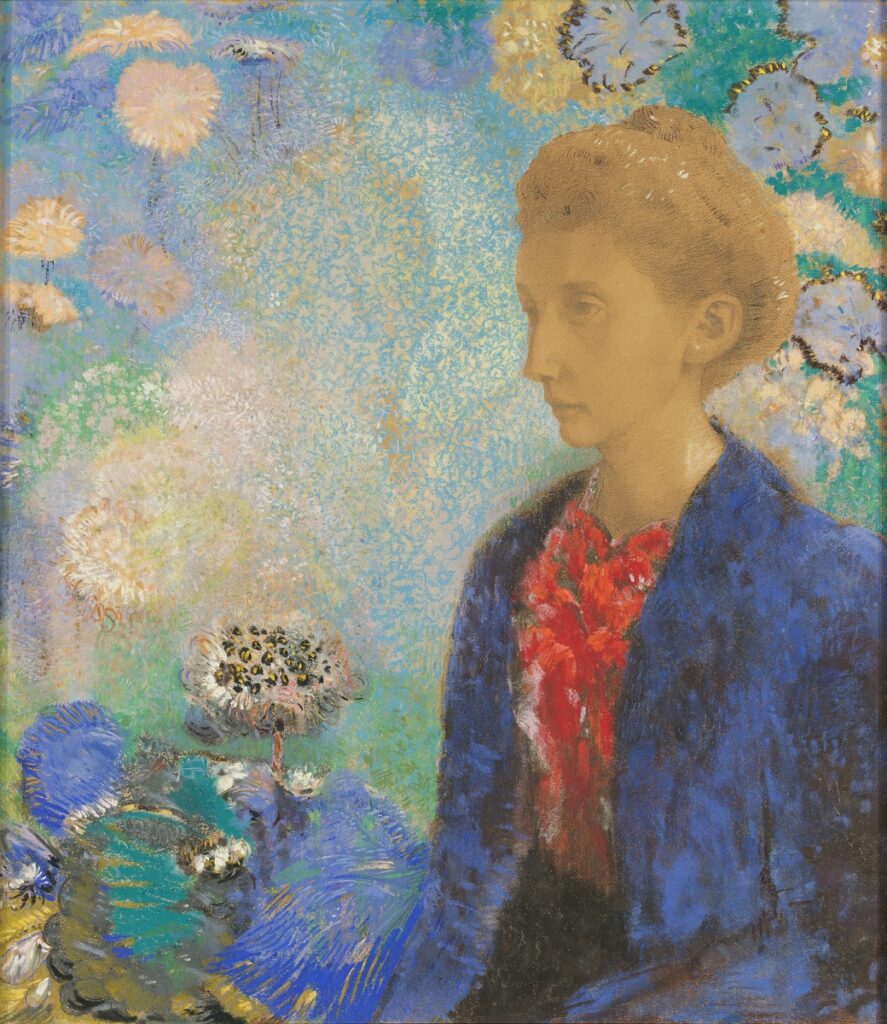
Odilon Redon executed this pastel portrait of the wife of his patron and friend, Baron Robert de Domecy. Reflecting Redon's fascination with underwater life, like the zodiac Pisces, the ethereal blues,  greens and purples, also create an aquatic world with hidden depths, representative of the symbolist art style. Which zodiac is the most artistic?
Baronne de Domecy by Odilon Redon reflects the ethereal colors and imaginative style of symbolism with background subjects which take on almost an aquatic look.

Characteristics of Pisces

  • Cardinal Element: Water
  • Associated Colors: Sea green, lavender, soft blues, pale pink
  • Personality Traits: Imaginative, empathetic, mystical, compassionate, artistic, escapist

Characteristics of Symbolism

  • Mystical and Dreamlike Imagery: Symbolist artists like Gustave Moreau and Odilon Redon created ethereal, often otherworldly works that evoke a sense of mystery and transcendence.
  • Rich Symbolism: The movement is characterized by its use of symbolic content to convey deeper, often spiritual meanings, reflecting Pisces’s intuitive and mystical nature.
  • Emphasis on Emotion and Imagination: Symbolism prioritizes the expression of inner experience over realistic representation, mirroring Pisces’s imaginative and empathetic qualities.

Which zodiac is the most artistic: Pisces

Neptune’s influence on Pisces emphasizes dreams, intuition, and spirituality. Symbolism’s focus on the mystical and its use of evocative imagery align with Pisces’s depth of feeling and its connection to the unseen and the transcendent.

Conclusion: Which zodiac is the most artistic

Exploring the relationship between the zodiac signs and various art movements reveals a rich tapestry of human expression. Each sign’s unique qualities match characteristics in different artistic styles, illustrating a connection between our celestial influences and creative endeavors. As an artist, understanding these connections enhances my appreciation for both art and astrology. By evaluating which zodiac is the most artistic, I can better understand nuances between zodiac signs and between art history movements.

So, what zodiac is the most artistic? Maybe it’s Cancer with their deep emotions or Sagittarius and their adventurous spirit. I know it may seem a lame answer, but artistry really depends on many factors, and cannot be determined by when you were born. To be creative takes an imaginative spirit. To be an artist takes determination and practice. No one becomes a master overnight, and art is a skill as much as it is talent.

Furthermore, in order to best understand what makes something ‘artistic’ requires deep critical evaluation. You can discover how to describe art or learn how to write an artist statement.

Whatever you believe, I hope you enjoyed the comparisons made in this article to try to find which zodiac is the most artistic. I think it’s fun to see similarities between our personalities and the stars in the sky. It gives a sense of perspective, and reminds us to not take things so seriously all the time.


Did you enjoy this article? Do you disagree with my analysis for which zodiac is the most artistic? Comment your thoughts below and be sure to read more about artsy topics or check out my portfolio!

Destiny vs. Drawings: Which Astrology Zodiac is the Most Artistic? Read More »
Better Understand your Art Style in 10 Questions

Throughout my art journey, I’ve often found myself intrigued by the timeless question: how does one find their unique art style? It’s a journey that every artist embarks on, one that intertwines with their growth and self-discovery.

I’ve created a fun and insightful quiz to help you uncover which historical art style matches your unique personality and the artwork you create. I recommend taking the quiz first, then exploring the art movements later in the article.

Take the Quiz: Unveil Your Art Style

Whether you’re a romanticist at heart or a abstract expressionist, this quiz will uncover your personality through the rich tapestry of art history. Take a few moments to explore where you and your art truly belong in the world of artistic expression. I hope you enjoy it as much as I enjoyed creating it!

This quiz is meticulously crafted to tap into your inherent artistic inclinations, guiding you towards the movement that best aligns with your creative spirit. Whether you’re a meticulous planner, an emotional dynamo, a lover of light, or a pop culture enthusiast, this quiz will illuminate your path.

Which historical art style best represents you and your own unique creative style? Take this quiz to find out!

Please enter your email:

1. Which one sounds the most like you:


2. Which one are you most inspired by?


3. Where do you most frequently make your artwork?


4. Choose which one color scheme you tend to use most in your art


5. Which one principle of art do you think you use the most?


6. How would you best describe your line work?


7. Do you express your emotions in your artwork?


8. Which one artist do you most closely identify with?


9. How would you best describe your art style?


Question 1 of 9

Quiz Results: Unveil Your Art Style

Embarking on the journey to discover your unique art style is a scary, yet transformative experience. As a artist, I understand the importance of aligning your creative voice with the rich heritage of art history. Each of these historical art movements—Classicism, Expressionism, Impressionism, and Pop Art—offers a distinct lens through which to view and develop your artistic identity.

Classicism: The Pinnacle of Order and Beauty

If your answers indicate a strong inclination towards Classicism, you are drawn to the order, balance, and timeless beauty that define this art movement. Your art style reflects a profound appreciation for tradition, harmony, and technical mastery, capturing the idealized essence of the human experience.

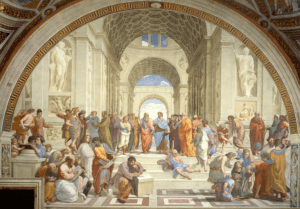
Classicism is an artistic movement deeply rooted in the traditions of Ancient Greece and Rome, re-emerged with vigor during the Renaissance and neoclassical periods. It represents the pinnacle of harmony, proportion, and disciplined beauty, reflecting the ideals of symmetry and perfection. Artists of this era like John Collier, Raphael, Michelangelo and Jacques-Louis David believed in the pursuit of an idealized form, emphasizing rationality and restraint.

Classicism art style artsy drawings website by Brianna Eisman. Featuring art history quiz for artsy people interested in learning more about their art style and what art words best match their style
Oath of the Horatii by Jacques Louis David

Key Characteristics:

  • Proportionality and Symmetry: Classicism thrives on balanced compositions and harmonious proportions. The golden ratio frequents classical art, guiding the placement and scale of elements within a piece.
  • Idealized Figures: Human forms in classical art are depicted in their most perfect state, exuding a sense of calm and stoic grandeur. It is important to know that many figures are idealized, and not always true to life.
  • Mythological and Historical Themes: Classical artworks often draw inspiration from ancient myths, legends, and historical events, celebrating the human form and intellect. Many of these stories are Greek and Roman.
  • Technical Mastery: Precision, control, and an emphasis on fine detail are hallmarks of classical technique, showcasing the artist’s skill and dedication to craftsmanship. You will likely not see as many brush strokes or paint texture in this art movement.

If your creative process gravitates towards meticulous planning, balance, and a deep appreciation for historical context, Classicism might be your natural art style. Your artsy persona likely values tradition and seeks to capture the timeless elegance of the human experience.

Expressionism: The Canvas of Emotion and Inner Turmoil

Expressionism art style artsy drawings website by Brianna Eisman. Featuring art history quiz for artsy people interested in learning more about their art style and what art words best match their style
Autoportrait a la tete baissee by Egon Schiele

If your answers indicate a strong inclination towards Expressionism, you are likely driven by the need to convey intense emotions and explore the complexities of the human psyche. Your art style is characterized by bold colors, dramatic forms, and a powerful emotional impact, transferring your most inner thoughts onto the canvas.

Emerging in the early 20th century as a reaction to the dehumanizing effects of industrialization and war, Expressionism broke away from traditional representation to convey raw, unfiltered emotion. Artists sought to depict the subjective experiences and inner turmoil of the human psyche, often distorting reality to evoke a more expressive response from viewers.

Artists of this era include Wassily Kandinsky, Edvard Munch, Egon Schiele, Vincent van Gogh, Willem de Kooning, Jackson Pollock and Francis Bacon, among many others.

Key Characteristics:

  • Emotional Intensity: Expressionism is characterized by its dramatic and often jarring depictions of emotion, capturing feelings of angst, fear, and passion.
  • Distorted Forms: To convey psychological depth, artists frequently distort figures and landscapes, creating a sense of unease and tension.
  • Bold Colors and Brushstrokes: Vivid, often non-naturalistic colors and dynamic, fluid brushwork are used to enhance the emotional impact of the artwork.
  • Subjective Perspective: The artist’s inner world takes precedence over objective reality, with works often reflecting personal and existential struggles.

Finding Your Art Style in Expressionism: If your artistic expression is driven by a need to explore and convey deep emotions, Expressionism might be your calling. Your artsy approach likely embraces the chaos and complexity of human experience, channeling your inner turmoil and passions onto the canvas with fervor.

Impressionism: The Dance of Light and Moment

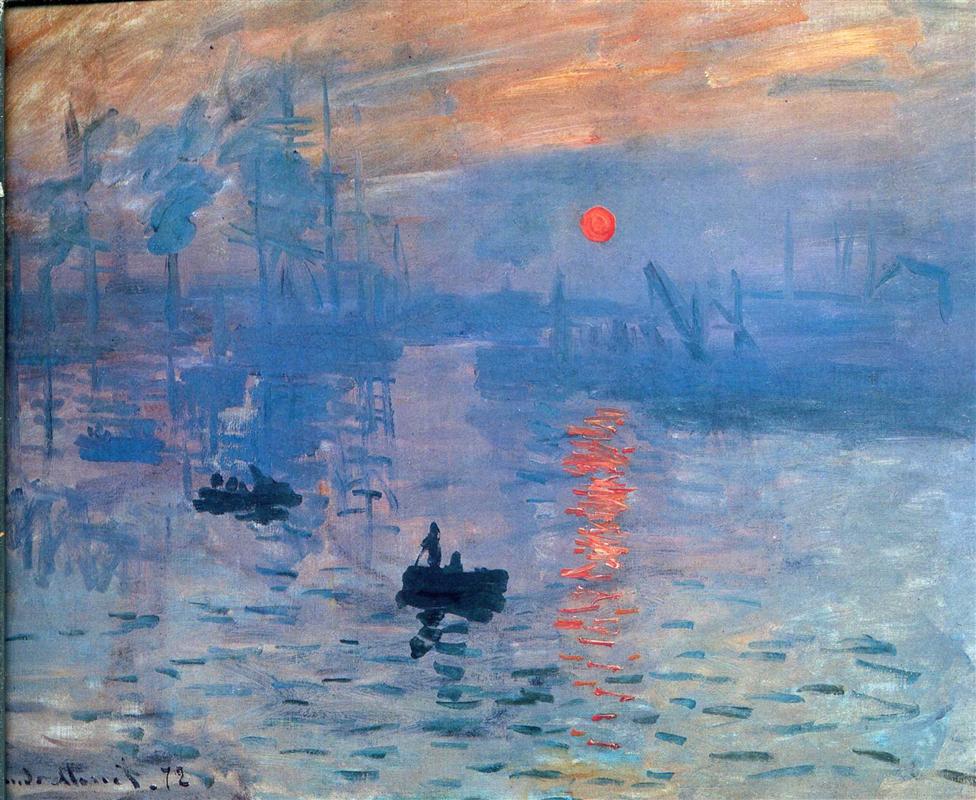
Impressionism art style artsy drawings website by Brianna Eisman. Featuring art history quiz for artsy people interested in learning more about their art style and what art words best match their style
Sunrise by Claude Monet

If your answers indicate a strong inclination towards Impressionism, you are likely captivated by the transient and dream-like effects of light and color, finding beauty in the fleeting moments of everyday life. Your art style is loose, spontaneous, and infused with the delicate interplay of light and atmosphere.

Impressionism emerged in the late 19th century as a revolutionary departure from the rigid formalism of the art academies. Artists like Claude Monet, Edgar Degas, Auguste Renoir, Mary Cassatt, and Paul Cézanne sought to capture the fleeting effects of light and color, emphasizing spontaneity and the perception of the moment. While the movement was initially met with criticism, it eventually redefined the entire trajectory of modern art.

Key Characteristics:

  • Light and Color: Impressionists focused on how light interacts with objects, using short, quick brushstrokes to capture the transient effects of light and atmosphere.
  • Everyday Scenes: Rather than grand historical or mythological subjects, Impressionist artists often depicted ordinary scenes of modern life—cafés, gardens, and urban landscapes.
  • Loose Brushwork: The use of loose, visible brushstrokes creates a sense of immediacy and movement, inviting viewers to engage with the work from a distance. This brushwork style coincides with the rise of Pointillism, which became a fundamental drawing technique.
  • En Plein Air: Many Impressionists painted outdoors (en plein air) to directly observe and capture natural light and its changing qualities. This process contributes to the idea that impressionist artists tend to be more spontaneous.

Finding Your Art Style in Impressionism: If you’re captivated by the beauty of everyday moments and the play of light, Impressionism could be your ideal art style. Your artwork is likely attuned to the subtleties of color and atmosphere, and you tend to find joy in the spontaneous and ephemeral aspects of life.

Pop Art: The Celebration of Popular Culture

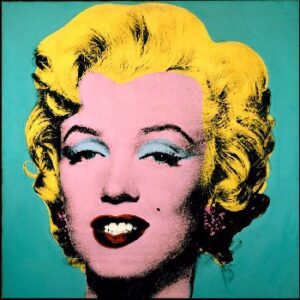
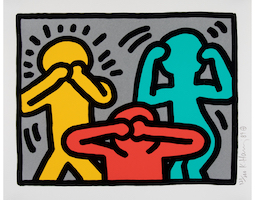
Modern Pop art style artsy drawings website by Brianna Eisman. Featuring art history quiz for artsy people interested in learning more about their art style and what art words best match their style
Pop Shop III by Keith Haring

If your answers indicate a strong inclination towards Pop Art, you are likely inspired by popular culture and the vibrant imagery of mass media. Your art style is bold, graphic, and often infused with irony, celebrating and critiquing the contemporary world with a playful and artsy flair.

Pop Art emerged in the mid-20th century as a vibrant counterpoint to the introspective nature of Abstract Expressionism. Drawing inspiration from mass media, advertising, and consumer culture, Pop Art celebrated the mundane and the commercial, blurring the boundaries between high art and popular culture.

Artists of this era included Andy Warhol, Roy Lichtenstein, Keith Haring, David Hockney, Jasper Johns, Robert Rauschenberg, Yayoi Kusama and Jeff Koons.

Key Characteristics:

  • Bold Imagery: Pop Art is known for its bold, graphic imagery, often featuring recognizable icons from popular culture such as celebrities, comic strips, and brand logos. Andy Warhol was known for his art of Mickey Mouse, Marilyn Monroe, and the Campbell Soup Can.
  • Bright Colors: The use of vibrant, often primary colors gives Pop Art its striking and attention-grabbing quality.
  • Repetition and Patterns: Techniques such as repetition and the use of industrial printing methods underscore the mass-produced nature of consumer goods.
  • Irony and Satire: Pop Art frequently employs irony and satire to critique or celebrate aspects of modern culture, from consumerism to media sensationalism.

Finding Your Art Style in Pop Art: If your creativity thrives on the many conversations between art and popular culture, Pop Art might resonate with you. Your artsy nature is likely drawn to the bold, the vibrant, and the iconic, using art as a means to engage with and critique contemporary society.

Embrace Your Own Unique Art Style

Remember, your art style is not a static destination but a dynamic and evolving journey. Embrace the insights gained from this exploration and let them guide you as you continue to refine and express your unique artsy essence. Through the lens of history and the canvas of your creativity, you’ll find a style that is authentically and unmistakably yours.

Please comment below or message me if you enjoyed this quiz! I enjoyed creating it and I would love to make more if it’s well received.

Subscribe to my newsletter

Sign up for my monthly newsletter and stay up to date on my artsy journey!

*
*

Better Understand your Art Style in 10 Questions Read More »

Is AI art to be a valuable future or a scary end of originality?

Artificial Intelligence (AI) has been a hot topic in recent years, with its applications ranging from self-driving cars to natural language processing. However, AI is not just limited to practical applications – it is also being used in the field of art, leading to the emergence of AI art. AI art is created using algorithms and machine learning techniques, and is becoming increasingly popular among artists and art enthusiasts. But what does AI art mean for traditional artists, and how will it impact the art world?

How do you make AI art?

First, it’s important to understand how artificial intelligence art is created. AI art comes from feeding an algorithm with a dataset of images or other visual information. Then, machine learning algorithms generate new images based on that dataset. These images can be completely abstract or can be based on specific styles or genres. For example, an algorithm can be trained to generate new images in the style of Impressionism or Cubism. My own personal style is very similar to Impressionism, though I prefer traditional methods to AI. Check out my gallery here.

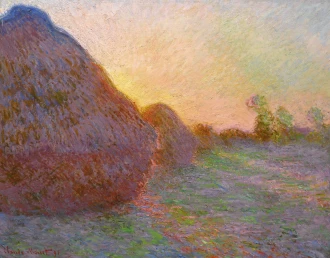
Meules by Claude Monet is a great example of the Impressionism style with small, visible brushstrokes that provide the “bare impression of form.”

AI art is not limited to still images – it can also be used to create animations, videos, and even music. One example of AI art is the deep dream algorithm developed by Google. This algorithm creates surreal and dreamlike images by analyzing and enhancing patterns in existing images. Another example is the artwork created by Mario Klingemann, who uses neural networks to generate abstract and surreal images.

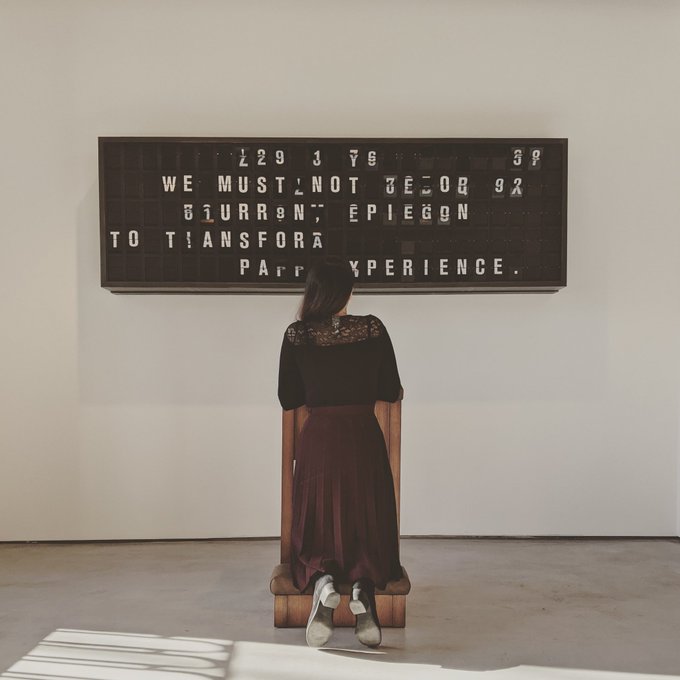
Appropriate Response by Mario Klingemann poses the question of “how much meaning can you put into 125 letters?”

How will AI art affect traditional artists?

So, what does AI art mean for traditional artists? On the one hand, AI art presents new opportunities for artists to experiment with new techniques and styles. Artists can use AI to generate new and inspiring ideas, or to create artworks that would be difficult or impossible to produce manually. For example, an artist could use AI to research images pieced together as a reference image as the basis for a new painting or sculpture.

On the other hand, art made with artificial intelligence also presents new challenges for traditional artists. With the rise of AI art, there is a risk that traditional art forms may become less relevant or even obsolete. If AI can generate images and other artworks with a high degree of accuracy and creativity, why would people need to commission traditional artists? This is a question that many artists and art enthusiasts are grappling with.

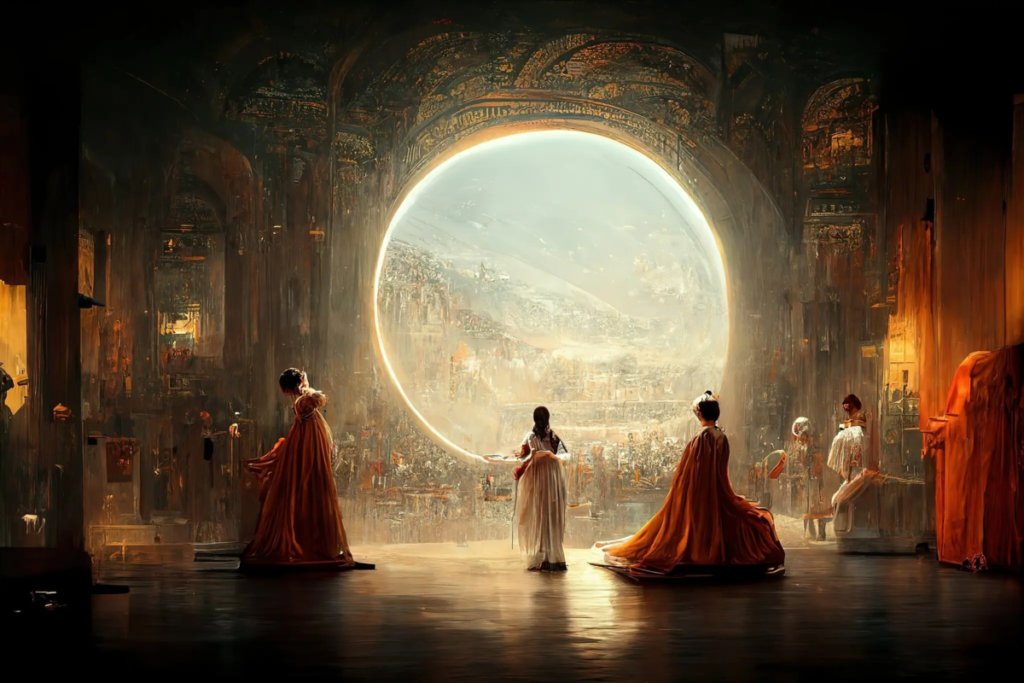
In fact, in September 2022 the New York Times posted an article titled An A.I.-Generated Picture Won an Art Prize. Artists Aren’t Happy. The artist used Midjourney, an artificial intelligence program which transforms lines of text into hyper-realistic graphics. He won first prize — a blue ribbon — in the Colorado State Fair, under the division for “digital art/digitally manipulated photography.”

Théâtre D’opéra Spatial by Jason Allen is created using AI art technology and took first place at the Colorado State Fair.

Have we reached the end of originality?

Another challenge for traditional artists is the potential loss of creativity and originality. If an artist relies too heavily on AI to generate ideas and inspiration, their work may become formulaic and predictable. There is also a risk that AI-generated artworks may become too similar to each other, leading to a lack of diversity and innovation in the art world.

Despite these challenges, many traditional artists are embracing artificial intelligence art as a new tool in their creative arsenal. Some artists use AI to generate new ideas and inspirations, while others are using AI to enhance their existing artworks. For example, an artist could use AI to analyze the colors and patterns in their paintings and then use that data to create a new series of paintings with a similar aesthetic.

AI Art is Here to Stay

In conclusion, artificial intelligence art is a new and exciting field that is rapidly growing and evolving. While it presents new opportunities and challenges for traditional artists, it is clear that AI art is here to stay. Whether traditional artists choose to embrace AI as a tool for creativity or view it as a menace and threat to their livelihoods, there is no doubt that AI will have a significant impact on the art world in the years to come.

Is AI art to be a valuable future or a scary end of originality? Read More »

Scroll to Top
Cart
0
Add Coupon Code
Subtotal