The Ins & Outs of 2026: Artsy Trends Forecast
Every January, the internet hits refresh and somehow finds a new “right” way to make art. A right aesthetic. A right color palette. A right overpriced art supplies. Sure, it’s fun to check out Pinterest’s artsy trends and laugh at the irony of Pantone’s 2026 Color of the Year. But if the internet brought you here, I think you’re looking for something a little more than just artsy trends.
At Artsy Drawings, we’re starting 2026 with intention to create art that moves and communicates. Please still make fun silly crafts, but please do it in a way that saves you time, energy, and money. I’m not going to give advice or say the artsy trends are to buy the next new art kit, because let’s face it — your craft drawer/room is already bursting with supplies.
This is the year you reuse what you already have, make art that feels good to you, and stop side-eyeing yourself (or others) for not keeping up. You don’t have to participate in every trend to be a “real” artist, just like you don’t have to consistently make good art every single time.
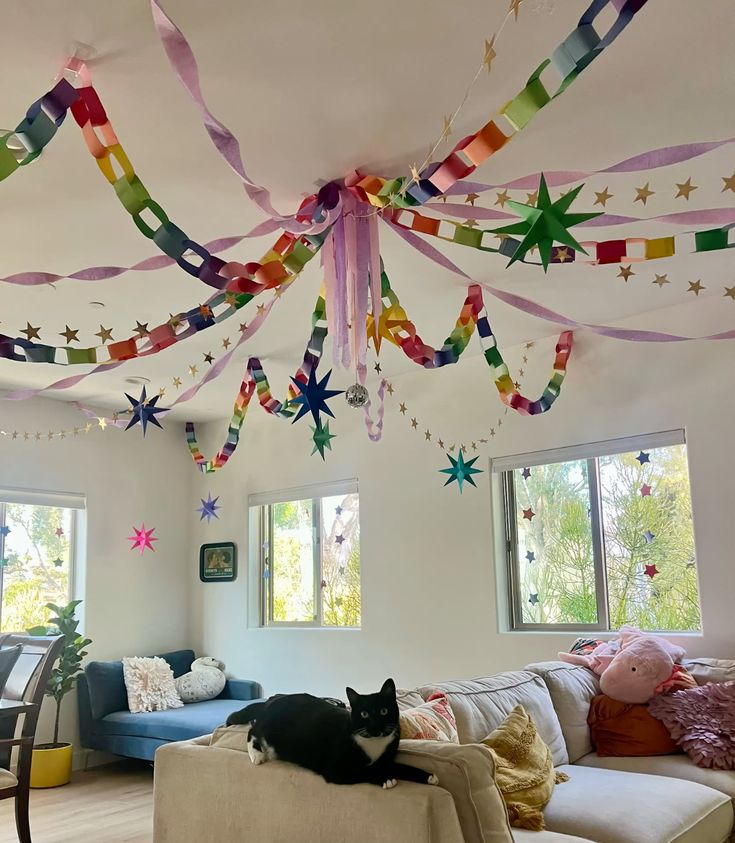
Consider this your official Artsy Drawings permission slip as we ring in the new year (cue confetti made of scrap paper!) These are the 2026 Artsy Drawings Ins & Outs—not as commandments, but more like artsy trends guidelines. Take what resonates. Leave what doesn’t. Carry the good energy into the next chapter and have a Happy New Year!
Artsy Trends OF 2026
IN #1: Craft Just for Fun
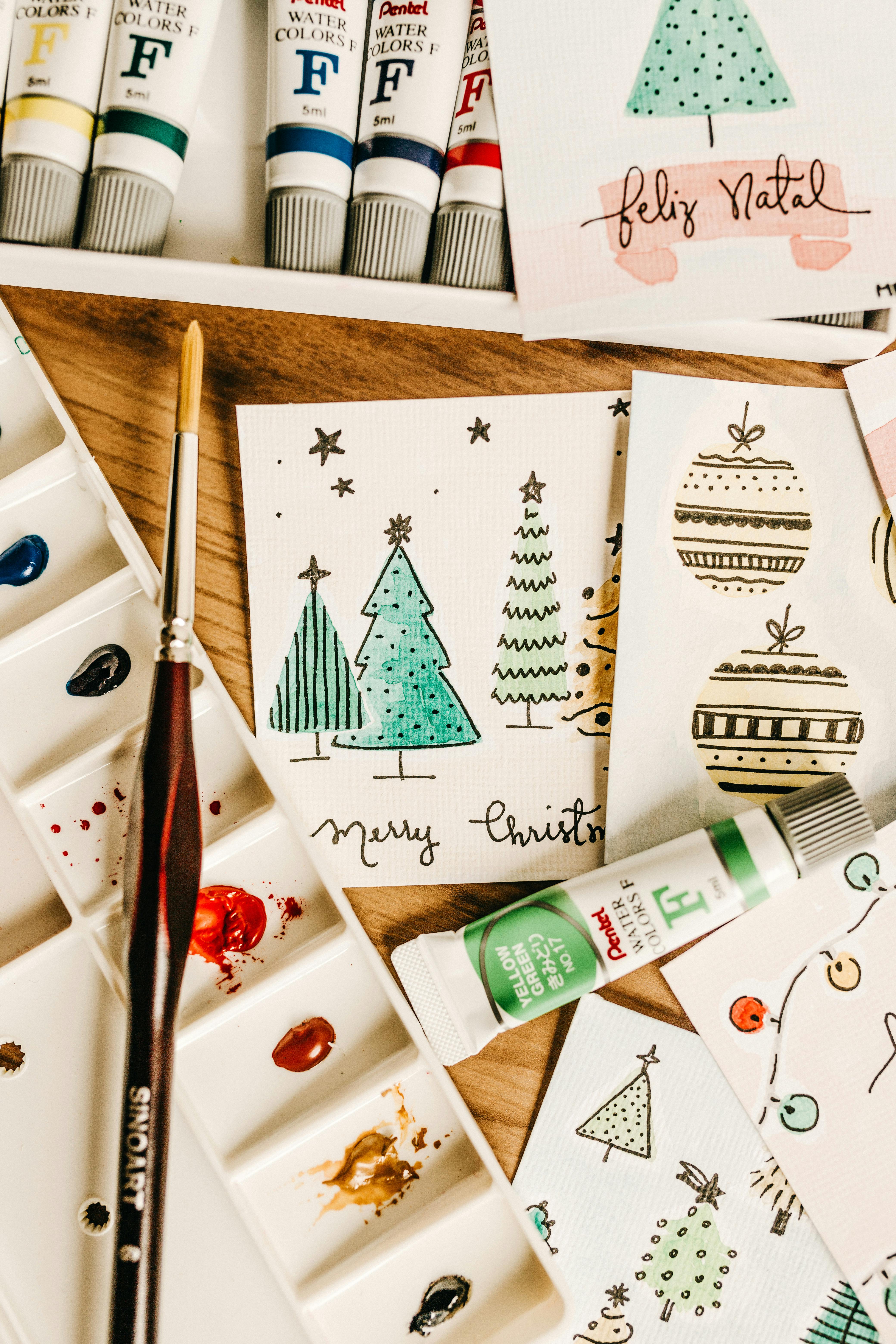
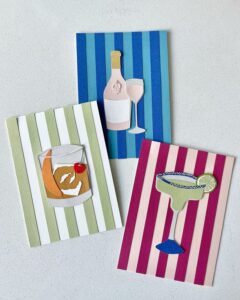
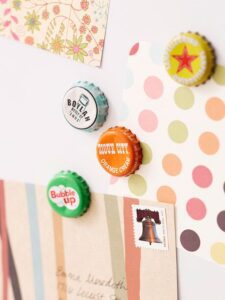
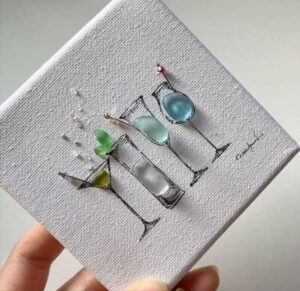
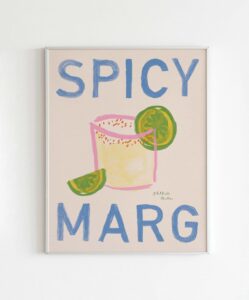
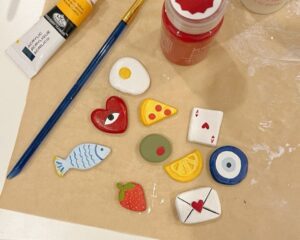
Not everything needs a deep backstory about your trauma. Sometimes it’s really fun to make art that is pretty, and that’s it. Crafts are meant to spark joy and comfort. From making homemade cards to making silly paintings of your summer slushie, crafts are expressively fun and lighthearted and sometimes that’s all you need. This year, we’re officially done pretending fun needs justification. If it makes you smile while you’re making it, it’s doing its job.
IN #2: Create Imperfect sketchbooks
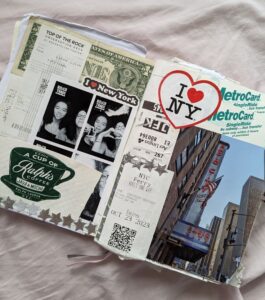
Your sketchbook or journal is not a performance. It’s not supposed to look like it was printed in a factory or photographed for a brand deal. Smudges, ink spills, coffee marks, and tears mean you used it. Crooked lines mean you are human. Misspelled headers mean you were thinking faster than your pen could keep up. The more “imperfect” your sketchbook is, the more honest it probably is, and for 2026’s artsy trends, honesty beats aesthetic pressure every single time.
IN #3: Reuse Supplies for Multiple Projects
One paint set does not have a single destiny, and I think I still have acrylic paint from high school hiding away because I despise using Cadmium Red.
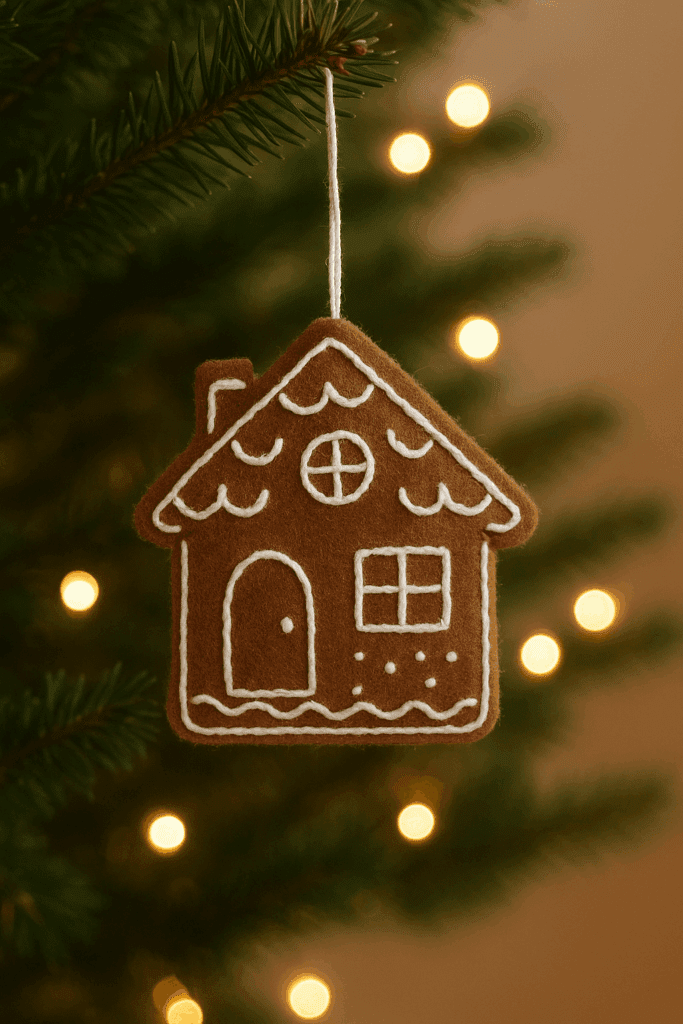
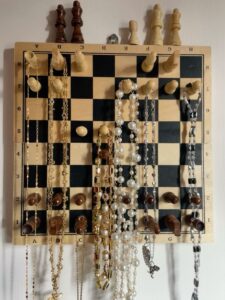
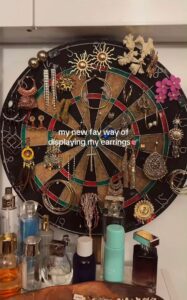
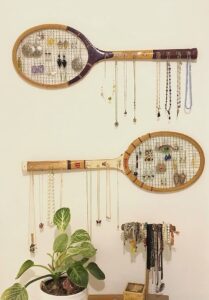
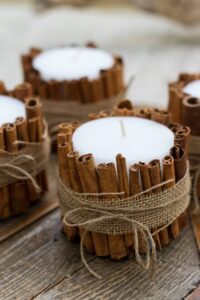
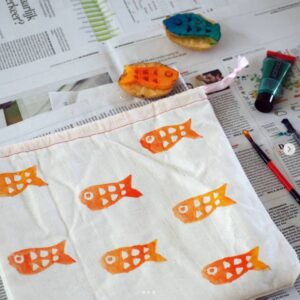
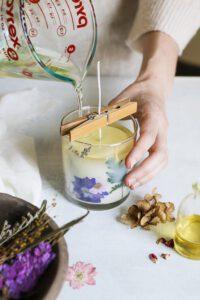
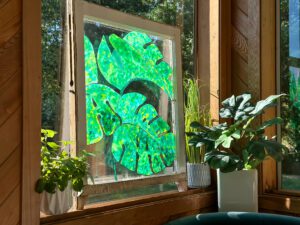
The new year artsy trends include reusing your art supplies! Using the same supplies across multiple projects isn’t lazy, it’s resourceful, creative, and makes you iconic and sustainable. It forces you to problem-solve and experiment instead of constantly buying something new. Supplies that look worn, ink-stained, and a little chaotic are proof they’re being loved.
IN #4: Be an Artist who Supports Artists
Art thrives in community, not competition. Sharing another artist’s work, tagging designers, crediting inspiration, and buying from small arts markets and shops keeps the creative ecosystem alive. No one loses when artists support each other, everyone grows. This year, we’re choosing collaboration over comparison and cheering louder for people doing cool things.
Speaking of, go check out some of my favorite artists I found this year:
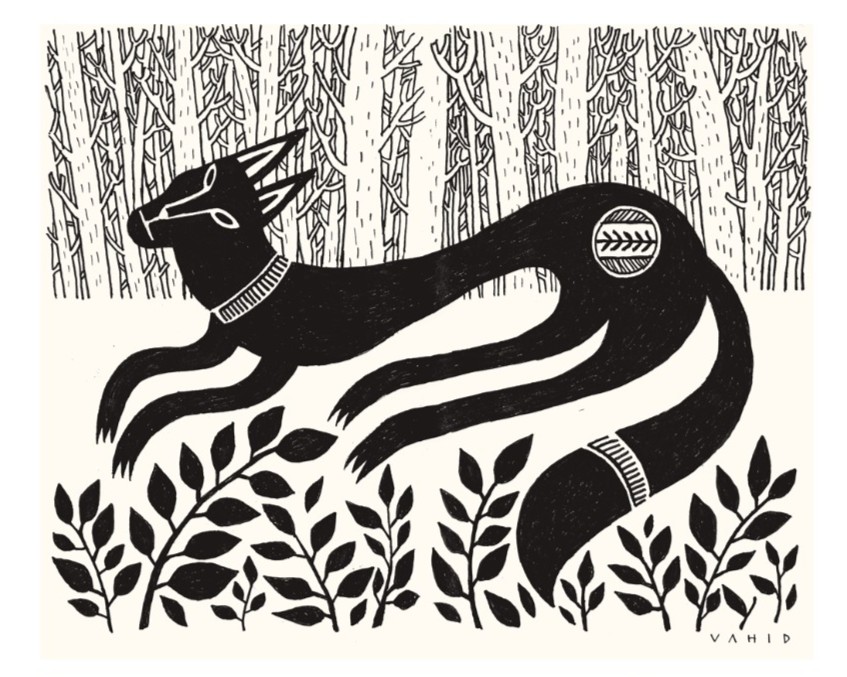
Vahid Fazel – Vahid is an Iranian-Canadian visual artist, filmmaker, and illustrator based in Toronto. According to his website, his artwork “bridges cultural narratives and universal themes through animations, compelling illustrations, and prints.”
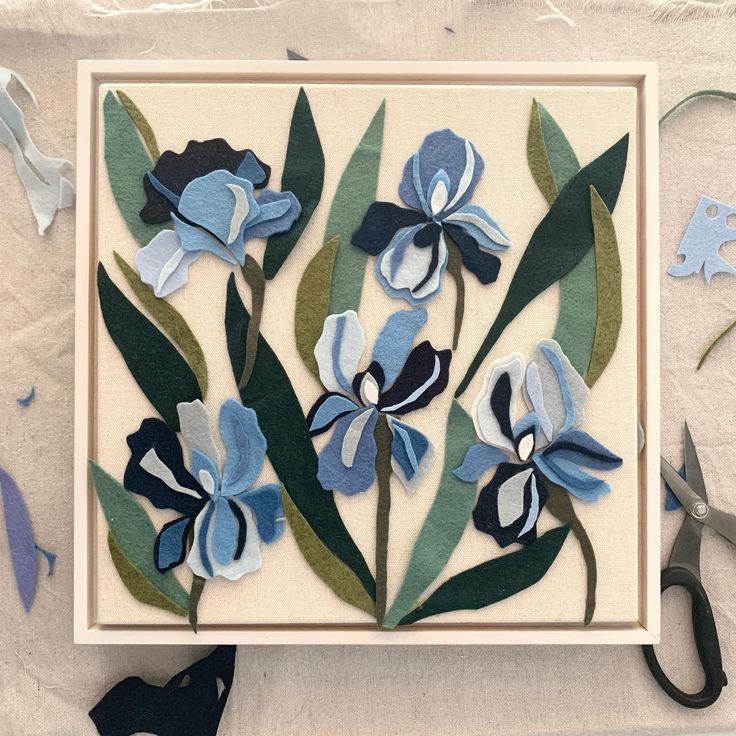
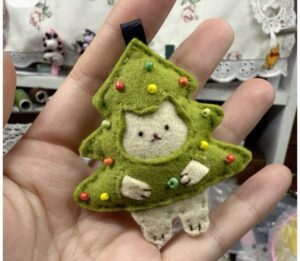
Annie Raymond – Annie is a wildly talented Georgia-based artist who works mainly with felt, making colorful, layered pieces that feel playful and a little nostalgic. With a background in teaching elementary art, she draws on that playful spirit and curiosity in everything she makes.
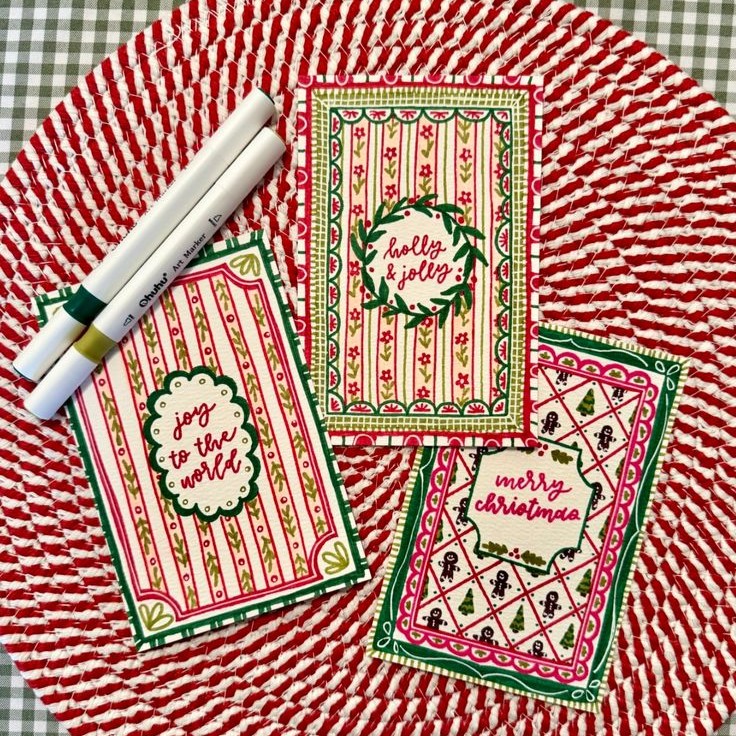
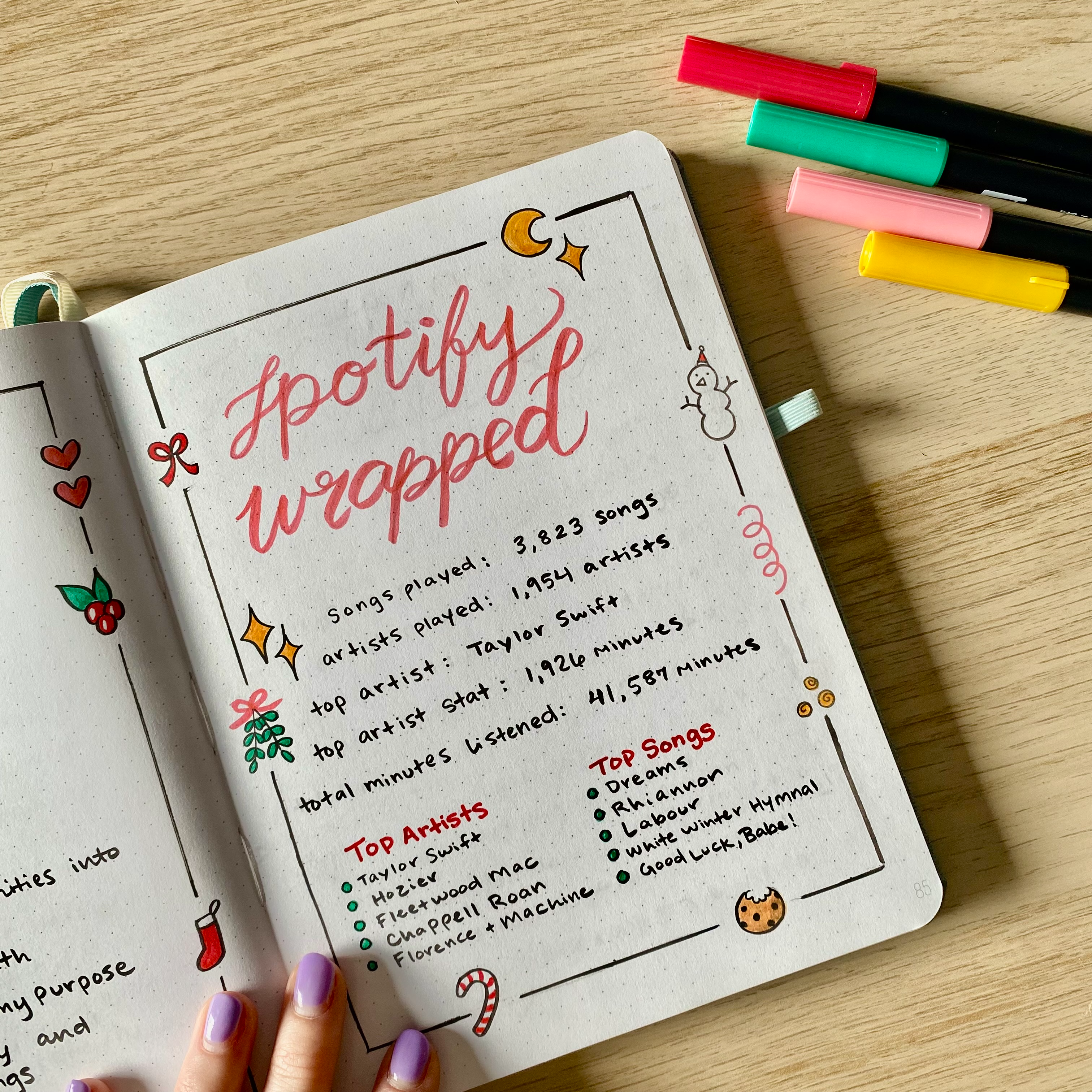
Lauren Gross – Lauren is the incredible artist behind Send Love Studio who makes warm, heartfelt pieces full of color, texture, and everyday beauty. Her work feels playful and personal with little calligraphy reminders of joy, connection, and faith.
IN #5: Know the Basics of art
Know the basics. Learning color theory, the principles and elements of design, and the rule of thirds gives your art a solid foundation to build on. These tools help you make intentional choices about balance, contrast, and composition, so your work communicates the way you want it to. Mastering the basics doesn’t limit creativity, it frees it, letting your ideas shine while still feeling cohesive and visually satisfying. Even small shifts, like adjusting where a focal point sits or experimenting with complementary colors, can make your pieces feel more polished and intentional without losing their spark.
If you’re interested in learning more about color theory, I recommend you take a look at Easy Color Theory for Beginners and Color Knowledge Tips that will Make you a Better Artist. Likewise, the article How to Create an Artist Statement discusses words you can use to make you sound more like an artist, including the elements and principles of design. You can also learn about perspective in the article titled Making Mountains Small and Worms Feel Tall.
OUT #1: Using a Whole Sheet of Paper for a Tiny Cut-Out
If the final shape is the size of a coin, the paper sacrificed should not be the size of a notebook page. This year’s artsy trends are about thinking ahead, trimming scraps first, and respecting materials. Your future self (and your scrap bin) will thank you.
OUT #2: Buying Art Supplies Just Because They’re Trending
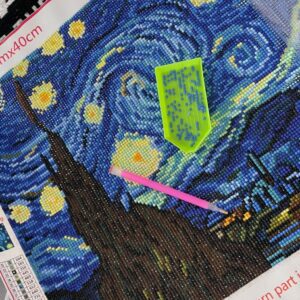
Artsy trends move fast. Your preferences don’t, and trust me, that’s a good thing. If you didn’t like gouache last year, a viral video isn’t going to magically change that. The same goes for acrylic paint pens, chunky oil pastels, gel printing plates, alcohol markers, or the latest “must-have” sketchbook everyone is suddenly obsessed with.
Buying supplies you don’t enjoy using doesn’t make you more creative; it just makes your art supply drawers more crowded and your wallet lighter. That expensive set of markers won’t fix the fact that you actually prefer pencil. The ceramic palette won’t help if you hate cleaning it. Spend money on tools that fit your process, your habits, and your style—not someone else’s aesthetic, not a TikTok cart haul, and definitely not guilt.
For the thrifty artist, check out these artsy articles on How to Thrift Art Supplies and No-Buy DIY Crafts Using Stuff You Already Own.
OUT #3: Copying other artists’ work
It should be obvious at this point, but don’t copy other artists’ work. You can gather inspiration, but if it feels wrong in the pit of your heartless soul, it most likely is wrong.
Another topic has come up more frequently lately and I want to reiterate an important note: AI art does not steal artist’s work. I know this is a controversial take, but as an artist myself, I believe AI art is not inherently art. An AI model doesn’t understand the nuances behind creating art, it just predicts what it thinks the audience wants. Artists don’t just reproduce — we choose, edit, and improvise. Artists can problem solve and come up with creative solutions and intentions behind creating a painting or an image or whatever. Artificial intelligence lacks this very human internal pursuit to express.
OUT #4: Gatekeeping Techniques & Styles
Art is not a secret club with hidden rules. People are allowed to ask questions, try things the wrong way and learn in public. Gatekeeping doesn’t protect art, it limits it. The more people feel welcome to create, the richer the art world becomes.
OUT #5: Hustle Culture Disguised as “Motivation”
You do not need to turn every sketch into a product or every hobby into a brand. Not all artsy trends need to be photographed and posted. Rest is productive. Play is productive. Burnout is not proof of dedication, it’s a warning sign. In 2026, we’re letting creativity breathe instead of abusing it for some hustler output.
If you are a burnt-out artist, I recommend you taking a peak at my artsy article: How to Avoid Burnout: 13 Tips from A Tired Artist.
IN #6: Visit Museums & Galleries
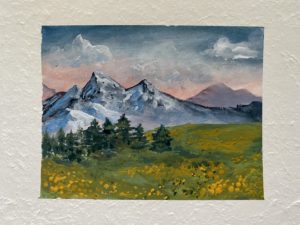
In 2026, we are visiting art houses like museums, galleries, arts markets, and small shops!
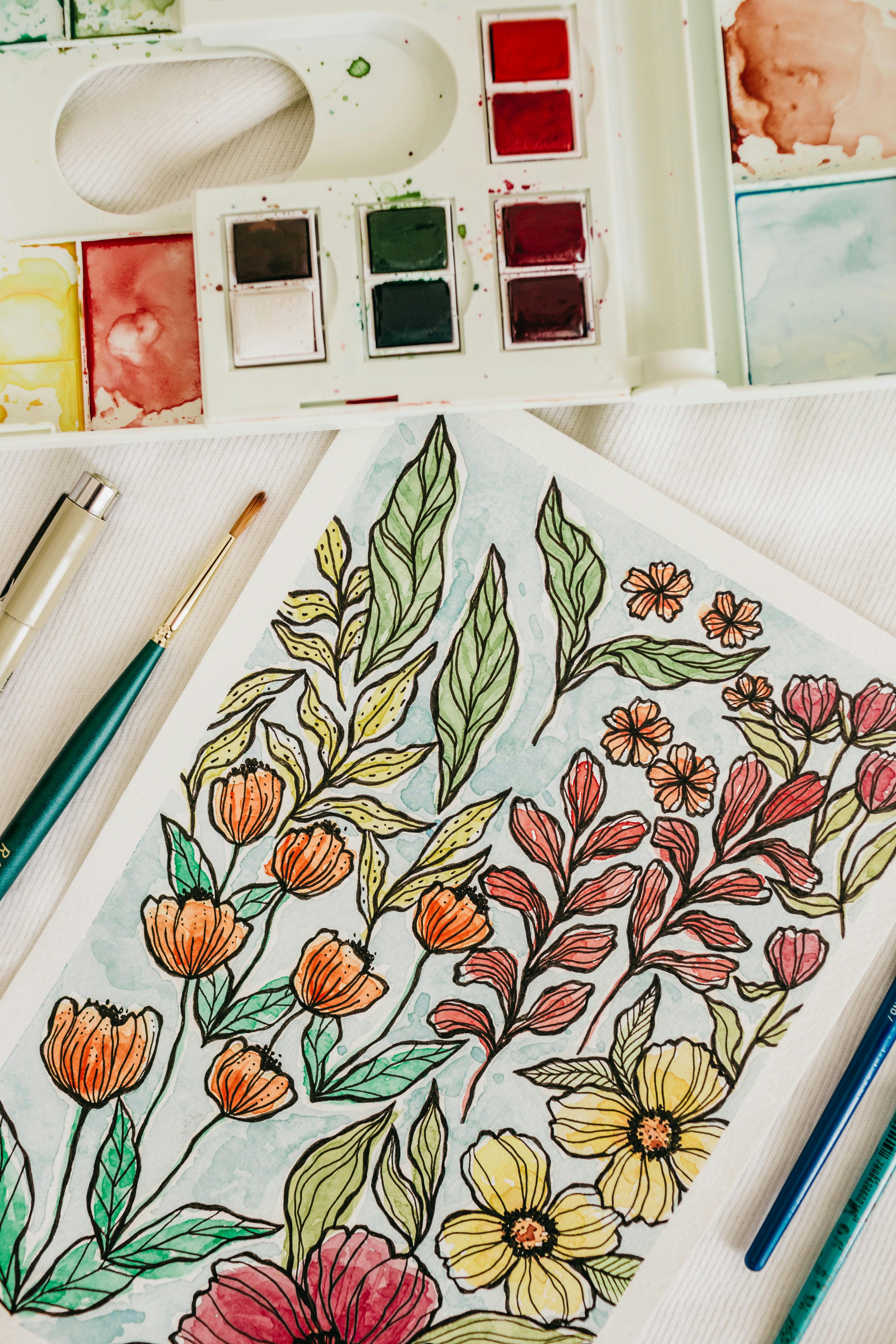
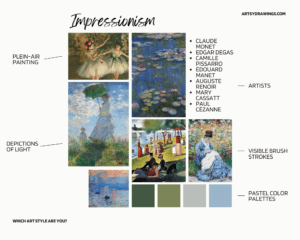
Experiencing art in person, whether timeless classics or contemporary pieces that look like splatter paint brain rot, connects you to the history and evolution of creativity. Learning and experiencing art history in person helps you understand how artists use color, composition, and storytelling to communicate ideas. Seeing how others solve visual problems gives you tools to make smarter, more confident choices in your own work. Even one painting or sculpture can inspire new approaches, spark fresh ideas, and deepen your creative perspective.
IN #7: Warm up Your Artsy Muscles & Practice
Warm up your artsy muscles, not the ones you flex in the mirror when no one is looking, but the ones that actually builds your art skills. Quick sketches, doodles, or small studies get your hand and eye in sync, loosen your style, and make it easier to dive into bigger projects with confidence.
Every sketch, every brushstroke, every “failed” piece is a step forward, teaching you something your brain can’t learn any other way. Progress doesn’t happen in big leaps. it happens in the small, repeated motions, in showing up day after day. Embrace the messy, the awkward, and the imperfect, that’s where real growth and skill live.
IN #8: Draw/Paint from Life
Draw and paint from life whenever you can, it will seriously help your hand-eye coordination. Observing real people, objects, or landscapes trains your eye to see shapes, light, and color in ways photos can’t. Start with simple still lifes like a bowl of fruit or a vase of flowers. You can also sketch people in a cafe to learn posture, gesture, and proportion.
Artists like John Singer Sargent mastered this approach, capturing movement and life in every brushstroke. Working from life teaches you to notice subtle details that make your art feel alive and immediate and real.
IN #9: Be a Professional
In the words of Paige Mills and Simone Christen with the Artwork Archive, “in order to be successful in the art world, the demands on an artist are high. Therefore, it’s crucial to run the administrative side as efficiently and professionally as possible.”
Calling yourself a professional artist means taking ownership of your marketing, sales, and online presence, and treating them with the same care you give your work. Developing your style and listening to your inner voice is vital, but so is building professionalism through social media, a website, an online portfolio, and consistent branding. Being a professional artist also means cultivating resilience: setbacks and frustrations are part of the process, and maintaining a positive, curious, and experimental mindset will keep your creativity, and your career, moving forward.
IN #10: Remembering the Artist’s Role
An artist’s role is more than slinging paint and getting messy: it’s about reflecting society and casting a glow of change.
Artists get the choice to create a message and determine how it could be understood and interpreted. I know engineers who consider themselves artists because they design or code in a way that helps translate the data in a different way. This choice, to not only communicate, but to do so in a new or different way, is what really pushes a true artist. They rebel against the norms or challenge ways of communicating, and in turn, this turmoil is reflected positively in society as experimentation and eventually, progress.
OUT #6: Consuming more than you Create
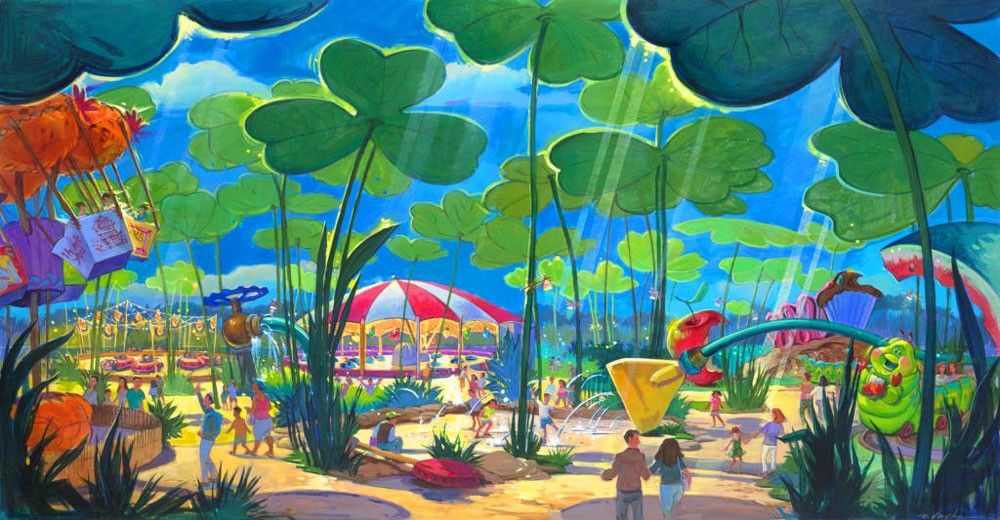
A lot of new art doesn’t hit as hard because it’s made for an audience that’s used to quick swipes and fast likes. We’ve been trained to scroll past things in seconds, even when they’re beautiful or meaningful. It’s not really our fault—we’re just overwhelmed. But that’s the problem: art is getting lost in the noise. People don’t take time to sit with it, to think about what it’s saying or what went into it. It’s like eating a steak in two bites and wondering why it didn’t taste like anything. When everything is content, art starts to lose its weight. It becomes something to consume, not something to connect with.
OUT #7: Art Hauls
You don’t need 47 versions of the same brush. You need time, practice, and permission to slow down.
Art hauls are out. Watching someone unbox dozens of supplies might feel satisfying, but owning a pile of stuff doesn’t make you a better artist. Inspiration doesn’t come from quantity, it comes from using what you have, experimenting, and figuring out what actually works for you.
OUT #8: Pretending You’re “Too Late” to Start
There’s no deadline for creativity. That feeling of being “behind” is just fear sneaking in. Your ideas, sketches, and experiments are unfolding exactly when they should—there’s always time to start, and you’re right on schedule.
OUT #9: Destroying Art
Art is being destroyed. The accused “war crimes” include “intentionally directing attacks against buildings dedicated to religion and historic monuments.”
When art starts to feel disposable, it’s easier to destroy. Not just by ignoring it, but by literally erasing it—through war, censorship, or indifference. If people can’t recognize the value of a painting or sculpture in peace, what happens to that art in times of conflict? The less we appreciate it, the less we fight to protect it.
I know that what’s happening is wrong and from an artist’s standpoint, the destruction of art, history, and society feels like a step backwards for humans. But, what can I do? I’m a 25-year-old U.S. painter with internet access and a sink full of dishes. I should stop worrying about things outside my control, so I buy eggs when they drop below $4 and dye them silly colors in the summertime, because I couldn’t afford eggs during Easter.
I know how to hold a paintbrush better than a gun. My hands were made for color, not combat.
OUT #10: Fear of “Ruining” a Page
Pages exist to be used. Sketchbooks are tools, not heirlooms. The only truly wasted page is the one you’re too afraid to touch. Messy pages mean momentum.
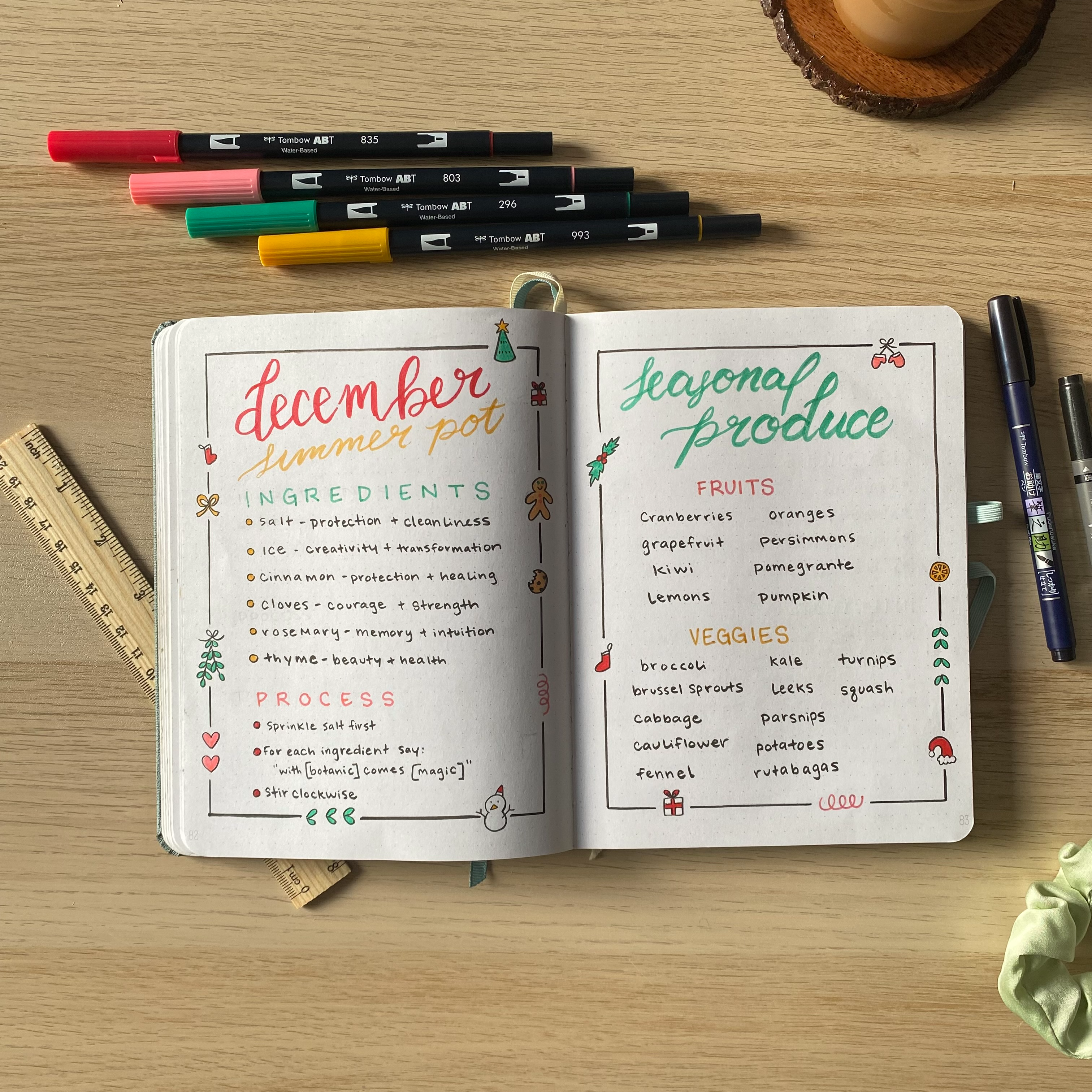
One of my favorite artsy tips to avoid burnout is learning to overcome perfectionism. As an artist, I see perfectionism at both the beginning and end of my projects. To start, I fear failing or messing up or marking the wrong mark on the page. I procrastinate or over-plan to the point that sometimes I have to tell myself “oh my goodness, just paint!!!” I see the same emotions pop up at the end of a project when I struggle with deciding when the piece is truly finished. I even debate varnishing paintings just in case I want to go back in and edit something. I’m stressing myself out when I should be simply enjoying making art.
Art is not valuable because it’s polished or impressive. It’s valuable because it meant something to the person who made it. Expression will always matter more than perfection.
Final Thoughts on 2026 Artsy Trends
As we move into 2026, the most important thing to remember about artsy trends is that you get to choose how (and if) you participate in them. Artsy trends can be inspiring, playful, and even motivating—but they’re not rules, and they’re definitely not requirements. The goal isn’t to do more art or buy more supplies. The goal is to make art more thoughtfully.
Being intentional with what you’re crafting means slowing down long enough to ask: Do I actually enjoy this? Will I use this? Does this align with how I want to create? Intentional design is about purpose over pressure. Choose materials that last, reuse what you already have, and design projects that feel meaningful instead of performative.
Sustainability isn’t just about the environment (though that absolutely matters). It’s also about sustaining your creativity. When you reuse supplies, avoid overconsumption, and let go of hustle culture, you create space for ideas to grow naturally. When you take inspiration without copying, give credit generously, and support other artists openly, you help build a creative community that actually lasts.
So take inspiration from artsy trends, but don’t let them dictate your process. Let them spark ideas, not your anxiety. Create with curiosity, design with intention, and treat kindness as a non-negotiable part of your practice. That’s the kind of trend worth sticking with, this year and every year after.
Join my Monthly Newsletter for more Artsy Trends
The Ins & Outs of 2026: Artsy Trends Forecast Read More »